The Truth About Dental Anxiety: Modern Dentistry Is Different Than You Think
Learn how modern dentistry helps reduce dental anxiety and discover why today's dental visits are more comfortable than ever in National City, CA.

If You’re Nervous About the Dentist, You’re Not Alone
For millions of people, simply thinking about a dental appointment can trigger feelings of stress, worry, or fear. Some patients feel anxious a few days before their visit. Others experience a racing heart while sitting in the waiting room. In more severe cases, dental anxiety can cause individuals to avoid the dentist for years—even when they are experiencing pain.
The truth is that dental anxiety is incredibly common. In fact, it is one of the most frequently reported healthcare fears worldwide. Yet despite how common it is, many people feel embarrassed about their anxiety or believe they should simply “get over it.”
At Crown Dental Group, we understand that dental fear is real. More importantly, we want patients to know that modern dentistry is dramatically different from what it was decades ago. Advances in technology, patient comfort, communication, and treatment techniques have transformed the dental experience.
If your perception of dentistry is based on memories from childhood or stories you’ve heard from others, it may be time to see how much has changed.
Understanding Dental Anxiety
Dental anxiety refers to feelings of nervousness, fear, or stress associated with dental care.
For some people, the anxiety is mild. For others, it can become severe enough to prevent them from scheduling appointments altogether.
Dental anxiety can affect people of all ages and backgrounds. Even individuals who have had positive dental experiences may feel nervous before treatment.
Common Signs of Dental Anxiety
People experiencing dental anxiety may notice:
- Difficulty sleeping before appointments
- Increased heart rate
- Sweating
- Feelings of panic
- Trouble concentrating
- Stomach discomfort
- A desire to cancel appointments
These reactions are genuine physiological responses and should never be dismissed.
Where Does Dental Anxiety Come From?
Understanding the source of dental anxiety can help patients feel more empowered and supported.
Past Negative Experiences
One of the most common causes is a previous unpleasant dental experience.
Patients who experienced discomfort, poor communication, or unexpected treatment during childhood often carry those memories into adulthood.
Even if dental techniques have improved significantly since then, the emotional impact can remain.
Fear of Pain
Many patients worry that dental treatment will be painful.
Ironically, modern dentistry is often focused on relieving pain rather than causing it. However, outdated perceptions continue to influence many people’s expectations.
Fear of Needles
The fear of injections is another common concern.
For some individuals, the anxiety surrounding a dental injection is greater than the treatment itself.
Loss of Control
Dental procedures require patients to sit back while someone works inside their mouth.
For some people, this creates feelings of vulnerability and loss of control.
Embarrassment
Patients who have not visited the dentist for several years sometimes worry about being judged.
They may feel embarrassed about cavities, broken teeth, gum disease, or neglected oral health.
The reality is that dental professionals are focused on helping—not judging.
The Cost of Avoiding Dental Care
Dental anxiety can become a serious problem when it causes patients to postpone treatment.
Unfortunately, oral health issues rarely improve without professional care.
A small cavity can become a large cavity.
A mild gum infection can progress into periodontal disease.
A minor crack can develop into a tooth fracture.
When treatment is delayed, procedures often become more complex, more time-consuming, and more expensive.
In many cases, the fear of treatment becomes greater than the treatment itself.
How Modern Dentistry Has Changed
One of the biggest misconceptions about dentistry is that it hasn’t evolved.
In reality, dentistry has undergone enormous advancements over the past few decades.
Today’s dental experience is designed to be more comfortable, more precise, and less stressful than ever before.
Digital Technology
Modern practices use advanced technology to improve patient care.
Digital imaging provides immediate results while reducing radiation exposure.
Digital impressions eliminate the need for many traditional molds.
Advanced diagnostics help dentists identify problems earlier and plan treatments more accurately.
These improvements contribute to a smoother patient experience.
Better Pain Management
Pain control has improved dramatically.
Modern local anesthetics are highly effective and allow treatment to be completed comfortably.
Most patients are surprised to discover that procedures they feared are often much easier than expected.
Faster Procedures
Advances in equipment and treatment planning have made many procedures more efficient.
This means less time in the dental chair and more convenience for patients.
Improved Communication
Modern dentistry places greater emphasis on patient education.
Patients are encouraged to ask questions, discuss concerns, and participate in treatment decisions.
Understanding what to expect can significantly reduce anxiety.
Why Fear Often Feels Worse Than Reality
One interesting aspect of dental anxiety is that anticipation often creates more stress than the procedure itself.
The brain naturally fills in unknown details with imagined scenarios.
Patients may spend days worrying about treatment only to discover that the appointment was far easier than expected.
This phenomenon is common in healthcare settings and highlights the importance of accurate information and open communication.
Building Trust Through Communication
A strong relationship between patient and dentist can make a tremendous difference.
Patients should feel comfortable discussing:
- Fears
- Concerns
- Previous experiences
- Questions about treatment
Good communication helps create a sense of partnership rather than uncertainty.
When patients understand what is happening and why, they often feel more relaxed and confident.
The Role of Preventive Care
One of the most effective ways to reduce dental anxiety is through regular preventive visits.
Routine examinations and cleanings are generally simple, comfortable appointments.
By maintaining preventive care, patients often avoid larger dental problems that may require more extensive treatment later.
Prevention helps create positive experiences and builds confidence over time.
How Anxiety Affects Oral Health
Stress and anxiety don’t just influence dental visits—they can also affect oral health directly.
Teeth Grinding
Many anxious individuals grind or clench their teeth, especially during sleep.
This can lead to:
- Tooth wear
- Cracks
- Jaw discomfort
- Headaches
Dry Mouth
Stress can reduce saliva production.
When saliva decreases, the risk of cavities and gum disease may increase.
Delayed Treatment
Avoiding dental visits allows problems to worsen, often resulting in more complicated treatment needs.
Understanding these connections can motivate patients to seek care sooner rather than later.
Creating a More Comfortable Dental Experience
Patients who experience anxiety can take several steps to improve comfort.
Schedule Morning Appointments
Many people find that morning appointments reduce the amount of time available for worry and anticipation.
Ask Questions
Understanding procedures can help eliminate uncertainty.
Never hesitate to ask for explanations.
Bring Music or Headphones
Listening to music, podcasts, or calming audio can help patients relax during treatment.
Practice Deep Breathing
Controlled breathing techniques can reduce stress and lower heart rate.
Communicate Openly
Dental teams want to help patients feel comfortable.
Sharing concerns allows providers to tailor the experience to individual needs.
Why Modern Dentistry Focuses on Patient Experience
Today’s dental practices recognize that excellent care involves more than clinical expertise.
Patient comfort matters.
Emotional well-being matters.
Trust matters.
The goal is not simply to fix teeth—it is to create a positive experience that encourages long-term oral health.
This patient-centered approach has become a defining feature of modern dentistry.
The Emotional Benefits of Overcoming Dental Anxiety
Many patients describe a tremendous sense of relief after finally returning to the dentist.
They often discover that:
- Their fears were worse than reality
- Treatment was manageable
- Their oral health improved significantly
- They feel more confident about future visits
Overcoming dental anxiety is not about eliminating fear completely.
It’s about taking positive steps despite fear and building confidence through experience.
Common Myths About Modern Dentistry
Myth: Dental treatment is always painful.
Modern dentistry prioritizes comfort and effective pain management.
Myth: If my teeth don’t hurt, I don’t need to visit the dentist.
Many dental problems develop without symptoms until significant damage has occurred.
Myth: Dentists judge patients for poor oral health.
Dental professionals are focused on helping patients improve—not criticizing them.
Myth: Avoiding treatment saves money.
Delaying care often results in more complex and costly treatment later.
Frequently Asked Questions
Is dental anxiety common?
Yes. Millions of people experience some level of dental anxiety.
What if I haven’t been to the dentist in years?
You are not alone. Dental professionals regularly help patients who have been away from care for extended periods.
Can I tell my dentist I’m nervous?
Absolutely. Open communication is encouraged and helps create a more comfortable experience.
Has dentistry really changed that much?
Yes. Technology, comfort measures, diagnostics, and patient communication have all improved significantly.
Why do I feel embarrassed about my teeth?
Many people feel self-conscious about oral health concerns, but dentists are there to help—not judge.
Can anxiety affect oral health?
Yes. Stress-related habits such as grinding, clenching, and avoiding treatment can impact dental health.
Are routine dental visits important even if nothing hurts?
Yes. Preventive care helps identify problems early and maintain long-term oral health.
How can I make appointments less stressful?
Communication, preparation, relaxation techniques, and choosing a supportive dental team can all help.
Modern Dentistry Is Different Than You Think
If dental anxiety has kept you from seeking care, it’s important to remember that today’s dental experience is not the same as it was years ago.
Modern dentistry combines advanced technology, improved comfort, and patient-focused care to create a more positive experience than ever before.
At Crown Dental Group, we believe that every patient deserves compassionate, judgment-free care in a supportive environment. Whether it’s been six months or six years since your last visit, taking the first step is often the hardest part.
A healthier smile starts with a single appointment—and you may be surprised by how comfortable modern dentistry can be.
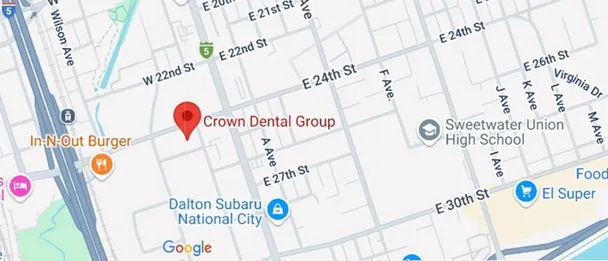
Find us here