Why Missing Teeth Affect More Than Appearance
Missing teeth can impact speech, bite alignment, bone health, and confidence. Learn why replacing missing teeth early protects long-term oral function.
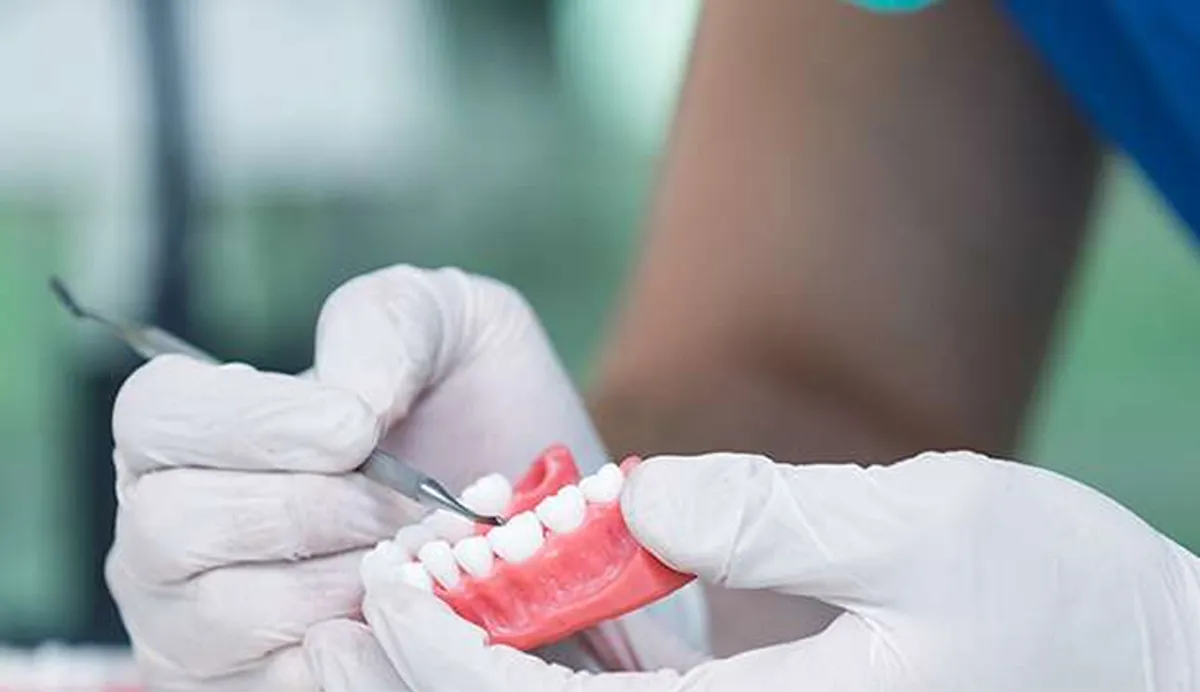
A missing tooth often feels like a cosmetic issue first. Patients notice the gap when smiling, speaking, or seeing photographs. But tooth loss affects much more than appearance.
At Crown Dental Group, restorative treatment focuses not only on replacing teeth but on preserving the long-term health of the entire mouth. Understanding the full impact of tooth loss is the first step toward making a timely, informed decision.
The Hidden Impact of Tooth Loss
Each tooth plays a role in the balance of your bite. When one tooth is lost, neighboring teeth begin adjusting to fill the new space. This can lead to:
- Tooth shifting and rotation
- Changes in bite alignment
- Uneven chewing pressure
- Jaw strain and TMJ discomfort
Bone Loss Begins After Extraction
Tooth roots stimulate the jawbone. Without that stimulation, bone begins to resorb — dissolving gradually because it no longer has a purpose. This changes facial support, reduces jaw strength, and narrows future implant options if replacement is delayed.
Speech Can Change Unexpectedly
Teeth guide airflow during speech. Missing front teeth particularly affect the pronunciation of certain sounds. Patients are often surprised to find that their speech changes noticeably after tooth loss, impacting both professional and personal communication.
Why Patients Delay Replacement
Many patients equate a lack of pain with a lack of urgency. However, bone loss and tooth shifting are painless in their early stages. By the time discomfort appears, the underlying structure has often degraded significantly — requiring bone grafts or orthodontic realignment before a replacement can even be placed.
Implant Dentistry Preserves Bone Best
Dental Implants are the only tooth replacement option that replaces root function. By mimicking the natural root, a titanium implant provides the stimulation necessary to keep the jawbone dense and the facial structure intact. This makes implants the most effective long-term solution for preserving bone after tooth loss.
Bridges Work Well for Specific Cases
A Dental Bridge is a reliable, time-tested method for filling a gap. It uses healthy teeth on either side of the space as anchors to hold a prosthetic tooth in place. This is an excellent option for patients who may not be candidates for surgery or those seeking a faster turnaround than the healing process required for implants.
Dentures Restore Full Function
Modern Dentures have come a long way from the stereotypes of the past. For patients missing most or all of their teeth, dentures provide a comprehensive way to restore the ability to eat, speak, and smile. They support facial muscles and can be customized to look remarkably natural.
Same-Day Options Improve Confidence Quickly
The psychological impact of a missing front tooth can be significant. Same-day protocols allow a temporary aesthetic replacement to be placed immediately after an Extraction. While permanent healing still takes time, these options ensure you never leave the office with a visible gap.
Long-Term Bite Protection Matters
Your teeth are like books on a shelf — remove one, and the others begin to lean. When a gap is left untreated, neighboring teeth tilt into the space and the opposing tooth can over-erupt because there is nothing to bite against. This creates bite imbalance, leading to jaw pain, uneven wear, and increased risk of further tooth loss.
Caring for Your Smile, One Visit at a Time
Proactive replacement is essentially preventative maintenance. Addressing a missing tooth early keeps the surrounding teeth stable and the bone healthy. It’s the difference between a simple “fill-in-the-blank” procedure now and a complex reconstructive journey five years down the road.
Explore Your Tooth Replacement Options Today
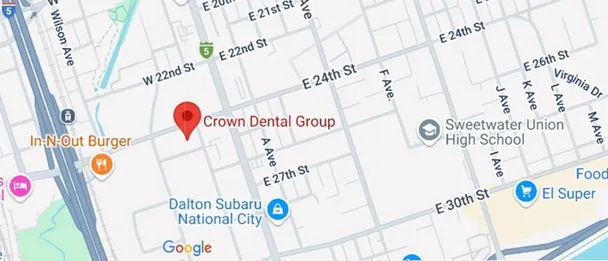
Find us here