Why Does My Tooth Hurt If I Don't Have a Cavity?
Learn why your tooth may hurt even if you don't have a cavity. Discover common causes of tooth pain and when it's time to visit your dentist.

Tooth Pain Doesn’t Always Mean You Have a Cavity
When people experience tooth pain, they usually assume they have a cavity. While cavities are certainly one of the most common causes of dental discomfort, they’re far from the only reason a tooth can hurt.
Many patients are surprised when they visit the dentist expecting to need a filling, only to discover their pain is caused by something completely different.
A toothache is your body’s way of telling you that something needs attention. The challenge is that several different dental conditions can produce similar symptoms. Some problems are minor and easily treated, while others require prompt care to prevent further complications.
At Crown Dental Group, one of the first steps in diagnosing tooth pain is determining its true source. Understanding the many possible causes of tooth pain can help you recognize when professional evaluation is necessary and why early treatment is so important.
Why Teeth Feel Pain
To understand why teeth hurt, it helps to know a little about their structure.
Each tooth consists of several layers.
The outermost layer, enamel, is incredibly strong and contains no nerves. Beneath the enamel lies dentin, a softer layer filled with tiny microscopic tubules that connect to the center of the tooth.
At the center is the pulp.
The pulp contains:
- Blood vessels
- Nerves
- Connective tissue
When the pulp or surrounding tissues become irritated, inflamed, or infected, pain signals travel through these nerves to the brain.
The important thing to remember is that irritation doesn’t always come from tooth decay.
Cause #1: Tooth Sensitivity
One of the most common reasons patients experience discomfort without having a cavity is tooth sensitivity.
Sensitivity often occurs when dentin becomes exposed.
This may happen because of:
- Worn enamel
- Gum recession
- Teeth grinding
- Aggressive brushing
Patients often notice pain when consuming:
- Ice water
- Hot coffee
- Ice cream
- Sweet foods
- Acidic beverages
The discomfort is usually sharp but temporary.
Fortunately, sensitivity can often be managed once the underlying cause is identified.
Cause #2: A Cracked Tooth
Small cracks are surprisingly common.
Many cracks are so tiny they cannot be seen without a dental examination.
Cracked teeth often produce symptoms such as:
- Pain when chewing
- Sensitivity to temperature
- Discomfort that comes and goes
- Pain when releasing your bite
Unlike cavities, cracked teeth often cause inconsistent symptoms.
One day the tooth may feel completely normal.
The next day, biting into a sandwich may trigger sharp pain.
Because cracks tend to worsen over time, early diagnosis is important.
Cause #3: Teeth Grinding and Clenching
Many people grind or clench their teeth while sleeping.
This condition, called bruxism, places tremendous pressure on the teeth.
Over time, grinding may lead to:
- Tooth pain
- Jaw soreness
- Headaches
- Cracked teeth
- Worn enamel
Patients are often unaware they grind until their dentist notices the signs during an examination.
A custom night guard may help protect the teeth from further damage.
Cause #4: Gum Disease
Pain isn’t always coming from the tooth itself.
Sometimes the surrounding gums are the source of discomfort.
Gum disease begins when bacteria accumulate along the gumline.
Symptoms may include:
- Swollen gums
- Bleeding while brushing
- Tenderness
- Bad breath
As the disease progresses, inflammation may affect the supporting structures around the tooth.
Without treatment, advanced gum disease can eventually lead to tooth mobility and tooth loss.
Cause #5: A Failing Filling or Crown
If you’ve had previous dental work, discomfort may develop even if there isn’t a new cavity.
Older restorations sometimes:
- Wear down
- Develop small gaps
- Crack
- Loosen
When this happens, bacteria and food particles may enter beneath the restoration.
The tooth may become sensitive long before a cavity is visible.
Routine dental exams help monitor existing dental work and identify problems early.
Cause #6: An Infected Tooth
Sometimes bacteria reach the pulp through a crack, trauma, or old restoration.
This may cause inflammation or infection inside the tooth.
Symptoms often include:
- Persistent throbbing pain
- Pain that wakes you at night
- Swelling
- Sensitivity to pressure
- Pain when chewing
Unlike temporary sensitivity, pain from infection usually becomes progressively worse.
Prompt treatment is important to prevent the infection from spreading.
Cause #7: Sinus Pressure
Many upper back teeth share nerve pathways with the maxillary sinuses.
When sinus pressure develops because of allergies, congestion, or infection, patients sometimes feel discomfort in their upper teeth.
This type of pain often affects multiple teeth rather than a single tooth.
Symptoms may worsen when:
- Bending over
- Lying down
- Experiencing nasal congestion
Once the sinus condition improves, the tooth discomfort often resolves as well.
Cause #8: Jaw Joint (TMJ) Problems
The temporomandibular joints connect your lower jaw to your skull.
Problems affecting these joints can sometimes feel like tooth pain.
Patients with TMJ disorders may experience:
- Jaw clicking
- Difficulty opening the mouth
- Ear pain
- Facial soreness
- Tooth discomfort
Because nerves in the face are closely connected, pain originating in the jaw may be mistaken for a toothache.
Cause #9: Gum Recession
As gums recede, the tooth roots become exposed.
Root surfaces are much more sensitive than enamel.
This may cause discomfort when:
- Drinking cold beverages
- Brushing
- Eating sweets
- Breathing cold air
Gum recession often develops gradually, making symptoms appear slowly over time.
Cause #10: Food Trapped Between Teeth
Sometimes the simplest explanation is the correct one.
Food trapped between teeth can irritate the gums and create localized discomfort.
Patients may notice:
- Pressure
- Tenderness
- Mild swelling
Proper flossing often removes the debris and relieves the discomfort.
However, if food repeatedly becomes trapped in the same location, it may indicate a larger dental issue.
Why You Should Never Ignore Tooth Pain
Pain is a warning sign.
Even if the discomfort eventually disappears, the underlying problem may still exist.
For example:
- An infected nerve may stop hurting after it dies.
- A cracked tooth may become less sensitive temporarily.
- Gum disease may progress without significant pain.
Waiting until symptoms become severe often results in more extensive treatment.
Early evaluation allows dentists to identify the true cause before complications develop.
How Dentists Diagnose Tooth Pain
Finding the source of tooth pain sometimes requires several diagnostic steps.
Your dentist may perform:
- A visual examination
- Digital radiographs
- Bite tests
- Percussion tests
- Temperature testing
- Gum evaluation
Each test provides clues that help determine the underlying cause.
Because many conditions produce similar symptoms, accurate diagnosis is essential.
Preventing Unexplained Tooth Pain
While not every problem can be prevented, healthy habits significantly reduce your risk.
These include:
Brush Twice Daily
Plaque removal helps prevent decay and gum disease.
Floss Every Day
Flossing removes bacteria from between the teeth.
Wear a Night Guard if Recommended
Night guards protect against grinding-related damage.
Avoid Chewing Hard Objects
Ice, pens, and hard candy increase fracture risk.
Attend Routine Dental Exams
Regular evaluations help identify small issues before they become painful.
Frequently Asked Questions
Can my tooth hurt without having a cavity?
Yes. Cracks, grinding, gum disease, infections, and sensitivity are just a few possible causes.
Why does my tooth only hurt when I bite down?
Pain while chewing often suggests a cracked tooth, bite problem, or inflammation around the tooth.
Can stress cause tooth pain?
Yes. Stress often contributes to grinding and clenching, which may lead to discomfort.
Why does cold water make one tooth hurt?
Cold sensitivity often occurs when dentin becomes exposed because of enamel wear or gum recession.
Should I wait to see if the pain goes away?
Persistent or recurring tooth pain should always be evaluated, even if symptoms improve.
Can sinus problems cause toothaches?
Yes. Sinus pressure commonly causes discomfort in the upper back teeth.
Is tooth sensitivity permanent?
Not always. Treatment depends on identifying and addressing the underlying cause.
When should I schedule a dental appointment?
If pain lasts more than a day or two, worsens, or is accompanied by swelling or difficulty chewing, professional evaluation is recommended.
Tooth Pain Is Your Mouth’s Way of Asking for Help
Not every toothache is caused by a cavity, but every toothache deserves attention. Whether the source is sensitivity, grinding, a cracked tooth, gum disease, sinus pressure, or another condition, pain is often an early warning sign that something isn’t right.
The good news is that many causes of tooth pain can be successfully treated when identified early. A professional evaluation helps determine the true source of the discomfort and allows for the most effective treatment plan.
At Crown Dental Group, our goal is to diagnose the cause—not just treat the symptom. If you’re experiencing tooth pain, don’t assume it’s “just sensitivity” or hope it will disappear on its own. Addressing the issue early can help preserve your natural teeth, prevent more serious complications, and keep your smile healthy for years to come.
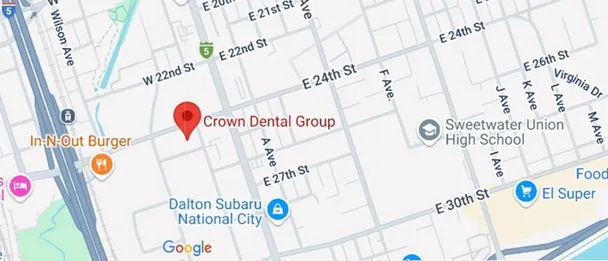
Find us here