Why Does My Tooth Have a Crack? Common Causes of Cracked Teeth
Learn what causes cracked teeth, how to recognize the warning signs, and when a cracked tooth may need a filling, crown, root canal, or extraction.
A tooth can look perfectly normal and still have a crack.
Some cracks are easy to see, while others are so small that they can only be identified through a careful dental examination. A cracked tooth may cause occasional discomfort when chewing, sensitivity to certain foods, or no noticeable symptoms at all.
Cracks can develop for many reasons. Repeated chewing forces, teeth grinding, large restorations, injuries, and biting hard objects can all place stress on tooth structure.
The important thing is to identify a crack early. A tooth does not naturally repair a structural crack in the same way that skin or bone can heal. Depending on the location and severity of the crack, treatment may help protect the tooth from further damage.
What Causes a Tooth to Crack?
Teeth are strong, but they are not indestructible. Repeated forces can eventually create weaknesses in the tooth structure.
Common causes include:
- Biting down on hard foods
- Chewing ice
- Grinding or clenching
- Dental trauma
- Large fillings
- Age-related structural changes
- Using teeth to open packages
- Repeated stress on a weakened tooth
Sometimes there is no single event that causes the crack. Instead, the tooth may experience repeated stress over a long period before a crack becomes noticeable.
Large Fillings Can Change How a Tooth Handles Pressure
A tooth that has undergone extensive restoration may have less remaining natural tooth structure than an untouched tooth.
Large fillings can replace portions of the tooth that were lost through decay or previous damage. Although restorations are designed to restore function, the remaining tooth structure may still be vulnerable to significant forces.
This does not mean that every tooth with a large filling will crack. However, a tooth with substantial structural loss may require additional protection depending on its condition.
Your dentist can assess whether a heavily restored tooth would benefit from additional restorative treatment.
Grinding and Clenching Can Contribute to Cracks
Repeated pressure from grinding and clenching can place significant stress on teeth.
Unlike normal chewing, grinding can expose teeth to repeated forces for extended periods. Over time, this may contribute to cracks, chips, or other structural damage.
Signs that may suggest grinding include:
- Flattened tooth surfaces
- Small chips
- Worn edges
- Jaw muscle soreness
- Morning jaw discomfort
- Tooth tenderness
- Frequent fractures of dental restorations
If you regularly grind or clench, tell your dentist. Identifying excessive forces may be an important part of protecting a tooth that has already developed a crack.
Biting Hard Foods Can Cause Cracks
A sudden force from a hard object can damage a tooth.
Examples include:
- Ice
- Hard candy
- Unpopped popcorn kernels
- Bones
- Nuts
- Hard seeds
- Non-food objects
Even a single unexpected bite can place substantial pressure on a tooth.
Teeth that have already been weakened by decay, large restorations, wear, or previous treatment may be more vulnerable to this type of damage.
Using Your Teeth as Tools Can Cause Damage
Your teeth are designed to bite and chew food, not to open packages or cut materials.
Using your teeth to tear plastic, open bottle caps, hold objects, or manipulate other materials can place concentrated forces on individual teeth.
These forces can create small fractures or chips that may become more significant over time.
Avoiding these habits is a simple way to reduce unnecessary mechanical stress.
What Does a Cracked Tooth Feel Like?
The symptoms of a cracked tooth can vary considerably.
Some people experience:
- Sharp pain when biting
- Pain when releasing a bite
- Intermittent discomfort
- Sensitivity to cold
- Sensitivity when eating
- A feeling that something is stuck around the tooth
- Discomfort that is difficult to locate
Other people have no symptoms at all.
A crack may therefore be discovered during a routine examination rather than because of obvious pain.
Why Does a Cracked Tooth Sometimes Hurt When You Release Your Bite?
One characteristic symptom of certain cracked teeth is pain that occurs when pressure is released.
When you bite down, the cracked portions of the tooth may move slightly. When the pressure is released, the movement can stimulate sensitive structures within the tooth.
This can create a brief, sharp sensation.
However, pain on release is not proof that a tooth is cracked. Other dental conditions can produce similar symptoms.
If you repeatedly experience this type of pain in the same tooth, your dentist should evaluate it.
What Are the Different Types of Tooth Cracks?
Dentists generally describe several types of cracks depending on their location and extent.
Craze Lines
Craze lines are very small cracks in the enamel.
They are common in adult teeth and often do not cause symptoms. Many craze lines are considered superficial and do not require restorative treatment.
However, your dentist may monitor them as part of your routine examinations.
Fractured Cusp
A fractured cusp occurs when part of the chewing surface breaks.
This can sometimes occur around a large filling or a weakened area of a back tooth.
Depending on the extent of the damage, treatment may involve restoring the tooth to protect the remaining structure.
Cracked Tooth
A cracked tooth involves a crack that extends from the chewing surface toward the root.
The extent of the crack matters significantly. A crack that remains within the crown may be more manageable than one that extends below the gumline or into the root.
Split Tooth
A split tooth has developed a more extensive fracture that separates the tooth into distinct segments.
In some cases, part of the tooth may be restorable while another portion cannot be preserved. Treatment depends on the location and extent of the fracture.
Vertical Root Fracture
A vertical root fracture begins in the root and extends upward.
These fractures can be difficult to identify because symptoms may be limited or resemble other dental problems.
Professional evaluation and appropriate imaging are important when a root fracture is suspected.
Why Are Cracks Sometimes Difficult to Find?
Dental cracks can be extremely small.
Some are difficult to see because they blend into the natural anatomy of the tooth. Others may extend into areas that are difficult to visualize directly.
Your dentist may use several methods to evaluate a suspicious tooth, including visual examination, pressure testing, bite tests, dental imaging, and examination of the surrounding tissues.
In some situations, a crack may remain difficult to confirm even after several diagnostic tests.
Can a Cracked Tooth Heal on Its Own?
A structural crack in a tooth does not naturally grow back together.
Unlike a superficial injury to soft tissue, a fracture through tooth structure cannot simply regenerate.
This does not mean every crack requires extensive treatment. The appropriate approach depends on its location, depth, symptoms, and effect on the tooth.
Some superficial craze lines may simply be monitored, while a more significant crack may require restorative treatment.
How Are Cracked Teeth Treated?
Treatment depends on how extensive the damage is.
Monitoring
Minor craze lines without symptoms may simply be monitored during regular examinations.
Dental Restoration
A damaged portion of a tooth may sometimes be restored to protect the remaining structure.
Crown
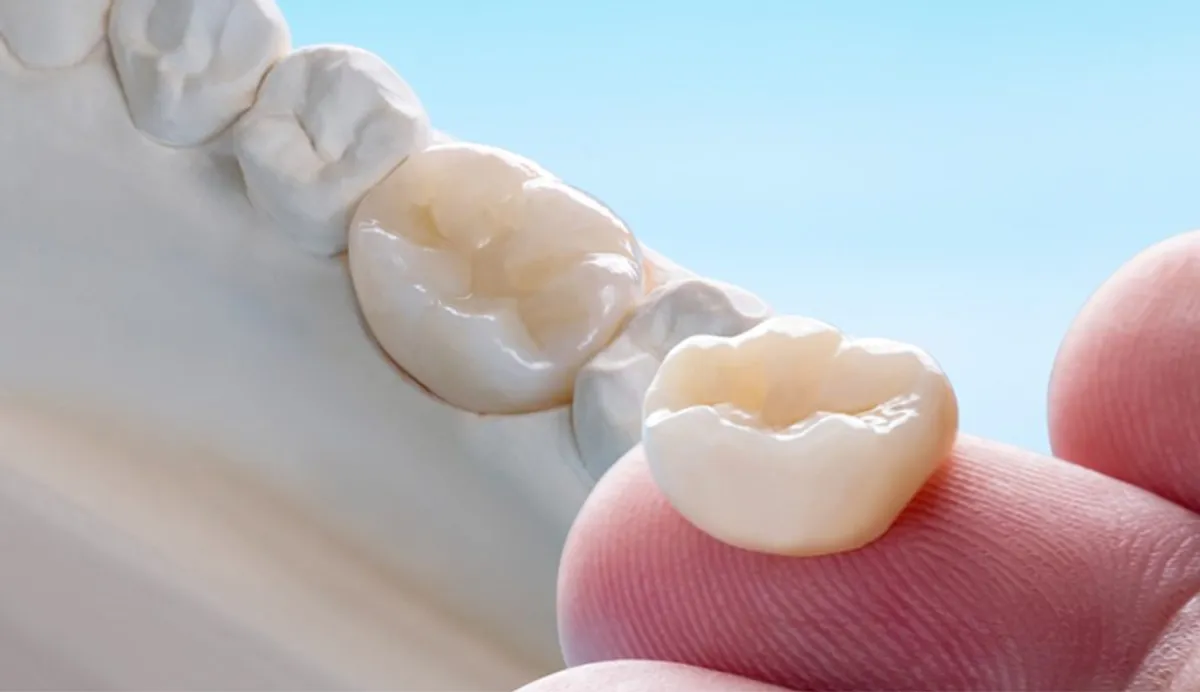
A crown can cover and protect a significantly weakened tooth. Whether a crown is appropriate depends on the amount of healthy tooth structure remaining and the extent of the crack.
Root Canal Treatment
If a crack has affected the internal tissues of the tooth, root canal treatment may sometimes be necessary before the tooth is restored.
Extraction
If a crack extends through a portion of the tooth that cannot be predictably restored, extraction may be necessary.
The earlier a significant crack is identified, the more information your dentist has when determining whether the tooth can be preserved.
What Should You Do If You Think Your Tooth Is Cracked?
If you suspect a cracked tooth, avoid deliberately biting hard foods on that side.
Do not attempt to diagnose or test the tooth repeatedly by biting on increasingly harder objects. This can potentially worsen the damage.
Continue gentle oral hygiene and arrange a dental examination.
If the tooth is painful, your dentist can also advise you on appropriate short-term measures while determining the cause.
When Is a Cracked Tooth an Emergency?
A cracked tooth does not always require emergency treatment, but certain symptoms warrant prompt attention.
Contact a dentist quickly if you experience:
- Severe or rapidly increasing pain
- Facial swelling
- Significant damage after an injury
- A large portion of the tooth breaking off
- Persistent pain that interferes with eating
- Signs of infection
- Fever or swelling around the tooth
If facial swelling is accompanied by difficulty breathing or swallowing, seek emergency medical care.
How Can You Reduce Your Risk of Cracked Teeth?
You cannot eliminate every risk, but several habits can help protect your teeth.
Avoid chewing ice and very hard objects.
Do not use your teeth as tools.
Wear a properly fitted sports mouthguard when participating in activities with a risk of facial impact.
Address grinding and clenching. Your dentist can evaluate excessive forces and recommend appropriate protection.
Maintain regular dental visits. Early detection of decay, weakened teeth, and worn restorations can help reduce the risk of structural problems.
Protect Your Smile at Crown Dental Group
A cracked tooth can be difficult to identify because symptoms vary and some cracks are nearly invisible. If a tooth repeatedly hurts when you chew, feels sensitive in an unusual way, or has recently developed a visible fracture, professional evaluation is important.
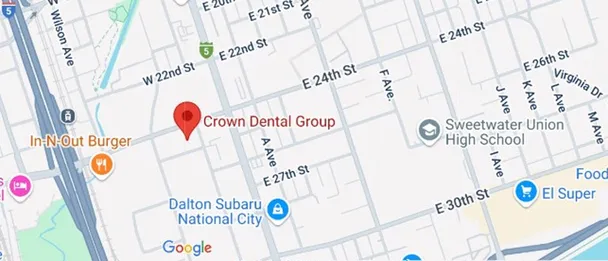
At Crown Dental Group in National City, our team can examine damaged or painful teeth and determine whether a crack or another dental condition is responsible. Depending on the diagnosis, treatment may include restorative care, crowns, root canal treatment, or other appropriate options.
We serve patients throughout National City and nearby South Bay communities, including Chula Vista, Bonita, and Imperial Beach.
If you suspect that you have a cracked tooth, schedule an examination before the damage progresses.
- Crown Dental Group
- 2405 Transportation Ave
- National City, CA 91950
- Phone: (619) 474-6200
- Email: info@crowndentalnc.com
Frequently Asked Questions
1. What causes teeth to crack?
Teeth can crack from repeated chewing forces, grinding, clenching, hard foods, trauma, large restorations, or habits such as chewing ice or using teeth as tools.
2. Can a cracked tooth heal naturally?
A structural crack cannot naturally grow back together. However, not every crack requires the same treatment. Minor craze lines may be monitored, while deeper cracks may require restoration or other treatment.
3. How do I know if I have a cracked tooth?
Possible symptoms include sharp pain when biting, pain when releasing a bite, intermittent discomfort, cold sensitivity, or unexplained pain from a particular tooth. Some cracks produce no symptoms.
4. Can a filling cause a tooth to crack?
A large filling does not automatically cause a tooth to crack. However, a heavily restored tooth may have less remaining natural structure and can be more vulnerable to significant forces.
5. Can a cracked tooth be saved?
Some cracked teeth can be restored, depending on the location and extent of the crack. Treatment may involve a restoration, crown, or root canal treatment. A severely fractured tooth may not be restorable.
6. Does every cracked tooth need a crown?
No. Treatment depends on the type and severity of the crack. Some superficial craze lines may only require monitoring, while more significant structural cracks may benefit from a crown.
7. Can grinding cause cracked teeth?
Repeated grinding and clenching can place excessive forces on teeth and may contribute to structural damage. Your dentist can evaluate your teeth for signs of excessive force.
8. What should I do if part of my tooth breaks?
Avoid chewing on the damaged side and contact your dentist for an evaluation. If the break is associated with severe pain, swelling, or significant trauma, seek prompt dental care.
Find us here