Why Does My Tooth Feel Loose? 7 Possible Causes You Should Know
Why does your tooth feel loose? Learn seven common causes of loose adult teeth, warning signs, treatment options, and when to see a dentist.
A Loose Adult Tooth Is Not Something to Ignore
Discovering that one of your teeth feels loose can be alarming, particularly if you’re an adult. Permanent teeth are designed to remain firmly anchored in the jaw, so noticeable movement is generally a sign that something has changed around the tooth.
A tooth can feel loose for several different reasons. Sometimes the cause is related to the gums and bone supporting the tooth. In other cases, trauma, excessive biting forces, grinding, or another dental condition may be responsible. The important thing is not to assume that the tooth will simply tighten on its own.
At Crown Dental Group in National City, California, we evaluate loose teeth by looking beyond the tooth itself. A tooth’s stability depends on a complex support system involving the gums, periodontal ligament, and jawbone. Identifying the cause early can sometimes make it possible to stabilize the tooth and protect it from further damage. If you’ve recently noticed movement in an adult tooth, here’s what may be happening and why professional evaluation matters.
What Keeps a Tooth Firmly in Place?
A tooth isn’t simply sitting inside the jawbone. Several structures work together to keep it stable. The periodontal ligament is a specialized connective tissue surrounding the tooth root. It connects the tooth to the surrounding bone while allowing a very small amount of natural movement. The gums provide a protective barrier around the tooth, while the alveolar bone provides the primary structural support around the roots. When these supporting structures become damaged or weakened, a tooth may begin to move more than normal.
That’s why a loose tooth can sometimes be a symptom of a problem that begins somewhere other than the tooth itself.
7 Possible Causes of a Loose Adult Tooth
1. Gum Disease
One of the most common causes of loose adult teeth is advanced periodontal disease. Gum disease begins when bacteria and plaque accumulate around the gumline. Early gum disease, or gingivitis, can cause redness, swelling, and bleeding. If it progresses without treatment, inflammation can extend deeper beneath the gums. Eventually, periodontal disease can damage the tissues and bone that support the teeth. As supporting bone is lost, a tooth may gradually become mobile.
Warning Signs of Periodontal Disease
A loose tooth may occur alongside:
- Bleeding gums
- Swollen gums
- Gum recession
- Persistent bad breath
- Tender gums
- Pus around the gums
- Changes in the way your teeth fit together
Periodontal disease can progress without significant pain, which makes routine dental examinations especially important. If gum disease is responsible for tooth mobility, treating the underlying periodontal problem is essential.
2. Dental Trauma
A tooth can become loose after an accident or injury.
Common examples include:
- A sports injury
- A fall
- A car accident
- A blow to the face
- Biting something unexpectedly hard
Trauma can damage the periodontal ligament surrounding the tooth. In some cases, the tooth may remain in place but become temporarily mobile. Other injuries can cause more significant damage to the root, surrounding bone, or tooth itself.
What Should You Do After Dental Trauma?
If an adult tooth becomes loose following an injury, contact your dentist promptly. Don’t repeatedly test the tooth with your tongue or fingers. Additional movement may interfere with healing. Your dentist can evaluate the tooth and surrounding structures using a clinical examination and appropriate imaging.
3. Teeth Grinding and Clenching
Another potential cause is bruxism, or excessive grinding and clenching of the teeth. Many people grind while sleeping without realizing it. Others clench their teeth during the day, particularly while concentrating, exercising, or dealing with stress. The forces created by grinding can be much greater than those produced during normal chewing.
Over time, excessive forces can contribute to:
- Enamel wear
- Tooth fractures
- Sensitivity
- Jaw soreness
- Increased tooth mobility
Grinding doesn’t necessarily mean a tooth will become loose, but chronic excessive forces can place significant stress on the structures supporting it.
Could a Night Guard Help?
If nighttime grinding is contributing to dental damage, your dentist may recommend a custom night guard. A properly designed appliance can help protect the teeth from excessive grinding forces while you sleep. The appropriate treatment depends on the cause and severity of the problem.
4. An Infection Around the Tooth
Dental infections can also affect the tissues surrounding a tooth. A severe infection may create inflammation and swelling around the tooth, making it feel different or mobile.
Symptoms may include:
- Throbbing pain
- Swelling
- Sensitivity
- Pain when biting
- A bad taste
- Fever
- Facial swelling
An infected tooth requires prompt dental attention. Depending on the source of the infection and the condition of the tooth, treatment may involve root canal therapy, periodontal treatment, or extraction. A dental infection should never be ignored simply because the pain temporarily decreases.
5. Bone Loss
The jawbone provides essential structural support for your teeth. When bone is lost around a tooth, less support remains to hold the tooth securely. Bone loss may occur because of:
- Advanced periodontal disease
- Long-term tooth loss
- Certain systemic conditions
- Trauma
- Other oral health problems
Digital dental imaging can help your dentist evaluate the level and condition of the supporting bone. The earlier bone loss is identified, the sooner its underlying cause can be addressed.
6. A Problem With Your Bite
Your teeth are designed to work together. Ideally, chewing forces are distributed relatively evenly throughout the mouth. If one tooth receives excessive pressure because of an uneven bite, it may become irritated or uncomfortable.
Patients may notice:
- Pain when biting
- Tooth sensitivity
- Jaw discomfort
- Tooth wear
- A feeling that one tooth hits first
Bite problems can sometimes develop after dental restorations, tooth movement, tooth loss, or years of wear. Your dentist can evaluate how your teeth contact each other and determine whether excessive forces are contributing to the problem.
7. Changes Around a Previously Treated Tooth
A tooth that has previously received dental treatment can still develop problems later.
For example, a tooth with a crown, filling, or previous root canal may experience:
- New decay
- A fracture
- Changes around the root
- Gum disease
- Restoration failure
A loose feeling doesn’t necessarily mean the previous treatment failed.
It simply means the tooth should be evaluated to determine what’s happening.
Is It Normal for Adult Teeth to Move Slightly?
Technically, teeth aren’t completely immobile. Healthy teeth have a very small amount of natural movement because of the periodontal ligament. However, you generally should not be able to noticeably wiggle a healthy adult tooth with your tongue or finger. If you can clearly feel movement that wasn’t there before, that’s worth discussing with your dentist.
What If the Tooth Only Feels Loose Occasionally?
Intermittent symptoms can still be significant. A tooth may feel different when you bite because of changes in inflammation, pressure, or surrounding tissues. Don’t assume that occasional movement means the problem is insignificant. Your dentist can determine whether the mobility is within a healthy range or indicates an underlying condition.
Can a Loose Tooth Be Saved?
In many cases, the answer depends on why the tooth is loose and how much supporting structure remains.
Treatment may include:
Periodontal Treatment
If gum disease is responsible, controlling the infection and inflammation may help stabilize the tooth.
Bite Adjustment
If excessive biting pressure is contributing, adjusting the contact between teeth may reduce stress.
Night Guard
For patients with significant grinding or clenching, a custom night guard may help protect the teeth.
Splinting
In certain situations, a dentist may stabilize a mobile tooth by connecting it to neighboring teeth.
Root Canal Treatment
If the tooth’s internal pulp is infected or severely damaged, root canal therapy may be recommended.
Extraction
When a tooth has extensive damage and cannot be predictably restored, removal may ultimately be necessary.
The goal is always to determine whether the natural tooth can be preserved safely.
Why You Shouldn’t Try to Tighten a Loose Tooth Yourself
If you notice a loose tooth, avoid manipulating it repeatedly.
Don’t:
- Push it with your fingers
- Constantly test it with your tongue
- Attempt to reposition it
- Tie objects around it
- Apply household adhesives
These approaches can cause additional injury or introduce bacteria. A professional examination is the safest way to determine what is happening.
When Is a Loose Tooth a Dental Emergency?
Not every loose tooth requires an emergency appointment, but certain symptoms require prompt attention.
Seek urgent dental care if mobility is accompanied by:
- Significant facial swelling
- Severe pain
- Heavy bleeding
- Fever
- Difficulty swallowing
- Difficulty breathing
- Recent facial trauma
- A tooth that has been completely displaced
Dental infections involving significant swelling can become serious and should not be delayed.
What Happens During a Dental Evaluation?
When you visit Crown Dental Group for a loose tooth, the dentist will first review your symptoms and dental history.
The examination may include:
- Visual inspection
- Mobility assessment
- Gum measurements
- Bite evaluation
- Digital radiographs
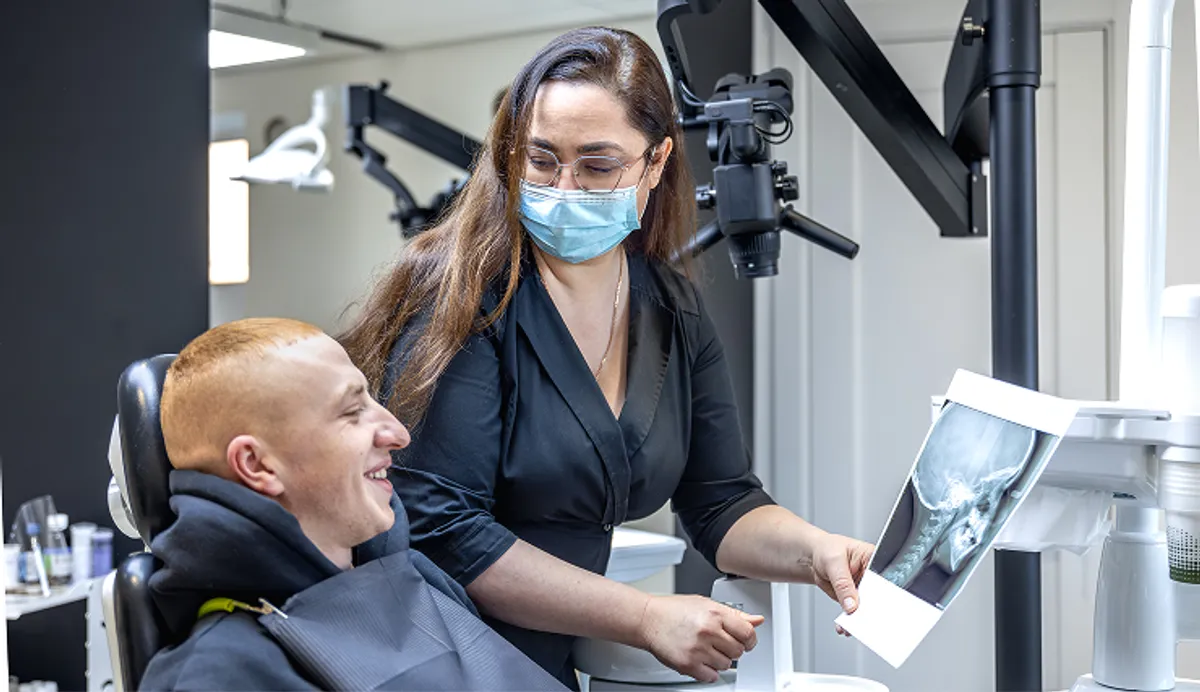
Imaging can provide information about the tooth root and supporting bone that cannot be seen during a visual examination. The purpose is to identify the underlying cause rather than simply treating the symptom.
How Can You Protect Your Teeth From Becoming Loose?
You can’t prevent every cause of tooth mobility, but several habits can reduce your risk.
Maintain Excellent Oral Hygiene
Brush twice a day with fluoride toothpaste and clean between your teeth every day.
Treat Gum Problems Early
Don’t ignore bleeding, swelling, or gum recession.
Wear a Sports Mouthguard
Protect your teeth during contact or high-impact sports.
Address Teeth Grinding
If you grind or clench your teeth, ask your dentist whether a custom night guard is appropriate.
Don’t Use Your Teeth as Tools
Avoid opening packages or biting hard objects with your teeth.
Attend Regular Dental Examinations
Routine visits allow your dentist to identify gum disease, bone loss, bite problems, and other conditions before they become more advanced.
Frequently Asked Questions
Can a loose adult tooth become tight again?
It depends on the cause. If the mobility is related to inflammation or trauma and the supporting tissues recover, the tooth may become more stable. Advanced bone loss may make stabilization more difficult.
Is a loose tooth always caused by gum disease?
No. Trauma, grinding, infections, bite problems, and other conditions can also cause tooth mobility.
Can brushing make a loose tooth worse?
Normal gentle brushing is important for maintaining oral hygiene. However, aggressive brushing should be avoided.
Should I pull out a loose adult tooth?
No. Never attempt to remove a loose permanent tooth yourself. A dentist should determine whether the tooth can be saved.
Can a dentist save a loose tooth?
Sometimes. Treatment depends on the cause, severity of mobility, condition of the tooth, and amount of supporting bone and tissue.
Can teeth grinding make a tooth loose?
Chronic excessive grinding and clenching can place significant forces on teeth and their supporting structures and may contribute to mobility.
Does a loose tooth mean I have to get an extraction?
Not necessarily. Extraction is generally considered when a tooth cannot be predictably restored or maintained.
When should I see a dentist about a loose tooth?
If an adult tooth suddenly becomes loose, develops noticeable mobility, or becomes painful, schedule a dental evaluation promptly. Trauma, swelling, severe pain, or signs of infection warrant more urgent attention.
Don’t Wait for a Loose Tooth to Become a Lost Tooth
A loose adult tooth is a symptom not a diagnosis. The underlying cause could be periodontal disease, trauma, grinding, infection, bone loss, an uneven bite, or another dental problem. Some causes can be treated successfully, particularly when identified early. That’s why waiting for the tooth to become painful or significantly more mobile isn’t the best strategy.
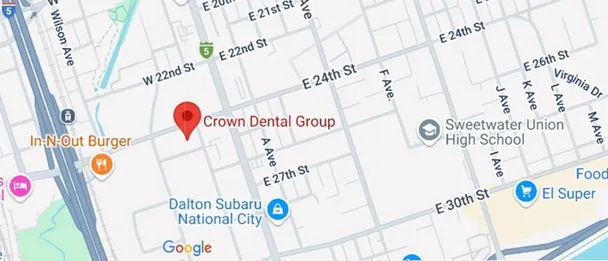
At Crown Dental Group, we provide comprehensive dental care for patients in National City, Chula Vista, Bonita, Imperial Beach, and surrounding South Bay communities. Our office at 2405 Transportation Ave, National City, CA 91950, is conveniently located near National City Mile of Cars and Westfield Plaza Bonita.
If you’ve noticed that an adult tooth feels loose, don’t keep testing it and hoping it will stabilize on its own. Call Crown Dental Group at (619) 474-6200 or email info@crowndentalnc.com to schedule an evaluation.
The sooner the cause is identified, the more options you may have for protecting your natural tooth and maintaining a healthy, functional smile.
Find us here