Why Does My Tongue Look Different? Common Tongue Changes and When to See a Dentist
Noticed changes in your tongue's color or texture? Learn common causes of tongue discoloration, bumps, and when to see a dentist in National City, CA.

Your tongue plays an important role in speaking, tasting, swallowing, and moving food around your mouth. Because it is constantly exposed to food, drinks, bacteria, and everyday irritation, its appearance can change from time to time.
You might notice a white coating, small bumps, red patches, a smooth surface, or areas that look darker than usual. Some changes are temporary and harmless, while others may be associated with an oral health condition that needs professional evaluation.
Understanding what may cause these changes can help you recognize when simple oral care may be enough and when it is better to schedule a dental examination.
At Crown Dental Group in National City, California, a dental assessment can help evaluate unusual changes in the tongue and surrounding oral tissues.
What Does a Healthy Tongue Look Like?
A healthy tongue is generally moist and pink to varying degrees, with a textured surface covered in tiny projections called papillae. These structures help provide friction when moving food and contain many of the taste buds involved in tasting.
However, not everyone’s tongue looks exactly the same. Natural variations in color, texture, and papillae are common.
The tongue’s appearance may also change temporarily after eating certain foods, drinking beverages that stain, experiencing mild irritation, or waking up after sleeping with an open mouth.
What matters is not simply whether your tongue looks perfectly pink. It is whether a change is new, persistent, worsening, or accompanied by symptoms such as pain, bleeding, swelling, or difficulty swallowing.
If you notice a change that does not resolve or cannot explain, a dentist can help determine whether it needs further investigation.
7 Common Reasons Your Tongue May Look Different
1. A White Coating on the Tongue
A white coating is a common reason people become concerned about their tongue’s appearance.
The tongue’s surface contains papillae that can collect bacteria, shed cells, food debris, and other material. When this buildup accumulates, the tongue may appear white or coated.
A white coating may be more noticeable when your mouth is dry, you have not cleaned your tongue, or you are recovering from an illness.
Gentle tongue cleaning and adequate hydration may help reduce ordinary buildup. However, not every white area is simply a coating.
Oral thrush, a fungal infection caused by an overgrowth of Candida, can produce creamy white patches in the mouth. These patches may sometimes wipe away, leaving an irritated or red surface. Other white patches may not wipe away and can have different causes.
Do not assume that every white tongue indicates an infection. If the coating persists despite normal oral hygiene, or if you experience soreness, a burning sensation, or difficulty eating, arrange a dental examination.
2. A Red or Smooth-Looking Tongue
A tongue that looks unusually red or smooth may have several possible explanations.
Temporary irritation from hot foods, acidic beverages, or other substances can affect the tongue’s surface. Some conditions can also cause the papillae to become less prominent, making the tongue appear smoother than usual.
A smooth, red tongue may sometimes be associated with nutritional deficiencies, including deficiencies in vitamin B12, folate, or iron. Other medical conditions may produce similar changes.
Appearance alone cannot establish the cause. If your tongue remains red or smooth, particularly if you also experience burning, tenderness, fatigue, or other unexplained symptoms, consult a dentist or healthcare professional.
Depending on the findings, further assessment or blood tests may be appropriate.
3. Small Bumps on the Tongue
Small bumps are often a normal feature of the tongue’s surface. The papillae create its characteristic texture, and some are more noticeable than others.
Occasionally, individual papillae become irritated or inflamed. This can cause a small, tender bump, sometimes referred to as a transient lingual papillitis lesion. These bumps often resolve without specific treatment.
Irritation may follow minor trauma, contact with hot foods, or exposure to irritating substances.
However, not every lump is an inflamed taste bud. A persistent lump, an enlarging lesion, an ulcerated area, or a bump accompanied by unexplained bleeding should be evaluated professionally.
Avoid squeezing, cutting, or applying harsh chemicals to bumps on your tongue. If a lesion is painful or does not improve, a dental examination can help determine the appropriate next step.
4. A Dark, Brown, or Black Tongue
A tongue that appears brown or black can look alarming, but some causes are temporary and treatable.
One possible explanation is a condition commonly called black hairy tongue. It occurs when the papillae on the tongue’s surface become elongated and accumulate material, creating a dark, sometimes hair-like appearance.
Contributing factors may include changes in oral bacteria, smoking, certain medications, dry mouth, and inadequate tongue cleaning.
Despite its name, black hairy tongue does not mean that hair grows on the tongue. The appearance results from changes in the surface papillae and accumulated material.
Other causes of dark areas include staining from foods or drinks, medication-related changes, and natural pigmentation. A localized dark spot may have a different explanation from a diffuse coating.
If discoloration is new, persistent, irregular, or changing, have it examined rather than assuming it is caused by staining.
5. A Tongue That Looks Dry or Cracked
A dry tongue may look rough, have visible grooves, or feel uncomfortable. Dryness can occur when saliva production decreases or moisture evaporates from the mouth.
Common contributing factors include dehydration, sleeping with the mouth open, and certain medications. Persistent dry mouth can also be associated with medical conditions that affect saliva production.
Some people naturally have a fissured tongue, which features grooves or cracks on the surface. This is often a harmless anatomical variation, although food debris may collect in the grooves and cause irritation if the area is not cleaned gently.
If your tongue feels persistently dry, you frequently need water to swallow food, or you experience difficulty speaking comfortably, discuss these symptoms with your dentist or healthcare provider.
Long-lasting dry mouth deserves attention because saliva helps protect the teeth and oral tissues.
6. Map-Like Red Patches
Geographic tongue is a generally benign condition that causes irregular, smooth red patches on the tongue. These areas may have pale or whitish borders and can change location or shape over time.
The pattern can resemble a map, which is how the condition gets its name.
Some people have no discomfort, while others experience sensitivity to spicy, acidic, or hot foods. The exact cause is not fully understood.
Geographic tongue is not the same as an infection, and the appearance can fluctuate over time. However, other oral conditions may also produce red patches.
If you notice a new pattern of discoloration, persistent soreness, or a patch that does not behave like a temporary change, a dentist can examine it and determine whether additional evaluation is needed.
7. Sores or Patches That Do Not Heal
Tongue sores can occur after accidentally biting the tongue, irritating it with food, or experiencing friction from a dental appliance. Minor injuries often improve as the tissue heals.
However, a sore or patch that persists should not automatically be attributed to irritation.
An oral lesion that lasts longer than about two weeks, particularly without a clear explanation, should be evaluated by a dentist or healthcare professional. This does not mean that the lesion is necessarily serious, but persistent changes need assessment.
Warning signs can include:
- A persistent ulcer or open sore.
- A red or white patch that does not resolve.
- An unexplained lump or thickened area.
- Bleeding without an obvious cause.
- Numbness or persistent pain.
- Difficulty swallowing or moving the tongue normally.
Oral cancer can sometimes cause persistent patches, ulcers, or lumps, but these signs can also occur with noncancerous conditions. A professional examination is the appropriate way to determine whether further testing is necessary.
Can Dehydration Change the Appearance of Your Tongue?
Yes. Dehydration and reduced saliva can make the mouth feel dry and may make the tongue appear coated or rough.
Saliva helps lubricate oral tissues, clear food debris, and support the mouth’s natural defenses. When saliva levels decrease, material may accumulate more readily on the tongue.
You may notice dryness after sleeping, exercising, spending time in hot weather, or consuming insufficient fluids. Certain medications and medical conditions can also contribute to dry mouth.
Drinking water regularly and maintaining good oral hygiene may help when temporary dehydration is responsible.
However, persistent dryness should not automatically be attributed to inadequate water intake. If you frequently experience dry mouth despite drinking enough fluids, speak with your dentist or healthcare provider about possible causes.
How to Keep Your Tongue Clean and Healthy
Good tongue care can help reduce surface buildup and support overall oral hygiene. It does not replace professional evaluation when unusual changes persist.
Brush Your Tongue Gently
When brushing your teeth, gently brush the surface of your tongue with a soft toothbrush or use a tongue cleaner. Start near the back only as far as comfortable, then move toward the front without applying excessive pressure.
Aggressive scraping can irritate the tissue and cause discomfort. Stop if cleaning causes pain or bleeding.
Stay Hydrated
Drink water regularly throughout the day. If you frequently experience dry mouth, consider discussing the problem with your dentist, especially if it affects eating, speaking, or sleeping.
Sugar-free gum may stimulate saliva in some people, provided chewing is comfortable and appropriate for their dental health.
Maintain Daily Oral Hygiene
Brush twice daily with fluoride toothpaste and clean between your teeth every day. Keeping your teeth and gums clean also helps reduce the amount of debris and plaque that accumulates in the mouth.
If you wear dentures or other removable oral appliances, clean them according to your dentist’s instructions.
Avoid Tobacco
Smoking and other tobacco use can contribute to oral tissue changes and increase the risk of oral cancer. Avoiding tobacco supports oral health and reduces exposure to harmful substances.
Pay Attention to Persistent Changes
Check your tongue periodically as part of your normal oral hygiene routine. You do not need to monitor every minor variation, but it is useful to recognize changes that persist, worsen, or occur with other symptoms.
Do not use household bleaching products or unapproved treatments on the tongue. Oral tissues are delicate, and inappropriate products can cause injury.
How Does a Dentist Examine Tongue Changes?
A dental examination can help determine whether a change in your tongue’s appearance is likely to be harmless or requires further investigation.
Your dentist may ask when the change began, whether it has progressed, whether it causes pain, and whether you have recently changed medications or experienced an illness.
The examination may include assessing the tongue’s color, surface, shape, and movement, as well as checking the cheeks, gums, floor of the mouth, and other oral tissues.
Your dentist may also review your oral hygiene practices, tobacco use, dental appliances, and relevant medical history.
If a lesion looks unusual or remains unexplained, the dentist may recommend additional testing or referral to an oral medicine specialist or another appropriate healthcare professional. In selected cases, a biopsy may be needed to establish a diagnosis.
The goal is to identify the likely cause and determine whether treatment, monitoring, or further evaluation is appropriate.
When Should You Seek Professional Care?
Many temporary tongue changes resolve without treatment. However, certain symptoms should prompt an examination.
Schedule a dental appointment if you notice a white or red patch that persists, unexplained discoloration, a recurring sore, a lump, or pain that does not improve.
Seek prompt assessment for a lesion that lasts longer than two weeks, especially if it is growing, bleeding, or associated with numbness.
If you experience significant tongue swelling or difficulty breathing or swallowing, seek emergency medical care immediately.
It is better to have a persistent change assessed than to rely on appearance alone or attempt to treat an unknown condition at home.
Schedule an Oral Examination at Crown Dental Group
Changes in tongue color, texture, and surface can result from ordinary buildup, irritation, dry mouth, or a range of oral and medical conditions. Some changes are temporary, while persistent or unexplained findings may need further investigation.
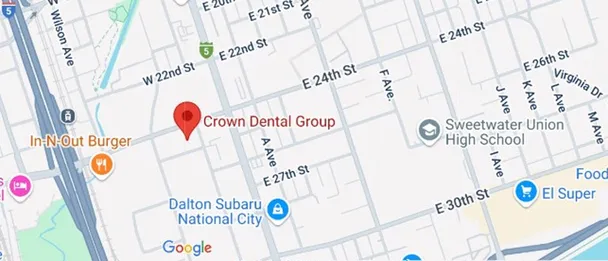
Crown Dental Group provides dental care for patients in National City, CA, and surrounding South Bay San Diego communities. If you have noticed an unusual tongue change or are concerned about your oral health, schedule an appointment to discuss your symptoms and appropriate next steps.
- Crown Dental Group
- 2405 Transportation Ave
- National City, CA 91950
- Phone: (619) 474-6200
- Email: info@crowndentalnc.com
Frequently Asked Questions
1. Is it normal for my tongue to have a white coating?
A thin white coating may result from accumulated bacteria, shed cells, food debris, or dry mouth. Persistent, thick, painful, or unusual white patches may have other causes and should be evaluated by a dental professional.
2. Why does my tongue have small red bumps?
Small bumps are often normal papillae. Some may temporarily become irritated, causing tenderness or localized swelling. If a bump persists, grows, bleeds, or develops into an ulcer, arrange a dental examination.
3. Can dehydration make my tongue look white?
Dehydration and reduced saliva can contribute to a dry mouth and a more noticeable tongue coating. However, not every white tongue is caused by dehydration. Persistent changes may require professional assessment.
4. What causes a black or dark tongue?
Possible causes include black hairy tongue, staining, medication effects, and natural pigmentation. A new or persistent dark spot should be examined because its appearance alone may not reveal the cause.
5. Can vitamin deficiencies affect my tongue?
Yes. Deficiencies in nutrients such as vitamin B12, folate, and iron can sometimes contribute to a sore, smooth, or unusually red tongue. A healthcare professional can determine whether further evaluation or blood testing is appropriate.
6. When should I worry about a tongue sore?
A sore that does not heal within about two weeks, or one that grows, bleeds, or has no clear cause, should be examined. Persistent lesions do not automatically indicate a serious condition, but they should not be ignored.
7. Should I scrape my tongue every day?
Gentle tongue cleaning can help remove surface buildup and improve oral hygiene. Use a soft toothbrush or tongue cleaner without excessive pressure. Stop if cleaning causes pain or bleeding.
8. Can a dentist diagnose problems affecting my tongue?
A dentist can examine the tongue and other oral tissues, identify many common causes of changes, and determine whether further testing or referral is needed. Some conditions may require evaluation by an oral medicine specialist or healthcare provider.
Find us here