Why Does My Breath Smell Bad Even After Brushing? Hidden Causes of Persistent Bad Breath
Learn why bad breath can persist after brushing, including tongue bacteria, plaque, food debris, dry mouth, tobacco, and other possible causes.

Brushing your teeth is one of the first things you probably think about when trying to keep your breath fresh. But what happens when you brush, rinse, and still notice an unpleasant smell?
Persistent bad breath, medically known as halitosis, can have several causes. Brushing removes plaque from many tooth surfaces, but it does not necessarily eliminate all of the bacteria, food debris, or other factors responsible for unpleasant odors.
In some cases, the source is inside the mouth. In others, an underlying medical or lifestyle factor may contribute.
If bad breath keeps returning despite regular brushing, understanding the possible causes can help you determine what needs to change and when professional evaluation may be appropriate.
Why Does Brushing Not Always Fix Bad Breath?
Bad breath develops when odor-producing compounds accumulate in the mouth or are released from another source.
Brushing helps remove plaque and food particles from the tooth surfaces, but a toothbrush cannot completely clean every area of the mouth.
Odor-producing bacteria can remain:
- On the tongue
- Between the teeth
- Along the gumline
- Around dental restorations
- In areas where food becomes trapped
- In other difficult-to-clean areas of the mouth
This is why someone can brush their teeth thoroughly and still experience bad breath shortly afterward.
Your Tongue May Be a Major Source of Odor
The tongue has a naturally uneven surface with many small grooves and structures.
Bacteria, food particles, and cellular debris can accumulate on its surface. Some bacteria can produce volatile sulfur compounds, which are associated with unpleasant breath odors.
If you brush your teeth but never clean your tongue, you may still have a significant source of odor-producing bacteria.
Gentle tongue cleaning with a toothbrush or tongue scraper can help remove surface buildup.
Avoid aggressive scraping, since the goal is to clean the tongue rather than irritate it.
Plaque Between Your Teeth Can Contribute to Bad Breath
Your toothbrush cannot effectively reach every surface between your teeth.
When plaque remains in these areas, bacteria can break down food particles and other organic material, producing compounds that contribute to unpleasant breath.
This is one reason interdental cleaning is an important part of oral hygiene.
Floss, interdental brushes, or other cleaning tools can help remove buildup from areas that a toothbrush cannot reach.
If you consistently notice an unpleasant taste or odor coming from one particular area, your dentist can examine that location for a possible source.
Food Debris Can Create Persistent Odors
Small pieces of food can become lodged in areas that are difficult to clean.
This can happen around:
- Crowded teeth
- Dental restorations
- Bridges
- Dentures
- Gaps between teeth
- The gumline
- Other difficult-to-reach areas
As bacteria break down trapped food, unpleasant odors can develop.
If your breath improves immediately after flossing or cleaning a particular area, food debris and bacterial buildup may be contributing to the problem.
Dry Mouth Can Make Bad Breath Worse
Saliva plays an important role in maintaining the mouth’s natural environment.
It helps wash away food particles, supports the mouth’s chemical balance, and contributes to the natural cleaning process.
When saliva production decreases, food particles and bacteria may remain in the mouth longer.
Dry mouth can occur for several reasons, including certain medications, dehydration, mouth breathing, or other health conditions.
If you regularly wake up with a dry mouth and notice persistent morning breath that does not improve, discuss the problem with your dentist.
Morning Breath Is Common, But Persistent Odor Is Different
Many people experience unpleasant breath after waking up.
During sleep, saliva production decreases. The mouth may therefore become less effective at naturally clearing bacteria and food particles.
Morning breath often improves after drinking water, eating, brushing, and cleaning the tongue.
However, if strong bad breath continues throughout the day despite good oral hygiene, another cause may be contributing.
Persistent halitosis deserves more attention than ordinary morning breath.
Tobacco Can Contribute to Bad Breath
Tobacco products can affect breath odor in several ways.
The substances associated with tobacco can leave an odor in the mouth, while tobacco use can also contribute to changes in the oral environment.
People who use tobacco may also experience additional oral health concerns that can contribute to persistent odor.
Reducing or stopping tobacco use can therefore benefit both breath freshness and overall oral health.
Certain Foods Can Affect Breath for Hours
Some foods naturally contain compounds that can contribute to noticeable breath odor.
Common examples include:
- Garlic
- Onions
- Certain spices
- Strongly flavored foods
These compounds may enter the bloodstream after digestion and can eventually be released through the lungs.
This means brushing alone may not immediately eliminate the odor.
The effect is generally temporary, but it can last longer than the time food remains in the mouth.
Alcohol and Some Beverages Can Affect Breath
Certain alcoholic beverages can contribute to unpleasant breath, particularly because alcohol can reduce saliva production and contribute to oral dryness.
Coffee can also affect breath odor in some people.
If you frequently consume beverages that leave your mouth feeling dry, drinking water throughout the day may help maintain a more comfortable oral environment.
Dentures and Dental Appliances Need Regular Cleaning
Dental appliances can also collect bacteria and food debris.
If you wear removable dentures, retainers, or other oral appliances, they should be cleaned according to your dentist’s instructions.
A removable appliance that is not cleaned properly can develop an unpleasant odor and contribute to breath problems.
Your dentist can recommend appropriate cleaning methods for your specific appliance.
Could Bad Breath Come From Outside the Mouth?
Most persistent bad breath originates in the mouth, but not every case does.
Certain medical conditions can affect breath odor, including some gastrointestinal, respiratory, or metabolic conditions.
If your dentist does not identify an oral cause and your bad breath continues despite appropriate oral care, your dentist may recommend discussing the issue with your physician.
This is particularly important if the odor is accompanied by other unexplained symptoms.
How Do Dentists Evaluate Persistent Bad Breath?
Your dentist will usually begin by reviewing your oral hygiene habits and medical history.
They may examine:
- The teeth
- Tongue
- Gumline
- Areas between the teeth
- Existing restorations
- Dentures or appliances
- Other structures inside the mouth
Your dentist may also ask about:
- Tobacco use
- Medications
- Diet
- Dry mouth
- Mouth breathing
- Oral hygiene routines
- How long the odor has been present
The goal is to identify the source rather than simply mask the smell.
How Can You Improve Persistent Bad Breath?
Brush Twice a Day
Brush your teeth thoroughly with fluoride toothpaste, paying attention to all tooth surfaces.
Clean Your Tongue
Gently clean the surface of your tongue to remove bacterial buildup and debris.
Clean Between Your Teeth
Use floss or another appropriate interdental cleaning method daily to remove plaque and trapped food.
Drink Water
Staying adequately hydrated can support normal saliva production and help rinse the mouth.
Clean Dental Appliances
Follow your dentist’s instructions for cleaning dentures, retainers, mouthguards, and other removable appliances.
Avoid Tobacco
Reducing or stopping tobacco use can improve breath and support overall oral health.
Do Not Rely on Mints Alone
Mints, gum, and mouthwash may temporarily mask an odor without addressing its source.
If bad breath repeatedly returns, finding the underlying cause is more useful than simply covering the smell.
When Should You See a Dentist About Bad Breath?
Schedule a dental examination if:
- Bad breath persists despite regular brushing
- The odor returns quickly after cleaning
- You notice a persistent unpleasant taste
- You have difficulty cleaning certain areas
- You wear dentures or dental appliances and notice persistent odor
- You have other unexplained oral symptoms
- Someone regularly tells you that your breath smells unpleasant
A professional examination can help determine whether the source is related to plaque, the tongue, food debris, dental appliances, or another oral condition.
Protect Your Smile at Crown Dental Group
Bad breath is common, but persistent odor should not always be dismissed as something that brushing alone can solve.
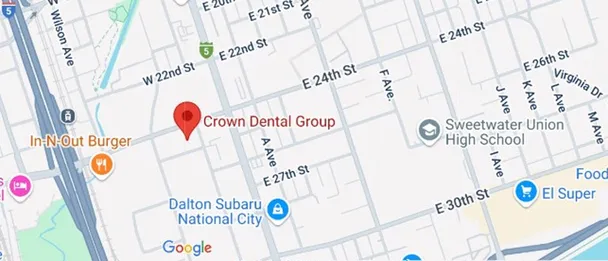
At Crown Dental Group in National City, our dental team can evaluate persistent bad breath and examine the mouth for potential oral sources. Identifying the underlying cause can help you move beyond temporary solutions and develop a more effective approach to maintaining fresh breath.
We serve patients throughout National City and nearby South Bay communities, including Chula Vista, Bonita, and Imperial Beach.
If your breath continues to smell unpleasant even after brushing, schedule an appointment to find out what may be contributing to the problem.
- Crown Dental Group
- 2405 Transportation Ave
- National City, CA 91950
- Phone: (619) 474-6200
- Email: info@crowndentalnc.com
Frequently Asked Questions
1. Why does my breath still smell after brushing?
Brushing cleans many tooth surfaces but does not remove all bacteria and debris from the tongue, between the teeth, around restorations, or other areas. Persistent odor may therefore have another oral source.
2. Can cleaning my tongue improve bad breath?
Yes. Bacteria and debris can accumulate on the tongue’s surface and contribute to odor. Gentle tongue cleaning can help reduce this buildup.
3. Can flossing help with bad breath?
Yes. Flossing or another appropriate interdental cleaning method can remove plaque and food particles from between the teeth, where a toothbrush cannot reach effectively.
4. Why is my breath worse in the morning?
Saliva production generally decreases during sleep, allowing bacteria and debris to accumulate more easily. Morning breath often improves after drinking water and performing your normal oral hygiene routine.
5. Can dry mouth cause bad breath?
Yes. Reduced saliva can allow bacteria and food debris to remain in the mouth longer, potentially contributing to unpleasant breath.
6. Can mouthwash permanently fix bad breath?
Mouthwash may temporarily reduce odor, but it does not necessarily address the underlying cause. Persistent bad breath should be evaluated if it continues despite good oral hygiene.
7. When is bad breath a sign of a dental problem?
Persistent bad breath can be associated with plaque buildup, food debris, dental appliances, tongue bacteria, or other oral conditions. If it continues despite regular oral hygiene, a dental evaluation is appropriate.
8. What should I do if my dentist cannot find the cause?
Most persistent bad breath originates in the mouth, but other health conditions can sometimes contribute. If an oral cause is not identified, your dentist may recommend discussing persistent symptoms with your physician.
Find us here