Why Do Teeth Crack? Understanding Causes, Symptoms, and Treatment
Learn why teeth crack, common symptoms to watch for, treatment options, and how to protect your smile from serious dental damage.

A Tooth Can Crack More Easily Than Most People Realize
Most people think of teeth as incredibly strong structures—and they are.
In fact, tooth enamel is the hardest substance in the human body. Every day, our teeth withstand tremendous pressure from chewing, biting, and grinding food. Despite their strength, however, teeth are not indestructible.
Just like a glass windshield can develop a small crack that spreads over time, teeth can also develop fractures. Some cracks are minor and barely noticeable. Others can lead to severe pain, infection, and even tooth loss if left untreated.
At Crown Dental Group, we regularly help patients identify and treat cracked teeth before they become major problems. Understanding why teeth crack, how to recognize the warning signs, and what treatment options are available can help protect your long-term oral health.
What Is a Cracked Tooth?
A cracked tooth occurs when a fracture develops in the tooth structure.
Cracks can vary significantly in size and severity.
Some affect only the outer enamel layer.
Others extend deep into the tooth and may involve the nerve, root, or supporting structures.
Not all cracks are visible to the naked eye.
In fact, many cracks are microscopic and can only be detected through a professional dental examination.
The challenge is that even small cracks can worsen over time if they are not addressed.
Why Teeth Crack
Most cracked teeth develop due to repeated stress over time rather than a single dramatic event.
Several factors can increase the likelihood of fractures.
Teeth Grinding and Clenching
One of the most common causes of cracked teeth is bruxism, which refers to grinding or clenching the teeth.
Many people grind while sleeping and are completely unaware they are doing it.
Grinding places tremendous pressure on tooth surfaces.
Over months or years, these forces can weaken tooth structure and create small fractures.
Chewing Hard Foods
Certain foods place excessive stress on teeth.
Examples include:
- Ice
- Hard candies
- Popcorn kernels
- Nuts with shells
- Hard pretzels
While a healthy tooth can usually tolerate normal chewing forces, biting down on a particularly hard object can sometimes cause a crack.
Large Fillings
Teeth that contain large fillings may be more susceptible to fractures.
When a significant portion of the natural tooth has been replaced with restorative material, less healthy tooth structure remains to absorb pressure.
This can increase vulnerability to cracking.
Trauma and Accidents
Sports injuries, falls, vehicle accidents, and other forms of trauma can cause teeth to fracture suddenly.
Even if a crack seems small initially, evaluation is important because deeper damage may not be immediately visible.
Temperature Changes
Repeated exposure to extreme temperatures may contribute to stress within the tooth.
For example:
- Drinking hot coffee
- Followed immediately by ice water
can create expansion and contraction within the tooth structure.
While this alone may not cause cracks, it can contribute to existing weaknesses.
Different Types of Tooth Cracks
Not all cracks are the same.
Dentists classify fractures based on their location and severity.
Craze Lines
Craze lines are tiny superficial cracks that affect only the enamel.
They are extremely common.
Many adults develop craze lines naturally over time.
These cracks are typically harmless and often require no treatment.
Fractured Cusps
Cusps are the pointed portions of chewing surfaces.
When a cusp fractures, the damage often occurs around an existing filling.
These fractures may cause discomfort but are generally repairable.
Cracked Tooth
A cracked tooth extends deeper into the structure.
The crack may travel from the chewing surface toward the root.
Treatment depends on how far the fracture extends.
Split Tooth
A split tooth occurs when a crack progresses to the point where the tooth separates into distinct segments.
These cases are often more challenging to treat.
Vertical Root Fractures
These fractures begin near the root and extend upward.
Because symptoms are often subtle, diagnosis can be difficult.
Unfortunately, vertical root fractures frequently require extraction.
Common Symptoms of a Cracked Tooth
Cracked teeth can produce a wide range of symptoms.
In some cases, patients experience significant discomfort.
In others, symptoms are intermittent and difficult to identify.
Pain While Chewing
One of the most common warning signs is pain when biting down.
Patients may notice discomfort that occurs only when pressure is applied to the tooth.
Sensitivity to Temperature
Hot and cold foods may trigger discomfort.
The pain may be sharp and sudden.
Sensitivity to Sweet Foods
Certain cracks allow stimuli to reach sensitive areas inside the tooth.
This can increase sensitivity to sugary foods and beverages.
Intermittent Pain
Cracked teeth often produce symptoms that come and go.
This inconsistency sometimes makes diagnosis more challenging.
Swelling
If bacteria enter the crack and cause infection, swelling may develop around the affected tooth.
Why Cracks Can Be Difficult to Diagnose
Unlike cavities, cracks are not always easy to see.
Many fractures are extremely small.
Patients often struggle to identify which tooth is causing discomfort because symptoms may be vague or inconsistent.
Dentists use several tools to help diagnose cracked teeth.
These may include:
- Visual examination
- Digital radiographs
- Bite testing
- Magnification
- Advanced imaging
Accurate diagnosis is essential because treatment depends on the extent of the damage.
What Happens If a Cracked Tooth Is Ignored?
A crack rarely heals on its own.
Unlike bone, tooth structure cannot regenerate.
If a crack is left untreated, several complications may occur.
Worsening Fracture
Every bite places stress on the tooth.
Over time, the crack may become larger.
Increased Sensitivity
As the fracture deepens, symptoms often become more noticeable.
Infection
Bacteria may enter the inner portions of the tooth.
This can lead to pulp inflammation or infection.
Root Canal Therapy
If the nerve becomes affected, root canal treatment may become necessary.
Tooth Loss
Severe fractures may eventually make the tooth non-restorable.
This can lead to extraction.
Early intervention often provides the best opportunity to save the tooth.
Treatment Options for Cracked Teeth
Treatment depends on the severity and location of the fracture.
Monitoring
Minor craze lines may simply be observed.
No treatment is required unless symptoms develop.
Dental Bonding
Small cosmetic cracks may sometimes be repaired using tooth-colored bonding materials.
Dental Crowns
Crowns are one of the most common treatments for cracked teeth.
A crown surrounds the tooth and helps prevent the fracture from worsening.
Root Canal Therapy
If the crack affects the pulp, root canal treatment may be necessary before placing a crown.
Extraction
When a crack extends too deeply, saving the tooth may no longer be possible.
In these situations, extraction and tooth replacement options may be discussed.
How Crowns Protect Cracked Teeth
Crowns play an important role in managing many cracked teeth.
By covering the entire tooth, a crown:
- Redistributes biting forces
- Stabilizes weakened structures
- Helps prevent further cracking
- Restores function
Many patients successfully preserve cracked teeth for years with appropriate crown treatment.
Preventing Tooth Cracks
While not all fractures can be prevented, several strategies can reduce risk.
Wear a Night Guard
Patients who grind or clench their teeth may benefit from a custom night guard.
Night guards help absorb forces that would otherwise stress teeth.
Avoid Chewing Hard Objects
Ice, pens, fingernails, and hard candies can increase fracture risk.
Maintain Regular Dental Visits
Routine examinations allow dentists to identify weakened teeth before serious problems develop.
Address Existing Dental Problems
Treating cavities and replacing failing restorations helps preserve tooth strength.
Frequently Asked Questions
Can a cracked tooth heal naturally?
No. Tooth structure does not regenerate once a crack forms.
Is a cracked tooth always painful?
No. Some cracks produce no symptoms initially.
How do dentists diagnose cracks?
Diagnosis may involve examinations, imaging, bite tests, and other evaluation techniques.
Can a crown fix a cracked tooth?
Many cracked teeth can be successfully treated and protected with crowns.
Do all cracked teeth require root canals?
No. Root canal therapy is only necessary if the pulp becomes affected.
Is it safe to ignore a small crack?
Even small cracks can worsen over time and should be evaluated.
Can grinding cause tooth fractures?
Yes. Chronic grinding is one of the most common causes of cracked teeth.
What should I do if I think my tooth is cracked?
Schedule a dental examination promptly to determine the extent of the damage.
Early Treatment Can Make All the Difference
Cracked teeth are more common than many people realize. Whether caused by grinding, chewing hard foods, trauma, or years of wear, fractures can compromise both comfort and oral health.
The good news is that many cracked teeth can be successfully treated when identified early. Understanding the warning signs and seeking prompt evaluation can help prevent more serious complications such as infection, root canal therapy, or tooth loss.
At Crown Dental Group, we are committed to helping patients protect their natural teeth through early diagnosis, preventive care, and personalized treatment solutions. If you suspect a cracked tooth, addressing it sooner rather than later can make all the difference in preserving your smile.
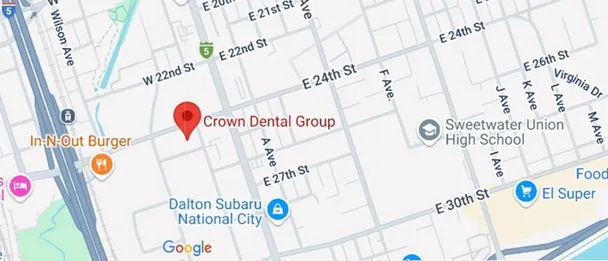
Find us here