Why Do Teeth Become Sensitive? Understanding the Causes and Solutions
Learn why teeth become sensitive and discover treatment options that can help relieve discomfort and protect your smile.
Sharp Pain When Eating or Drinking?
Tooth sensitivity is one of the most common complaints dentists hear.
For some patients, it occurs when drinking cold water. Others experience discomfort when eating ice cream, drinking coffee, or even breathing in cold air.
The good news is that sensitivity is usually treatable once the underlying cause is identified.
Understanding Tooth Structure
Your teeth have multiple layers.
Enamel
The hard outer protective layer.
Dentin
The layer beneath enamel contains microscopic tubules that connect to the tooth’s nerve.
When dentin becomes exposed, temperature changes can trigger pain signals.
Common Causes of Sensitivity
Enamel Wear
Years of chewing, grinding, or acidic foods can gradually thin enamel.
Gum Recession
As gums recede, sensitive root surfaces become exposed.
Cavities
Decay can create pathways that allow stimuli to reach the nerve.
Cracked Teeth
Small fractures can increase sensitivity.
Teeth Whitening
Temporary sensitivity is a common side effect.
Treatment Options
Depending on the cause, solutions may include:
- Desensitizing toothpaste
- Fluoride treatments
- Dental bonding
- Night guards
- Restorative treatment
When to See a Dentist
If sensitivity:
- Persists
- Worsens
- Occurs suddenly
A professional evaluation is recommended.
Don’t Ignore Sensitive Teeth
Sensitivity is often your body’s way of signaling that something requires attention.
Early diagnosis can prevent more significant problems later.
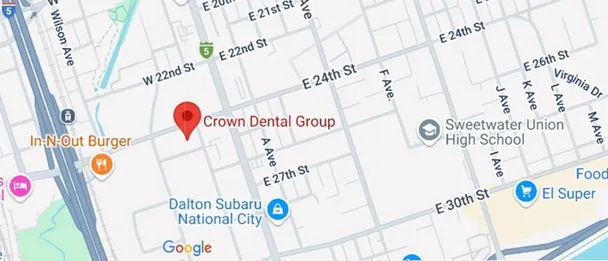
Find us here