Why Do Some People Get Cavities More Easily Than Others?
Learn why some people are more prone to cavities than others, the factors that increase tooth decay risk, and how you can better protect your smile.
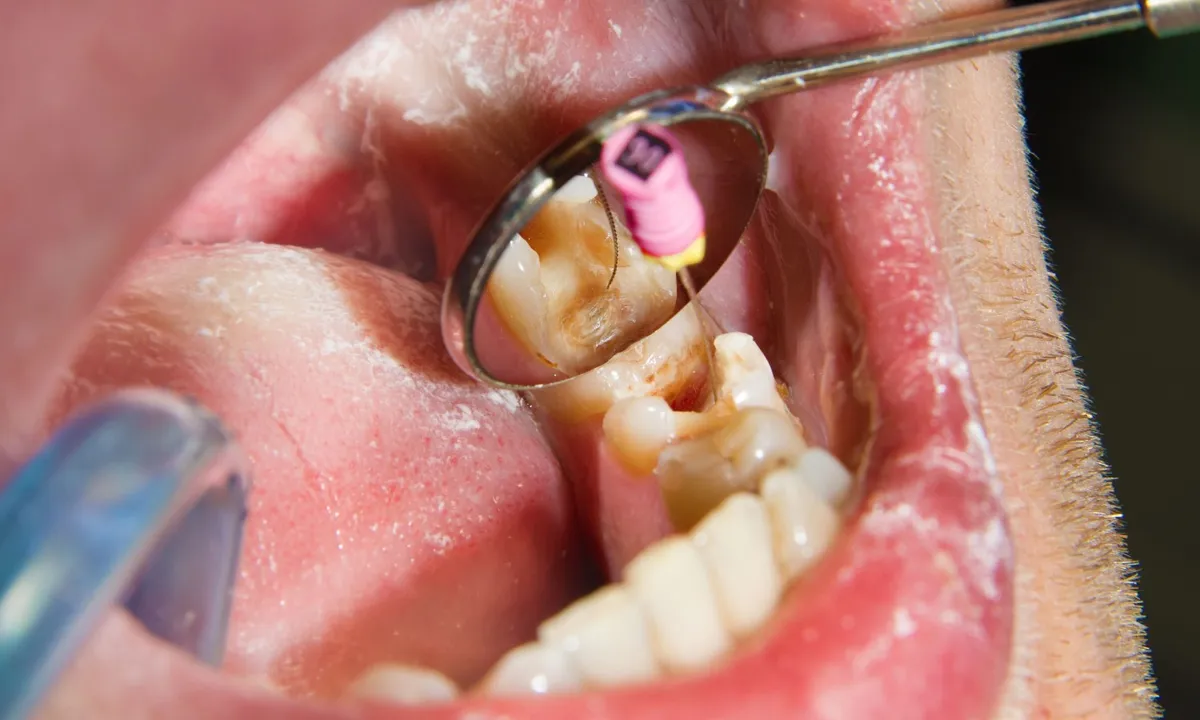
“I Brush Every Day—So Why Do I Keep Getting Cavities?”
It’s one of the most common questions dentists hear.
Two people can have very similar brushing habits, eat similar foods, and visit the dentist regularly, yet one rarely gets a cavity while the other seems to develop one every year.
Is it simply bad luck?
Not exactly.
Tooth decay is much more complex than most people realize. Cavities don’t develop because someone forgot to brush once or enjoyed dessert after dinner. Instead, they’re the result of multiple factors working together over time.
Your oral bacteria, diet, saliva, genetics, daily habits, and even certain medical conditions all play a role in determining your risk of developing cavities.
At Crown Dental Group, we believe that understanding why cavities develop is one of the best ways to prevent them. Once you know your personal risk factors, you can take steps to protect your teeth before decay begins.
What Exactly Is a Cavity?
A cavity is a permanently damaged area of a tooth caused by acid-producing bacteria.
These bacteria naturally live inside everyone’s mouth.
After eating foods that contain carbohydrates or sugars, bacteria feed on leftover food particles.
As they digest these sugars, they produce acids.
These acids gradually dissolve minerals from the outer enamel.
If this cycle continues repeatedly, the enamel weakens until a small hole forms.
That hole is what we call a cavity.
Cavities Don’t Form Overnight
One of the biggest misconceptions about tooth decay is that it happens suddenly.
In reality, cavities usually develop slowly.
The process often follows several stages.
Stage One: Plaque Formation
A sticky layer called plaque forms on the teeth.
Plaque contains:
- Bacteria
- Saliva
- Food particles
If plaque isn’t removed through brushing and flossing, bacteria continue multiplying.
Stage Two: Acid Attack
Each time sugary or starchy foods are consumed, plaque bacteria produce acids.
These acid attacks can last for approximately 20 to 30 minutes after eating.
Frequent snacking means your teeth spend much of the day under repeated acid attacks.
Stage Three: Enamel Demineralization
The acids remove important minerals such as calcium and phosphate from enamel.
Initially, this damage may appear as a chalky white spot.
At this stage, the process may still be reversible.
Stage Four: Cavity Formation
If mineral loss continues, enamel eventually breaks down completely.
Once a hole develops, professional dental treatment is necessary.
Why Do Some People Get More Cavities Than Others?
Every person’s mouth is different.
Several factors influence cavity risk.
Often, it’s a combination of multiple factors rather than a single cause.
Factor #1: Your Oral Bacteria
Everyone has bacteria inside their mouth.
However, the types and numbers of bacteria vary from person to person.
Some bacteria produce more acid than others.
Individuals with larger populations of cavity-causing bacteria often have a greater risk of tooth decay.
Good oral hygiene helps reduce harmful bacterial buildup.
Factor #2: Saliva Plays a Bigger Role Than You Think
Saliva is one of your body’s most important natural defenses against cavities.
It helps:
- Wash away food particles
- Neutralize acids
- Deliver minerals back to enamel
- Reduce bacterial growth
People who produce less saliva often experience a higher rate of tooth decay.
What Causes Dry Mouth?
Dry mouth may result from:
- Prescription medications
- Diabetes
- Autoimmune conditions
- Radiation therapy
- Mouth breathing
- Dehydration
When saliva decreases, cavity risk often increases significantly.
Factor #3: Diet
Sugar receives most of the attention, but frequency often matters more than quantity.
Imagine eating one cookie after lunch.
Now compare that to eating small candies every hour throughout the day.
The second scenario exposes teeth to repeated acid attacks.
Foods commonly associated with cavities include:
- Candy
- Soda
- Sweetened coffee
- Sports drinks
- Sticky snacks
- Crackers
- Chips
Even seemingly healthy foods like dried fruit can cling to teeth for extended periods.
Factor #4: Snacking Throughout the Day
Every snack restarts the acid production process.
When people snack constantly, saliva has little opportunity to repair early enamel damage.
Allowing time between meals helps your mouth recover naturally.
Factor #5: Tooth Shape
Not everyone’s teeth have the same anatomy.
Some molars contain:
- Deep grooves
- Narrow pits
- Complex chewing surfaces
These areas trap food and bacteria more easily.
Patients with deeper grooves may develop cavities despite brushing carefully.
Dental sealants may be recommended for additional protection.
Factor #6: Genetics
Genetics alone don’t determine whether you’ll get cavities.
However, inherited traits may influence:
- Tooth shape
- Enamel quality
- Saliva composition
- Immune response
If multiple family members have experienced frequent cavities, genetics may contribute to increased risk.
Healthy habits can still make a significant difference.
Factor #7: Brushing Technique
Brushing twice a day is important.
However, technique matters just as much.
Common mistakes include:
- Brushing too quickly
- Missing back teeth
- Using worn toothbrushes
- Skipping the gumline
- Applying excessive pressure
Effective brushing requires consistency and proper technique.
Factor #8: Flossing Habits
Nearly 40% of each tooth surface lies between the teeth.
Your toothbrush simply cannot clean these areas effectively.
Without flossing, plaque continues accumulating where cavities commonly develop.
Daily flossing significantly reduces this risk.
Factor #9: Existing Dental Work
Older fillings and crowns sometimes develop small gaps over time.
These tiny openings allow bacteria to enter beneath restorations.
Regular dental examinations help detect these problems before significant decay develops.
Factor #10: Medical Conditions
Certain health conditions increase cavity risk.
Examples include:
- Diabetes
- Acid reflux
- Eating disorders
- Sjögren’s syndrome
These conditions may alter saliva production or expose teeth to increased acid.
Managing overall health contributes to better oral health.
Can Cavities Be Prevented?
The encouraging news is that most cavities are preventable.
Preventive dentistry focuses on reducing risk before permanent damage occurs.
Healthy habits include:
Brush Twice Daily
Use fluoride toothpaste and brush for at least two minutes.
Floss Every Day
Remove plaque from between teeth.
Drink Water Frequently
Water helps rinse away food particles and supports saliva production.
Limit Sugary Snacks
Reducing the frequency of sugar exposure lowers cavity risk.
Visit Your Dentist Regularly
Routine examinations allow early detection of small problems before they become larger ones.
Consider Fluoride Treatments
Professional fluoride applications help strengthen enamel.
Dental Sealants
Sealants protect deep grooves in back teeth where cavities commonly begin.
Why Early Detection Matters
Small cavities are often painless.
By the time discomfort develops, decay may already be extensive.
Routine dental visits allow dentists to identify:
- Early enamel changes
- Small cavities
- Failing fillings
- Areas requiring closer monitoring
Treating decay early often means smaller restorations and greater preservation of natural tooth structure.
Common Myths About Cavities
Myth: Sugar Alone Causes Cavities
Sugar feeds bacteria, but bacteria, acid, time, and oral hygiene all contribute.
Myth: Adults Don’t Get Cavities
People of all ages remain susceptible to tooth decay.
Myth: If My Tooth Doesn’t Hurt, It’s Healthy
Many cavities produce no symptoms until they become advanced.
Myth: Brushing Hard Prevents Cavities
Proper technique is more effective than aggressive brushing.
Frequently Asked Questions
Why do I keep getting cavities even though I brush every day?
Factors such as saliva, diet, genetics, and oral bacteria may increase your risk despite good brushing habits.
Can cavities heal on their own?
Early enamel demineralization may sometimes be reversed, but once a true cavity forms, professional treatment is needed.
Does drinking water help prevent cavities?
Yes. Water helps remove food particles, dilute acids, and support saliva production.
Are some people naturally more prone to cavities?
Yes. Genetics, tooth anatomy, saliva, and bacteria all influence cavity risk.
How often should I see the dentist?
Your dentist will recommend an examination schedule based on your individual oral health needs.
Can dry mouth increase cavity risk?
Absolutely. Saliva is one of the mouth’s most important natural defenses against decay.
Are children more likely to get cavities?
Children are often at higher risk because developing brushing habits and dietary choices may increase plaque buildup.
What’s the best way to prevent cavities?
Consistent brushing, flossing, healthy eating, fluoride use, and regular professional dental care remain the most effective preventive strategies.
Understanding Your Risk Is the First Step Toward Prevention
Cavities are not simply the result of eating too much sugar or forgetting to brush once in a while. They develop through a combination of bacteria, diet, saliva, genetics, oral hygiene habits, and overall health. That’s why some people are naturally more prone to tooth decay than others.
The good news is that understanding these risk factors allows you to take control of your oral health. Small changes—such as improving brushing technique, reducing frequent snacking, staying hydrated, and maintaining regular dental visits—can significantly lower your risk of developing cavities.
At Crown Dental Group, our goal is not just to treat cavities but to help prevent them before they begin. Through preventive care, personalized recommendations, and routine examinations, we help patients keep their natural teeth healthy for a lifetime.
A healthy smile isn’t built by chance—it’s built by understanding how to protect it every day.
Find us here