Why Do My Teeth Stain? Common Causes of Tooth Discoloration and How to Prevent It
Learn why teeth stain, from coffee and tobacco to aging and enamel changes, plus practical ways to prevent and manage tooth discoloration.
A bright smile can change gradually without you noticing. One day your teeth look the same as always, and months later they appear more yellow, brown, gray, or uneven in color. Tooth discoloration is extremely common, and it does not always mean that something is wrong with your oral health.
Teeth can become darker because of foods and drinks, tobacco exposure, changes in enamel, aging, certain medications, dental injuries, or changes that occur while teeth are developing. Some discoloration develops on the outside surface of the tooth, while other types occur within the tooth itself.
Understanding the cause matters because different types of stains respond differently to cleaning and whitening treatments. Here is what can cause tooth discoloration and what you can do to help keep your smile looking healthy.
What Causes Teeth to Stain?
Tooth discoloration generally falls into two broad categories: extrinsic stains and intrinsic discoloration.
Extrinsic Tooth Stains
Extrinsic stains develop on the outer surface of the teeth. Pigments from foods, beverages, tobacco, and other substances can attach to plaque and the enamel surface.
Common sources include:
- Coffee
- Tea
- Red wine
- Dark-colored sauces
- Berries
- Cola and other dark beverages
- Tobacco products
- Certain foods with strong pigments
These stains can become more noticeable when plaque and tartar accumulate on the teeth. Regular brushing and professional dental cleanings can help remove surface buildup.
Intrinsic Tooth Discoloration
Intrinsic discoloration occurs within the tooth structure. It can be more difficult to remove because the color is not simply sitting on the enamel surface.
Possible causes include:
- Natural aging
- Changes in dentin color
- Certain medications taken during tooth development
- Dental trauma
- Excessive fluoride exposure during tooth development
- Changes in the internal structure of a tooth
- Some developmental conditions
Intrinsic discoloration may appear yellow, gray, brown, or even bluish depending on the underlying cause.
Coffee and Tea Can Gradually Darken Your Teeth
Coffee and tea are among the most common causes of everyday tooth staining.
Both beverages contain compounds that can contribute to discoloration, particularly when consumed frequently. The effect can become more noticeable over time because repeated exposure allows pigments to accumulate on the tooth surface.
You do not necessarily have to eliminate coffee or tea to reduce staining. Practical habits can help, such as drinking water afterward, maintaining consistent oral hygiene, and keeping up with professional cleanings.
For beverages consumed cold, using a straw can also reduce direct contact with the front surfaces of the teeth.
Tobacco Is a Major Contributor to Tooth Discoloration
Tobacco can cause significant tooth staining. Nicotine and other substances associated with tobacco use can contribute to yellow or brown discoloration over time.
Tobacco use can also affect the health of the gums and increase the risk of several oral health problems. If you use tobacco and notice persistent staining, a dental examination can help determine whether the discoloration is primarily surface staining or something deeper.
Reducing or stopping tobacco exposure is beneficial not only for appearance but also for overall oral health.
Aging Can Naturally Change the Color of Your Teeth
Teeth do not necessarily remain the same color throughout adulthood.
Your enamel becomes thinner over many years due to normal wear and exposure to acids. Underneath the enamel is dentin, which naturally has a more yellowish color. As enamel becomes less thick or less translucent, the underlying dentin can become more noticeable.
This means that teeth may appear more yellow with age even when you maintain good oral hygiene.
This type of color change is different from simply having surface stains. A professional examination can help determine whether the discoloration is caused primarily by external staining, natural tooth changes, or a combination of factors.
Acidic Foods and Drinks Can Affect Tooth Appearance
Acidic foods and beverages can contribute to enamel erosion over time. Common examples include:
- Citrus fruits and juices
- Soda
- Sports drinks
- Energy drinks
- Vinegar-based foods
- Some flavored beverages
Enamel erosion does not necessarily cause immediate discoloration. However, as enamel becomes thinner, the naturally darker dentin underneath may become more visible.
Acid exposure can also make teeth more vulnerable to sensitivity and other forms of wear.
You can reduce unnecessary acid exposure by limiting frequent sipping of acidic drinks, choosing water more often, and rinsing your mouth with water after consuming acidic foods or beverages.
Some Tooth Discoloration Is Not Caused by Staining
Not every dark or discolored tooth has a stain.
A single tooth that becomes noticeably darker than the teeth around it can sometimes indicate a change inside the tooth. Dental trauma, previous treatment, or changes affecting the pulp can alter the color of an individual tooth.
Similarly, white or brown spots may be associated with changes that occurred while the tooth was developing rather than something recently consumed.
That is why sudden, unusual, or localized discoloration deserves professional evaluation rather than automatically being treated as a cosmetic stain.
Why Whitening Does Not Remove Every Type of Discoloration
One of the most important things to understand about tooth discoloration is that not every type responds equally to whitening.
Whitening treatments are designed primarily to change the appearance of certain types of tooth discoloration. Surface stains may also improve after professional cleaning.
However, discoloration caused by developmental changes, certain medications, trauma, or deeper changes within the tooth may not respond in the same way.
Depending on the cause, a dentist may discuss other cosmetic or restorative options, such as bonding, veneers, or crowns.
The appropriate treatment depends on the condition of the tooth, the location and cause of the discoloration, and your overall oral health.
How to Prevent Tooth Staining
You cannot completely prevent natural changes in tooth color, but you can reduce many common sources of staining.
1. Brush Consistently
Brush twice a day using fluoride toothpaste. Proper brushing helps remove plaque and surface deposits before they have more opportunity to accumulate.
2. Clean Between Your Teeth
Flossing or using another appropriate interdental cleaning method removes plaque and debris from areas your toothbrush cannot reach.
3. Drink Water After Staining Foods and Drinks
Water can help rinse away food particles and pigments after coffee, tea, wine, or strongly colored foods.
4. Avoid Frequent Sipping
Constantly sipping coffee, soda, tea, or acidic beverages throughout the day increases the frequency of exposure. Consuming them within a shorter period rather than repeatedly throughout the day can reduce repeated contact.
5. Keep Regular Dental Appointments
Professional cleanings can remove plaque, tartar, and some external stains that cannot be removed effectively through normal brushing.
Regular dental examinations also give your dentist an opportunity to identify unusual discoloration early.
6. Do Not Use Abrasive DIY Whitening Methods
Aggressive scrubbing or unproven whitening methods can damage enamel or irritate the gums. A brighter smile should not come at the expense of healthy tooth structure.
When Should You Have Discolored Teeth Examined?
Make a dental appointment if you notice:
- A tooth suddenly becoming darker
- One tooth changing color significantly compared with the others
- Persistent brown or black discoloration
- White or brown spots that are new or changing
- Discoloration accompanied by pain or sensitivity
- Staining that does not improve with normal oral hygiene
- Changes in tooth color following an injury
An examination can help determine whether you are dealing with surface staining, enamel changes, decay, trauma-related discoloration, or another underlying issue.
Protect Your Smile at Crown Dental Group
Tooth discoloration has many possible causes, and identifying the cause is the first step toward choosing an appropriate solution. Coffee and tea stains may require a different approach than discoloration caused by aging, enamel changes, trauma, or developmental factors.
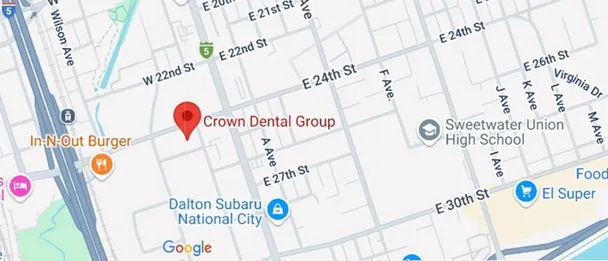
At Crown Dental Group in National City, our team can evaluate changes in tooth color and discuss appropriate preventive, cosmetic, or restorative options based on your individual needs. Our practice serves patients in National City and nearby South Bay communities, including Chula Vista, Bonita, and Imperial Beach.
If you have noticed that your teeth are becoming darker, unevenly colored, or stained, schedule an appointment to determine what may be causing the change.
- Crown Dental Group
- 2405 Transportation Ave
- National City, CA 91950
- Phone: (619) 474-6200
- Email: info@crowndentalnc.com
Frequently Asked Questions
1. Why are my teeth turning yellow even though I brush every day?
Yellowing can have several causes. Natural dentin becomes more visible as enamel changes with age, while coffee, tea, tobacco, and other substances can create surface stains. Good brushing helps control plaque but cannot prevent every type of tooth discoloration.
2. Does coffee permanently stain teeth?
Frequent coffee consumption can contribute to surface staining over time. Professional cleaning may remove some external discoloration, while other changes may require additional cosmetic treatment.
3. Can a dental cleaning remove yellow teeth?
A professional cleaning can remove plaque, tartar, and some surface stains. However, it cannot reverse every type of discoloration, particularly when the color change originates within the tooth.
4. Why is only one of my teeth getting darker?
A single darkened tooth can have several possible causes, including previous trauma or changes within the tooth. Because localized discoloration can sometimes indicate an underlying dental problem, it is worth having the tooth examined.
5. Can tooth discoloration be prevented?
Some causes can be reduced by limiting tobacco exposure, moderating staining foods and drinks, drinking water after meals, maintaining good oral hygiene, and attending regular dental appointments. Natural age-related color changes cannot always be prevented.
6. Are brown spots on teeth always stains?
No. Brown spots can result from surface staining, but they can also be associated with tooth decay, enamel changes, or developmental conditions. A dental examination is needed to determine the cause.
7. Why do my teeth look more yellow as I get older?
Enamel naturally changes with age, while the dentin underneath has a naturally yellowish color. As the enamel becomes thinner or less translucent, the underlying dentin can become more visible.
8. What should I do if my teeth suddenly change color?
Schedule a dental examination, particularly if the change affects one tooth or occurs with pain, sensitivity, or other symptoms. Your dentist can determine whether the change is cosmetic or related to an underlying dental condition.
Find us here