Why Do My Teeth Shift as I Get Older? Understanding Adult Tooth Movement
Learn why teeth shift with age, including bone changes, tooth loss, gum disease, clenching, and natural tooth movement, plus ways to protect alignment.
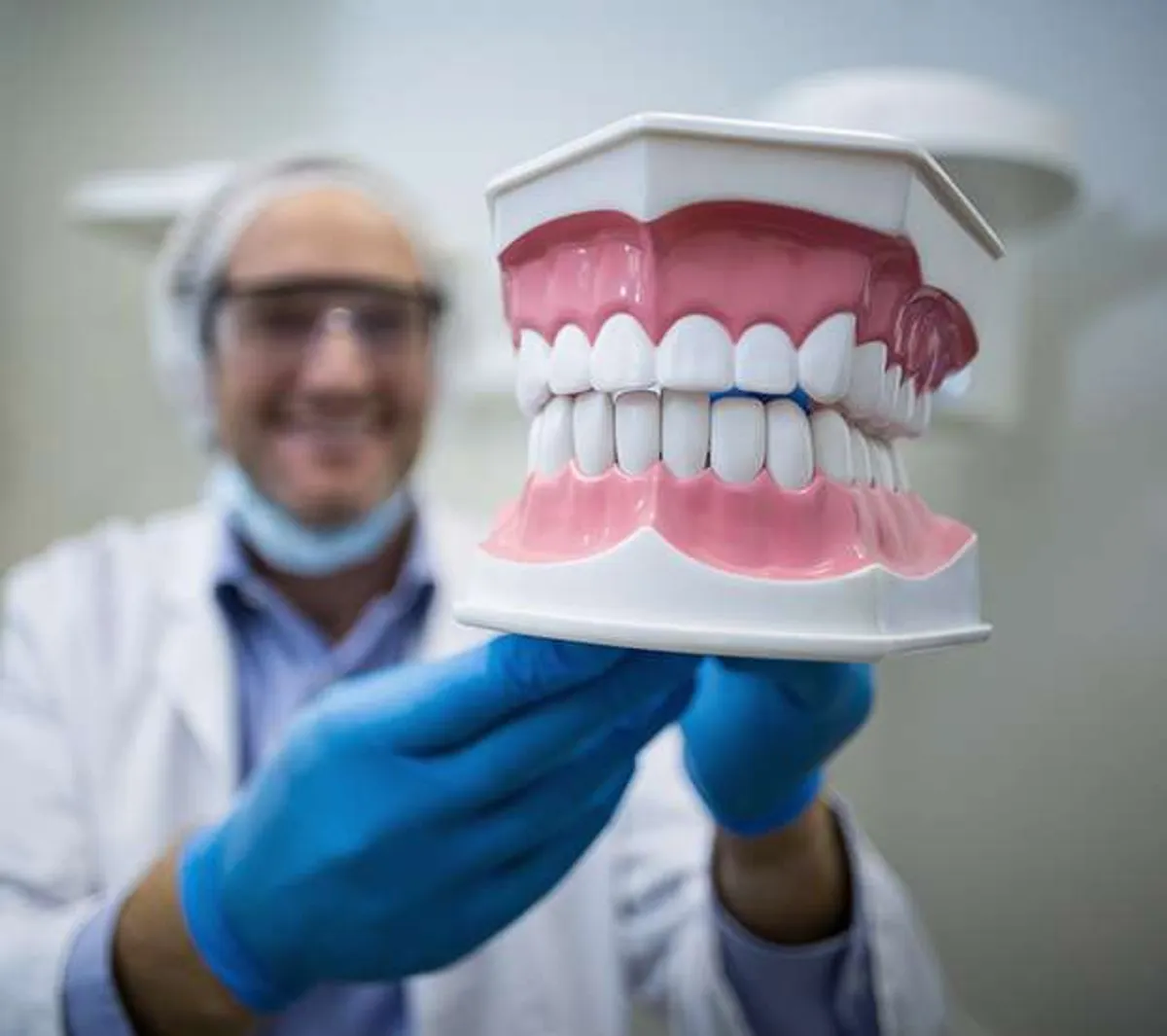
Many people assume that once permanent teeth are fully developed, their position will stay exactly the same for the rest of their lives. In reality, teeth are not permanently fixed in place. They are supported by bone, periodontal tissues, and surrounding structures that can change throughout adulthood.
You may notice that your lower front teeth look more crowded than they did years ago, a gap has appeared between two teeth, or your bite feels slightly different. These changes can happen gradually and may be difficult to notice until the difference becomes obvious.
Adult tooth movement can have several causes. Some are part of normal changes over time, while others may signal tooth loss, periodontal problems, excessive forces, or another dental concern.
Understanding why teeth shift can help you recognize changes early and protect your alignment.
Are Teeth Supposed to Move?
Yes. Teeth have a small amount of natural mobility because they are not fused directly to the jawbone.
Each tooth is connected to the surrounding bone through the periodontal ligament, a specialized tissue that contains fibers, blood vessels, and nerves. This ligament helps support the tooth while also allowing very small amounts of movement.
The tissues around your teeth constantly respond to mechanical forces. This is one of the reasons orthodontic treatment works. Controlled pressure can stimulate changes in the bone surrounding a tooth, allowing its position to gradually change.
Even without braces or Invisalign, subtle forces can influence tooth position over time.
Why Do Adult Teeth Become More Crowded?
One common pattern of adult tooth movement is increasing crowding of the lower front teeth.
As people age, the teeth can gradually change position in response to forces from neighboring teeth, the surrounding tissues, and normal functional activity. This process is sometimes referred to as mesial drift, where teeth tend to move slightly toward the front of the dental arch.
The changes are usually gradual rather than sudden. A person may not notice anything for years and then realize that the lower front teeth appear more overlapped than they once did.
Age alone is not necessarily the only explanation. Other factors can contribute to noticeable movement.
Tooth Loss Can Cause Surrounding Teeth to Shift
Losing a tooth can change the arrangement of the surrounding teeth.
When a tooth is missing, neighboring teeth may gradually tip or move toward the empty space. The opposing tooth may also move farther into the space from the opposite arch.
This can affect the way the remaining teeth contact one another and can make cleaning certain areas more difficult.
Replacing a missing tooth with an appropriate restoration can help restore the space and function of the dental arch. Depending on the situation, treatment may include an implant, bridge, or denture.
Changes in the Jawbone Can Affect Tooth Position
The bone surrounding your teeth is living tissue. It continuously undergoes remodeling in response to normal physiological processes and mechanical forces.
When periodontal disease causes loss of the supporting bone and tissues around teeth, the affected teeth may become more mobile and can change position.
This is different from normal age-related movement. Significant shifting, widening spaces, flaring teeth, or increasing mobility should be evaluated by a dentist because they can be signs of compromised periodontal support.
Gum Disease Can Contribute to Tooth Movement
Healthy gums and supporting tissues help keep teeth stable.
Periodontal disease can damage the tissues and bone that support the teeth. As support decreases, teeth may become loose or migrate from their previous positions.
Possible signs include:
- Increasing spaces between teeth
- Teeth that appear to be moving or spreading apart
- Changes in the way your teeth come together
- Persistent gum inflammation
- Bleeding during brushing or flossing
- Gum tenderness
- Loose teeth
Tooth movement associated with periodontal disease should not simply be treated as an orthodontic problem. The health of the supporting tissues needs to be addressed first.
Clenching and Grinding Can Put Repeated Forces on Teeth
Bruxism refers to repeated clenching or grinding of the teeth. It can occur while awake or during sleep.
Repeated excessive forces can contribute to tooth wear and place additional stress on the structures supporting the teeth. In some patients, these forces may contribute to changes in tooth position or mobility, particularly when other dental problems are present.
Grinding can also cause symptoms such as worn tooth surfaces, chipped teeth, morning jaw discomfort, or increased sensitivity.
If you regularly clench or grind your teeth, your dentist can evaluate the condition and determine whether a night guard or another treatment approach may be appropriate.
Dental Work Can Affect How Teeth Fit Together
Restorations such as crowns, fillings, bridges, and other dental treatments are designed to restore tooth structure and function. However, changes in the shape or contact between teeth can influence how forces are distributed.
If you notice that your teeth feel different after dental treatment, or that a restoration feels too high or interferes with your normal bite, tell your dentist.
A dental evaluation can determine whether an adjustment is appropriate or whether another issue is contributing to the change.
Why Do Gaps Sometimes Appear Between Teeth?
Not all tooth movement involves crowding.
A gap can develop or become more noticeable when teeth change position. Several factors may contribute, including changes in supporting tissues, missing teeth, pressure from neighboring structures, or changes in the surrounding bone.
A new gap should be evaluated if it develops without an obvious explanation, particularly when accompanied by gum changes or tooth mobility.
The location and pattern of the spacing can provide useful information about what may be happening.
Does Tooth Movement Mean You Need Braces Again?
Not necessarily.
Minor changes in tooth position may not require treatment. However, if crowding or spacing is becoming noticeable, an orthodontic evaluation can determine whether treatment would be beneficial.
Adults have several options for improving alignment, including traditional orthodontic appliances and clear aligner therapy such as Invisalign.
The appropriate approach depends on the degree and type of movement, the condition of the teeth and gums, and the patient’s treatment goals.
Before moving teeth orthodontically, the supporting structures should be assessed to make sure the teeth and surrounding tissues are healthy enough for treatment.
Can You Prevent Adult Teeth From Shifting?
You cannot completely prevent natural tooth movement, but you can reduce several factors that contribute to significant changes.
Maintain Good Periodontal Health
Regular brushing, interdental cleaning, and professional dental care help control plaque and support healthy gums.
Replace Missing Teeth When Appropriate
A missing tooth can change the forces and available space within the dental arch. Your dentist can discuss replacement options based on your specific situation.
Address Clenching and Grinding
If you grind or clench your teeth, early evaluation can help reduce excessive forces and prevent additional damage.
Wear Your Retainer as Directed
If you previously completed orthodontic treatment, retainers are an important part of maintaining the corrected tooth positions. Teeth can shift after orthodontic treatment if retention is discontinued.
Your orthodontist or dentist can advise you on how often your retainer should be worn.
Attend Regular Dental Examinations
Routine examinations allow your dentist to compare changes over time. Subtle tooth movement can sometimes be easier to identify through regular monitoring than when you wait until the change becomes significant.
When Should You See a Dentist About Shifting Teeth?
Make an appointment if you notice:
- New or increasing tooth crowding
- A new gap between teeth
- A tooth becoming loose
- Teeth appearing to flare or spread apart
- A noticeable change in how your teeth contact
- Movement following tooth loss
- Tooth movement accompanied by gum bleeding or swelling
- Changes that develop relatively quickly
A dental examination can help determine whether the movement is a normal positional change or whether it is associated with periodontal disease, tooth loss, excessive forces, or another condition.
Protect Your Smile at Crown Dental Group
Adult tooth movement can be subtle, but noticeable changes should not automatically be dismissed as a normal part of getting older. Teeth are supported by living tissues that respond to forces and changes throughout adulthood.
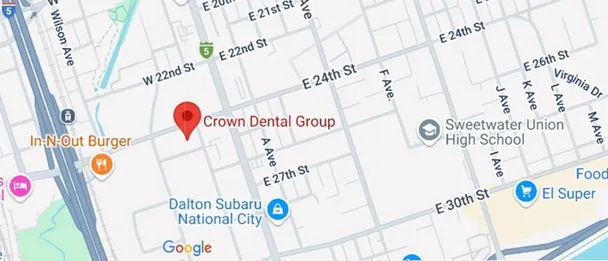
At Crown Dental Group in National City, our team can evaluate changes in tooth position, supporting tissues, and overall oral health. When appropriate, we can discuss preventive, restorative, periodontal, or orthodontic treatment options.
We serve patients throughout National City and nearby South Bay communities, including Chula Vista, Bonita, and Imperial Beach.
If your teeth have recently become more crowded, developed new spaces, or changed position, schedule an examination to find out what may be contributing to the movement.
- Crown Dental Group
- 2405 Transportation Ave
- National City, CA 91950
- Phone: (619) 474-6200
- Email: info@crowndentalnc.com
Frequently Asked Questions
1. Is it normal for teeth to shift as you get older?
Some gradual tooth movement can occur during adulthood. However, noticeable or progressive movement can also be associated with missing teeth, periodontal problems, excessive forces, or other dental conditions.
2. Why are my bottom front teeth becoming crowded?
Lower front teeth can gradually change position over time. Natural tooth movement, forces from neighboring teeth, changes in supporting tissues, and previous orthodontic treatment can all play a role.
3. Can missing teeth cause other teeth to move?
Yes. Neighboring teeth can gradually move or tip toward an empty space, while the opposing tooth may also change position. Replacing a missing tooth may help restore the space and function of the dental arch.
4. Can gum disease make teeth move?
Yes. Periodontal disease can damage the bone and tissues supporting the teeth. As support decreases, teeth may become mobile and change position.
5. Can teeth shift after Invisalign or braces?
Yes. Teeth can move after orthodontic treatment. This is why retainers are generally prescribed to help maintain the corrected positions.
6. Does teeth shifting always mean I need braces?
No. Minor movement may not require orthodontic treatment. An evaluation can determine whether the movement is stable, related to another dental condition, or significant enough to consider alignment treatment.
7. Why did a gap suddenly appear between my teeth?
A new gap can have several possible causes, including changes in tooth position, periodontal support, or the loss or movement of a neighboring tooth. A new unexplained space should be evaluated by a dentist.
8. When should I worry about shifting teeth?
Contact your dentist if movement is progressive, occurs relatively quickly, or is accompanied by loose teeth, gum bleeding, swelling, discomfort, or a significant change in how your teeth come together.
Find us here