Why Do My Teeth Look Transparent? Causes of Translucent Teeth and Enamel Wear
Learn why teeth can look transparent or see-through, what causes translucent enamel, signs of enamel wear, and how dentists can protect your teeth.
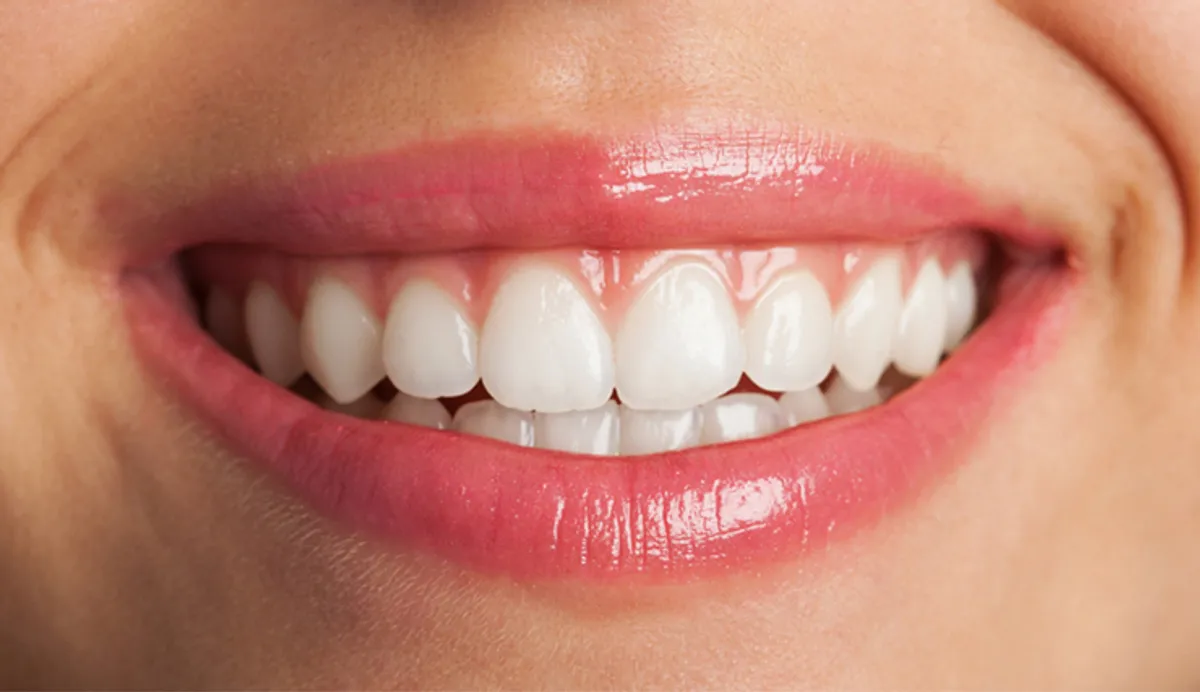
Have you noticed that the edges of your front teeth look slightly transparent or almost see-through when you look in the mirror?
A small amount of translucency can be a normal characteristic of healthy teeth. However, if your teeth have recently become more transparent, appear thinner, or seem increasingly translucent around the edges, it may indicate changes in the enamel.
Enamel wear can occur for several reasons, including repeated exposure to acids, mechanical forces, dietary habits, and certain oral conditions. Because enamel does not regenerate once it is permanently lost, understanding what may be causing the change is important.
The good news is that early identification can help you take steps to protect the enamel you still have and prevent unnecessary further wear.
Why Are Some Teeth Naturally Translucent?
To understand transparent-looking teeth, it helps to understand the structure of enamel.
Enamel is the hard outer layer that protects the crown of each tooth. Although enamel appears white, it is naturally somewhat translucent.
The edges of front teeth can appear particularly transparent because the enamel is thinner in these areas and there is less underlying dentin to influence the overall color.
Therefore, slight translucency at the edges of healthy teeth is not automatically a sign of damage.
The concern arises when translucency becomes more pronounced, spreads, or appears alongside other changes such as thinning, roughness, sensitivity, or changes in tooth shape.
What Causes Teeth to Look More Transparent?
Several factors can make teeth appear increasingly translucent.
1. Enamel Erosion
One of the most common reasons for increased translucency is enamel erosion.
Enamel can gradually lose minerals when it is repeatedly exposed to acids. Unlike tooth decay, which is primarily associated with bacterial activity, erosion involves chemical wear from acids.
Sources can include:
- Soda
- Sports drinks
- Energy drinks
- Fruit juices
- Citrus fruits
- Vinegar-based foods
- Acidic supplements or beverages
Frequent exposure can soften the enamel surface and contribute to gradual thinning.
As the enamel becomes thinner, the underlying dentin may influence the color of the tooth differently, while the edges may become more visibly transparent.
2. Frequent Acid Exposure
The total amount of acid exposure is not the only consideration. How often your teeth are exposed to acid matters too.
For example, slowly sipping an acidic drink over several hours exposes your teeth to repeated periods of low oral pH.
The mouth naturally works to restore its normal environment through saliva, but frequent acid exposure can give the enamel less opportunity to recover.
Reducing the frequency of acidic drinks and avoiding prolonged sipping can help minimize this exposure.
3. Acid Reflux
Stomach acid can also contribute to enamel erosion.
Conditions involving frequent acid reflux or vomiting can expose the teeth to gastric acid, which is considerably stronger than many dietary acids.
If you regularly experience reflux and notice changes in your teeth, mention both issues to your dental professional and healthcare provider.
Dental treatment can help manage the effects on your teeth, while addressing the underlying medical condition is important for reducing continued exposure.
4. Mechanical Tooth Wear
Enamel can also be affected by repeated mechanical forces.
Teeth grinding and clenching can create significant pressure and friction. Over time, these forces can contribute to changes in tooth shape and surface wear.
Other habits can also cause unnecessary mechanical stress, such as:
- Chewing ice
- Biting pens
- Opening packages with your teeth
- Biting fingernails
- Chewing other hard objects
These habits can increase the risk of chips, cracks, and wear.
5. Abrasive Brushing
Brushing your teeth is essential for maintaining oral health, but excessive force can contribute to unnecessary wear.
Using a hard-bristled toothbrush or applying too much pressure can be particularly problematic when combined with acid-softened enamel.
The goal is not to scrub the teeth aggressively. A soft-bristled toothbrush and gentle technique can effectively remove plaque while reducing unnecessary abrasion.
Why Are the Edges of Front Teeth Often Transparent?
The cutting edges of the front teeth naturally contain relatively thin enamel.
Light can therefore pass through these areas more readily than through thicker portions of the tooth.
If the teeth have always had slightly translucent edges and there are no other symptoms, this may simply reflect normal tooth anatomy.
However, a noticeable change in transparency can be worth discussing with your dentist, particularly if the edges appear thinner or more irregular than before.
Are Transparent Teeth a Sign of Weak Enamel?
Not necessarily.
Natural enamel translucency does not mean the teeth are weak.
However, increased translucency caused by enamel thinning can indicate that the protective enamel layer has experienced mineral loss or wear.
The cause matters.
A dentist can evaluate whether the appearance is simply your natural enamel structure or whether there are signs of erosion, abrasion, attrition, or another condition.
What Other Signs Can Accompany Enamel Wear?
Increased translucency may occur alongside other changes.
Watch for:
- Thinner-looking tooth edges
- Small chips
- Flattened chewing surfaces
- Increased sensitivity
- Yellowing or darker-looking teeth
- Rough or irregular surfaces
- Changes in tooth shape
- Cracks or fractures
The underlying dentin is naturally more yellow than enamel. When enamel becomes thinner, the teeth can therefore appear more yellow or less uniformly white.
This does not necessarily mean the teeth are becoming dirty. It may reflect changes in the thickness or structure of the enamel.
Can Transparent Teeth Become Opaque Again?
Once enamel has been permanently lost, the body cannot naturally grow a new layer of enamel.
However, early mineral loss is different from irreversible structural loss.
In the early stages of demineralization, fluoride and saliva can support remineralization, which can strengthen areas of enamel that have not been permanently destroyed.
This is why identifying enamel changes early is important.
If substantial enamel has already been lost, treatment focuses on protecting the remaining tooth structure and restoring areas where necessary.
How Does a Dentist Evaluate Transparent Teeth?
Your dentist will first examine the appearance and condition of the teeth.
They may evaluate:
- Enamel thickness
- Tooth shape
- Surface texture
- Signs of erosion
- Signs of grinding
- Existing restorations
- Sensitivity
- Your bite
Your dentist may also ask about your diet, beverages, oral hygiene habits, grinding or clenching, and any history of reflux.
In some cases, dental imaging may be recommended to evaluate other structures or investigate a separate dental concern.
The goal is to determine whether the translucency is a normal characteristic or evidence of a process affecting the enamel.
How Can Enamel Wear Be Treated?
Treatment depends on the severity and cause.
Fluoride Protection
Fluoride can help strengthen enamel and support remineralization of areas affected by early mineral loss.
Your dentist may recommend professional fluoride treatment or specific fluoride products depending on your cavity and enamel health.
Dietary Changes
If acidic foods and beverages are contributing to enamel erosion, reducing their frequency can help limit continued exposure.
Drinking water after acidic foods and beverages can also help clear acids from the mouth.
Addressing Grinding
If tooth grinding or clenching is contributing to wear, your dentist may recommend a custom night guard or other strategies to protect your teeth.
Treating the underlying habit or contributing factors is important because simply repairing worn teeth does not eliminate the forces that caused the damage.
Dental Restorations
When enamel loss is more significant, restorative treatment may be necessary.
Depending on the condition of the tooth, your dentist may consider composite bonding, veneers, crowns, or another appropriate restoration.
The most conservative suitable option should be considered based on the amount of healthy tooth structure remaining.
How Can You Protect Your Enamel?
Once you understand what is contributing to enamel wear, several everyday habits can help protect your teeth.
Choose a Soft-Bristled Toothbrush
Use gentle pressure when brushing.
Your toothbrush should clean the teeth without aggressive scrubbing.
Reduce Frequent Acid Exposure
Limit how often you consume acidic foods and drinks rather than continuously exposing your teeth throughout the day.
Drink Water
Water can help rinse away food particles and acids and supports normal saliva function.
Wait Before Brushing After Acidic Foods
After significant acid exposure, the enamel surface may temporarily be more vulnerable to mechanical abrasion. Waiting before brushing can reduce unnecessary wear.
Do Not Use Your Teeth as Tools
Avoid opening packages, cutting materials, or biting hard objects with your teeth.
Maintain Regular Dental Visits
Routine examinations allow your dentist to monitor changes in tooth structure and identify enamel wear before it becomes more advanced.
When Should You See a Dentist?
Schedule a dental evaluation if you notice a recent change in the appearance of your teeth, particularly if the edges appear increasingly transparent.
You should also seek professional advice if translucency occurs with:
- Tooth sensitivity
- Increased chipping
- Visible thinning
- Rough surfaces
- Changes in tooth shape
- Jaw clenching or grinding
- Frequent acid reflux
Early evaluation can help determine whether the appearance is a normal anatomical characteristic or a sign of enamel wear.
Enamel Evaluation and Restorative Dentistry in National City, CA
If you are concerned about transparent-looking teeth or changes in your enamel, Crown Dental Group provides comprehensive dental care in National City, California.
Our team can evaluate changes in tooth structure and discuss preventive, restorative, or cosmetic options based on your individual needs.
Crown Dental Group offers restorative and cosmetic services, including dental bonding, ceramic crowns, and veneers, when appropriate. Modern dental technology, including digital radiography, digital impressions, and CBCT imaging when clinically appropriate, can also support diagnosis and treatment planning.
Our practice serves patients from National City, Chula Vista, Bonita, Imperial Beach, and surrounding South Bay San Diego communities.
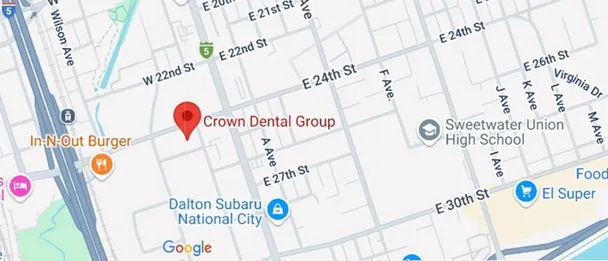
We are located at 2405 Transportation Ave, National City, CA 91950, providing convenient access to comprehensive dental care.
If your teeth appear noticeably thinner or more transparent than they used to, do not wait for significant damage before having them evaluated. Understanding the cause can help you protect your remaining enamel and maintain the health and appearance of your smile.
- Crown Dental Group
- 2405 Transportation Ave
- National City, CA 91950
- Phone: (619) 474-6200
- Email: info@crowndentalnc.com
Frequently Asked Questions About Transparent Teeth
1. Is it normal for teeth to look slightly transparent?
Yes. The edges of front teeth naturally have thinner enamel and can appear somewhat translucent. However, a new or increasingly transparent appearance may warrant a dental evaluation.
2. Why are the edges of my teeth see-through?
The edges of front teeth naturally contain relatively thin enamel. Increased transparency can also occur when enamel becomes thinner due to erosion or other forms of tooth wear.
3. Can enamel grow back?
Enamel cannot regenerate after it has been permanently lost. However, early mineral loss can sometimes be strengthened through remineralization, particularly with saliva and fluoride.
4. Can acidic drinks make teeth transparent?
Frequent exposure to acidic beverages can contribute to enamel erosion. As enamel becomes thinner, the edges of teeth may appear more translucent.
5. Can teeth grinding cause transparent teeth?
Grinding can contribute to mechanical tooth wear and changes in tooth shape. If enamel becomes significantly worn, areas of the teeth may appear different in thickness or translucency.
6. Should I stop brushing if my teeth look transparent?
No. Good oral hygiene remains essential. Instead, use a soft-bristled toothbrush and gentle pressure. Your dentist can recommend an appropriate brushing technique if enamel wear is a concern.
7. Can a dentist fix transparent-looking teeth?
Treatment depends on the cause and severity. Preventive care may be sufficient for early enamel changes, while bonding, veneers, crowns, or other restorative options may be considered for significant structural or cosmetic concerns.
8. When should I have transparent teeth checked?
Have your teeth evaluated if translucency is new, becoming more noticeable, or accompanied by sensitivity, chipping, thinning, roughness, or other changes in tooth appearance.
Find us here