Why Do My Teeth Hurt When I Bite Down? Causes of Pain With Pressure
Find out why a tooth may hurt when you bite down, including cracks, decay, inflammation, dental restorations, and other common causes.
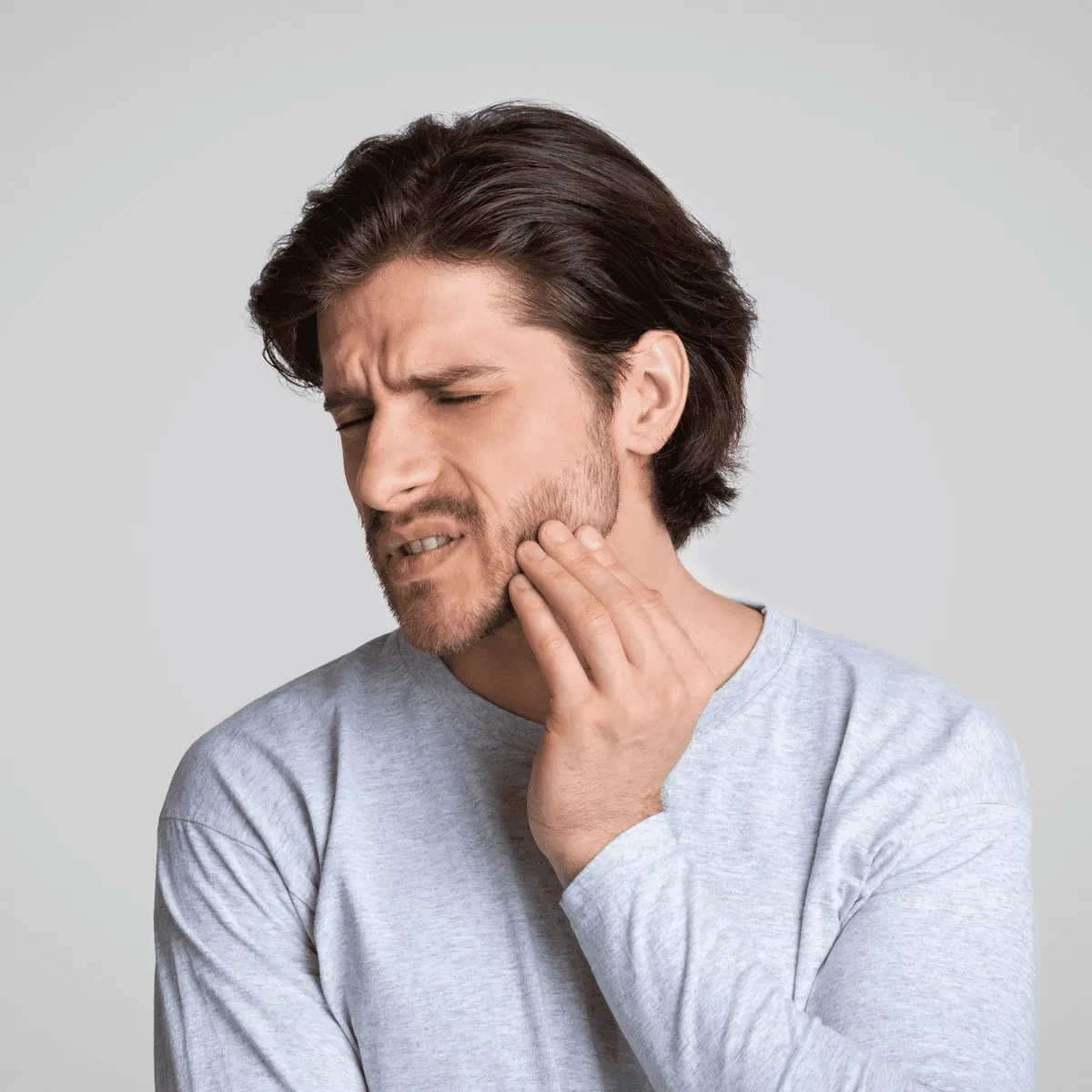
Most people expect tooth pain to happen with hot, cold, or sweet foods. But what if your tooth only hurts when you bite down or chew?
Pain triggered by pressure is a specific symptom that can have several possible causes. Sometimes the discomfort comes from a problem within the tooth itself. In other cases, the tissues surrounding the tooth may be inflamed or the tooth may be experiencing excessive pressure.
You may notice the pain when chewing something hard, biting on one particular side, or releasing your bite after chewing. The sensation can range from mild discomfort to a sharp, sudden pain.
Because different dental conditions can produce similar symptoms, persistent pain when biting should be evaluated rather than ignored.
Why Does a Tooth Hurt When You Bite Down?
A healthy tooth should generally tolerate normal chewing pressure without significant pain.
When biting causes discomfort, something may be affecting the tooth, its supporting tissues, or the way pressure is being distributed.
Possible causes include:
- A cracked tooth
- Tooth decay
- Inflammation around the tooth
- A dental restoration that is interfering with the bite
- Trauma or injury
- Excessive clenching or grinding
- Problems affecting the supporting tissues
- Changes inside the tooth
The location, timing, and character of the pain can help your dentist determine what may be causing it.
A Cracked Tooth Can Cause Pain When Chewing
A crack is one possible reason a tooth hurts under pressure.
When you bite down, pressure can cause the cracked portions of the tooth to move slightly. This can irritate structures within the tooth and produce a sharp or sudden sensation.
Some people notice the pain particularly when they release their bite rather than when they initially bite down.
Cracks can be difficult to identify because they may be extremely small and may not be visible during a casual inspection.
A cracked tooth may also cause intermittent symptoms, meaning the pain does not necessarily occur every time you eat.
If you repeatedly experience sharp pain from one particular tooth while chewing, a dental examination can help determine whether a structural problem is present.
Tooth Decay Can Affect Chewing
Tooth decay can weaken the structure of a tooth.
As decay progresses, the remaining tooth structure may become less capable of handling normal chewing forces. Depending on the location and extent of the damage, biting pressure may cause discomfort.
A tooth affected by decay may also develop other symptoms, including sensitivity to certain foods or drinks, but not every patient experiences obvious symptoms.
Pain during chewing can therefore be an important reason to have a tooth examined, even if you do not see a visible hole or dark spot.
Inflammation Around a Tooth Can Make Biting Uncomfortable
The tissues surrounding the root of a tooth contain structures that help support and sense pressure.
When these tissues become inflamed, normal chewing pressure may feel uncomfortable.
This can happen when inflammation develops around a tooth as a result of problems inside the tooth or other dental conditions.
Patients may describe the sensation as:
- Tenderness when chewing
- A feeling that the tooth is slightly raised
- Discomfort when the teeth come together
- Pain when pressure is applied
- A dull ache after eating
The tooth may look normal from the outside, which makes a professional examination important.
Why Does One Tooth Hurt When You Chew?
If the pain consistently comes from one particular tooth, that detail can be useful to your dentist.
A localized symptom may indicate that the tooth itself or the tissues around it are being affected.
Your dentist may examine:
- The tooth’s visible structure
- Existing restorations
- The surrounding gums
- The way the teeth contact
- The response of the tooth to different tests
- The surrounding bone and tissues through dental imaging when appropriate
Identifying the exact tooth can sometimes be challenging when pain radiates or when several teeth are close together. Your dentist may therefore perform several diagnostic tests before determining the source.
A Dental Filling or Crown Can Sometimes Affect Your Bite
If pain begins after a dental restoration, such as a filling or crown, tell your dentist.
A restoration is designed to restore the shape and function of a tooth. However, if the restored tooth contacts the opposing tooth differently, chewing pressure may feel uncomfortable.
Some patients describe the sensation as though the treated tooth hits first when they close their mouth.
Your dentist can examine the contact points and determine whether the restoration needs an adjustment or whether another issue is responsible for the pain.
Do not assume that discomfort after dental treatment is always caused by the restoration itself. A proper evaluation is necessary to identify the actual source.
Clenching and Grinding Can Increase Pressure on Teeth
Repeated clenching or grinding can expose teeth and surrounding structures to forces beyond ordinary chewing.
If you regularly clench your teeth, a tooth may become more sensitive to pressure, particularly if it already has another structural or dental issue.
Signs that may accompany excessive clenching or grinding include:
- Flattened tooth surfaces
- Chipped edges
- Jaw muscle fatigue
- Morning jaw discomfort
- Tooth tenderness
- Increased wear
Your dentist can evaluate your teeth for patterns that may suggest excessive forces and discuss appropriate protective measures.
An Injured Tooth May Hurt When You Bite
A tooth can become sensitive to pressure after an injury, even if there is no obvious fracture.
Trauma can affect the tooth itself and the tissues surrounding its root. This may happen after an impact to the mouth, a sports injury, a fall, or biting unexpectedly into something hard.
A tooth that becomes painful after trauma should be evaluated, particularly if its color changes, becomes loose, or develops persistent discomfort.
Some dental injuries are not immediately obvious. Follow-up examinations may therefore be recommended depending on the circumstances.
Why Does My Tooth Hurt When I Release My Bite?
Pain that occurs when you release pressure can be an important diagnostic clue.
For example, with certain cracks, the tooth may respond differently as pressure is applied and then released. The movement of the cracked tooth structure can stimulate sensitive tissues and cause a sharp sensation.
This symptom does not automatically mean that the tooth is cracked. Other conditions can cause similar discomfort.
However, if you notice a consistent sharp pain when releasing your bite, tell your dentist exactly when the pain occurs.
Small details about your symptoms can help guide the diagnostic process.
What Will a Dentist Do If Your Tooth Hurts When You Bite?
Your dentist will first review your symptoms and dental history.
You may be asked:
- When did the pain begin?
- Does it happen every time you chew?
- Is the pain sharp, dull, or throbbing?
- Does biting down cause pain, or does releasing the bite cause it?
- Does the tooth react to hot or cold?
- Have you recently received dental treatment?
- Have you experienced an injury?
- Do you clench or grind your teeth?
The dentist may then examine the tooth and surrounding tissues and perform specific tests to determine how the tooth responds to pressure and other stimuli.
Dental imaging may also be used when appropriate.
Treatment Depends on the Cause
There is no single treatment for pain when biting because the symptom can have multiple causes.
Depending on the diagnosis, treatment may involve:
Restoration: A damaged or decayed tooth may require restorative treatment to rebuild its structure.
Adjustment: If a recently placed restoration is affecting the way your teeth contact, the dentist may determine whether an adjustment is appropriate.
Protective treatment: If excessive clenching or grinding is contributing to the problem, your dentist may recommend a night guard or other protective strategy.
Treatment of the tooth’s internal tissues: If inflammation or infection has affected the inside of the tooth, additional treatment may be necessary.
Tooth replacement or removal: Severely damaged teeth may require more extensive treatment when they cannot be predictably restored.
The correct approach depends on the condition of the tooth and the amount of healthy structure that remains.
When Should You See a Dentist?
Make a dental appointment if biting pain:
- Continues for more than a short period
- Keeps returning in the same tooth
- Is becoming more intense
- Makes chewing difficult
- Occurs with swelling
- Is accompanied by sensitivity or other symptoms
- Develops after an injury
- Begins after dental treatment
- Is associated with a loose or damaged tooth
Seek prompt dental care if significant pain is accompanied by facial swelling, fever, difficulty swallowing, or difficulty breathing.
Protect Your Smile at Crown Dental Group
Pain when biting down is not something you should have to simply work around. While occasional discomfort may have a minor explanation, persistent or localized pressure-related pain can indicate a dental condition that needs attention.
At Crown Dental Group in National City, our team can evaluate tooth pain, examine the affected tooth and surrounding tissues, and use appropriate diagnostic methods to identify the underlying cause. Treatment can then be tailored to the condition of your tooth and your overall oral health.
We serve patients throughout National City and nearby South Bay communities, including Chula Vista, Bonita, and Imperial Beach.
If one of your teeth hurts whenever you bite or chew, schedule an examination to determine what is causing the discomfort.
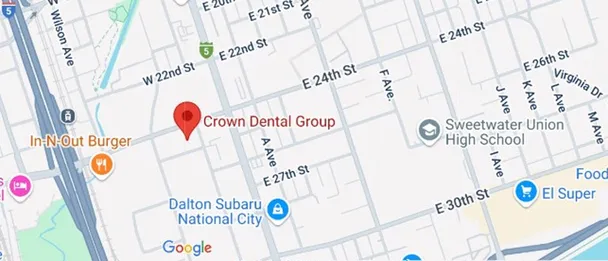
- Crown Dental Group
- 2405 Transportation Ave
- National City, CA 91950
- Phone: (619) 474-6200
- Email: info@crowndentalnc.com
Frequently Asked Questions
1. Why does my tooth hurt when I bite down?
Pain when biting can have several causes, including cracks, decay, inflammation around the tooth, trauma, excessive pressure, or issues involving a dental restoration. A dental examination is needed to determine the cause.
2. Why does my tooth hurt when I release my bite?
Pain when releasing pressure can occur when a tooth or its internal structures respond abnormally to changes in pressure. Certain cracks can produce this pattern, although it is not exclusive to cracked teeth.
3. Can a cavity cause pain when chewing?
Yes. Significant decay can weaken tooth structure and make the tooth uncomfortable under chewing pressure. A cavity may also produce sensitivity or other symptoms, but symptoms vary.
4. Why does my tooth hurt after getting a filling?
A recently restored tooth can sometimes feel uncomfortable while it settles. If the tooth consistently hurts when you bite or feels as though it contacts the opposing tooth first, contact your dentist for an evaluation.
5. Can grinding cause pain when biting?
Clenching and grinding expose teeth and supporting tissues to repeated forces. This can contribute to tenderness and may worsen other dental problems that cause pressure-related pain.
6. Does pain when biting always mean I need a root canal?
No. Pain when biting has many possible causes. A root canal is only considered when the diagnosis indicates that treatment of the tooth’s internal tissues is necessary.
7. Can a cracked tooth heal on its own?
A structural crack in a tooth does not naturally grow back together. Treatment depends on the location and extent of the crack and how much healthy tooth structure remains.
8. Should I stop chewing on the painful side?
Avoiding pressure on a painful tooth can reduce discomfort temporarily, but it does not address the underlying cause. If the pain persists or returns, have the tooth evaluated by a dentist.
Find us here