Why Do My Teeth Have White Spots? Common Causes and What They Mean
Learn what causes white spots on teeth, including enamel changes and demineralization, and discover when they may require professional dental treatment.
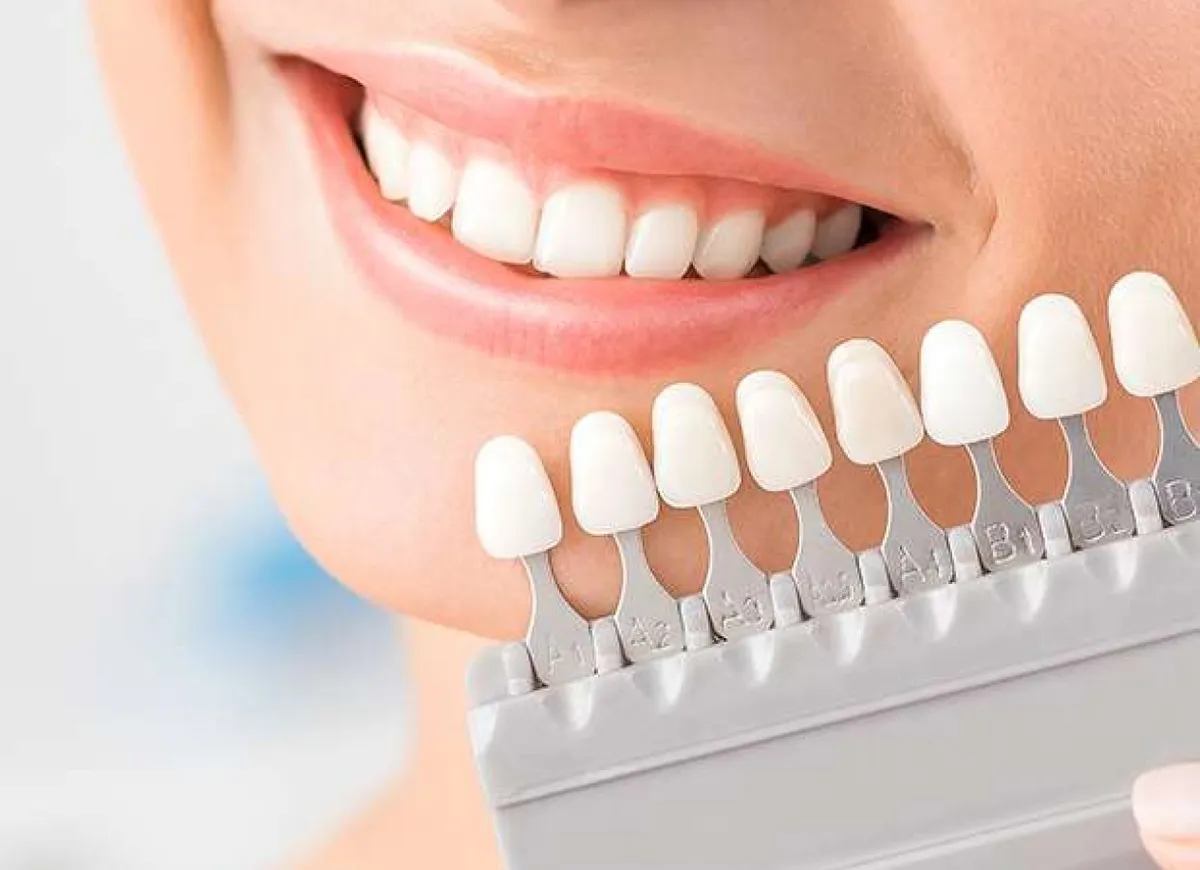
Have you ever looked closely at your teeth and noticed small white patches or spots that seem different from the rest of your enamel? White spots on teeth are relatively common, but they can have several different causes.
Sometimes, these marks are simply a cosmetic concern. In other situations, they can indicate changes in the mineral content of the enamel or an early stage of tooth decay. The appearance, location, history, and progression of the spots can all provide useful clues.
Understanding why white spots appear on teeth can help you determine when they can simply be monitored and when a dental examination is appropriate.
What Are White Spots on Teeth?
White spots are areas of the tooth that appear lighter than the surrounding enamel.
They may look:
- Chalky or opaque
- Bright white
- Slightly cloudy
- Irregularly shaped
- Small and isolated
- Spread across several teeth
The texture may also differ. Some white spots are completely smooth, while others may be associated with changes in the enamel surface.
Because different conditions can produce similar-looking marks, appearance alone is not enough to determine the cause.
What Causes White Spots on Teeth?
Several factors can contribute to white discoloration. Some develop during tooth formation, while others occur after the teeth have erupted.
1. Enamel Demineralization
One of the more important causes of white spots is demineralization.
Your tooth enamel is made primarily of mineral crystals. Throughout the day, acids produced by oral bacteria and acids from foods and drinks can temporarily lower the mineral content of the enamel.
Saliva and fluoride help counteract this process by supporting remineralization.
When mineral loss becomes more pronounced in a particular area, the enamel can become more porous. This may make the affected area appear chalky or noticeably whiter than the surrounding tooth.
Demineralization can sometimes be an early warning sign of developing tooth decay.
2. Fluorosis
Dental fluorosis develops when teeth are exposed to excessive amounts of fluoride while they are forming beneath the gums during childhood.
Depending on its severity, fluorosis may appear as faint white lines, spots, or patches. More pronounced cases can cause changes in the structure and appearance of enamel.
Mild fluorosis is generally a cosmetic concern rather than an active disease.
Because fluorosis develops while permanent teeth are forming, it cannot develop simply because an adult uses fluoride toothpaste appropriately.
3. Enamel Development Problems
Enamel can develop irregularities before a tooth erupts.
Factors affecting tooth development during childhood can sometimes result in areas of enamel that differ in color, thickness, or mineralization.
These changes may become noticeable only after the permanent tooth appears in the mouth.
A dentist can assess the affected tooth and determine whether the appearance is consistent with a developmental enamel condition.
4. Plaque Accumulation
Plaque can contribute to white spots through the demineralization process.
This is particularly relevant around areas that are difficult to clean, such as near the gumline or around orthodontic brackets.
When plaque remains on the enamel for prolonged periods, bacteria can produce acids that remove minerals from the tooth surface.
The resulting early enamel changes may appear as white, chalky areas.
This is one reason thorough oral hygiene is particularly important for patients wearing braces or other orthodontic appliances.
5. Acid Exposure
Frequent exposure to acidic foods and beverages can contribute to enamel mineral loss.
Examples include:
- Soda
- Sports drinks
- Energy drinks
- Citrus juices
- Citrus fruits
- Vinegar-based foods
- Other acidic beverages
Acid exposure does not necessarily create a specific white spot immediately. However, repeated exposure can contribute to enamel changes and make the surface more vulnerable.
How often you consume acidic products can be just as important as the amount consumed at one time.
Can White Spots Be an Early Sign of a Cavity?
They can be.
An early cavity does not always look like a dark hole in the tooth. Initial enamel demineralization can appear as a white or chalky area before a visible cavity develops.
This is why a new white spot should not automatically be dismissed as a cosmetic issue.
Early dental decay may sometimes be managed with preventive measures before significant structural damage develops. However, the appropriate approach depends on the individual tooth and the extent of mineral loss.
A dentist can determine whether a white spot represents active demineralization, a developmental change, fluorosis, or another condition.
Why Do White Spots Sometimes Look More Noticeable?
White spots can become more visible under certain conditions.
For example, dehydration temporarily changes the appearance of enamel and can make differences in the enamel more noticeable.
White spots may also stand out more after professional cleaning because plaque and surface staining that previously surrounded them have been removed.
Changes in lighting, tooth moisture, and the natural color of the surrounding enamel can also affect how noticeable the spots appear.
A change in visibility does not necessarily mean that the condition has suddenly become worse.
Can White Spots Go Away on Their Own?
It depends on the cause.
If the white area is associated with early enamel demineralization, improving oral hygiene and maintaining adequate fluoride exposure may support remineralization and prevent further progression.
However, developmental enamel changes and fluorosis generally do not disappear naturally because they originate from changes in the tooth structure itself.
Some cosmetic white spots may remain even when the teeth are otherwise healthy.
This is why identifying the underlying cause is important before deciding on treatment.
How Are White Spots Diagnosed?
Your dentist will examine the teeth and ask questions about your dental and medical history.
They may consider:
- When you first noticed the spots
- Whether they are changing
- Which teeth are affected
- Whether the spots appeared after orthodontic treatment
- Your childhood dental history
- Your oral hygiene habits
- Your diet
- Your fluoride exposure
- Whether you have experienced previous dental problems
The dentist will also examine the surface of the affected teeth for changes in texture or structure.
Dental imaging may be recommended when there is concern about decay or another condition that cannot be adequately evaluated through a visual examination alone.
How Are White Spots on Teeth Treated?
Treatment depends on whether the spots represent an active dental problem or primarily a cosmetic concern.
Fluoride and Remineralization
If white spots are associated with early mineral loss, your dentist may recommend fluoride treatment and improvements to your daily oral hygiene routine.
The goal is to strengthen the remaining enamel and reduce the likelihood of further progression.
Improving Oral Hygiene
Removing plaque consistently can help reduce the bacterial acids responsible for enamel demineralization.
Your routine should include brushing twice a day with fluoride toothpaste and cleaning between your teeth every day.
Professional Cosmetic Treatment
If white spots are stable and primarily cosmetic, several treatments may be considered depending on their appearance and depth.
One option may be resin infiltration, a minimally invasive technique designed for certain types of enamel lesions. Other cosmetic approaches may be considered depending on the individual case.
Dental Bonding
In selected cases, tooth-colored composite material can be used to alter the appearance of an affected tooth.
However, bonding is not automatically appropriate for every white spot. The dentist first needs to determine why the discoloration exists and whether the underlying tooth is healthy.
Veneers
For more extensive cosmetic concerns, veneers may be considered in appropriate patients.
Veneers cover the visible front surface of a tooth and can change its color and appearance.
Because veneers are a more extensive cosmetic treatment than some other approaches, your dentist should evaluate whether a more conservative option can achieve the desired result.
Can White Spots Be Prevented?
Not every white spot can be prevented. Developmental enamel changes and fluorosis, for example, occur during tooth formation.
However, you can reduce your risk of enamel demineralization by maintaining good oral hygiene and limiting frequent acid and sugar exposure.
Helpful habits include:
- Brush twice daily with fluoride toothpaste.
- Clean between your teeth every day.
- Drink water regularly.
- Limit frequent sugary snacks and beverages.
- Reduce frequent exposure to acidic drinks.
- Maintain regular dental examinations.
- Follow individualized fluoride recommendations from your dentist.
- Take extra care when cleaning around orthodontic appliances.
When Should You See a Dentist?
A white spot deserves professional attention if it is new, changing, rough, sensitive, or accompanied by other symptoms.
You should also schedule an examination if:
- The spot is becoming larger.
- Multiple new spots are appearing.
- The tooth feels different in texture.
- You have tooth sensitivity.
- You notice a visible cavity or indentation.
- The area is difficult to keep clean.
- You are concerned about the appearance of your teeth.
A dentist can determine whether the spot represents a harmless enamel variation, a cosmetic concern, or an early sign of dental disease.
White Spot Evaluation and Cosmetic Dentistry in National City, CA
If you have noticed white spots on your teeth and want to understand what they mean, Crown Dental Group provides comprehensive dental evaluations and cosmetic treatment in National City, California.
Our team can examine changes in your enamel and determine whether preventive care, restorative treatment, or cosmetic dentistry may be appropriate.
Crown Dental Group offers cosmetic services including ceramic crowns and veneers, as well as comprehensive general and preventive dental care. Modern technology, including digital radiography, digital impressions, and CBCT imaging when clinically appropriate, can support diagnosis and treatment planning.
We serve patients from National City, Chula Vista, Bonita, Imperial Beach, and surrounding South Bay San Diego communities.
Our office is located at 2405 Transportation Ave, National City, CA 91950, conveniently serving patients in the surrounding area.
If you have noticed an unexplained change in the appearance of your enamel, do not assume it is purely cosmetic. A dental examination can help identify the cause and determine whether treatment is necessary.
- Crown Dental Group
- 2405 Transportation Ave
- National City, CA 91950
- Phone: (619) 474-6200
- Email: info@crowndentalnc.com
Frequently Asked Questions About White Spots on Teeth
1. Are white spots on teeth normal?
White spots are relatively common, but they can have different causes. Some are harmless cosmetic variations, while others may indicate enamel demineralization or another dental condition.
2. Can white spots mean I have a cavity?
They can. Early enamel demineralization may appear as a white or chalky area before a visible cavity develops. A dentist can determine whether a particular white spot is related to tooth decay.
3. Can fluoride remove white spots?
Fluoride can support enamel remineralization when white spots are related to early mineral loss. However, it generally will not eliminate developmental enamel changes or fluorosis.
4. Why do I have white spots on only one tooth?
A single tooth can develop a white spot because of localized enamel development changes, trauma during tooth formation, localized demineralization, or other factors. A dental examination can help identify the cause.
5. Can white spots on teeth be removed?
Treatment depends on the cause. Options for appropriate cases may include remineralization strategies, resin infiltration, dental bonding, or other cosmetic treatments.
6. Are white spots caused by poor brushing?
Not necessarily. White spots have many possible causes, including developmental enamel changes and fluorosis. However, inadequate plaque control can contribute to demineralization and increase the risk of early decay.
7. Can teeth whitening make white spots more noticeable?
Yes. Whitening can make differences between the color of the affected enamel and surrounding tooth structure more noticeable in some patients. Your dentist can evaluate the spots before recommending whitening.
8. When should I have a white spot checked?
Have a dentist examine a white spot if it is new, changing, rough, sensitive, increasing in size, or accompanied by other dental symptoms. Professional evaluation can determine whether treatment is necessary.
Find us here