Why Do My Teeth Feel Rough? Causes of Rough or Uneven Tooth Surfaces
Learn why your teeth may feel rough or uneven, from plaque and tartar to enamel changes and damaged restorations, and when to see a dentist.
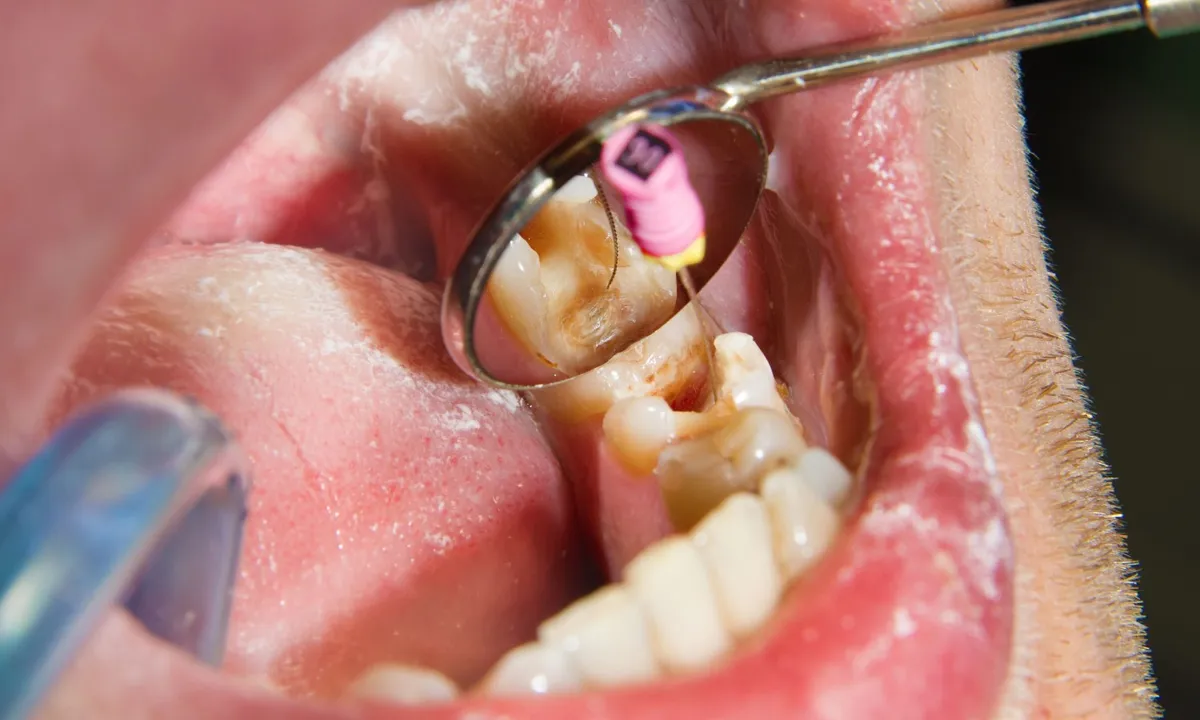
Your teeth should generally feel smooth when you run your tongue across them. So when one or more teeth suddenly feel rough, gritty, or uneven, it is natural to wonder what has changed.
A rough tooth surface can have several causes. Sometimes it is simply plaque or tartar buildup. In other cases, the texture may be related to enamel erosion, a small chip, a worn restoration, or another change in the tooth.
The sensation itself does not provide enough information to determine the cause. A dental examination can help identify why your tooth feels different and whether treatment is necessary.
What Should Healthy Teeth Feel Like?
Healthy tooth enamel generally has a hard and relatively smooth surface.
The exact texture can vary slightly between different parts of the mouth. Natural grooves exist on the chewing surfaces of molars, and the edges of front teeth have their own anatomical contours.
However, a sudden gritty, rough, sharp, or uneven sensation may indicate that something has accumulated on the tooth or that its surface has changed.
The location of the roughness can provide useful information.
For example, roughness near the gumline may be related to plaque or tartar, while a sharp area on the edge of a tooth could indicate a chip or fracture.
What Causes Teeth to Feel Rough?
1. Plaque Buildup
One of the simplest explanations for rough-feeling teeth is plaque.
Plaque is a sticky film containing bacteria, food debris, and other substances that continuously forms on the teeth.
If it is not removed effectively through brushing and cleaning between the teeth, plaque can accumulate and make the teeth feel coated or gritty.
You may notice this sensation particularly:
- Along the gumline
- Behind the lower front teeth
- Between teeth
- Around orthodontic appliances
- In areas that are difficult to reach with a toothbrush
Unlike a permanent change to enamel, plaque-related roughness can often improve after thorough professional or at-home cleaning.
2. Tartar or Dental Calculus
If plaque remains on the teeth long enough, it can harden into tartar, also called dental calculus.
Tartar forms when minerals in saliva become incorporated into hardened plaque.
Once calculus has formed, ordinary brushing generally cannot remove it completely. Professional dental instruments are typically required.
Tartar often feels distinctly hard and rough. It may also appear yellow, brown, or darker depending on its location and staining.
Common areas for tartar accumulation include the inner surfaces of the lower front teeth and areas around the gumline.
Regular professional cleanings can help control calculus buildup.
3. Enamel Erosion
A rough surface can sometimes result from changes to the enamel itself.
Repeated exposure to acids can gradually remove minerals from tooth enamel. This process is known as dental erosion.
Sources of acid exposure can include:
- Soda
- Sports drinks
- Energy drinks
- Fruit juices
- Citrus foods
- Vinegar-based foods
- Acid reflux
As enamel becomes affected, the surface may change in texture or appearance.
Some people may notice that their teeth feel smoother in certain areas while others feel rough or irregular.
4. A Small Tooth Chip
A tooth can develop a small chip without causing significant pain.
A chip may occur after biting something hard, experiencing trauma, or simply as a result of forces placed on the tooth over time.
You may notice the chip because your tongue repeatedly catches on the affected area.
Small chips are particularly noticeable on the front teeth because the tongue can easily detect changes along the edges.
Even when a chip does not hurt, it is worth having it evaluated. Your dentist can determine whether the damage is superficial or whether the tooth requires additional treatment.
5. A Cracked or Fractured Tooth
A rough or sharp area can also be associated with a crack or fracture.
The severity of a crack varies. Some cracks are superficial, while others extend deeper into the tooth.
Possible symptoms include:
- Pain when biting
- Sensitivity
- A sharp edge
- Intermittent discomfort
- Pain when releasing a bite
- A sensation that something is caught between the teeth
If you suspect that a tooth has cracked, avoid repeatedly testing it by biting hard foods. A dental examination can help determine the extent of the problem.
6. A Worn or Damaged Filling
If you have a dental filling, you may notice a change in texture if the restoration becomes worn, chipped, or damaged.
You might feel a rough edge when your tongue passes over the filling.
Changes in a restoration do not necessarily mean that it has completely failed. However, your dentist should examine it to determine whether it can remain in place or requires repair or replacement.
A damaged filling can also create an area where plaque and food particles accumulate more easily.
7. A New Dental Restoration
Sometimes a tooth can feel slightly different after dental treatment.
A newly placed filling, crown, or other restoration may initially feel unfamiliar to your tongue.
If the restoration feels excessively rough, sharp, or uncomfortable after you have had time to adjust, contact your dental office.
Your dentist can examine the restoration and polish or adjust it if appropriate.
8. Tooth Wear From Grinding or Clenching
Repeated grinding and clenching can gradually alter the surfaces of your teeth.
This type of mechanical wear can flatten or change the natural contours of the enamel.
Some patients may notice rough or irregular areas, while others notice changes in the length or shape of their teeth.
Signs that may accompany grinding include:
- Flattened tooth surfaces
- Small fractures
- Jaw soreness
- Morning facial discomfort
- Headaches
- Increased tooth wear
If you suspect that you grind your teeth, discuss it with your dentist.
Why Rough Teeth Can Become a Problem
A rough tooth surface can sometimes create an environment where plaque accumulates more easily.
When plaque remains on an irregular surface, cleaning the area can become more difficult. This may contribute to further oral health problems depending on the underlying cause.
For example, tartar cannot be removed effectively with ordinary brushing, while a damaged restoration may need professional repair.
This does not mean every rough spot is dangerous. The important step is determining why the surface feels different.
How Does a Dentist Determine the Cause?
Your dentist will examine the tooth visually and physically.
They may check:
- The texture of the enamel
- The location of the roughness
- Plaque and tartar buildup
- Existing fillings and restorations
- Signs of enamel erosion
- Tooth wear
- Chips or fractures
- Your bite
- Gum health
Your dentist may also ask when you first noticed the change and whether you have experienced pain, sensitivity, or other symptoms.
Dental imaging may be recommended when your dentist needs additional information about the tooth or surrounding structures.
How Is a Rough Tooth Treated?
Treatment depends on the cause.
Professional Cleaning
If the roughness is caused by plaque or tartar, a professional dental cleaning can remove accumulated deposits that cannot be completely eliminated through ordinary brushing.
Polishing
Certain surface irregularities or staining may be improved through professional polishing.
Your dentist or hygienist can determine whether polishing is appropriate for the tooth.
Dental Bonding
If a small chip or cosmetic irregularity is responsible for the rough surface, dental bonding may be considered.
Composite resin can be shaped over selected areas of the tooth and polished to create a smoother contour.
Restorative Treatment
A damaged filling or structurally compromised tooth may require restorative treatment.
Depending on the extent of the problem, your dentist may recommend repairing or replacing an existing restoration or using another appropriate treatment.
Managing Enamel Wear
If enamel erosion is responsible, treatment focuses on identifying and reducing the source of acid exposure while protecting the remaining enamel.
Your dentist may recommend fluoride, dietary changes, or other preventive measures based on your individual circumstances.
Can You Smooth a Rough Tooth at Home?
It is not recommended to file, scrape, or otherwise alter a rough tooth yourself.
Attempting to smooth the surface with a nail file, abrasive material, or another tool can permanently damage enamel and potentially expose deeper tooth structure.
If a tooth suddenly feels sharp or rough, let a dental professional determine the cause.
How Can You Prevent Rough Tooth Surfaces?
Good daily habits can reduce several common causes of rough-feeling teeth.
Brush Twice Daily
Use fluoride toothpaste and a soft-bristled toothbrush.
Avoid aggressive scrubbing, which can contribute to unnecessary tooth and gum wear.
Clean Between Your Teeth
Floss or use an appropriate interdental cleaning method every day to remove plaque from areas a toothbrush cannot reach.
Limit Frequent Acid Exposure
Reduce frequent consumption of acidic drinks and foods, particularly prolonged sipping throughout the day.
Avoid Biting Hard Objects
Do not use your teeth to open packages or bite objects such as pens, ice, or fingernails.
Address Teeth Grinding
If you grind or clench your teeth, ask your dentist whether a custom night guard or another protective approach may be appropriate.
Maintain Regular Dental Visits
Professional examinations and cleanings allow your dental team to monitor changes in your teeth and remove hardened deposits that cannot be effectively removed at home.
When Should You See a Dentist?
A rough tooth does not always require urgent treatment, but certain symptoms should prompt an examination.
Make an appointment if:
- The roughness appeared suddenly.
- The area feels sharp.
- You notice a visible chip.
- The tooth hurts when biting.
- You experience sensitivity.
- A filling feels damaged.
- The roughness persists despite good oral hygiene.
- You notice a change in the shape of a tooth.
Prompt evaluation can help determine whether the problem is simple buildup or something requiring restorative treatment.
Rough Tooth Surface Evaluation in National City, CA
If your teeth suddenly feel rough, gritty, or uneven, Crown Dental Group can evaluate the change and determine what may be causing it.
Our practice provides comprehensive dental care, including preventive, restorative, cosmetic, and periodontal services. Depending on the cause of the roughness, treatment may involve professional cleaning, dental bonding, restoration repair, or another appropriate approach.
Crown Dental Group also uses modern dental technology, including digital radiography, digital impressions, and CBCT imaging when clinically appropriate, to support diagnosis and treatment planning.
We serve patients from National City, Chula Vista, Bonita, Imperial Beach, and surrounding South Bay San Diego communities.
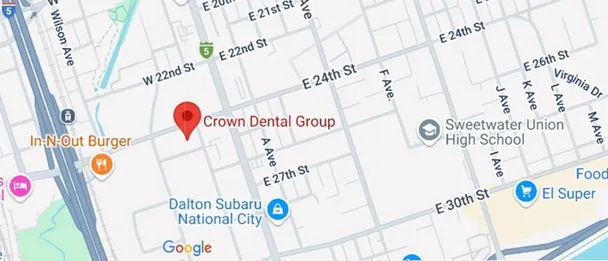
Our office is located at 2405 Transportation Ave, National City, CA 91950, conveniently serving patients throughout the area.
If your tongue keeps catching on a rough or sharp area of a tooth, do not try to fix it yourself. A dental examination can determine whether the cause is plaque, tartar, enamel wear, a chip, a damaged restoration, or another condition.
- Crown Dental Group
- 2405 Transportation Ave
- National City, CA 91950
- Phone: (619) 474-6200
- Email: info@crowndentalnc.com
Frequently Asked Questions About Rough Teeth
1. Why do my teeth suddenly feel rough?
A rough sensation can be caused by plaque, tartar, enamel changes, a small chip, a damaged filling, or tooth wear. The specific cause requires an examination.
2. Can tartar make teeth feel rough?
Yes. Hardened tartar creates a rough, irregular surface that cannot usually be completely removed through regular brushing.
3. Can enamel become rough?
Yes. Acid erosion, mechanical wear, and other changes can affect the texture and structure of enamel.
4. Should I file down a sharp tooth myself?
No. Filing or scraping a tooth at home can permanently damage healthy enamel and expose deeper tooth structure. Have the tooth examined by a dentist instead.
5. Can a chipped tooth feel rough?
Yes. Even a small chip can create a sharp or uneven edge that your tongue can easily detect.
6. Why does my filling feel rough?
A filling can feel rough if its surface has changed, become worn, chipped, or if the material feels different after recent placement. Your dentist can determine whether it needs polishing, adjustment, repair, or replacement.
7. Can grinding make teeth feel uneven?
Yes. Repeated grinding and clenching can wear down tooth surfaces and alter their natural contours.
8. When should I see a dentist about rough teeth?
Schedule an examination if the roughness persists, appears suddenly, feels sharp, or occurs with pain, sensitivity, a visible chip, or a damaged restoration.
Find us here