Why Do My Teeth Feel Like They Are Moving When I Bite? Understanding Tooth Mobility
Learn why a tooth may feel loose or move when you bite, including pressure, injury, infection, and changes in the tissues supporting your teeth.

Your teeth are designed to remain stable during everyday activities such as eating, speaking, and biting. However, you may occasionally notice that one tooth feels different. It might seem like the tooth moves slightly when you bite, feels loose when your tongue touches it, or does not feel as firm as the teeth around it.
A very small amount of natural tooth movement is normal. Teeth are connected to the surrounding jawbone by a specialized structure called the periodontal ligament, which provides support while allowing slight movement.
Noticeable mobility in an adult tooth, however, deserves attention. It can be associated with excessive forces, injury, inflammation, infection, or changes in the tissues that support the tooth.
Understanding the difference between normal movement and concerning mobility can help you know when to seek an evaluation.
Do Healthy Adult Teeth Move?
Teeth are not literally fused to the jawbone.
Each tooth is suspended within its socket by the periodontal ligament, a network of connective tissue fibers that attaches the tooth root to the surrounding bone.
This arrangement provides stability while allowing a very small amount of movement when forces are applied.
You generally should not be able to visibly move a healthy adult tooth with your finger or tongue.
If a tooth suddenly feels loose, moves noticeably when you bite, or feels different from neighboring teeth, it should be evaluated.
What Can Make an Adult Tooth Feel Loose?
Tooth mobility can have several possible causes.
Common possibilities include:
- Excessive biting forces
- Clenching or grinding
- Dental trauma
- Periodontal disease
- Inflammation around the tooth
- Infection
- Changes in the supporting bone
- Advanced structural damage
- Certain dental conditions affecting the root or surrounding tissues
The cause cannot be determined from mobility alone. Your dentist will need to examine the tooth and its supporting structures.
Excessive Biting Forces Can Affect Tooth Stability
Teeth are built to handle normal chewing forces, but unusually heavy or repeated pressure can place additional stress on the supporting structures.
Clenching and grinding are common examples.
A person may repeatedly bring the teeth together with considerable force without realizing it, particularly during sleep or periods of concentration.
Over time, excessive forces may contribute to tenderness or changes in the way a tooth feels.
If you notice tooth mobility together with flattened tooth surfaces, chipped edges, or other signs of excessive force, tell your dentist.
Grinding Can Make a Tooth Feel Different
Bruxism refers to repeated grinding or clenching of the teeth.
People who grind may not realize they are doing it, especially when it occurs during sleep. A dentist may notice signs such as:
- Flattened biting surfaces
- Small fractures or chips
- Increased tooth wear
- Jaw muscle tenderness
- Morning jaw discomfort
- Tooth tenderness
Grinding does not automatically mean that a tooth will become loose. However, repeated excessive forces can be relevant when evaluating a tooth that feels mobile or uncomfortable.
Your dentist can determine whether the tooth’s supporting structures appear healthy and whether protective treatment may be appropriate.
An Injury Can Make a Tooth Feel Loose
A tooth can become mobile after an injury to the mouth.
Possible causes include:
- A sports injury
- A fall
- An impact to the face
- Biting forcefully into a hard object
- An accident involving the mouth
Dental trauma can affect the ligament surrounding the tooth, the supporting bone, or the tooth itself.
A tooth that becomes loose after an injury should be evaluated promptly, even if the tooth does not appear broken.
Some injuries affect structures that are not visible during a simple visual examination.
Periodontal Disease Can Reduce Tooth Support
The tissues around a tooth help keep it stable.
Periodontal disease can damage the gums, periodontal ligament, and supporting bone. As the supporting structures are affected, teeth may become increasingly mobile.
Possible warning signs include:
- Persistent gum bleeding
- Swollen or tender gums
- Gum changes
- Persistent bad breath
- New spaces between teeth
- Teeth feeling loose
- Changes in the way the teeth come together
Tooth mobility associated with periodontal disease requires evaluation of the supporting tissues rather than simply treating the movement itself.
Inflammation Around a Tooth Can Cause Tenderness and Mobility
Inflammation can affect the tissues surrounding a tooth and make it uncomfortable when pressure is applied.
You may notice that the tooth feels slightly different when you bite or that it seems more sensitive than neighboring teeth.
Inflammation can occur for several reasons, including problems involving the tooth itself or the surrounding tissues.
Your dentist may use clinical tests and dental imaging when appropriate to determine where the inflammation is coming from.
An Infection Can Affect the Structures Around a Tooth
Certain dental infections can cause inflammation in the tissues around a tooth.
Depending on the situation, symptoms may include:
- Pain when chewing
- Tooth tenderness
- Swelling
- A feeling that the tooth is elevated
- Persistent discomfort
- Sensitivity
- A bad taste or drainage
A tooth affected by infection may not always produce severe symptoms at first.
If mobility develops together with swelling, persistent pain, fever, or other signs of infection, prompt dental evaluation is important.
Why Does My Tooth Feel Like It Moves When I Bite?
The sensation of movement during biting does not necessarily mean the tooth is severely loose.
A tooth may feel different because the supporting tissues are irritated, the tooth is experiencing unusual pressure, or the way the upper and lower teeth contact has changed.
Some patients describe the sensation as:
- “My tooth feels taller.”
- “That tooth hits first.”
- “It feels like the tooth moves when I chew.”
- “It feels different from the teeth next to it.”
These descriptions can provide useful information during a dental examination.
What Will a Dentist Check?
When you report tooth mobility, your dentist may evaluate several factors.
Tooth Mobility
The dentist can assess how much the tooth moves under controlled pressure. The degree of mobility can provide information about the condition of the supporting structures.
Gums and Supporting Tissues
The surrounding gums and tissues are examined for inflammation and other signs of periodontal problems.
Tooth Structure
The dentist will look for cracks, fractures, decay, worn surfaces, and other structural changes.
Bite
Your dentist may examine how the tooth contacts the opposing teeth during biting.
Dental Imaging
X-rays or other dental imaging may be recommended when additional information about the root or surrounding bone is needed.
The combination of these findings helps determine the likely cause of the mobility.
Can a Loose Adult Tooth Become Stable Again?
Sometimes, depending on the cause.
For example, a tooth that becomes temporarily mobile after an injury may stabilize as the supporting tissues recover. However, the outcome depends on the type and severity of the injury.
If mobility is associated with periodontal disease, treatment focuses on controlling the underlying disease and protecting the remaining supporting tissues.
If excessive forces are contributing, your dentist may recommend measures designed to reduce those forces.
There is no single treatment for a mobile tooth because the cause determines the appropriate approach.
What Should You Do If Your Tooth Feels Loose?
If you notice a new or persistent sensation of tooth movement, avoid deliberately testing the tooth repeatedly with your tongue or fingers.
You should also avoid chewing very hard foods on the affected side until the tooth has been evaluated, particularly if the movement developed after an injury.
Continue normal oral hygiene unless your dentist advises otherwise.
Most importantly, schedule an examination to determine why the tooth feels different.
When Is Tooth Mobility an Emergency?
A loose tooth does not always require emergency treatment, but certain situations require prompt attention.
Seek urgent dental care if tooth mobility occurs with:
- Significant facial swelling
- Severe pain
- Heavy bleeding
- A serious facial injury
- A tooth displaced from its normal position
- Fever or signs of infection
- Difficulty swallowing or breathing
If a permanent tooth becomes loose following an injury, contact a dentist as soon as possible for guidance.
Can You Prevent Adult Tooth Mobility?
Not every cause can be prevented, but several habits support long-term tooth stability.
Maintain Good Oral Hygiene
Brushing twice daily and cleaning between your teeth help control plaque and support healthy gums.
Protect Your Teeth During Sports
A properly fitted sports mouthguard can help reduce the risk of dental injuries during contact or high-impact activities.
Address Grinding and Clenching
If you grind or clench, discuss the issue with your dentist. Appropriate protective measures may help reduce excessive forces on the teeth.
Do Not Ignore Gum Problems
Bleeding, swelling, persistent inflammation, or other changes around the gums should be evaluated rather than dismissed.
Attend Regular Dental Examinations
Routine examinations allow your dentist to monitor the health of your teeth and supporting structures and identify changes before they become more advanced.
Protect Your Smile at Crown Dental Group
A slight amount of natural tooth movement is normal, but a noticeable change in the stability of an adult tooth should not be ignored.
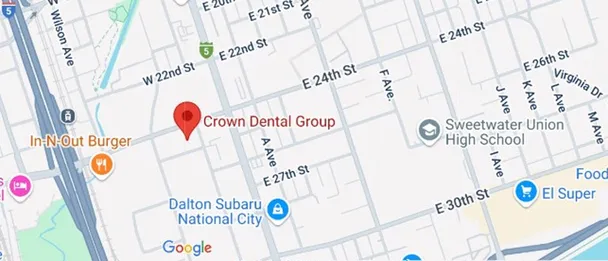
At Crown Dental Group in National City, our team can evaluate tooth mobility and examine the tooth, gums, supporting tissues, and bite to determine what may be causing the change. Depending on the diagnosis, treatment may involve periodontal care, restorative treatment, protection from excessive forces, or other appropriate dental care.
We serve patients throughout National City and nearby South Bay communities, including Chula Vista, Bonita, and Imperial Beach.
If an adult tooth feels loose, moves when you bite, or suddenly feels different from the teeth around it, schedule an examination.
- Crown Dental Group
- 2405 Transportation Ave
- National City, CA 91950
- Phone: (619) 474-6200
- Email: info@crowndentalnc.com
Frequently Asked Questions
1. Is it normal for adult teeth to move slightly?
Teeth have a very small amount of natural movement because they are supported by the periodontal ligament rather than being directly fused to the jawbone. Noticeable or increasing mobility, however, should be evaluated.
2. Why does one tooth feel loose when I bite?
Possible causes include excessive pressure, grinding or clenching, trauma, inflammation, infection, periodontal disease, or changes affecting the supporting structures. A dental examination is necessary to identify the cause.
3. Can grinding make teeth feel loose?
Repeated excessive forces from grinding or clenching can place additional stress on the teeth and their supporting structures. Your dentist can assess whether these forces are contributing to your symptoms.
4. Can a tooth become loose after an injury?
Yes. Trauma can affect the periodontal ligament, surrounding bone, or the tooth itself. A loose tooth following an injury should be evaluated promptly.
5. Can gum disease cause loose teeth?
Yes. Advanced periodontal disease can damage the tissues and bone that support the teeth, potentially resulting in increased mobility.
6. Will a loose adult tooth tighten on its own?
It depends on the cause. Some teeth may stabilize after certain injuries or temporary inflammation, while mobility caused by significant loss of supporting tissue may require treatment.
7. Should I keep touching a loose tooth to check it?
No. Repeatedly moving a loose tooth with your tongue or fingers can irritate the surrounding tissues. Have the tooth evaluated instead.
8. When should I see a dentist about a loose tooth?
Schedule an examination if an adult tooth feels newly loose, moves noticeably, feels different when you bite, or becomes mobile after an injury. Seek urgent care if significant swelling, severe pain, bleeding, or difficulty swallowing or breathing occurs.
Find us here