Why Do My Teeth Feel Different After Eating Something Sweet?
Learn why your teeth may hurt after eating sweets, how sugar and oral bacteria interact, and when sweet sensitivity may signal a dental problem.

Have you ever eaten a piece of chocolate, dessert, candy, or another sweet food and suddenly noticed a strange sensation in one of your teeth?
For some people, sweets cause a brief sharp sensation. Others experience an ache that lingers after eating. You may even notice that one particular tooth reacts while the rest of your mouth feels completely normal.
Sweet foods do not automatically mean that a tooth is damaged. However, repeated discomfort after consuming sugary foods can be a useful warning sign. The symptom may be related to tooth decay, exposed dentin, enamel changes, or another condition affecting the tooth.
Understanding why this happens can help you determine when the sensation is simply occasional and when it deserves a dental examination.
Why Can Sweet Foods Trigger Tooth Pain?
Your teeth are protected by enamel, the hard outer layer of the tooth. Beneath the enamel is dentin, which contains microscopic channels that connect toward the inner portion of the tooth.
When dentin becomes exposed or the tooth structure is compromised, certain substances can stimulate the underlying tissues.
Sweet foods can also interact with bacteria in dental plaque. Oral bacteria use fermentable carbohydrates as an energy source and produce acids as a byproduct. Repeated acid exposure can contribute to demineralization and eventually tooth decay.
Therefore, discomfort after eating sweets can have more than one explanation.
How Sugar Interacts With Oral Bacteria
Your mouth naturally contains many types of bacteria. Dental plaque forms when these microorganisms accumulate on tooth surfaces.
When you consume foods containing sugars and other fermentable carbohydrates, certain bacteria can metabolize them and produce acids.
These acids temporarily lower the pH in the dental plaque environment.
Your saliva helps neutralize acids and provides minerals that support the natural remineralization of tooth enamel. However, frequent or prolonged acid exposure can disrupt this balance.
Over time, repeated cycles of demineralization and remineralization can contribute to the development of tooth decay.
This is one reason that the frequency of sugar exposure matters, not simply the total amount of sugar consumed.
Cavities Can Make Teeth React to Sweets
One common reason for discomfort after eating sweets is tooth decay.
A cavity develops when repeated acid exposure causes enough mineral loss to damage the tooth structure.
As decay progresses, it can move beyond the outer enamel and closer to the dentin.
Once dentin is affected or exposed, certain foods can produce a noticeable sensation.
You may notice:
- A brief sharp pain after eating candy
- Discomfort from chocolate or desserts
- Pain when sugary drinks contact a particular tooth
- Sensitivity that repeatedly occurs in the same location
- A rough or damaged area on the tooth
A cavity does not always cause severe pain. Early or moderate decay may produce only occasional symptoms.
Why Does One Tooth React to Sweets?
If only one tooth consistently reacts when you eat something sweet, that detail is important.
A localized response can occur when that tooth has a specific area of decay, exposed dentin, a damaged restoration, or another structural change.
You may notice that the rest of your teeth feel completely normal while one tooth reacts immediately.
Your dentist can compare the affected tooth with neighboring teeth and use clinical tests to identify whether the response is coming from that particular tooth.
Exposed Dentin Can Also Cause a Reaction
Dentin is located underneath enamel.
When enamel is thinner or when areas of the tooth structure have been lost, dentin can become more exposed.
Dentin contains microscopic tubules that communicate with the inner portion of the tooth. Stimuli such as temperature changes, touch, and certain foods can trigger sensations when dentin is exposed.
Sweet foods can therefore produce discomfort even when there is not an obvious cavity.
Several factors can contribute to dentin exposure, including enamel wear, gum-related changes, or mechanical abrasion.
The cause needs to be identified before deciding how to manage the symptom.
Why Does the Pain Sometimes Continue After the Sweet Food Is Gone?
The duration of the discomfort can provide useful information.
A brief sensation that disappears quickly may have a different cause from pain that continues for several minutes or longer.
Persistent or worsening discomfort can indicate that the tooth’s internal tissues are becoming more irritated.
This does not mean that every prolonged reaction requires the same treatment. However, recurring or lingering pain should be evaluated rather than repeatedly ignored.
Tell your dentist how long the sensation lasts after the food is removed. That information can help with the diagnostic process.
Are Some Sweet Foods More Likely to Cause Problems?
The effect depends on more than sweetness alone.
Foods that are sticky can remain on tooth surfaces for longer periods, increasing the amount of time oral bacteria have access to fermentable carbohydrates.
Examples include:
- Caramel
- Toffee
- Gummy candies
- Chewy sweets
- Some dried fruits
- Frosted desserts
- Sweetened snack foods
Sugary drinks can also be problematic because they may bathe the teeth in sugar and acids.
Frequent sipping throughout the day can expose the teeth repeatedly rather than giving saliva longer periods to restore the oral environment.
Sweet Drinks Can Be Especially Important
Soda, sweetened coffee, sweet tea, energy drinks, and other sugary beverages can combine several factors that affect teeth.
They may contain sugar, and some are also acidic.
If consumed frequently, they can provide repeated opportunities for bacteria to produce acids while also exposing the teeth directly to an acidic environment.
Drinking water after these beverages can help rinse the mouth. Reducing how frequently you consume sugary or acidic drinks can also reduce repeated exposure.
Does Sweet Sensitivity Always Mean You Have a Cavity?
No.
A reaction to sweets does not automatically mean that you have a cavity.
Other possible explanations include:
- Exposed dentin
- Enamel wear
- A damaged or worn restoration
- A small structural defect
- Gum-related changes
- Other conditions affecting the tooth
This is why persistent symptoms should be evaluated rather than diagnosed based solely on the type of food that triggers them.
How Does a Dentist Find the Cause?
Your dentist will begin by asking questions about the symptom.
You may be asked:
- Which foods trigger the sensation?
- Is the reaction limited to one tooth?
- How quickly does the discomfort begin?
- How long does it last?
- Does cold or hot food cause a similar reaction?
- Do you experience pain when chewing?
- Have you recently had dental treatment?
- When did the symptom first appear?
Your dentist may then examine the tooth visually and perform appropriate diagnostic tests.
Dental X-rays or other imaging may be recommended if the dentist needs to evaluate areas that cannot be seen directly.
How Can You Reduce Sugar-Related Dental Problems?
You do not necessarily need to eliminate every sweet food from your diet. Instead, consider how frequently your teeth are exposed to sugar and how well you maintain your oral hygiene.
Brush Twice Daily
Use fluoride toothpaste and brush thoroughly but gently.
Fluoride helps strengthen enamel and supports the teeth against acid-related mineral loss.
Clean Between Your Teeth
Plaque can accumulate in areas that a toothbrush cannot reach. Floss or use an appropriate interdental cleaning method to clean between the teeth.
Reduce Frequent Snacking
Repeatedly consuming sugary foods throughout the day gives oral bacteria frequent access to fermentable carbohydrates.
Keeping sugary foods and drinks to designated meals or occasions can reduce the number of repeated exposures.
Choose Water More Often
Water can help rinse away food particles and dilute acids in the mouth.
Avoid Keeping Sweets in Your Mouth
Slowly sucking on hard candy or frequently chewing sticky sweets can increase the amount of time sugar remains in contact with the teeth.
Maintain Regular Dental Visits
Routine examinations can help identify decay and other dental problems before they become more advanced.
When Should You See a Dentist?
Schedule an appointment if you notice:
- Repeated pain after eating sweets
- One tooth consistently reacting to sugar
- Pain that lasts after the food is gone
- A visible hole or damaged area
- A tooth that has become darker
- Pain when chewing
- Increasing sensitivity
- Symptoms that are becoming more frequent
A dentist can determine whether the problem is related to decay, exposed dentin, a restoration, or another condition.
Protect Your Smile at Crown Dental Group
A brief reaction to a sweet food may seem insignificant, but repeated discomfort can provide useful information about your dental health. Sugar itself does not automatically mean that a tooth is damaged, but frequent sugar exposure can contribute to the conditions that lead to decay.
At Crown Dental Group in National City, our team can evaluate teeth that repeatedly react to sweet foods and determine the underlying cause. Depending on the diagnosis, treatment may involve preventive care, restorative treatment, or other appropriate dental services.
We serve patients throughout National City and nearby South Bay communities, including Chula Vista, Bonita, and Imperial Beach.
If your teeth consistently react when you eat something sweet, schedule an examination to find out why.
- Crown Dental Group
- 2405 Transportation Ave
- National City, CA 91950
- Phone: (619) 474-6200
- Email: info@crowndentalnc.com
Frequently Asked Questions
1. Why does my tooth hurt when I eat something sweet?
Sweet foods can trigger discomfort when a tooth has decay, exposed dentin, enamel changes, or another structural problem. If the reaction repeatedly affects the same tooth, it should be evaluated.
2. Does sensitivity to sweets always mean I have a cavity?
No. Sweet sensitivity can have several causes, including exposed dentin and enamel changes. A dental examination is needed to determine the specific cause.
3. Why does only one tooth hurt when I eat sweets?
A single tooth may have a localized problem such as decay, exposed dentin, a damaged restoration, or another structural change. Your dentist can examine the tooth and compare it with the surrounding teeth.
4. Why do sticky candies cause more dental problems?
Sticky sweets can remain attached to tooth surfaces for longer periods, giving oral bacteria more time to metabolize their sugars and produce acids.
5. Can sugar directly damage tooth enamel?
Sugar itself does not directly dissolve enamel. Oral bacteria metabolize fermentable carbohydrates and produce acids, which can contribute to mineral loss from enamel when exposure is frequent.
6. How can I protect my teeth if I enjoy sweets?
Maintain good oral hygiene, use fluoride toothpaste, limit frequent snacking, drink water, and attend regular dental examinations. Keeping sugary foods and drinks to fewer occasions can also reduce repeated exposure.
7. Why does my tooth keep hurting after I finish eating?
Pain that lingers after a food stimulus may indicate that the tooth is more significantly irritated. Recurring or prolonged discomfort should be evaluated by a dentist.
8. Should I stop eating sweets completely if my teeth hurt?
You do not necessarily need to eliminate all sweets, but recurring pain should not be ignored. Have the tooth evaluated so you can determine whether an underlying dental problem needs treatment.
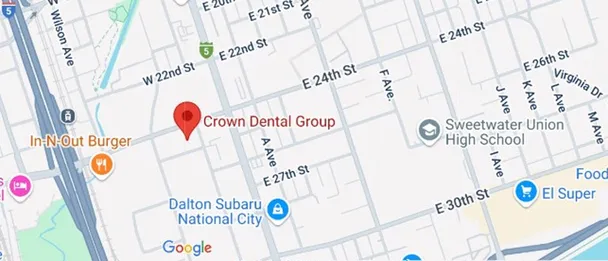
Find us here