Why Do My Gums Feel Tender After Flossing? What Your Mouth May Be Telling You
Learn why your gums may feel tender after flossing, how technique and plaque buildup can contribute, and when gum discomfort needs dental evaluation.
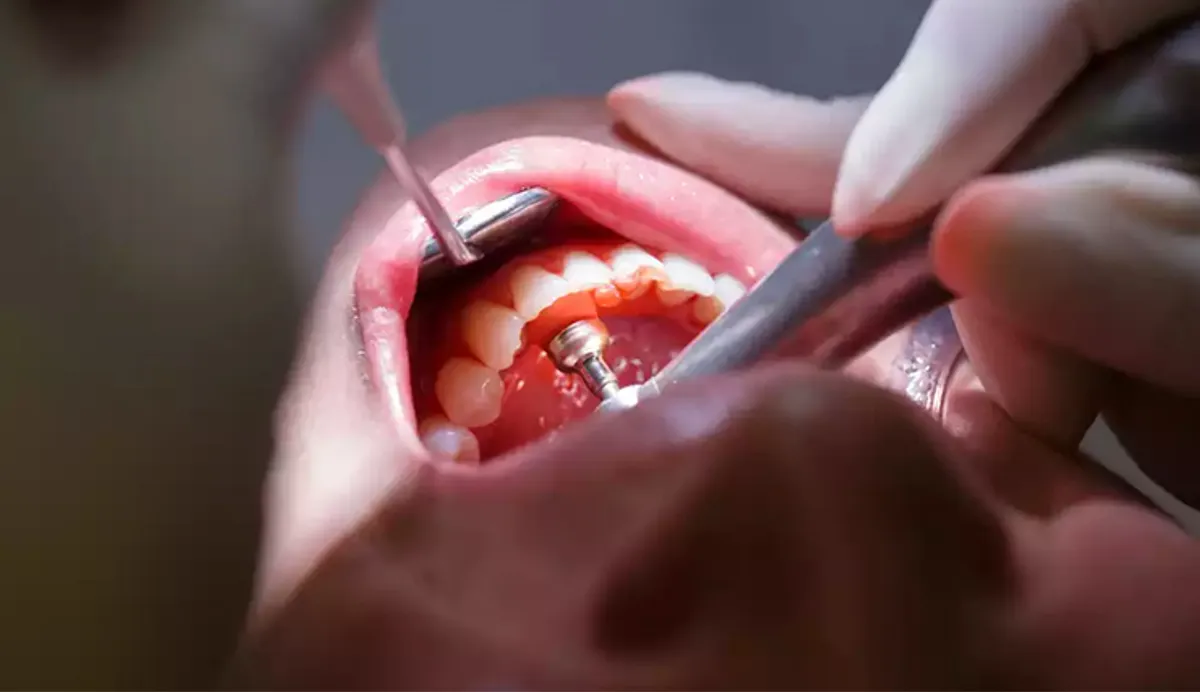
Flossing is one of the most important parts of a good oral hygiene routine, but some people notice that their gums feel tender afterward. You may experience mild soreness between your teeth, sensitivity along the gumline, or discomfort that lasts for a short time after cleaning.
If you have recently started flossing regularly, this can sometimes happen as your mouth adjusts to a new routine. However, persistent or significant tenderness should not automatically be considered normal.
The way you floss, how frequently you clean between your teeth, and the condition of your gums can all influence how your mouth feels afterward.
Understanding the possible causes can help you determine whether you simply need to adjust your technique or whether your gums should be evaluated by a dentist.
Why Can Flossing Make My Gums Feel Tender?
Flossing involves placing a thin strand between the teeth and gently cleaning along the sides of each tooth.
When performed correctly, flossing should not cause significant pain. However, several factors can contribute to temporary tenderness.
Possible causes include:
- Flossing too aggressively
- Pressing the floss into the gums
- Starting to floss after a long break
- Plaque buildup between the teeth
- Food debris trapped around the gumline
- Existing gum irritation
- Using an inappropriate flossing technique
- Cleaning areas that have not been regularly maintained
The cause is often related to either technique or the condition of the tissues being cleaned.
Your Flossing Technique Matters
Floss should not be forced directly downward into the gums.
Instead, gently guide the floss between the teeth and curve it around the side of each tooth. Move it carefully up and down along the tooth surface.
A common mistake is snapping the floss between the teeth. When floss is forced quickly into a tight contact, it can strike the gum tissue and cause irritation.
Another mistake is using excessive pressure.
Flossing is meant to remove plaque and debris, not scrub the gums aggressively.
If your gums consistently feel sore after flossing, consider whether you may be using more force than necessary.
What Happens When You Start Flossing Again?
If you have not flossed regularly for a long time, your first few sessions may feel different.
Plaque and debris can accumulate in areas that are not being cleaned effectively. When you begin cleaning between the teeth again, the tissues may feel tender.
This does not mean you should stop flossing.
Instead, use a gentle technique and establish a consistent routine.
As you continue cleaning between the teeth, the sensation may improve. If tenderness continues or becomes worse, however, your dentist should evaluate the area.
Plaque Can Make the Gums More Sensitive
Plaque is a sticky film containing bacteria that forms continuously on the teeth.
It can accumulate particularly well between teeth because toothbrush bristles cannot always reach these areas effectively.
When plaque remains along the gumline, the surrounding tissues can become irritated.
Flossing helps remove plaque from these difficult-to-reach surfaces. If the gums are already irritated, cleaning the area may temporarily make the tenderness more noticeable.
The solution is generally not to avoid cleaning the area. Consistent, gentle oral hygiene is important for maintaining healthy tissues.
Food Debris Can Irritate the Gumline
Food particles can become lodged between teeth or near the gums.
Certain foods, particularly fibrous or sticky foods, may leave debris behind even after eating.
If food remains trapped around the gumline, it can contribute to local irritation.
Flossing helps remove this material. If one particular area repeatedly collects food and feels tender, it is worth mentioning to your dentist.
A persistent localized problem can sometimes indicate that the space between the teeth or the shape of a tooth needs to be evaluated.
Why Does One Spot Hurt When I Floss?
If your gums feel tender throughout your mouth after flossing, technique or a recent change in your cleaning routine may be contributing.
But if one specific area consistently hurts when you floss, there may be a localized reason.
For example, the area may have:
- Plaque accumulation
- Food debris
- A rough tooth surface
- An existing dental restoration
- Localized tissue irritation
- Another dental condition
Pay attention to patterns.
If the same spot remains painful for several days or repeatedly becomes uncomfortable during flossing, schedule a dental examination.
How Should You Floss Without Irritating Your Gums?
Good technique can make a significant difference.
Step 1: Use Enough Floss
Use approximately 18 inches of floss so you can work with a clean section as you move between teeth.
Step 2: Guide the Floss Gently
Ease the floss between the teeth rather than snapping it downward.
Step 3: Curve the Floss Around the Tooth
Once the floss reaches the gumline, form a gentle C-shape around one tooth.
Step 4: Move Along the Tooth Surface
Use controlled up-and-down movements to remove plaque from the side of the tooth.
Step 5: Clean Both Sides
Move the floss around the neighboring tooth and repeat the process.
The goal is to clean the tooth surfaces and the area near the gumline without aggressively cutting into the tissue.
Can Flossing Too Much Hurt Your Gums?
Flossing once daily is generally sufficient for many people, although your dentist may recommend a different routine depending on your oral health.
More cleaning is not necessarily better if it involves excessive pressure.
Aggressive flossing can irritate the gums and cause discomfort. If you feel that you need to apply significant force to clean between your teeth, ask your dental team about your technique or whether another interdental cleaning method may be more appropriate.
What If My Gums Are Tender Every Time I Floss?
Consistent tenderness should not simply be accepted as part of flossing.
If your gums remain uncomfortable despite using gentle technique, there may be an underlying reason.
Your dentist can examine the gumline and the spaces between your teeth to determine whether plaque accumulation, localized irritation, dental restorations, or another condition is contributing.
Persistent symptoms are particularly important if they occur alongside other changes in your mouth.
Signs That Your Gum Tenderness Needs Attention
Schedule a dental appointment if you notice:
- Persistent gum tenderness
- Swelling around a particular tooth
- Repeated discomfort in the same location
- Changes in the appearance of the gums
- Persistent bad breath
- Pain that is getting worse
- Difficulty cleaning between certain teeth
- A recurring area of irritation
A dental examination can help identify whether the discomfort is simply related to technique or whether something else needs treatment.
What If Flossing Is Difficult Between Certain Teeth?
Some people have very tight contacts between particular teeth, while others have larger spaces.
If standard floss is difficult to use, your dentist or dental hygienist can recommend alternative interdental cleaning tools.
Depending on the space, options may include:
- Dental floss
- Floss picks
- Interdental brushes
- Water flossers
- Other specialized cleaning aids
The most appropriate option depends on your individual tooth spacing, restorations, and oral health.
The goal is to find a method that allows you to clean effectively without causing unnecessary irritation.
Should You Stop Flossing If Your Gums Hurt?
If the discomfort is mild and appears after you have recently started flossing, improving your technique and continuing a gentle routine may help.
However, significant or persistent pain should be evaluated.
Stopping all interdental cleaning because the gums feel uncomfortable may allow plaque and food debris to remain between the teeth.
Instead, speak with your dental team if you are unsure how to clean the area comfortably.
Protect Your Smile at Crown Dental Group
Flossing should help maintain your oral health, not leave your gums consistently painful. Mild tenderness after restarting an oral hygiene routine may improve with consistent and gentle cleaning, but persistent discomfort deserves attention.
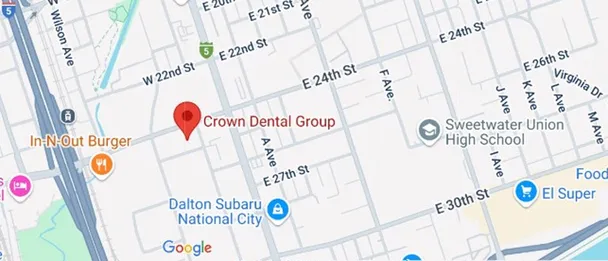
At Crown Dental Group in National City, our dental team can evaluate gum tenderness and examine the areas between your teeth to determine what may be causing the discomfort. We can also provide guidance on flossing and interdental cleaning techniques based on your individual needs.
We serve patients throughout National City and nearby South Bay communities, including Chula Vista, Bonita, and Imperial Beach.
If your gums consistently feel tender after flossing, schedule an examination to determine whether your technique needs adjustment or whether an underlying dental concern should be addressed.
- Crown Dental Group
- 2405 Transportation Ave
- National City, CA 91950
- Phone: (619) 474-6200
- Email: info@crowndentalnc.com
Frequently Asked Questions
1. Is it normal for my gums to feel sore after flossing?
Mild temporary tenderness can occur, particularly if you have recently started flossing or have not cleaned between your teeth regularly. Persistent or significant discomfort should be evaluated.
2. Can flossing damage my gums?
Flossing itself is not intended to damage the gums. However, snapping floss forcefully between teeth or applying excessive pressure can irritate the tissue.
3. Should I stop flossing if my gums hurt?
Not necessarily. If the discomfort is mild and related to restarting flossing, gentle and consistent cleaning may help. If pain persists or becomes significant, consult your dentist.
4. Why does only one spot hurt when I floss?
A localized area of tenderness may have a specific cause, such as plaque buildup, food debris, an irregular tooth surface, a restoration, or another dental condition. Persistent localized discomfort should be examined.
5. How often should I floss?
Many patients benefit from cleaning between their teeth once a day. Your dentist may recommend a different schedule depending on your individual oral health needs.
6. Why do my gums hurt when I floss even though I am gentle?
Persistent tenderness despite gentle technique may indicate that the tissues are already irritated or that another dental issue is present. Your dentist can evaluate the area and determine the cause.
7. Is flossing better than a water flosser?
Both can be useful for cleaning between teeth. The best option depends on your individual needs, tooth spacing, restorations, dexterity, and dental health. Your dentist can recommend an appropriate interdental cleaning method.
8. When should I see a dentist about tender gums?
See your dentist if tenderness persists, repeatedly affects the same area, becomes more painful, or occurs with swelling, persistent bad breath, or other changes in your mouth.
Find us here