Why Are My Gums Receding? Causes, Warning Signs, and Treatment Options
Learn why gums recede, the warning signs to watch for, and how periodontal treatment can protect exposed tooth roots and your long-term oral health.
Have you noticed that your teeth look longer than they used to? Maybe your gums appear lower around certain teeth, or you have started experiencing sensitivity when drinking something cold. These changes can be signs of gum recession, a common dental concern that should not be ignored.
Gum recession occurs when the gum tissue surrounding a tooth pulls away from the tooth, exposing more of the tooth surface and sometimes the root underneath. While mild recession may not cause noticeable symptoms at first, progressive gum loss can increase the risk of tooth sensitivity, root decay, and other periodontal complications. Understanding what causes receding gums and recognizing the warning signs early can help you protect your smile.
What Is Gum Recession?
Healthy gum tissue forms a protective seal around the teeth. This tissue helps shield the tooth roots and underlying structures from bacteria, physical irritation, and other environmental factors. With the gum recession, the gumline gradually moves away from its normal position. As a result, part of the tooth that was previously covered becomes exposed. Unlike the crown of a tooth, which is protected by hard enamel, the tooth root is covered by a much softer substance called cementum. Cementum is more vulnerable to bacterial acids, abrasion, and decay. This is one reason why receding gums can become a significant oral health issue if the underlying cause is not addressed.
What Causes Gums to Recede?
There is not always one single cause of gum recession. Several factors can contribute to changes in the gumline.
1. Periodontal Disease
One of the most important causes of gum recession is periodontal disease, or gum disease.
Gum disease develops when bacterial plaque accumulates around the teeth and causes inflammation in the gum tissue. In its early stage, known as gingivitis, the gums may become red, swollen, or prone to bleeding. When gum disease progresses, inflammation can affect the tissues and bone supporting the teeth. This can contribute to gum recession and periodontal pockets. If you notice persistent bleeding, swelling, bad breath, or changes in your gumline, a professional periodontal evaluation is important.
2. Brushing Too Aggressively
Brushing harder does not necessarily mean brushing better. Using excessive pressure or a hard-bristled toothbrush can gradually traumatize the gum tissue. Over time, this may contribute to localized gum recession, particularly around teeth where the gum tissue is naturally thin. A soft-bristled toothbrush and gentle, controlled brushing technique can provide effective plaque removal without unnecessarily irritating the gums.
3. Naturally Thin Gum Tissue
Some people are more susceptible to gum recession because they naturally have thinner gum tissue. Genetics can influence the thickness and shape of the gums, as well as the way teeth are positioned within the jaw. Individuals with naturally delicate gum tissue may experience recession even when they maintain good oral hygiene. This is one reason why gum recession does not always mean someone has poor brushing habits.
4. Tooth Position and Orthodontic Movement
The position of a tooth can affect the amount of gum and bone surrounding it. If a tooth sits unusually close to the outer surface of the jawbone, the surrounding gum tissue may be thinner and more vulnerable to recession. Certain types of orthodontic tooth movement may also influence gum tissue in susceptible individuals. An orthodontic or periodontal evaluation can help determine whether tooth positioning is contributing to the problem.
5. Teeth Grinding or Clenching
Repeatedly grinding or clenching your teeth can place significant mechanical stress on the teeth and their supporting structures. Although grinding is not considered the only or primary cause of gum recession, it can contribute to excessive forces on the teeth and may worsen existing dental problems. If you regularly wake up with jaw soreness, headaches, tooth sensitivity, or signs of tooth wear, discuss these symptoms with your dentist.
6. Tobacco Use
Tobacco use can negatively affect gum health and increase the risk of periodontal disease. Because gum disease can damage the tissues supporting the teeth, tobacco use may indirectly contribute to gum recession and other periodontal complications. Reducing or eliminating tobacco exposure is an important part of protecting your oral health.
How Can You Tell If Your Gums Are Receding?
Gum recession can develop gradually, so the first signs may be subtle.
Watch for:
- Teeth appearing longer than before
- Increased tooth sensitivity
- Visible tooth roots
- A noticeable change in the shape of your gumline
- Bleeding or swollen gums
- Persistent bad breath
- Gum tenderness
- Notches or indentations near the gumline
- Increased sensitivity when consuming hot, cold, sweet, or acidic foods
Sometimes recession affects only one tooth or a small area of the mouth. Other times, multiple areas may be affected. If you notice a change in your gums, it is better to have the area evaluated rather than assuming it is simply part of getting older.
Why Does Gum Recession Cause Tooth Sensitivity?
One of the most common symptoms associated with gum recession is sensitivity. When the gumline recedes, the root surface can become exposed. Unlike enamel, the root does not have the same level of protection against external stimuli. The exposed root contains microscopic pathways that can transmit sensations toward the tooth’s nerve. Cold beverages, hot foods, sweets, or even air can therefore trigger a short, sharp sensation.
However, sensitivity does not automatically mean that you have gum recession. Cavities, cracked teeth, worn enamel, defective fillings, and other dental conditions can cause similar symptoms. A dental examination is necessary to determine the actual source.
Can Receding Gums Grow Back?
Unfortunately, gum tissue that has naturally receded does not typically grow back on its own. That does not mean treatment cannot help. The appropriate treatment depends on why the recession occurred, how extensive it is, and whether there is active periodontal disease or another underlying problem.
Treatment may include:
Improved Oral Hygiene
If aggressive brushing or inadequate plaque control is contributing to gum problems, your dentist or dental hygienist can demonstrate techniques that protect the gumline while effectively removing plaque.
Periodontal Treatment
When gum disease is contributing to recession, periodontal treatment may be necessary to control bacterial infection and inflammation. Addressing periodontal disease can help prevent additional damage to the supporting tissues.
Fluoride or Desensitizing Treatments
For patients experiencing root sensitivity, professional fluoride applications or other desensitizing treatments may help reduce discomfort and strengthen vulnerable tooth surfaces.
Dental Bonding
In certain situations, tooth-colored bonding material can be used to cover an exposed root surface. This may improve appearance while also reducing sensitivity.
Gum Grafting
For more significant recession, a periodontal procedure such as gum grafting may be considered. During gum grafting, tissue is placed over an exposed root area to increase coverage and reinforce the gumline. Whether this is appropriate depends on the individual’s gum health, anatomy, and severity of recession.
What Happens During a Gum Recession Evaluation?
If you visit a dentist because you are concerned about receding gums, the evaluation typically begins with a detailed examination of your teeth and gums.
Your dental professional may assess:
- The position of your gumline
- The depth of the spaces around your teeth
- Signs of inflammation or periodontal disease
- Tooth sensitivity
- Tooth mobility
- Plaque and tartar accumulation
- Bite and tooth positioning
- Existing restorations or other dental concerns
Dental imaging may also be recommended when your dentist needs to evaluate the supporting bone or investigate another potential cause. The goal is not simply to identify that recession exists, but to determine why it is happening and whether it is progressing.
Can Gum Recession Be Prevented?
Not every case of gum recession can be completely prevented, particularly when genetics or natural anatomy plays a role. However, protecting your gums can reduce many of the risk factors.
Consider these habits:
- Brush twice daily with a soft-bristled toothbrush.
- Use gentle pressure rather than scrubbing aggressively.
- Clean between your teeth every day.
- Attend regular dental examinations and professional cleanings.
- Address signs of gum disease promptly.
- Avoid tobacco products.
- Wear a properly fitted night guard if recommended for significant grinding or clenching.
- Tell your dentist about persistent sensitivity or changes in your gumline.
Consistent preventive care makes it easier to identify gum changes before they become more advanced.
When Should You See a Dentist?
A changing gumline deserves professional attention, particularly if it is accompanied by sensitivity, bleeding, swelling, or discomfort.
You should schedule an evaluation if:
- Your teeth suddenly appear longer.
- You can see part of a tooth root.
- Your teeth have become increasingly sensitive.
- Your gums bleed regularly.
- You have persistent bad breath.
- You notice loose or shifting teeth.
- You have pain or swelling around the gums.
Early evaluation can help identify the underlying cause and prevent additional damage.
Gum Recession Treatment in National City, CA
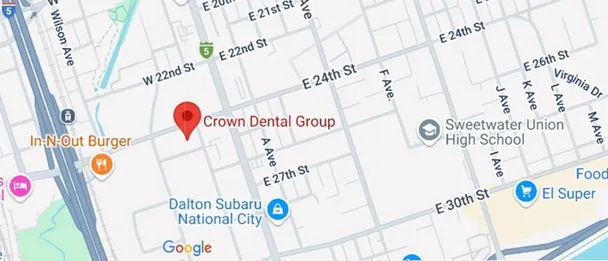
If you are experiencing receding gums or unexplained tooth sensitivity, Crown Dental Group provides comprehensive dental and periodontal care for patients in National City and surrounding South Bay communities. Our team can evaluate your gums, identify potential causes of recession, and recommend treatment based on your individual oral health needs. With modern dental technology, including digital radiography and CBCT imaging when clinically appropriate, your dental team can obtain detailed information about your teeth and supporting structures.
Patients from National City, Chula Vista, Bonita, Imperial Beach, and nearby communities can conveniently access dental care near the National City Mile of Cars and Westfield Plaza Bonita area. Do not wait for gum recession to become painful before having it checked. Early diagnosis can make it easier to manage the underlying problem and protect your teeth for the future.
- Crown Dental Group
- 2405 Transportation Ave
- National City, CA 91950
- Phone: (619) 474-6200
- Email: info@crowndentalnc.com
Frequently Asked Questions About Receding Gums
1. Is gum recession a serious dental problem?
It can be. Mild recession may cause little discomfort, but progressive recession can expose tooth roots and increase the risk of sensitivity, root decay, and periodontal complications.
2. Can brushing too hard cause receding gums?
Yes. Excessive brushing pressure, particularly with a hard-bristled toothbrush, can contribute to gum tissue trauma and localized recession.
3. Do receding gums grow back naturally?
Generally, no. Gum tissue that has receded does not typically regenerate on its own. However, treatment can address the underlying cause and, in appropriate cases, procedures such as gum grafting can restore coverage.
4. Why are my teeth sensitive after my gums recede?
Recession can expose the tooth root, which does not have the same enamel protection as the crown. This can make the tooth more responsive to hot, cold, sweet, or acidic stimuli.
5. Can gum disease cause gum recession?
Yes. Advanced periodontal disease can damage the tissues and bone supporting the teeth and contribute to recession.
6. Is gum recession normal as you get older?
Gum recession is not simply an unavoidable part of aging. It can occur at any age, and identifying its cause is important for preventing further progression.
7. Can a dentist fix receding gums?
Treatment depends on the cause and severity. Options may include improved oral hygiene, periodontal treatment, desensitizing treatments, bonding, or gum grafting in appropriate cases.
8. When should I have my gums checked?
If you notice a changing gumline, exposed roots, persistent sensitivity, bleeding, swelling, or loose teeth, schedule a dental evaluation. Early assessment can help determine whether recession is progressing and what treatment may be appropriate.
Find us here