What to Do After a Tooth Extraction: A Complete Guide to Recovery and Aftercare
Learn what to expect after a tooth extraction, how to care for your mouth during recovery, and tips to prevent complications after dental removal.

A Tooth Extraction Is the Beginning of Healing—Not the End of Your Dental Care
The thought of having a tooth removed can make many patients feel nervous.
Many people associate tooth extractions with discomfort, long recovery periods, or fear that something has gone wrong. However, modern dentistry has made tooth extraction procedures safer, more comfortable, and more predictable than ever before. A tooth extraction is sometimes the best option for protecting your overall oral health. While dentists always prioritize saving natural teeth whenever possible, there are situations where removing a tooth prevents further infection, pain, or damage to surrounding teeth.
The success of an extraction does not only depend on the procedure itself. Proper aftercare plays an important role in how quickly and comfortably your mouth heals. At Crown Dental Group in National City, California, we provide gentle dental care and detailed recovery instructions to help patients heal properly after extractions. Knowing what to expect after treatment can make the recovery process easier and help prevent unnecessary complications.
Why Would a Tooth Need to Be Extracted?
Dentists do everything possible to preserve natural teeth. However, some situations make extraction the healthiest option.
Common reasons for tooth extraction include:
Severe Tooth Decay
When decay becomes too extensive, there may not be enough healthy tooth structure remaining to restore the tooth. In some cases, a filling, crown, or root canal may not provide a predictable long-term solution. Removing the tooth prevents the infection from spreading and allows the area to heal.
Advanced Gum Disease
Periodontal disease affects the tissues and bone supporting the teeth. When severe bone loss occurs, a tooth may become loose and unable to function properly. Extraction may be recommended to protect surrounding oral health.
Impacted Wisdom Teeth
Wisdom teeth often become trapped beneath the gums or grow at an incorrect angle.
Impacted wisdom teeth may contribute to:
- Pain
- Infection
- Gum problems
- Damage to neighboring teeth
Removal can prevent future complications.
Broken Teeth
Some fractures extend too deeply below the gumline to be repaired successfully. In these cases, extraction may be necessary.
Dental Infections
Although root canal treatment can save many infected teeth, some teeth cannot be restored due to the severity of damage. Removing the tooth may be necessary to eliminate infection.
What Happens During a Tooth Extraction?
Understanding the procedure can reduce anxiety. Before extraction, your dentist evaluates the tooth using:
- Clinical examination
- Digital X-rays
- Assessment of surrounding structures
The area is numbed with local anesthesia to ensure comfort. During a simple extraction, the dentist carefully loosens and removes the tooth. For surgical extractions, such as impacted wisdom teeth, a small incision may be required to access the tooth.
After removal, your body immediately begins the healing process.
The First 24 Hours After Extraction
The first day after extraction is the most important period for protecting the healing site. Your body will begin forming a blood clot inside the extraction socket. This blood clot acts as a natural protective barrier.
It helps:
- Protect underlying bone
- Support tissue healing
- Reduce discomfort
Protecting this clot is one of the most important parts of recovery.
Bite Down on Gauze as Directed
After extraction, your dentist will place gauze over the area. You will usually be instructed to apply gentle pressure by biting down.
This helps:
- Control bleeding
- Encourage clot formation
Replace gauze only as directed by your dental provider.
Avoid Spitting Forcefully
Many patients don’t realize that forceful spitting can create pressure changes inside the mouth. This pressure may disturb the blood clot. Instead of spitting, allow saliva or fluid to gently leave your mouth.
Avoid Using Straws
Suction from drinking through a straw can dislodge the blood clot. Avoid straws during the early healing period.
Do Not Smoke
Smoking is one of the biggest risks after extraction.
Tobacco use can:
- Delay healing
- Reduce blood flow
- Increase infection risk
- Contribute to dry socket
Avoid smoking during recovery.
Managing Pain After Extraction
Some soreness after extraction is normal.
Your dentist may recommend:
- Over-the-counter pain medication
- Prescription medication when necessary
- Cold compresses
- Rest
Following medication instructions carefully helps maintain comfort.
Using Ice Packs
Swelling often develops during the first few days. A cold compress can help reduce swelling.
General recommendations include:
- Apply ice externally to the cheek
- Use short intervals
- Avoid placing ice directly on skin
Eating After a Tooth Extraction
Your diet plays an important role in healing. Immediately after extraction, choose soft foods that require minimal chewing.
Good options include:
- Yogurt
- Applesauce
- Mashed potatoes
- Smooth soups
- Scrambled eggs
- Soft pasta
Avoid hard, crunchy, or sharp foods that could irritate the extraction site.
Foods to Avoid During Recovery
Avoid:
Hard Foods
Examples:
- Chips
- Nuts
- Hard candy
These can disturb the healing area.
Sticky Foods
Sticky foods may attach to the extraction site.
Very Hot Foods and Drinks
Heat may increase bleeding during the early healing period.
Alcohol
Alcohol can interfere with healing and may interact with certain medications.
Brushing and Oral Hygiene After Extraction
Many patients worry about brushing after removal. Maintaining cleanliness is important, but the extraction area requires care. Continue brushing your other teeth normally.
However:
- Avoid directly disturbing the extraction site.
- Be gentle near the area.
- Follow your dentist’s instructions regarding rinsing.
Keeping your mouth clean reduces bacterial buildup and supports healing.
Saltwater Rinses
Your dentist may recommend gentle saltwater rinses after the first day.
Saltwater can help:
- Keep the area clean
- Reduce bacteria
- Support healing
However, rinsing should be gentle. Avoid aggressive swishing.
What Is a Dry Socket?
Dry socket is one of the most discussed complications after extraction. It occurs when the blood clot becomes dislodged or fails to develop properly. Without the protective clot, underlying bone and nerves may become exposed.
Symptoms of Dry Socket
Signs may include:
- Severe pain several days after extraction
- Pain spreading toward the ear or jaw
- Unpleasant taste
- Bad breath
- Visible bone in the socket
If you experience these symptoms, contact your dentist. Treatment can help relieve discomfort and support healing.
How Long Does Healing Take?
Recovery time varies depending on:
- Type of extraction
- Location of tooth
- Overall health
- Aftercare habits
Many patients feel significantly better within several days. However, complete healing of the bone and tissues takes longer. Your dentist can provide more specific expectations based on your procedure.
When Should You Call Your Dentist?
Contact your dental office if you experience:
- Severe or worsening pain
- Excessive bleeding
- Increasing swelling after several days
- Fever
- Difficulty breathing or swallowing
- Signs of infection
While complications are uncommon, prompt attention is important when they occur.
Replacing a Missing Tooth After Extraction
A tooth extraction solves the immediate problem, but it is important to consider what happens afterward.
Missing teeth can affect:
- Chewing ability
- Bite alignment
- Neighboring teeth
- Jawbone health
Depending on your situation, tooth replacement options may include:
Dental Implants
Implants replace both the tooth root and visible tooth structure. They provide a stable, long-term solution.
Dental Bridges
A bridge replaces a missing tooth by using neighboring teeth for support.
Dentures
Dentures can replace multiple missing teeth or complete arches. Your dentist can discuss the best option based on your oral health and goals.
How to Prepare Before an Extraction
Preparation can make recovery easier. Before your appointment:
- Discuss medications with your dentist.
- Arrange transportation if needed.
- Prepare soft foods at home.
- Follow pre-treatment instructions carefully.
Being prepared helps reduce stress and supports a smoother recovery.
Frequently Asked Questions
How long does pain last after a tooth extraction?
Most discomfort improves within several days, although healing continues for a longer period.
Can I brush my teeth after an extraction?
Yes, but avoid disturbing the extraction site and follow your dentist’s instructions.
How long should I avoid smoking after extraction?
Avoid smoking during the healing period because it increases the risk of complications such as dry socket.
When can I eat normally after extraction?
Many patients gradually return to normal foods as comfort improves, but hard foods should be avoided until healing progresses.
Is bleeding normal after extraction?
Some mild bleeding or oozing is normal during the first day.
What causes dry sockets?
Dry socket occurs when the protective blood clot is lost or fails to form properly.
Do all extracted teeth need to be replaced?
Not every missing tooth requires replacement in the same way, but many situations benefit from restoring the missing tooth to maintain function.
How can I heal faster after extraction?
Follow your dentist’s instructions, maintain good oral hygiene, avoid smoking, eat nutritious foods, and protect the extraction site.
Proper Aftercare Helps Protect Your Healing Smile
A tooth extraction may feel like the end of a dental problem, but proper recovery is what allows your mouth to heal successfully. Following aftercare instructions, protecting the blood clot, maintaining good oral hygiene, and recognizing warning signs can significantly reduce complications. While dentists always prioritize saving natural teeth, extraction is sometimes the healthiest choice for protecting your overall oral health. After healing, replacing the missing tooth may help restore your bite, confidence, and long-term dental function.
At Crown Dental Group, we provide compassionate extraction care and personalized treatment recommendations for patients in National City, Chula Vista, Bonita, Imperial Beach, and surrounding South Bay communities.
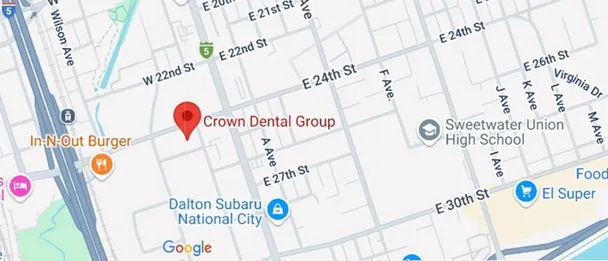
Our office at 2405 Transportation Ave, National City, CA 91950 is conveniently located near National City Mile of Cars and Westfield Plaza Bonita, making quality dental care accessible for local families. If you need a tooth extraction or are experiencing pain, infection, or damage that may require treatment, contact Crown Dental Group at (619) 474-6200 or email info@crowndentalnc.com.
A comfortable recovery starts with the right dental guidance and the right care begins with a professional evaluation.
Find us here