What Is Mixed Dentition? Understanding the Transition From Baby Teeth to Permanent Teeth
Learn what mixed dentition means, when children develop permanent teeth, what changes to expect, and why regular dental checkups matter.
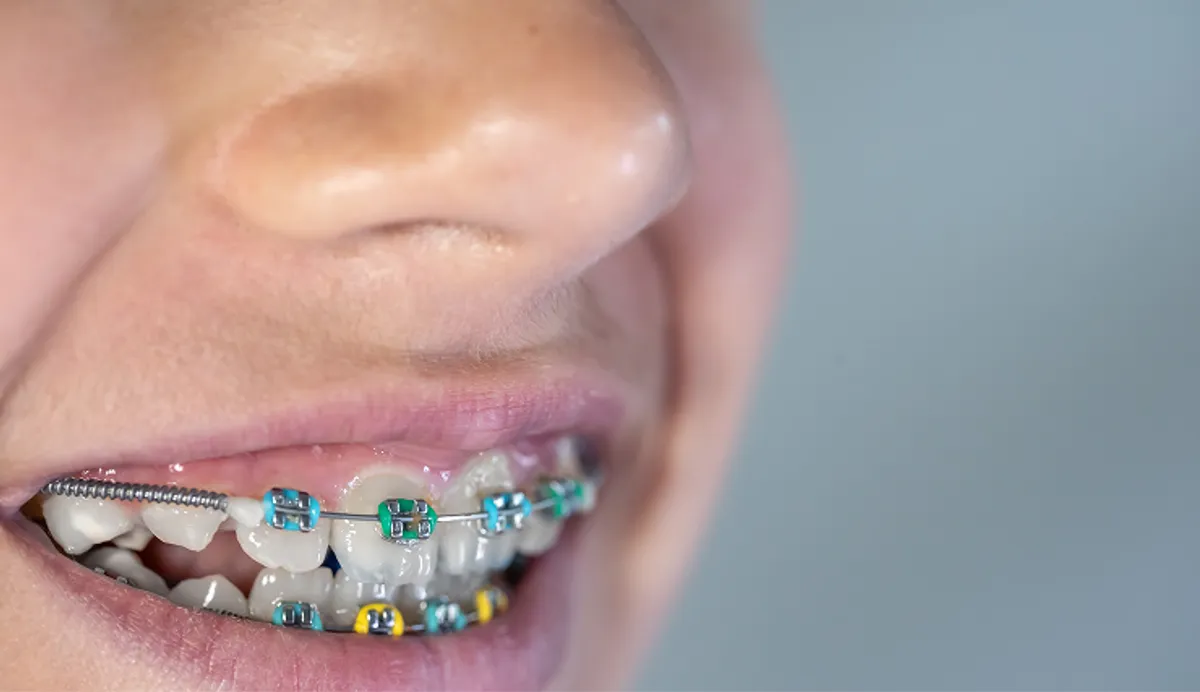
A child’s smile changes significantly as they grow. Baby teeth gradually become loose and fall out, while permanent teeth begin to emerge and take their place. During this transition, children have a combination of both baby teeth and permanent teeth in their mouths.
This stage is known as mixed dentition.
Mixed dentition is a normal part of dental development, but it is also an important period for monitoring a child’s oral health. As permanent teeth emerge, changes occur in the jaw, dental arches, bite, and spacing between teeth.
Understanding this stage can help parents recognize normal dental changes, identify potential concerns, and know when to schedule a dental examination.
What Is Mixed Dentition?
Mixed dentition refers to the stage of dental development when a child has both primary teeth, commonly called baby teeth, and permanent teeth at the same time.
It typically begins around age six, when the first permanent molars and lower front teeth start to emerge.
The stage continues as additional permanent teeth replace baby teeth over several years. By approximately age 12 or 13, most children have lost their primary teeth and have developed most of their permanent teeth, excluding the third molars, commonly known as wisdom teeth.
The exact timing varies from child to child.
During mixed dentition, the mouth is undergoing several changes:
- Baby teeth gradually loosen and fall out.
- Permanent teeth begin erupting through the gums.
- The jaw continues to grow and develop.
- Spaces between teeth may appear or change.
- The child’s bite and dental alignment may shift.
These changes are generally expected, but they should be monitored to make sure permanent teeth have enough space to develop properly.
When Does Mixed Dentition Begin and End?
Mixed dentition generally occurs between the ages of six and 12 or 13.
Dentists often describe this period in two stages: early mixed dentition and late mixed dentition.
Early Mixed Dentition: Around Ages 6 to 8
Early mixed dentition begins when the first permanent teeth appear.
The first permanent molars typically erupt behind the last baby molars. These teeth do not replace baby teeth, which means parents may not realize that a new permanent tooth has emerged.
The lower central incisors, or the two front teeth in the lower jaw, are also commonly among the first baby teeth to be replaced.
During this period, children may notice:
- Their lower front teeth becoming loose.
- New permanent teeth appearing behind or beside baby teeth.
- Temporary gaps in the smile.
- Changes in how their front teeth meet when biting.
These developments are part of the normal transition from primary to permanent dentition.
Late Mixed Dentition: Around Ages 9 to 12
Late mixed dentition occurs as the remaining baby teeth gradually fall out and permanent teeth continue to emerge.
The canine teeth and premolars commonly develop during this stage.
Premolars replace the baby molars, while permanent canines replace the primary canine teeth.
By the end of this period, most children have transitioned to a permanent set of teeth.
However, eruption timing can vary depending on genetics, dental development, and other individual factors.
Which Permanent Teeth Erupt During Mixed Dentition?
Permanent teeth do not all emerge at the same time.
Some teeth appear earlier, while others develop and erupt several years later.
The following is a general guide to common permanent tooth eruption patterns:
| Permanent Teeth | Typical Eruption Age |
|---|---|
| First permanent molars | 6 to 7 years |
| Lower central incisors | 6 to 7 years |
| Upper central incisors | 7 to 8 years |
| Lateral incisors | 7 to 9 years |
| First premolars | 10 to 11 years |
| Second premolars | 10 to 12 years |
| Canines | 9 to 12 years |
| Second permanent molars | 11 to 13 years |
These ages are approximate. A tooth erupting slightly earlier or later does not automatically indicate a problem.
A dentist can assess whether the child’s tooth development is progressing appropriately.
Why Are Baby Teeth Important If They Eventually Fall Out?
It is easy to assume that baby teeth do not require much attention because they are temporary.
However, primary teeth play several important roles in a child’s development.
1. They Help Maintain Space for Permanent Teeth
Baby teeth help preserve the spaces where permanent teeth are expected to emerge.
When a baby tooth is lost too early because of decay, infection, or injury, nearby teeth may shift toward the empty space.
This can reduce the room available for the permanent tooth and potentially affect its eruption or alignment.
In certain cases, a dentist may recommend a space maintainer to help preserve the available space.
2. They Support Proper Chewing
Primary teeth allow children to bite and chew different foods comfortably.
Maintaining healthy baby teeth supports normal eating habits while children develop their permanent dentition.
3. They Help With Speech Development
Teeth play a role in producing certain sounds.
The position of the front teeth and the tongue helps children pronounce sounds clearly.
Losing baby teeth is a normal process, but maintaining oral health during this stage supports normal speech development.
4. They Support Jaw and Dental Development
Primary teeth contribute to the development of a child’s dental arches and help guide the emergence of permanent teeth.
Keeping them healthy until they are naturally ready to fall out helps support the transition to permanent dentition.
What Changes Should Parents Expect During Mixed Dentition?
The transition from baby teeth to permanent teeth can look different for every child.
Some changes may seem unusual but are part of normal development.
Gaps Between the Front Teeth
Spaces between the upper front teeth can appear during the mixed dentition stage.
These gaps may change as the permanent canines and other teeth erupt and the dental arches continue developing.
Not every gap requires immediate orthodontic treatment.
A dentist can evaluate whether the spacing is appropriate for the child’s stage of development.
Permanent Teeth May Look Larger
Permanent teeth are generally larger than baby teeth.
When they first emerge, they may appear unusually big compared with the surrounding primary teeth.
This is a normal difference in tooth size, although the overall appearance may change as the jaw grows and additional permanent teeth erupt.
New Teeth May Look Slightly Yellow
Permanent teeth can appear more yellow than baby teeth because their enamel and underlying dentin have different characteristics.
Baby teeth often look whiter, so the contrast can be noticeable when both types of teeth are present.
This difference is generally normal and does not automatically indicate poor hygiene.
Teeth May Erupt at Different Angles
A newly emerging permanent tooth may initially appear slightly tilted, rotated, or out of alignment.
As more teeth erupt and the jaw develops, their positions may change.
However, significant crowding, persistent misalignment, or unusual eruption patterns should be evaluated by a dentist.
What Dental Problems Can Develop During Mixed Dentition?
Although mixed dentition is a normal stage, it is also a period when certain dental concerns may become more noticeable.
Regular dental examinations help identify these issues before they become more complicated.
1. Dental Crowding
Crowding happens when there is insufficient space for teeth to align properly.
During mixed dentition, permanent teeth may appear crowded because they are larger than the baby teeth they replace.
Some crowding may change as the jaw grows, but significant crowding may require further evaluation.
2. Delayed or Asymmetrical Tooth Eruption
Permanent teeth do not always erupt at exactly the same time on both sides of the mouth.
However, a noticeable difference between the eruption patterns of corresponding teeth may warrant examination.
A dentist can evaluate whether the tooth is developing normally or whether there may be an obstruction or another underlying concern.
3. Early Loss of Baby Teeth
When a primary tooth is lost earlier than expected, neighboring teeth may move into the available space.
This can affect the eruption path of the permanent tooth.
Depending on the child’s age, the location of the missing tooth, and the expected eruption of the permanent replacement, a space maintainer may be considered.
4. Cavities in Newly Erupted Permanent Teeth
Newly erupted permanent molars can be more vulnerable to decay because their enamel is still maturing after eruption.
Their deep grooves and pits can also make plaque removal more difficult.
Good brushing habits, fluoride protection, and professional preventive care are important during this period.
5. Bite and Alignment Concerns
As permanent teeth emerge, changes in the bite may become more apparent.
A dentist can assess how the upper and lower teeth meet and whether the developing bite requires monitoring or orthodontic evaluation.
Why Are Dental Checkups Important During Mixed Dentition?
Mixed dentition is an important period for preventive dental care because several permanent teeth are developing and emerging.
A dental examination allows the dentist to evaluate the child’s oral health and monitor changes in tooth eruption and alignment.
During a checkup, the dentist may assess:
- Which permanent teeth have erupted.
- Whether baby teeth are becoming loose at an appropriate stage.
- Whether permanent teeth have sufficient space.
- Signs of cavities or enamel damage.
- Gum health and plaque accumulation.
- The child’s bite and developing dental alignment.
Dental X-rays may also be recommended when clinically necessary to assess developing teeth, investigate delayed eruption, or evaluate concerns that cannot be fully examined visually.
Not every child requires the same imaging schedule. The dentist determines whether radiographs are appropriate based on the child’s dental history and individual needs.
How Can Parents Support Their Child’s Oral Health During Mixed Dentition?
Good oral hygiene habits are particularly important as children develop their permanent teeth.
Parents can help by establishing a consistent routine and making dental care part of everyday life.
1. Encourage brushing twice daily.
Children should brush for two minutes in the morning and before bedtime using an age-appropriate amount of fluoride toothpaste.
Parents should supervise brushing until children have the coordination and ability to clean their teeth effectively.
2. Introduce daily flossing.
When teeth touch, a toothbrush may not effectively clean the spaces between them.
Help children floss or use an appropriate interdental cleaner to remove plaque and food particles from these areas.
3. Limit frequent sugary snacks and drinks.
Frequent exposure to sugary foods and beverages increases the risk of tooth decay.
Encourage water and balanced meals while limiting repeated snacking on sweets.
4. Protect newly erupted permanent teeth.
New molars may have deep grooves that are difficult to clean. Ask the dentist whether preventive treatments, such as dental sealants, are appropriate.
5. Avoid pulling baby teeth prematurely.
A loose baby tooth will usually fall out naturally. Avoid forcing a tooth out before it is ready, especially if it is not sufficiently loose.
If a baby tooth remains in place while a permanent tooth begins emerging behind it, have the area evaluated.
6. Maintain regular dental appointments.
Routine examinations allow the dentist to monitor tooth development, identify early signs of decay, and recommend preventive care when needed.
When Should a Child See a Dentist During Mixed Dentition?
Children should receive regular dental care throughout their development, including before mixed dentition begins.
Parents should schedule an evaluation if they notice:
- Permanent teeth emerging behind or beside baby teeth.
- A baby tooth that remains firmly in place while its permanent replacement erupts.
- Significant crowding or unusual tooth positioning.
- A noticeable delay in tooth eruption.
- Pain, swelling, or bleeding around an emerging tooth.
- Visible cavities or persistent sensitivity.
- A baby tooth was lost much earlier than expected.
These signs do not always indicate a serious problem, but a dental examination can determine whether the child’s development is progressing normally.
Support Your Child’s Dental Development at Crown Dental Group in National City
Mixed dentition is a natural stage of childhood development, but it is also an important time to monitor the health and positioning of permanent teeth.
As baby teeth fall out and permanent teeth emerge, regular dental examinations can help identify cavities, monitor eruption patterns, and assess developing alignment.
At Crown Dental Group, patients can receive dental examinations and preventive care to help maintain oral health at every stage of life.
If your child is beginning to lose baby teeth or you have questions about their developing permanent teeth, schedule a dental evaluation to discuss their oral health needs.
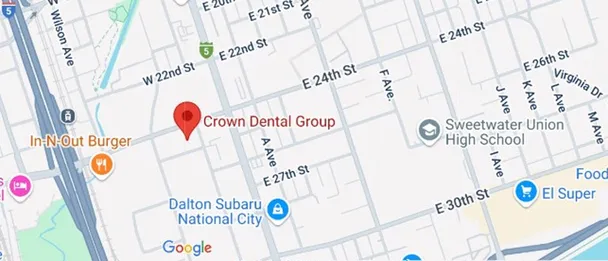
Crown Dental Group serves patients in National City and nearby communities, including Chula Vista, Bonita, and Imperial Beach.
Schedule a dental examination today.
- Crown Dental Group
- 2405 Transportation Ave
- National City, CA 91950
- Phone: (619) 474-6200
- Email: info@crowndentalnc.com
Find us here