What Is an Oral Cancer Screening? What Dentists Look for During an Examination
Learn what happens during an oral cancer screening, common warning signs, risk factors, and why regular dental examinations matter in National City, CA.
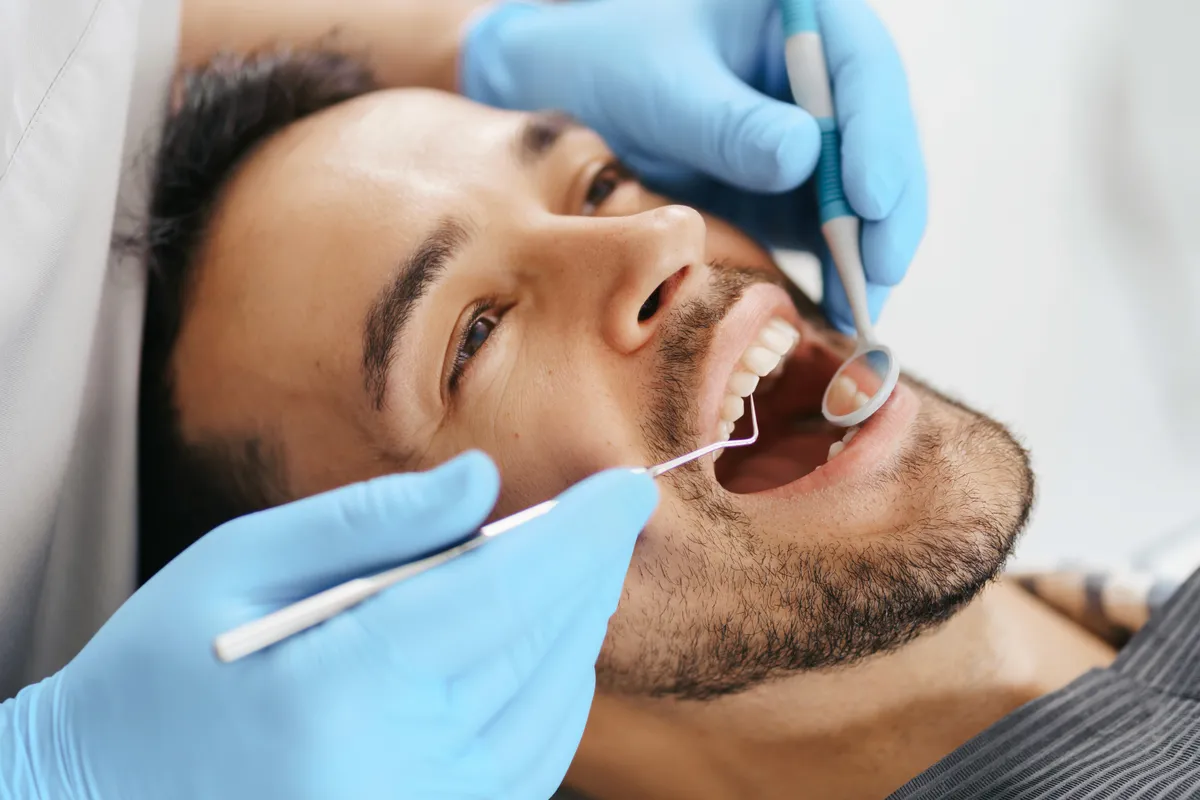
Most people visit the dentist to have their teeth checked for cavities, gum problems, or other concerns. However, a comprehensive dental examination can also involve looking for unusual changes in the soft tissues of the mouth.
An oral cancer screening is an examination that looks for abnormalities in the mouth and surrounding areas that may require further investigation. It can help identify suspicious changes, including persistent sores, unusual patches, lumps, or tissue discoloration.
Oral cancer may develop in different areas of the mouth and can sometimes produce symptoms that are easy to overlook. Some changes may resemble ordinary irritation, which is why persistent or unexplained abnormalities should be evaluated by a dental or medical professional.
Understanding what an oral cancer screening involves, what dentists look for, and which symptoms deserve attention can help you take a more proactive approach to your oral health.
At Crown Dental Group in National City, CA, patients can discuss concerns about changes in their oral tissues and the importance of regular dental examinations.
What Is an Oral Cancer Screening?
An oral cancer screening is an examination of the mouth and related tissues to look for abnormalities that could indicate oral cancer or another condition requiring further evaluation.
During the screening, a dentist examines the visible surfaces of the mouth, including the tongue, gums, cheeks, lips, and roof and floor of the mouth. Depending on the examination, the dentist may also assess the throat and neck for unusual changes.
The purpose is to identify suspicious findings that may need additional testing. An oral cancer screening is not the same as a cancer diagnosis.
A visual and physical examination can help identify unusual tissue changes, but it cannot confirm whether a lesion is cancerous. If an area appears concerning, further evaluation may involve a specialist examination or a biopsy.
It is also important to understand that screening does not detect every case of oral cancer. Some abnormalities may not be visible during a routine examination, and some cancers may develop without obvious early symptoms.
What Areas Are Examined During an Oral Cancer Screening?
Oral cancer can affect several structures in and around the mouth. During an examination, the dentist checks different areas for changes in color, texture, shape, and tissue consistency.
1. Lips
The lips are examined for persistent sores, unusual patches, lumps, or areas that appear different from the surrounding tissue.
Changes on the lower lip deserve particular attention because prolonged ultraviolet exposure can contribute to lip cancer.
People who spend significant time outdoors may benefit from protecting their lips with a lip product containing sun protection.
2. Tongue
The dentist examines the top, sides, and underside of the tongue.
The sides and underside are particularly important areas to assess because oral cancers can develop in these locations.
The dentist may look for:
- Persistent red or white patches.
- Unexplained ulcers.
- Lumps or thickened areas.
- Changes in texture.
- Areas that bleed without an obvious cause.
- Persistent discomfort or numbness.
A change in tongue appearance does not automatically indicate cancer. Many oral conditions can produce similar findings, but unexplained or persistent changes should be examined.
3. Inner Cheeks
The inside surfaces of the cheeks are checked for unusual patches, sores, thickened tissue, or lumps.
Some changes may result from accidental biting, friction, or irritation from dental appliances. However, a lesion that does not heal or continues to change should not be assumed to be harmless.
4. Gums and Surrounding Tissue
The dentist examines the gums for persistent sores, unusual growths, changes in color, or areas that feel different from the surrounding tissue.
Because the gums can also be affected by inflammation and other noncancerous conditions, the dentist considers the appearance alongside symptoms and dental history.
5. Roof and Floor of the Mouth
The hard palate, soft palate, and floor of the mouth are also examined.
The floor of the mouth is the area beneath the tongue. It contains soft tissues that may not be easy to inspect without proper lighting and positioning.
The dentist may gently examine these areas for lumps, thickened tissue, persistent patches, or other abnormalities.
6. Neck and Jaw Area
The examination may also include gently feeling the neck and jaw area for unusual lumps or enlarged lymph nodes.
A lump in the neck can have several causes, including infection and inflammation. However, a persistent or unexplained lump should receive professional assessment.
8 Warning Signs of Oral Cancer You Should Know
Oral cancer does not always cause noticeable symptoms in its early stages. When symptoms occur, they may resemble other oral conditions.
Knowing which changes deserve attention can help you seek evaluation without unnecessarily assuming the worst.
1. A Mouth Sore That Does Not Heal
Small sores can develop after accidentally biting the cheek, irritating the mouth with food, or experiencing friction from dental appliances.
Most minor injuries improve as the tissue heals.
A sore that remains for more than two weeks, particularly without an obvious cause, should be examined. Persistent ulcers may have several explanations, but they should not be ignored.
2. Red or White Patches
Persistent red or white patches inside the mouth can sometimes be associated with potentially precancerous changes or oral cancer.
A white patch that does not wipe away may have several causes. Similarly, a red patch can result from inflammation or other oral conditions.
These changes cannot be diagnosed by appearance alone. A dentist may recommend further evaluation if a patch looks unusual or does not resolve.
3. A Lump or Thickened Area
An unexplained lump, swelling, or thickened area in the mouth or neck may require investigation.
Some lumps are caused by harmless conditions, infections, or irritation. However, a persistent or growing lump should be evaluated rather than monitored indefinitely without professional advice.
4. Persistent Mouth or Tongue Pain
Ongoing discomfort in the mouth, tongue, or throat may be associated with several dental and medical conditions.
Pain alone is not a reliable indicator of oral cancer. However, persistent pain without an identifiable cause deserves attention, especially when it occurs alongside a sore, lump, or unusual patch.
5. Difficulty Chewing or Swallowing
Difficulty swallowing, chewing, or moving the tongue normally can occur for many reasons.
If these changes persist or progressively worsen, seek professional evaluation. They may require assessment beyond a routine dental examination.
6. Numbness in the Mouth or Lips
Unexplained numbness or a persistent loss of sensation in the lips, tongue, or another area of the mouth should be assessed.
Numbness may have dental, nerve-related, or other medical causes. It should not automatically be attributed to a recent dental procedure or temporary irritation if it continues.
7. Persistent Hoarseness or Throat Discomfort
Changes in the voice, persistent throat discomfort, or a feeling that something is stuck in the throat may be associated with several conditions.
Although these symptoms are not specific to oral cancer, persistent changes should be evaluated by an appropriate healthcare professional.
8. A Lump in the Neck
An unexplained neck lump or swelling may be caused by an infection or enlarged lymph node. However, a lump that persists, grows, or occurs alongside other unusual oral symptoms should receive medical assessment.
Not everyone with these symptoms has oral cancer. Many have noncancerous conditions. The purpose of evaluation is to determine the cause rather than relying on symptoms alone.
What Are the Risk Factors for Oral Cancer?
Oral cancer can affect people with different health backgrounds. However, certain factors are associated with an increased risk.
Tobacco Use
Smoking cigarettes, cigars, pipes, and using smokeless tobacco products are major risk factors for oral cancer.
Tobacco contains harmful substances that can damage cells in the oral tissues. Long-term exposure increases the risk of developing cancer in the mouth and other parts of the body.
Avoiding tobacco is one of the most important steps people can take to reduce this risk.
Alcohol Consumption
Frequent or heavy alcohol consumption is associated with an increased risk of oral cancer.
The risk is particularly concerning when alcohol use is combined with tobacco use. These exposures can have a greater combined effect than either factor alone.
Reducing alcohol consumption and avoiding tobacco can help lower exposure to these risk factors.
Human Papillomavirus (HPV)
Certain types of human papillomavirus, particularly HPV-16, are associated with cancers of the oropharynx, which includes parts of the throat such as the tonsils and base of the tongue.
HPV-related oropharyngeal cancer is distinct from many cancers that develop in the front part of the mouth.
HPV vaccination can help protect against infections associated with several cancers. Discuss vaccination eligibility and preventive care with your healthcare provider.
Prolonged Sun Exposure
Ultraviolet radiation from sunlight can increase the risk of cancer affecting the lips, particularly the lower lip.
People who work or spend significant time outdoors may have greater cumulative exposure.
Using a lip balm with sun protection, wearing a wide-brimmed hat, and limiting unnecessary exposure during intense sunlight can help protect the lips.
Previous Oral Cancer or Precancerous Conditions
People who have previously been diagnosed with oral cancer or certain potentially precancerous oral conditions may require closer monitoring.
The appropriate follow-up schedule depends on the diagnosis, treatment history, and recommendations of the treating specialist.
Age and Other Individual Factors
Oral cancer risk generally increases with age, although younger people can also develop the disease.
Family history, immune status, and other health factors may be relevant in some cases. Having one or more risk factors does not mean that a person will develop oral cancer, and people without known risk factors can still be affected.
What Happens During an Oral Cancer Screening?
An oral cancer screening is generally a straightforward examination. It may be performed as part of a routine dental checkup.
Step 1: Reviewing Your Medical and Dental History
The dentist may ask about your medical history, tobacco use, alcohol consumption, medications, previous oral lesions, and any symptoms you have noticed.
Tell your dentist if you have experienced a persistent sore, unusual patch, lump, numbness, or difficulty swallowing.
Providing accurate information helps the dentist understand your individual risk factors and determine whether further assessment is appropriate.
Step 2: Visual Examination
The dentist uses appropriate lighting and instruments to examine the visible tissues inside and around your mouth.
They may ask you to move your tongue or open your mouth in different positions to allow a closer view of areas that are difficult to inspect.
The dentist looks for unusual changes in color, shape, texture, and appearance.
Step 3: Physical Examination
The dentist may gently feel selected areas of the mouth, jaw, and neck to check for lumps, thickened tissue, or other abnormalities.
This allows the dentist to assess features that may not be apparent through visual inspection alone.
Step 4: Discussing the Findings
If the tissues appear normal, the dentist may continue with the rest of your dental examination.
If an unusual area is identified, the dentist will explain the findings and discuss the next steps. Depending on the appearance and clinical history, this may involve monitoring, additional examination, referral, or a biopsy.
A suspicious finding does not automatically mean cancer is present. Further testing is needed to establish a diagnosis.
What Happens If the Dentist Finds an Unusual Area?
If an area appears unusual, the next step depends on its characteristics and the patient’s clinical history.
Some lesions may be associated with temporary irritation or a recognizable noncancerous condition. In these situations, the dentist may recommend addressing the source of irritation and reviewing the area after an appropriate period.
Other findings may require referral to an oral surgeon, oral medicine specialist, or another healthcare professional.
When Is a Biopsy Needed?
A biopsy involves removing a small sample of tissue so it can be examined under a microscope.
A biopsy may be recommended when an area has features that require a more definitive diagnosis.
The procedure is generally performed by a qualified dental or medical professional using appropriate anesthesia. The tissue sample is sent to a laboratory for examination by a pathologist.
A biopsy is one of the methods used to confirm or rule out oral cancer. Visual examination alone cannot provide that confirmation.
If a biopsy is recommended, ask your healthcare professional why it is needed, what the procedure involves, and when you can expect the results.
Can an Oral Cancer Screening Prevent Cancer?
An oral cancer screening does not prevent cancer from developing. Its purpose is to identify suspicious tissue changes that may require further investigation.
However, taking steps to reduce known risk factors can help lower the likelihood of developing certain oral cancers.
Consider the following preventive measures:
- Avoid smoking and other tobacco products.
- Limit or avoid alcohol consumption.
- Discuss HPV vaccination with your healthcare provider.
- Protect your lips from prolonged ultraviolet exposure.
- Maintain regular dental examinations.
- Seek evaluation for persistent sores, patches, lumps, or unexplained oral symptoms.
It is also important to understand that there is no screening method that guarantees early detection of every oral cancer. Regular dental visits provide an opportunity to discuss changes and have suspicious findings evaluated.
How Often Should You Have an Oral Cancer Screening?
There is no universally established screening interval that guarantees prevention or early detection for every patient.
Dentists often examine the oral tissues during routine dental visits, particularly when patients have concerns or known risk factors.
The appropriate frequency of assessment depends on your medical and dental history, tobacco and alcohol exposure, previous oral conditions, and current symptoms.
If you have a history of oral cancer or a previously identified potentially precancerous lesion, follow the monitoring schedule recommended by your treating specialist.
Do not wait until your next routine appointment if you notice a persistent or unexplained change in your mouth.
Protect Your Oral Health With Crown Dental Group
An oral cancer screening is an important part of understanding your oral health beyond your teeth and gums. By examining the tongue, cheeks, lips, palate, and other oral tissues, a dental professional can identify unusual changes that may need further evaluation.
Although many oral abnormalities are noncancerous, persistent sores, patches, lumps, and unexplained symptoms should not be ignored.
At Crown Dental Group, patients can discuss oral health concerns and receive dental examinations to assess their teeth, gums, and surrounding tissues.
If you are in National City, Chula Vista, Bonita, Imperial Beach, or the surrounding South Bay San Diego communities, contact the office to arrange an appointment.
- Crown Dental Group
- 2405 Transportation Ave
- National City, CA 91950
- Phone: (619) 474-6200
- Email: info@crowndentalnc.com
Frequently Asked Questions
1. What is included in an oral cancer screening?
An oral cancer screening generally involves a visual and physical examination of the mouth and selected surrounding areas. The dentist checks the lips, tongue, cheeks, gums, roof and floor of the mouth, and may also examine the jaw and neck for unusual changes.
2. Does an oral cancer screening hurt?
No. A routine visual and physical screening is generally painless. The dentist may gently touch or feel certain areas of your mouth and neck. If further testing, such as a biopsy, is needed, the procedure is different and may involve local anesthesia.
3. Can a dentist detect oral cancer during a regular checkup?
A dentist may identify suspicious changes during a routine examination. However, a visual screening cannot confirm cancer. Additional evaluation and sometimes a biopsy are necessary to establish a diagnosis.
4. What does early oral cancer look like?
Possible warning signs include persistent red or white patches, sores that do not heal, unexplained lumps, thickened tissue, or unusual changes in the tongue or mouth. These findings can also have noncancerous causes, so professional assessment is necessary.
5. How long should a mouth sore last before I get it checked?
Many minor mouth sores improve within one to two weeks. A sore that lasts longer than two weeks, particularly without an obvious cause, should be examined by a dentist or healthcare professional.
6. Who is at higher risk of oral cancer?
Risk factors include tobacco use, heavy alcohol consumption, certain HPV infections, prolonged ultraviolet exposure to the lips, and a history of certain oral conditions. Oral cancer can still develop in people without these known risk factors.
7. Can oral cancer develop without pain?
Yes. Some oral cancers may not cause noticeable pain during their early stages. This is why persistent changes in tissue appearance, such as a patch, lump, or sore, should be evaluated even when they are not painful.
8. How often should I have an oral cancer screening?
Your dentist may examine your oral tissues during routine dental visits. The frequency of additional screening depends on your health history, symptoms, and risk factors. If you notice a new or persistent abnormality, seek an examination rather than waiting for your next scheduled visit.
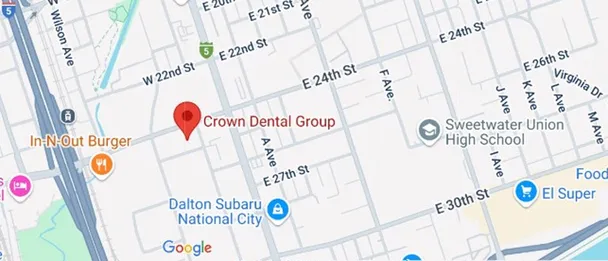
Find us here