What Is a Full-Mouth Dental Reconstruction? Understanding Comprehensive Smile Rehabilitation
Learn what full-mouth dental reconstruction involves, who may need it, common treatment options, and how dentists plan comprehensive smile rehabilitation.
When several teeth are damaged, missing, severely worn, or affected by long-term dental problems, treating each tooth individually may not be enough to restore overall oral function. Some patients require a more comprehensive approach that considers the condition of the entire mouth.
This is where full-mouth dental reconstruction may be recommended.
Full-mouth dental reconstruction, also called full-mouth rehabilitation, is a customized treatment approach that combines multiple restorative and sometimes cosmetic dental procedures to address extensive dental concerns. Rather than focusing on one isolated problem, the process evaluates how the teeth, gums, bite, and supporting structures work together.
The objective is to improve oral function, restore damaged teeth, replace missing teeth when appropriate, and establish a treatment plan that supports long-term dental health.
What Is Full-Mouth Dental Reconstruction?
Full-mouth dental reconstruction is a comprehensive treatment plan designed for patients who have multiple dental concerns affecting their oral health and daily function.
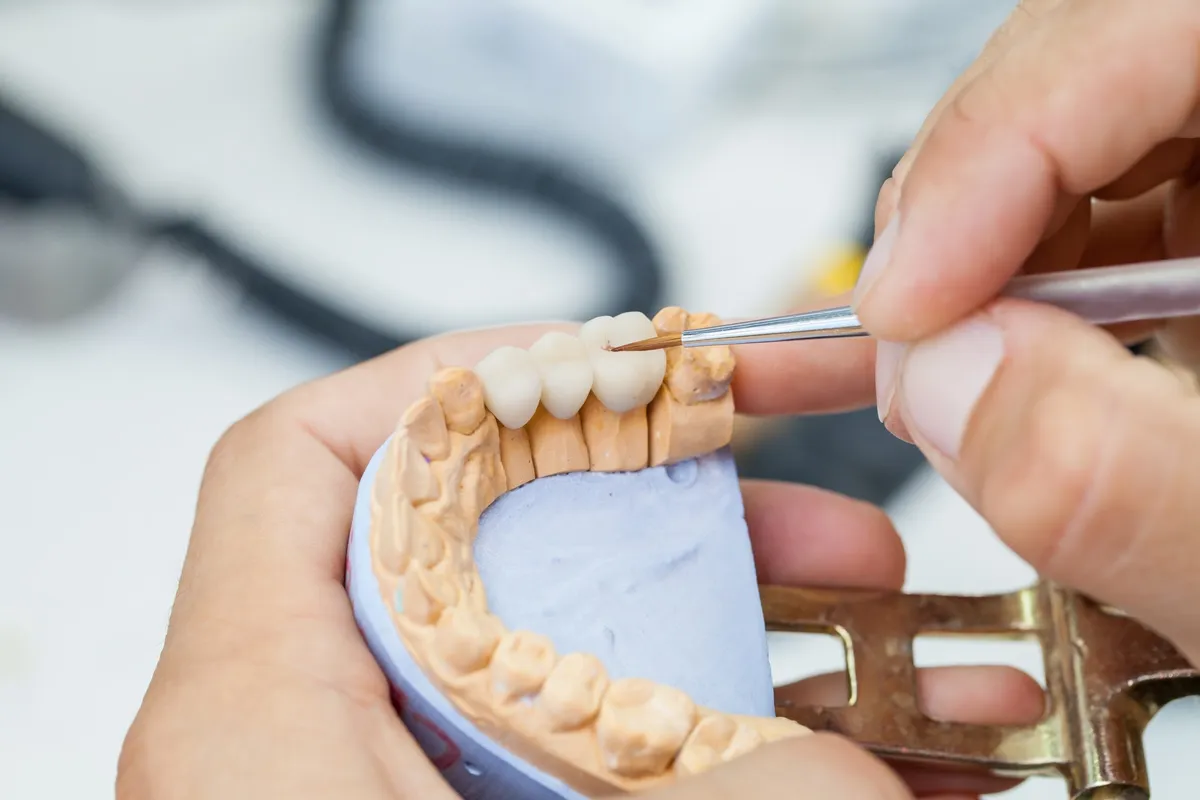
It may involve restoring, rebuilding, or replacing several teeth using a combination of dental procedures. Depending on the patient’s condition, treatment may include crowns, bridges, fillings, root canal therapy, dental implants, dentures, or periodontal treatment.
Despite the name, full-mouth reconstruction does not necessarily mean replacing every tooth. Some patients may only need treatment in specific areas, while others may require more extensive rehabilitation involving both the upper and lower arches.
The treatment is based on the condition of the patient’s existing teeth and supporting structures, as well as their functional and aesthetic needs.
Who May Need Full-Mouth Dental Reconstruction?
Not everyone with multiple dental problems requires full-mouth reconstruction. However, a comprehensive treatment approach may be appropriate when several issues affect the stability, appearance, or function of the teeth.
A dentist may consider this approach for patients experiencing the following:
1. Extensive Tooth Damage
Multiple teeth may become damaged due to untreated decay, fractures, previous dental problems, or other structural concerns. When several teeth require restoration, a coordinated treatment plan can help address them systematically.
2. Multiple Missing Teeth
Losing several teeth can affect chewing efficiency, speech, and the alignment of the remaining teeth. Depending on the patient’s oral condition, treatment may involve bridges, dentures, or dental implants.
3. Severe Tooth Wear
Teeth can gradually lose their natural structure through years of wear. Factors such as grinding, acid erosion, and other mechanical or chemical processes may contribute to changes in tooth shape and function.
When significant wear affects multiple teeth, the dentist may need to evaluate the overall bite and determine how to restore the affected surfaces.
4. Extensive Previous Dental Work
Older restorations may eventually require replacement or additional treatment. Patients with multiple failing fillings, crowns, bridges, or other restorations may benefit from a comprehensive evaluation to determine how the existing work can be addressed.
5. Problems Affecting the Bite and Chewing Function
When the teeth do not function together properly, patients may experience difficulty chewing or uneven contact between certain teeth. If these concerns occur alongside extensive dental damage, they may need to be considered as part of a broader rehabilitation plan.
What Treatments Are Included in Full-Mouth Reconstruction?
There is no single procedure used for every full-mouth reconstruction. The treatment plan depends on the patient’s specific dental condition.
Several restorative and supporting procedures may be combined.
Dental Crowns
Dental crowns cover the visible portion of a prepared tooth and are commonly used to restore teeth with extensive structural damage.
They may be recommended when a tooth needs more coverage and support than a conventional filling can provide.
Dental Bridges
Dental bridges replace one or more missing teeth by using supporting teeth or dental implants to hold the replacement teeth in place.
They may be considered when gaps in the dental arch need to be restored as part of a larger treatment plan.
Dental Implants
Dental implants are placed in the jawbone to support replacement teeth. Depending on the patient’s needs, implants may support individual crowns, bridges, or implant-supported dentures.
Options such as All-on-1 and All-on-6 may also be discussed for certain patients requiring more extensive tooth replacement.
Dental Fillings
When decay affects individual teeth but enough healthy structure remains, fillings may be used to restore the affected areas.
They can be incorporated into a comprehensive treatment plan alongside more extensive restorations.
Root Canal Treatment
If the inner pulp of a tooth becomes infected or inflamed, root canal treatment may be recommended to address the affected tissue and potentially preserve the natural tooth.
A crown or another restoration may be needed afterward, depending on the remaining tooth structure.
Dentures
For patients with multiple missing teeth, partial or complete dentures may be considered. The type of denture depends on how many natural teeth remain and the condition of the supporting oral tissues.
Periodontal Treatment
Healthy gums are essential for supporting natural teeth and dental restorations. If gum disease is present, periodontal treatment may be necessary before or alongside restorative procedures.
The dentist will determine which treatments are needed and how they should be sequenced.
How Do Dentists Plan a Full-Mouth Reconstruction?
Full-mouth reconstruction requires careful assessment because multiple treatments must work together. A restoration that looks appropriate on its own may not provide the desired result if the overall bite, supporting teeth, or gum condition is not considered.
The process typically involves several stages.
Step 1: Comprehensive Dental Examination
The dentist begins by evaluating the condition of the teeth, gums, bite, and existing restorations.
The examination may include:
- Checking for tooth decay and structural damage.
- Assessing missing teeth and the condition of surrounding teeth.
- Evaluating gum health.
- Examining how the upper and lower teeth meet.
- Reviewing existing crowns, bridges, fillings, and other dental work.
- Discussing concerns about chewing, comfort, and appearance.
This initial assessment helps establish the patient’s overall dental condition.
Step 2: Diagnostic Imaging and Records
Additional diagnostic information may be needed to understand the extent of the dental problems.
Depending on the case, this may include dental X-rays, CBCT imaging, photographs, digital impressions, and other records.
These tools help the dentist evaluate areas that cannot be fully assessed through a visual examination alone.
Step 3: Identifying Priorities
Not all dental problems require immediate treatment. The dentist considers which conditions present the greatest concerns and which procedures should be completed first.
For example, active infection or significant structural damage may need attention before elective cosmetic procedures.
The condition of the gums and supporting structures may also affect when restorative work can begin.
Step 4: Creating a Personalized Treatment Plan
Once the examination and diagnostic records are reviewed, the dentist develops a treatment plan based on the patient’s needs.
This includes identifying the procedures required, determining their order, and explaining the expected treatment process.
The plan may also account for the patient’s preferences, budget, and ability to attend multiple appointments.
Step 5: Completing Treatment in Stages
Full-mouth reconstruction is often completed over multiple appointments.
Some procedures may need to be performed before others to establish a healthy foundation for the final restorations. For example, gum treatment or root canal therapy may need to be completed before certain crowns or bridges are placed.
The dentist monitors progress throughout treatment and makes adjustments when necessary.
Why Is Bite Alignment Important During Full-Mouth Reconstruction?
One of the most important considerations in comprehensive dental rehabilitation is how the upper and lower teeth come together.
The bite influences how pressure is distributed during chewing. If certain teeth receive excessive or uneven force, restorations may be exposed to additional stress.
During full-mouth reconstruction, the dentist evaluates the patient’s bite to determine whether the proposed restorations will function together appropriately.
This may involve assessing:
- How the teeth contact when the mouth closes.
- Whether chewing forces are distributed appropriately.
- The position and condition of the remaining teeth.
- The relationship between the front and back teeth.
- Whether existing restorations interfere with normal tooth contact.
Depending on the findings, adjustments or additional treatment may be recommended.
The goal is to create a functional arrangement that supports the restored teeth while considering the patient’s overall oral health.
How Long Does Full-Mouth Dental Reconstruction Take?
The treatment timeline varies significantly from patient to patient.
Some cases may require only a few procedures, while more complex cases may involve multiple stages over several months or longer.
Factors that influence the timeline include:
- The number of teeth requiring treatment.
- Whether teeth need to be extracted or replaced.
- The presence of gum disease or infection.
- Whether dental implants are part of the treatment plan.
- The healing time required between procedures.
- The complexity of the bite and restorative work.
For example, dental implant treatment may require a healing period before the final restoration can be attached. Other procedures, such as fillings or certain crowns, may follow a different timeline.
Your dentist can provide a more realistic estimate after evaluating your condition.
Is Full-Mouth Reconstruction the Same as a Smile Makeover?
No. Although both approaches may involve several dental procedures, they have different primary objectives.
A smile makeover generally focuses on improving the appearance of the teeth and smile. Treatments may include veneers, cosmetic crowns, whitening, or other aesthetic procedures.
Full-mouth reconstruction focuses more broadly on restoring oral health and function. It may involve treating damaged teeth, replacing missing teeth, addressing gum concerns, and evaluating the bite.
Some patients may need both functional rehabilitation and aesthetic improvements. However, oral health and structural stability should be considered before elective cosmetic treatment.
What Should You Expect After Full-Mouth Reconstruction?
After completing treatment, patients may need time to adjust to their restorations, particularly when multiple teeth have been treated.
The way your teeth feel when biting, chewing, or speaking may initially seem different. Your dentist will assess the restorations and make adjustments if necessary.
Long-term maintenance is also important.
To protect your restored teeth:
- Brush twice daily using fluoride toothpaste.
- Clean between your teeth every day.
- Follow any additional cleaning instructions for bridges, dentures, or implants.
- Avoid chewing excessively hard objects.
- Wear a recommended night guard if you grind or clench your teeth.
- Attend regular dental examinations.
- Contact your dentist if you notice persistent discomfort, looseness, or changes in your bite.
Restorations can last for many years, but they are not permanent. Their condition should be monitored as part of your ongoing dental care.
Begin Your Dental Rehabilitation Journey at Crown Dental Group
When several teeth require attention, it is important to understand how each dental concern affects the rest of your mouth. A comprehensive evaluation can help identify the treatments needed and establish a practical order for addressing them.
At Crown Dental Group, patients can explore restorative dental options based on their individual oral health needs. From crowns and bridges to dental implants, dentures, root canal treatment, and periodontal care, treatment recommendations are guided by the condition of your teeth and supporting structures.
If you are dealing with multiple missing, damaged, or weakened teeth, schedule an examination to discuss whether full-mouth dental reconstruction may be appropriate.
Crown Dental Group serves patients in National City and nearby South Bay communities, including Chula Vista, Bonita, and Imperial Beach.
Schedule a consultation to discuss your comprehensive dental treatment options.
- Crown Dental Group
- 2405 Transportation Ave
- National City, CA 91950
- Phone: (619) 474-6200
- Email: info@crowndentalnc.com
Frequently Asked Questions About Full-Mouth Dental Reconstruction
1. Does full-mouth reconstruction mean replacing all my teeth?
No. Full-mouth reconstruction does not automatically involve replacing every tooth. The treatment may focus on restoring selected damaged teeth, replacing missing teeth, and addressing other concerns affecting overall oral function.
2. Is full-mouth dental reconstruction painful?
The experience depends on the procedures involved. Local anesthesia is commonly used for treatments that require it. Some temporary discomfort or sensitivity may occur during recovery, and your dentist can explain what to expect for each stage.
3. Can full-mouth reconstruction include dental implants?
Yes. Dental implants may be included when missing teeth need to be replaced. Depending on the patient’s condition, implants may support individual crowns, bridges, or larger implant-supported restorations.
4. How do I know if I need full-mouth reconstruction?
Patients with multiple damaged, missing, or severely worn teeth may benefit from a comprehensive dental evaluation. Your dentist will assess your teeth, gums, bite, and existing restorations before determining whether a coordinated treatment plan is necessary.
5. Can full-mouth reconstruction improve chewing function?
It may help improve chewing function by restoring damaged teeth, replacing missing teeth, and addressing certain bite concerns. The expected results depend on the patient’s starting condition and the treatments involved.
6. Is full-mouth reconstruction considered cosmetic dentistry?
Not primarily. Full-mouth reconstruction focuses on restoring oral health and function, although improving the appearance of the smile may also be part of the treatment plan.
7. How much does full-mouth dental reconstruction cost?
The cost varies depending on the number and type of procedures required. A treatment plan involving fillings and crowns will have different costs from one that includes multiple implants, bridges, or dentures. A dental examination is necessary to develop an accurate estimate.
8. How long do the results of full-mouth reconstruction last?
There is no single lifespan for full-mouth reconstruction because it involves different types of restorations. Crowns, bridges, implants, and dentures each have different maintenance requirements. Good oral hygiene, regular dental visits, and following your dentist’s recommendations help support their long-term function.
Find us here