What Is a Dental Occlusal Adjustment? How Dentists Correct Uneven Bite Contact
Learn what dental occlusal adjustment is, why dentists recommend it, how the procedure works, and what to expect when correcting uneven bite contact.
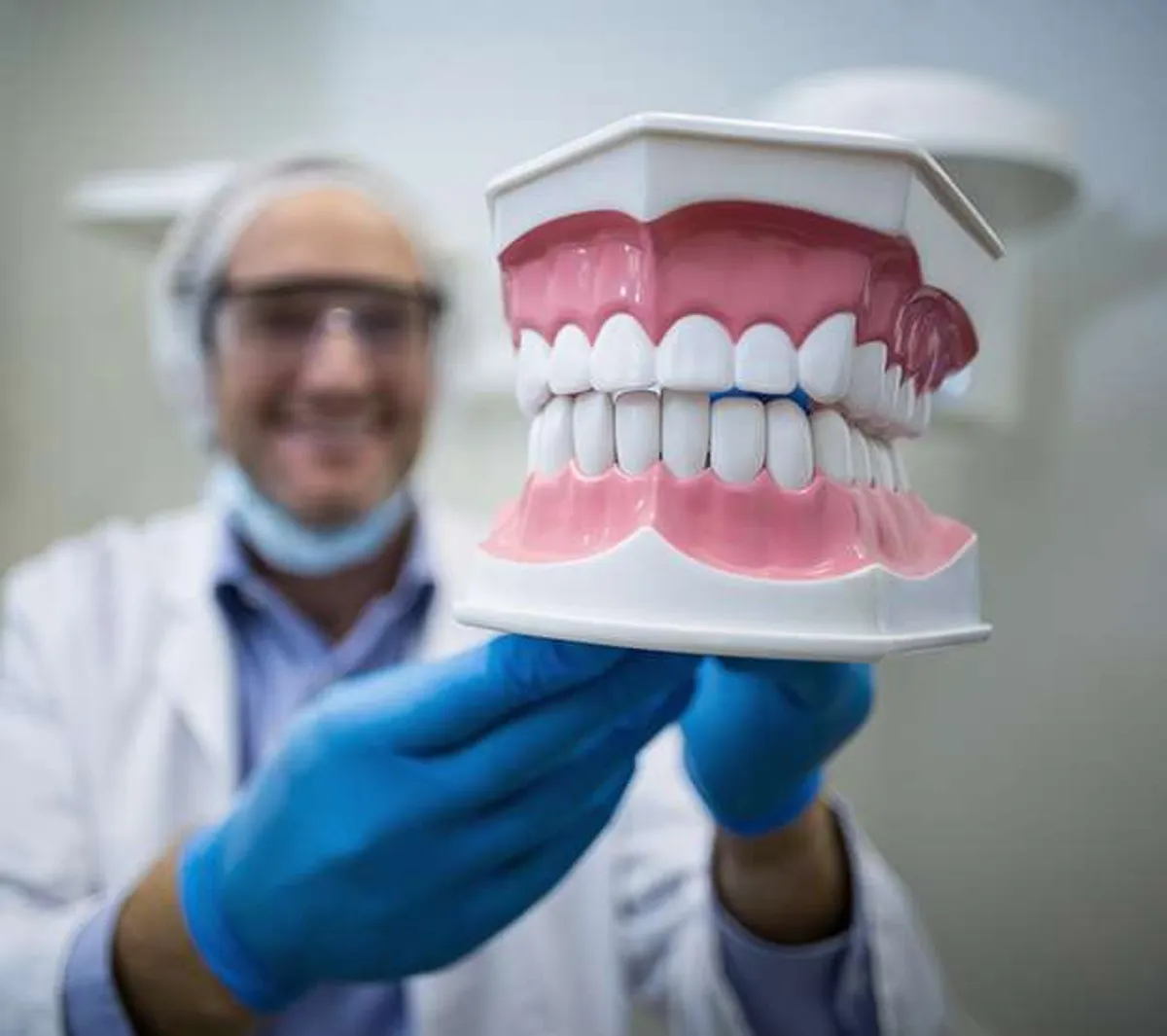
When you close your mouth, your upper and lower teeth should come together in a way that allows you to bite and chew comfortably. However, certain teeth may sometimes make contact earlier or experience more pressure than others.
This uneven contact can place additional stress on specific teeth and dental restorations. In selected cases, a dentist may recommend a procedure called dental occlusal adjustment to refine how the teeth meet.
Also known as bite adjustment or selective grinding, occlusal adjustment involves carefully reshaping small areas of tooth enamel to correct specific contact points. The procedure is intended to improve the relationship between the upper and lower teeth when an identifiable bite interference is present.
Understanding how occlusal adjustment works can help you recognize when it may be appropriate and why it requires a careful dental assessment.
What Is Dental Occlusal Adjustment?
Dental occlusal adjustment is a procedure in which a dentist makes small, controlled changes to selected tooth surfaces to improve how the upper and lower teeth contact each other.
The term occlusion refers to the way your teeth come together when you bite. Ideally, the contact between your teeth should allow normal chewing without placing unnecessary stress on individual teeth.
However, certain factors can create uneven contact. For example, a dental restoration may sit slightly too high, or changes in the teeth may affect how the bite comes together.
During an occlusal adjustment, the dentist identifies specific areas of excessive or premature contact and carefully reshapes them when clinically appropriate.
The procedure does not involve moving teeth into new positions. Instead, it modifies small portions of the existing tooth surface.
Why Do Dentists Recommend Bite Adjustment?
Not every uneven bite requires treatment. Dentists first determine whether the contact pattern is causing a problem that can be addressed through occlusal adjustment.
There are several situations in which the procedure may be considered.
1. A Dental Restoration Feels Too High
One common reason for an occlusal adjustment is a new filling, crown, or other restoration that feels higher than the surrounding teeth.
You may notice that the treated tooth touches first when you close your mouth. This can make biting feel uncomfortable or uneven.
The dentist can check the restoration’s contact points and make minor adjustments if necessary.
2. Uneven Tooth Contact
Some teeth may experience heavier contact than others during biting. When an identifiable interference contributes to discomfort or excessive loading, the dentist may evaluate whether selective adjustment is appropriate.
The objective is to improve the distribution of contact without unnecessarily removing healthy tooth structure.
3. Discomfort When Biting
If a particular tooth feels uncomfortable when you bite down, the dentist may examine how it contacts the opposing teeth.
However, pain during biting does not automatically mean that the tooth needs an occlusal adjustment. Cracks, decay, inflammation, infection, and other conditions can also cause similar symptoms.
The underlying cause must be identified before treatment is recommended.
4. Certain Dental Restorations Need Refinement
Crowns, bridges, and other restorations are designed to fit within the patient’s existing bite. Sometimes, minor refinements are needed after placement to improve how the restoration contacts the opposing teeth.
An occlusal adjustment may be performed as part of the finishing process when the dentist identifies an area that needs correction.
5. Excessive Contact on Specific Teeth
Certain teeth may experience concentrated pressure during chewing. If the dentist identifies a specific contact interference that contributes to excessive loading, adjustment may be considered as part of a broader treatment plan.
The dentist must also consider other factors, such as grinding, clenching, tooth alignment, and the condition of the supporting structures.
What Causes an Uneven Bite?
Several factors can influence how your teeth come together. Some develop gradually, while others become noticeable after dental treatment or changes in the mouth.
Common contributing factors include:
Dental restorations: A filling, crown, or bridge that requires further refinement may create a contact point that feels too high.
Tooth movement: Teeth can shift over time, changing the way the upper and lower arches meet.
Tooth wear: Changes in tooth shape caused by wear may affect existing contact patterns.
Missing teeth: Losing teeth can alter the distribution of chewing forces and allow surrounding teeth to move into available spaces.
Tooth alignment differences: The position and shape of individual teeth influence how they contact opposing teeth.
Grinding and clenching: Repeatedly applying pressure to the teeth can contribute to wear and changes in tooth surfaces.
Identifying the cause is important because occlusal adjustment only addresses certain types of bite interference. It does not correct every underlying dental or alignment problem.
How Do Dentists Check Your Bite?
Before performing an occlusal adjustment, the dentist needs to understand how your teeth contact each other.
This involves more than asking you to bite down. The dentist evaluates your bite from different positions and may use specialized materials to identify specific contact points.
Articulating Paper
Articulating paper is a thin, colored material placed between the upper and lower teeth.
When you bite down, the paper leaves marks on the surfaces that make contact. These markings help the dentist identify areas that may require closer evaluation.
The marks are used as a guide, but their size or intensity alone does not determine how much pressure a tooth experiences.
Bite Examination
The dentist may ask you to close your mouth, bite down, and move your jaw from side to side.
These movements help assess how the teeth contact during different stages of jaw movement.
Examination of Teeth and Restorations
The dentist also checks for signs of wear, damaged restorations, fractures, and other conditions that may affect the bite.
If discomfort is present, additional diagnostic tests or dental imaging may be recommended to investigate other possible causes.
What Happens During a Dental Occlusal Adjustment?
The procedure is generally straightforward when only minor refinements are required. However, the amount of adjustment depends on the specific contact points and the dentist’s findings.
Step 1: Identifying the Contact Points
The dentist uses articulating paper or other bite assessment methods to identify where the teeth make contact.
You may be asked to bite down several times so the dentist can observe the contact pattern.
Step 2: Marking Areas for Adjustment
The dentist examines the markings and determines whether any specific areas require modification.
Not every marked area needs to be adjusted. The goal is to identify clinically significant interferences rather than remove tooth structure simply to make the markings look uniform.
Step 3: Carefully Reshaping the Tooth Surface
If adjustment is appropriate, the dentist uses a dental instrument to remove very small amounts of enamel or restorative material from selected areas.
The process is controlled and conservative because natural enamel does not grow back once removed.
Step 4: Rechecking the Bite
After the initial adjustment, the dentist checks the bite again using articulating paper and other examination methods.
Additional minor refinements may be made if necessary.
Step 5: Final Assessment
The dentist evaluates the result to ensure that the adjustment has addressed the identified interference without creating new problems.
You may also be asked how the bite feels when your teeth come together.
Does Dental Occlusal Adjustment Hurt?
Occlusal adjustment is generally a minimally invasive procedure and usually does not require local anesthesia when only small surface refinements are being made.
Patients may hear the sound of dental instruments during the procedure, but it is typically not painful.
However, the experience depends on the tooth being adjusted, the amount of work required, and whether other dental conditions are present.
If you experience discomfort during the procedure, inform your dentist so the area can be evaluated.
What Should You Expect After Bite Adjustment?
After an occlusal adjustment, your bite may feel different because the dentist has modified the contact between selected teeth.
Some patients notice an immediate change when closing their mouth. Others may need time to become familiar with the revised contact pattern.
Follow your dentist’s instructions and monitor how the adjusted tooth feels during normal eating and biting.
Contact your dental office if you experience:
- Persistent discomfort when biting.
- New sensitivity that does not improve.
- A feeling that your teeth no longer come together properly.
- Pain that develops or becomes worse after treatment.
These symptoms may require another examination to determine whether additional adjustment or a different treatment is needed.
Can Occlusal Adjustment Fix Teeth Grinding?
Occlusal adjustment is not a cure for teeth grinding, also known as bruxism.
Grinding and clenching involve repeated jaw muscle activity that can place pressure on the teeth and supporting structures. Although an uneven contact point may sometimes be evaluated as part of the assessment, simply reshaping the teeth does not necessarily stop the behavior.
Treatment may involve identifying contributing factors, monitoring tooth wear, and using a custom night guard to help protect the teeth.
A night guard provides a protective barrier between the upper and lower teeth. It does not necessarily eliminate grinding or clenching, but it may help reduce damage associated with these habits.
Your dentist can determine whether a night guard or another approach is appropriate.
Is Occlusal Adjustment Suitable for Everyone?
No. Occlusal adjustment is only appropriate in selected cases where the dentist identifies a specific contact issue that can be corrected safely.
It may not be recommended when:
- The bite issue is caused primarily by significant tooth misalignment.
- The teeth require orthodontic treatment.
- There is active decay or an untreated dental infection.
- A tooth has a crack or another structural problem that needs separate treatment.
- The proposed adjustment would require removing too much healthy enamel.
In some cases, the appropriate treatment may involve replacing or modifying a restoration, orthodontic treatment, or another restorative procedure.
Because enamel removal is irreversible, the dentist should have a clear clinical reason before proceeding.
Why a Professional Bite Evaluation Matters
An uneven bite can have several possible causes, and the appropriate treatment depends on identifying the underlying issue.
Attempting to correct the contact between teeth without a proper examination can result in unnecessary removal of healthy tooth structure or failure to address the actual source of discomfort.
A professional evaluation allows the dentist to examine your teeth, existing restorations, and bite patterns before recommending any adjustments.
The goal is not to make every tooth contact exactly the same way. It is to establish a functional bite that considers the patient’s individual dental structure.
Schedule a Dental Bite Evaluation at Crown Dental Group
If your teeth do not seem to come together comfortably, or a recent filling or crown feels too high, a dental evaluation can help identify the cause.
At Crown Dental Group, patients can receive dental examinations and restorative care to address concerns involving tooth damage, existing restorations, and overall oral function.
Whether you are experiencing discomfort when biting or simply want to have your bite assessed, the dentist can determine whether an occlusal adjustment or another treatment approach is appropriate.
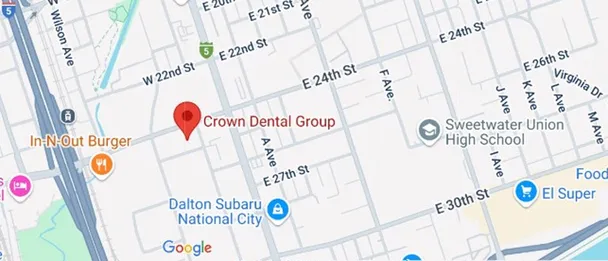
Crown Dental Group serves patients in National City and surrounding communities, including Chula Vista, Bonita, and Imperial Beach.
Schedule an appointment for a dental evaluation.
- Crown Dental Group
- 2405 Transportation Ave
- National City, CA 91950
- Phone: (619) 474-6200
- Email: info@crowndentalnc.com
Frequently Asked Questions About Dental Occlusal Adjustment
1. What is the difference between occlusal adjustment and orthodontic treatment?
Occlusal adjustment involves carefully reshaping selected tooth surfaces to correct specific contact points. Orthodontic treatment uses appliances such as braces or clear aligners to move teeth into different positions. They address different dental concerns and are not interchangeable.
2. How long does a dental occlusal adjustment take?
The duration depends on the number of teeth involved and the complexity of the adjustment. Minor refinements may take only a short appointment, while more involved bite evaluations may require additional time.
3. Does occlusal adjustment permanently change my teeth?
Yes. The procedure involves removing small amounts of enamel or restorative material, making the changes irreversible. This is why dentists perform it conservatively and only when clinically indicated.
4. Can occlusal adjustment fix jaw pain?
It may help in selected cases where a specific bite interference contributes to the problem. However, jaw pain can have several causes, including temporomandibular disorders, muscle tension, and other conditions. An evaluation is necessary before determining the appropriate treatment.
5. Do I need occlusal adjustment after getting a dental crown?
Not everyone needs it. However, if a crown feels too high or creates an uncomfortable contact point, the dentist may evaluate whether a minor adjustment is necessary.
6. Can an uneven bite cause tooth damage?
Uneven or excessive contact may contribute to concentrated forces on certain teeth, particularly when combined with grinding or clenching. However, tooth damage can have several causes, and an examination is needed to determine what is happening.
7. Will my teeth move after an occlusal adjustment?
Occlusal adjustment does not physically move teeth into new positions. It changes selected contact surfaces. If your teeth are shifting, another underlying issue may need to be evaluated.
8. How do I know if I need a bite adjustment?
You may need an evaluation if a tooth feels like it touches first, a new restoration feels too high, or biting feels uncomfortable. These symptoms do not automatically mean you need occlusal adjustment. Your dentist must identify the cause before recommending treatment.
Find us here