What Is a Dental Night Guard? How It Helps Protect Teeth From Grinding
Learn how dental night guards protect teeth from grinding, compare custom and over-the-counter options, and discover when to see a dentist in National City, CA.
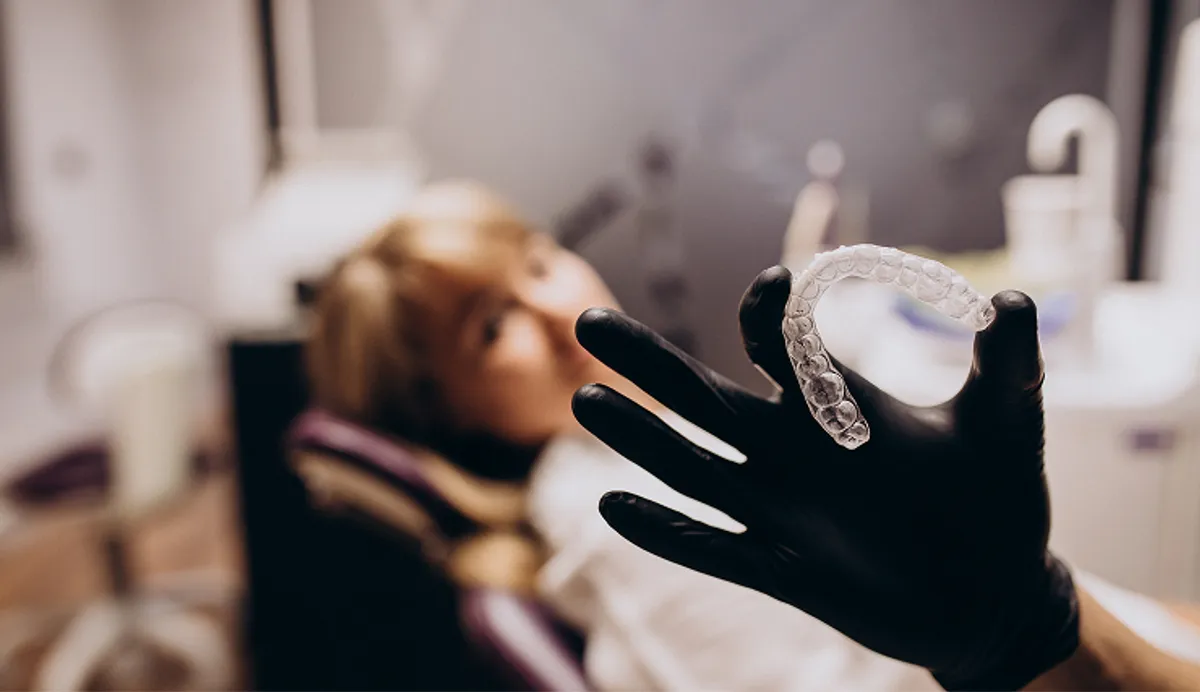
Do you wake up with jaw soreness, headaches, or teeth that feel sensitive in the morning? These symptoms can sometimes be associated with bruxism, the medical term for clenching or grinding your teeth. Because grinding often happens during sleep, you may not realize you are doing it until a dentist notices signs of wear or you begin experiencing discomfort.
One option dentists may recommend is a dental night guard. This oral appliance fits over your teeth and helps protect them from some of the effects of grinding and clenching.
However, not all night guards are the same, and wearing one does not necessarily eliminate the underlying cause of bruxism. Understanding how night guards work, which type may be appropriate, and how to care for one can help you make an informed decision about protecting your teeth.
At Crown Dental Group in National City, CA, a dental evaluation can help determine whether a night guard may be suitable for your needs.
What Is a Dental Night Guard?
A dental night guard is a removable oral appliance worn over the upper or lower teeth, usually while sleeping. It creates a protective barrier between the teeth and helps reduce direct tooth-to-tooth contact during grinding or clenching.
Night guards are also called occlusal guards, bite guards, or dental splints. Although these terms are sometimes used interchangeably, different appliances may have different designs and purposes.
A night guard is generally intended to protect the teeth and restorations from excessive contact forces. Depending on the appliance and the individual, it may also help manage certain symptoms associated with jaw muscle activity.
It is important to understand that a night guard does not necessarily stop a person from grinding. Instead, it is designed primarily to reduce some of the potential consequences of that activity.
What Is Bruxism, and Why Does It Matter?
Bruxism involves repetitive jaw muscle activity that may include clenching, grinding, or bracing the jaw. It can occur while a person is awake or asleep.
Sleep bruxism happens during sleep and may go unnoticed until symptoms develop. Awake bruxism often involves clenching or holding the jaw tense during periods of concentration, stress, or other activities.
The exact causes vary. Bruxism may be associated with factors such as stress, certain medications, sleep-related conditions, and individual differences in jaw muscle activity. It is not always possible to identify one specific cause.
When grinding or clenching is frequent or forceful, it may contribute to:
- Flattened or worn tooth surfaces.
- Chipped teeth or damage to existing restorations.
- Tooth sensitivity.
- Jaw muscle fatigue or soreness.
- Discomfort around the temples or face.
- Damage to dental crowns, fillings, or other restorations.
These symptoms can have other causes as well. For example, morning headaches may be related to sleep problems or other health conditions, while jaw pain can result from temporomandibular disorders or other issues. A dental examination can help determine whether bruxism may be contributing to your symptoms.
How Does a Night Guard Protect Your Teeth?
A night guard places a layer of material between the upper and lower teeth. This barrier helps reduce direct contact between opposing tooth surfaces when you clench or grind.
Depending on its design, a properly fitted guard may help distribute contact forces across the appliance and protect teeth from some of the wear associated with repeated grinding.
It Helps Reduce Direct Tooth Wear
Repeated grinding can gradually remove enamel, the hard outer layer of the teeth. Enamel does not regenerate once it has been lost.
By creating a barrier between the teeth, a night guard helps protect their surfaces from direct grinding contact. This can be particularly important for people who have already developed signs of tooth wear.
The appliance does not rebuild lost enamel or reverse existing damage. If your teeth are already worn, your dentist can evaluate whether restorative treatment or additional protection is needed.
It Can Help Protect Existing Dental Work
Grinding may place additional stress on fillings, crowns, veneers, and other restorations. Depending on the severity of the grinding and the type of restoration, this stress may contribute to chipping, loosening, or damage.
A night guard may help protect restorations by reducing direct tooth contact. However, it cannot guarantee that restorations will remain undamaged.
If you have extensive dental work, implants, or a history of broken restorations, tell your dentist before choosing a night guard. The appliance should be selected with your dental history and bite in mind.
It May Help Manage Some Jaw Symptoms
Some people who clench or grind their teeth experience jaw muscle soreness or fatigue. A properly selected oral appliance may help some patients manage symptoms associated with bruxism.
However, results vary. Night guards do not treat every cause of jaw pain, and they are not a guaranteed solution for headaches or temporomandibular disorders.
If your jaw pain persists, worsens, or limits your ability to open your mouth or chew, seek professional evaluation rather than relying on a night guard alone.
Types of Dental Night Guards
Night guards are available in several forms. The most suitable option depends on your grinding pattern, dental condition, comfort needs, and the level of protection required.
1. Custom-Made Night Guards
A custom night guard is made for your teeth using dental impressions or digital scans. The dentist evaluates your mouth and selects an appliance based on your individual needs.
Potential advantages include:
- A fit designed for your teeth and bite.
- Better control over the appliance’s thickness and coverage.
- The ability to account for existing restorations and other dental considerations.
- Professional assessment of comfort, retention, and function.
Custom appliances may be particularly useful for people with significant grinding, existing tooth wear, or dental restorations that need protection.
However, a custom guard may cost more initially than an over-the-counter product. It also requires appropriate cleaning, maintenance, and periodic evaluation.
2. Over-the-Counter Night Guards
Over-the-counter night guards are available without a dental appointment. Some are designed to be softened in hot water and molded at home, while others come in standard sizes.
These products may be more accessible and less expensive upfront. However, their fit and thickness may not be ideal for every mouth.
Potential limitations include:
- Bulkiness or discomfort.
- Difficulty retaining the guard securely.
- Inadequate fit around the teeth.
- Interference with the bite.
- Limited suitability for certain dental conditions.
An appliance that fits poorly may be difficult to tolerate or may create unwanted pressure. If you have crowns, bridges, loose teeth, significant dental work, jaw pain, or untreated dental problems, consult a dentist before using an over-the-counter guard.
Do not continue wearing a guard that causes pain, changes your bite, or feels excessively tight.
3. Hard, Soft, and Dual-Laminate Guards
Night guards may also differ according to the material used.
Hard guards are made from a more rigid material and may be selected for certain grinding patterns or clinical needs.
Soft guards use more flexible material and may feel more comfortable to some patients, although they are not ideal for every situation.
Dual-laminate guards combine layers of different materials to provide a balance of flexibility and durability.
There is no single material that is best for everyone. Your dentist can recommend an appliance based on the severity of your grinding, your bite, your dental condition, and your ability to tolerate the guard.
What Happens When You Get a Custom Night Guard?
Getting a custom night guard generally involves an examination, appliance fabrication, and a fitting appointment.
Step 1: Dental Examination
Your dentist will ask about your symptoms, sleep habits, medical history, and any history of clenching or grinding. The examination may include checking for tooth wear, cracks, damaged restorations, jaw muscle tenderness, and other signs that could be associated with bruxism.
If your symptoms suggest another condition, additional evaluation may be necessary.
Step 2: Impressions or Digital Scans
If a custom guard is appropriate, the dental team will record the shape of your teeth using an impression or digital scan. These records are used to create an appliance that fits your mouth.
The dentist will also determine which teeth the guard should cover and which design is suitable for your needs.
Step 3: Fabrication and Fitting
The guard is fabricated using the selected design and material. At the fitting appointment, the dentist checks how it sits over the teeth and makes adjustments as needed.
The appliance should remain secure without causing significant pressure or discomfort. Your dentist may provide instructions about insertion, removal, cleaning, and when to wear it.
Step 4: Follow-Up and Maintenance
A night guard should be checked periodically to ensure that it continues to fit properly and provides appropriate protection.
Your teeth, restorations, and bite may change over time. The appliance itself can also wear down or become damaged. If the guard develops cracks, becomes loose, or no longer fits comfortably, arrange an evaluation.
How to Care for Your Dental Night Guard
Proper cleaning helps keep your appliance in good condition and reduces the buildup of debris and microorganisms.
Follow the cleaning instructions provided by your dentist or the appliance manufacturer. General care practices include:
- Rinse after use: Rinse the appliance with cool or lukewarm water after removing it.
- Clean it regularly: Use a soft toothbrush and a cleaning method recommended for your specific guard.
- Avoid excessive heat: Hot water may distort certain materials and affect the fit.
- Let it dry: Allow the appliance to dry before placing it in its ventilated storage case.
- Store it safely: Keep the case clean and away from pets, which may chew on the appliance.
- Inspect it regularly: Look for cracks, rough edges, discoloration, or changes in fit.
Avoid using harsh chemicals, abrasive cleaners, or toothpaste unless your dentist confirms they are appropriate for your appliance. Some products can scratch or damage the material.
Bring your night guard to dental appointments when possible so your dentist can inspect its condition.
How Long Does a Night Guard Last?
The lifespan of a night guard varies according to the material, the severity of grinding, how frequently it is worn, and how well it is maintained.
Someone who grinds forcefully every night may wear through an appliance more quickly than someone with occasional clenching. A soft guard may also show wear differently from a hard custom appliance.
There is no universal replacement schedule that applies to every patient. Your dentist can assess the guard and recommend replacement when it becomes worn, damaged, loose, or unsuitable for your current bite.
Do not wait for the appliance to break completely before asking whether it needs replacement. Significant wear may reduce its ability to provide the intended protection.
Can a Night Guard Stop Teeth Grinding Completely?
Usually, a night guard should not be considered a cure for bruxism.
The appliance primarily protects the teeth from direct contact. It does not necessarily eliminate the muscle activity that causes grinding or clenching.
If your bruxism may be associated with stress, medication use, sleep disruption, or another health condition, your dentist or healthcare provider may recommend further evaluation.
For example, sleep-related symptoms such as loud snoring, gasping during sleep, or excessive daytime sleepiness should be discussed with a healthcare professional. These symptoms may warrant assessment for a sleep disorder rather than simply using a dental appliance.
Avoid assuming that a night guard alone addresses every cause of grinding. A more complete approach depends on your symptoms and individual risk factors.
When Should You See a Dentist About Teeth Grinding?
Consider scheduling a dental appointment if you notice:
- Frequent jaw soreness when you wake up.
- Teeth that appear increasingly worn or flattened.
- Repeated chips or damage to fillings and crowns.
- Tooth sensitivity without an obvious explanation.
- Jaw discomfort when chewing.
- Someone has noticed that you grind your teeth while sleeping.
- A night guard that no longer fits properly or causes discomfort.
Seek prompt dental care if you suspect a tooth has cracked or broken. Severe jaw pain, a locked jaw, or difficulty opening your mouth also warrants professional assessment.
Early evaluation can help identify signs of damage and determine whether a night guard or another treatment is appropriate.
Protect Your Smile With Crown Dental Group
A dental night guard can be a useful option for protecting teeth from some of the effects of grinding and clenching. However, the right appliance depends on your dental condition, symptoms, bite, and the severity of the problem.
At Crown Dental Group, patients can discuss concerns about tooth wear, damaged restorations, jaw discomfort, and possible bruxism. A dental examination can help determine whether a night guard may be appropriate and whether additional evaluation is needed.
If you live in National City, Chula Vista, Bonita, Imperial Beach, or a surrounding South Bay San Diego community, contact Crown Dental Group to arrange an appointment.
- Crown Dental Group
- 2405 Transportation Ave
- National City, CA 91950
- Phone: (619) 474-6200
- Email: info@crowndentalnc.com
Frequently Asked Questions
1. Do I need a prescription for a dental night guard?
Over-the-counter night guards are available without a prescription. However, a dentist can help determine whether you need one and which type is appropriate. Custom-made guards require dental assessment and fabrication based on your teeth.
2. Is a custom night guard better than an over-the-counter guard?
A custom night guard is designed to fit your teeth and can be adjusted by a dentist. Over-the-counter products may be less expensive but can be bulkier or fit less precisely. The best choice depends on your dental condition, grinding pattern, and comfort needs.
3. Can I wear a night guard if I have crowns or fillings?
Many people with crowns or fillings can wear a night guard, but the appliance should be selected with those restorations in mind. Tell your dentist about your dental work so the fit and design can be evaluated.
4. Will a night guard stop my headaches?
A night guard may help some people whose headaches are associated with jaw muscle activity, but it will not address every cause of headaches. Persistent or severe headaches should be evaluated by an appropriate healthcare professional.
5. Can a night guard damage my teeth?
A properly selected and fitted guard is intended to protect the teeth. However, an appliance that fits poorly or causes discomfort may create problems. Stop using a guard that causes pain or a change in your bite and consult your dentist.
6. Should I wear my night guard every night?
Follow the wearing instructions provided by your dentist. If the appliance was prescribed for sleep bruxism, consistent use as directed may help protect your teeth. Do not assume that every type of oral appliance should be worn on the same schedule.
7. How do I know when to replace my night guard?
Signs that a guard may need replacement include cracks, holes, significant wear, looseness, or changes in fit. Your dentist can inspect the appliance and determine whether it remains suitable.
8. Can children use dental night guards?
Children who grind their teeth should be evaluated by a dentist rather than automatically given an adult night guard. Their teeth and jaws are still developing, so any appliance must be appropriate for their age, dental development, and individual needs.
Find us here