What Is a Dental Inlay or Onlay? Understanding Alternatives to Traditional Crowns
Learn the difference between dental inlays and onlays, when dentists recommend them, how treatment works, and how they compare with fillings and crowns.
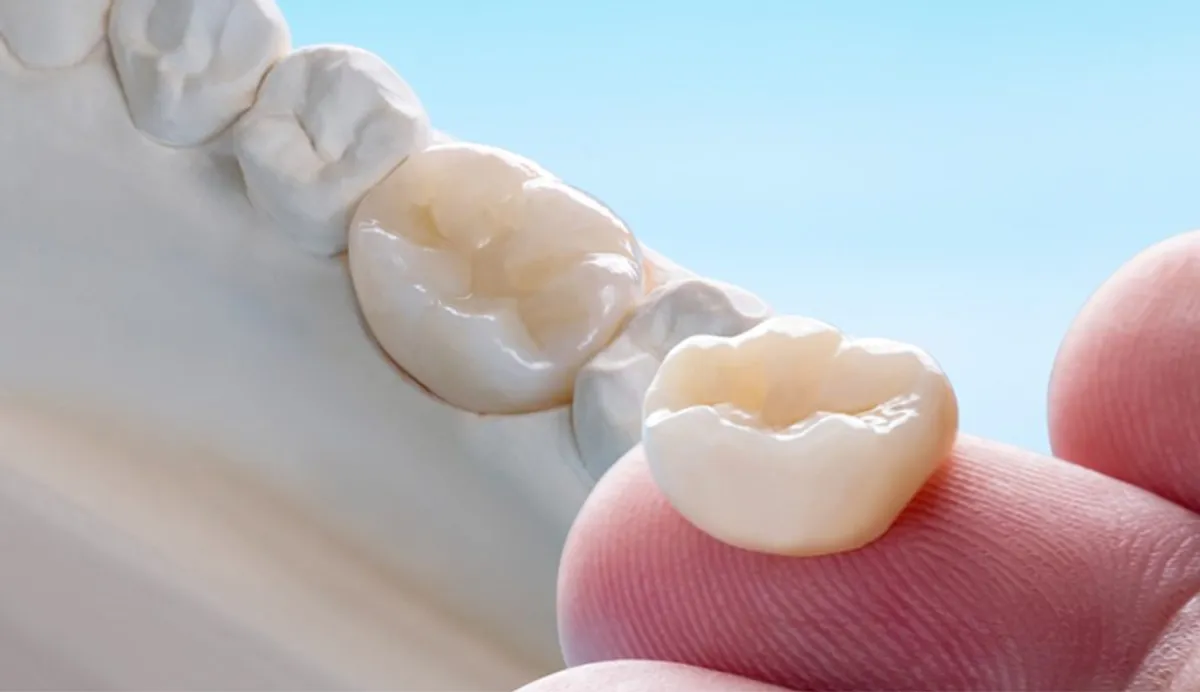
When a tooth has damage or decay that is too extensive for a standard filling, a dental crown is not always the only option. Depending on how much healthy tooth structure remains, a dentist may recommend an inlay or onlay instead.
These restorations are designed to repair damaged areas while preserving as much of the natural tooth as possible. They are custom-made to fit the affected portion of the tooth and can provide a more extensive repair than a conventional filling without necessarily covering the entire tooth like a crown.
Understanding the difference between dental inlays, onlays, fillings, and crowns can help you make informed decisions about restorative treatment.
What Is a Dental Inlay?
A dental inlay is a custom-made restoration used to repair damage within the grooves or central chewing surface of a tooth. It fits inside the tooth’s cusps, which are the raised points on the chewing surface.
Unlike a traditional filling, which is placed and shaped directly inside the mouth, an inlay is typically fabricated outside the mouth before being bonded or cemented into position.
Inlays are commonly used when a tooth has a cavity or structural damage that is too extensive for a standard filling but does not require a full crown.
The restoration is designed to match the prepared area, helping restore the tooth’s shape and chewing function.
What Is a Dental Onlay?
A dental onlay is similar to an inlay, but it covers a larger portion of the tooth. It extends over one or more cusps, providing additional support to areas that have been weakened or damaged.
An onlay may be recommended when the damage extends beyond the central chewing surface but enough healthy tooth structure remains to avoid a full crown.
Because an onlay covers part of the tooth’s outer surface, it can help protect weakened areas from further damage during normal biting and chewing.
Dental Inlay vs. Onlay: What Is the Difference?
The main difference between an inlay and an onlay is how much of the tooth they cover.
An inlay fits within the cusps of the tooth, while an onlay extends over at least one cusp. Both are custom restorations, but they are designed for different levels and locations of tooth damage.
Here is a simple comparison:
| Feature | Dental Inlay | Dental Onlay |
|---|---|---|
| Coverage | Fits within the cusps | Covers one or more cusps |
| Purpose | Repairs damage within the chewing surface | Repairs and supports more extensive damage |
| Tooth structure | Preserves the outer cusps | Covers weakened or damaged cusps |
| Common use | Moderate decay or damage | More extensive damage that does not require a full crown |
Your dentist will assess the location and extent of the damage before recommending either option.
How Are Inlays and Onlays Different From Fillings and Crowns?
Dental restorations are not interchangeable. Each option is intended for a different level of damage, and the appropriate treatment depends on the condition of the tooth.
Dental Fillings
Fillings are commonly used to repair cavities caused by tooth decay. The dentist removes the decayed portion and fills the space with a restorative material, often composite resin.
A filling is generally appropriate when the affected area is relatively small and the remaining tooth structure is strong enough to support it.
Dental Inlays and Onlays
Inlays and onlays are custom-made restorations used when a tooth needs more support than a standard filling can provide.
They are often considered when damage is too extensive for a direct filling, but a full crown would require removing more healthy tooth structure than necessary.
Dental Crowns
A dental crown covers the entire visible portion of a prepared tooth above the gumline. It is commonly recommended when a tooth has extensive damage, significant structural weakness, or has undergone certain procedures that leave it more vulnerable to fracture.
A crown provides coverage around the tooth, whereas an inlay or onlay restores only the affected area.
The goal is to select a restoration that provides adequate strength and protection while preserving healthy tooth structure whenever possible.
When Might a Dentist Recommend an Inlay or Onlay?
Not every damaged tooth requires a crown. An inlay or onlay may be appropriate depending on the condition of the tooth and how much healthy structure remains.
Your dentist may consider one of these restorations if:
1. You have a large cavity
When decay affects a significant portion of the chewing surface, a regular filling may not provide sufficient support. An inlay or onlay may offer a more suitable restoration.
2. An existing filling needs replacement
Older or damaged fillings may need to be replaced. If the affected area is too large for another conventional filling, a custom restoration may be considered.
3. A tooth has a damaged cusp
If one or more cusps are weakened or damaged, an onlay may help cover and protect those areas.
4. You have a cracked or weakened tooth
Some teeth develop cracks or structural weaknesses that require more support than a filling can provide. An inlay or onlay may be appropriate in selected cases, depending on the location and severity of the damage.
5. You want to preserve healthy tooth structure
When clinically appropriate, an inlay or onlay can restore the affected area without covering the entire tooth. This may allow the dentist to preserve more natural tooth structure than a full crown preparation.
However, these restorations are not suitable for every situation. Extensive fractures, severe decay, or insufficient remaining tooth structure may make a crown or another treatment more appropriate.
What Materials Are Used for Dental Inlays and Onlays?
Inlays and onlays can be made from different materials. The choice depends on the location of the tooth, the amount of force it experiences during chewing, appearance preferences, and the dentist’s clinical recommendation.
Common materials include:
Porcelain or Ceramic
Ceramic restorations can be made to resemble natural tooth enamel. They are often selected for their appearance and their ability to blend with surrounding teeth.
Composite Resin
Composite materials can be used to create restorations that match the color of natural teeth. Their suitability depends on the size of the restoration and the forces placed on the tooth.
Gold
Gold has historically been used for inlays and onlays because of its durability and ability to withstand chewing forces. However, its metallic appearance makes it less popular among patients who prefer tooth-colored restorations.
Your dentist can explain which material is suitable based on your dental needs.
What Happens During an Inlay or Onlay Procedure?
The process involves examining the tooth, preparing the damaged area, creating a custom restoration, and securing it in place.
Depending on the technology and treatment approach used, the procedure may be completed over multiple appointments or through a digital workflow.
Step 1: Dental Examination
Your dentist examines the affected tooth and may use dental X-rays or other diagnostic tools to evaluate the extent of the damage.
The goal is to determine whether an inlay, onlay, filling, or crown is the most appropriate treatment.
Step 2: Removing Decay and Preparing the Tooth
If decay is present, the dentist removes the affected tissue. The tooth is then shaped to create space for the restoration.
The preparation is designed to provide a suitable fit while preserving as much healthy tooth structure as possible.
Step 3: Creating the Custom Restoration
An impression or digital scan may be taken to record the shape of the prepared tooth and surrounding teeth.
The information is used to create a restoration that fits the prepared area. A temporary restoration may be placed while the final one is being made, depending on the treatment process.
Step 4: Fitting and Bonding
Once the inlay or onlay is ready, the dentist checks its fit, shape, and bite. Adjustments may be made before it is bonded or cemented into place.
The dentist then checks your bite to ensure the restoration does not interfere with normal chewing.
Step 5: Aftercare Instructions
You will receive instructions on caring for the restored tooth. Proper brushing, flossing, and routine dental examinations help protect the restoration and the surrounding tooth structure.
How Long Do Dental Inlays and Onlays Last?
The lifespan of an inlay or onlay varies depending on several factors, including the material, the size of the restoration, oral hygiene habits, and the amount of pressure placed on the tooth.
Some restorations can remain functional for many years when properly maintained. However, no restoration is permanent, and its condition should be monitored during regular dental visits.
To help protect your restoration:
- Brush twice daily with fluoride toothpaste.
- Clean between your teeth every day using floss or an appropriate interdental cleaner.
- Avoid chewing hard objects such as ice or pens.
- Do not use your teeth to open packages.
- Wear a dentist-recommended night guard if you grind or clench your teeth.
- Attend routine dental examinations so your dentist can check the restoration.
If you notice sensitivity, discomfort when biting, a rough edge, or a restoration that feels loose, schedule a dental evaluation.
Are Dental Inlays and Onlays Better Than Crowns?
Neither option is automatically better. The right treatment depends on the amount of damage and the strength of the remaining natural tooth.
An inlay or onlay may be suitable when the damage is limited to a specific area and enough healthy tooth structure remains to support the restoration.
A crown may be more appropriate when the tooth has extensive structural damage and requires coverage around its visible portion.
The objective is not simply to choose the smallest or largest restoration. It is to select a treatment that provides appropriate support, protects the tooth, and addresses the underlying dental problem.
Your dentist can explain the advantages and limitations of each option after examining your tooth.
Restore Damaged Teeth at Crown Dental Group in National City
A damaged tooth does not always require the same treatment as another patient’s tooth. The right restoration depends on the location of the damage, the amount of healthy tooth structure remaining, and your overall oral health.
At Crown Dental Group, patients can receive restorative dental care designed to address damaged teeth and support long-term oral health. If you have a large filling, a weakened tooth, or an area of damage that needs attention, a dental examination can help determine whether an inlay, onlay, filling, or crown is appropriate.
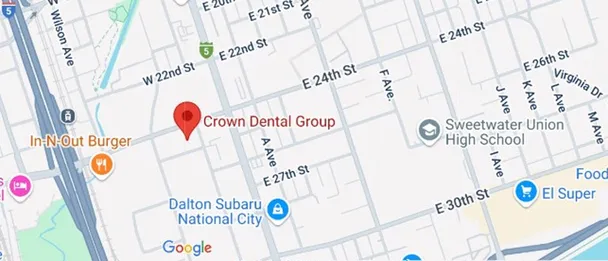
Crown Dental Group serves patients in National City and nearby communities, including Chula Vista, Bonita, and Imperial Beach.
Schedule an appointment to discuss your restorative dental options.
- Crown Dental Group
- 2405 Transportation Ave
- National City, CA 91950
- Phone: (619) 474-6200
- Email: info@crowndentalnc.com
Frequently Asked Questions About Dental Inlays and Onlays
1. Is a dental inlay the same as a filling?
No. A filling is usually placed and shaped directly inside the tooth. An inlay is custom-made to fit a prepared area within the tooth’s cusps and is then bonded or cemented into place. Inlays are generally considered when a tooth needs more extensive restoration than a standard filling can provide.
2. Does an onlay cover the entire tooth?
No. An onlay covers part of the tooth, including one or more cusps, but it does not cover the entire visible portion like a traditional crown.
3. Are inlays and onlays permanent?
They are designed to provide long-term restoration, but they are not permanent. Their lifespan depends on the material, oral hygiene, bite forces, and regular dental maintenance.
4. Is getting an inlay or onlay painful?
The procedure is generally performed using local anesthesia to keep the area comfortable. Some sensitivity may occur afterward, but persistent or worsening discomfort should be evaluated by your dentist.
5. Can an inlay or onlay replace a crown?
In certain cases, yes. If enough healthy tooth structure remains, an inlay or onlay may provide the necessary restoration without covering the entire tooth. However, teeth with extensive damage may still require a crown.
6. Can dental inlays and onlays look natural?
Yes. Tooth-colored materials such as porcelain, ceramic, and composite resin can be selected to blend with the surrounding teeth. The final appearance depends on the material and the condition of the tooth.
7. How do I care for an inlay or onlay?
Care for it like a natural tooth. Brush twice daily, clean between your teeth, avoid chewing hard objects, and attend routine dental examinations. Your dentist may also recommend a night guard if you grind or clench your teeth.
8. How do I know if I need an inlay, onlay, or crown?
A dental examination is necessary to determine which restoration is appropriate. Your dentist will evaluate the extent of the damage, the remaining tooth structure, and your bite before recommending treatment.
Find us here