What Is a Dental Healing Abutment? Understanding the Small Component Used During Implant Treatment
Learn what a dental healing abutment is, why it is used during implant treatment, how it supports gum healing, and what patients should expect.
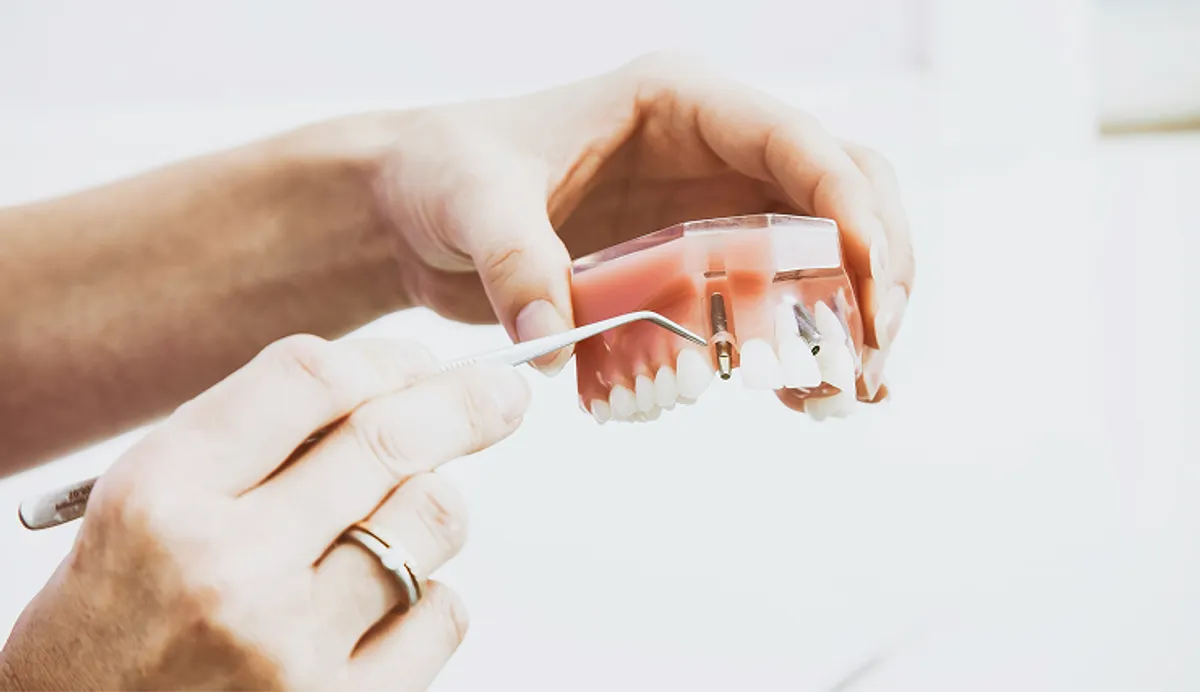
Dental implant treatment involves more than placing an artificial tooth into the jawbone. Several components work together to create a stable foundation for the final restoration, and each has a specific purpose during the treatment process.
One of these components is the dental healing abutment.
Although it is relatively small, a healing abutment plays an important role in certain implant procedures. It helps guide the gum tissue around the implant site as the area heals, preparing it for the placement of the final restoration.
For patients considering dental implants, understanding what a healing abutment does can make the treatment process easier to follow.
What Is a Dental Healing Abutment?
A dental healing abutment is a small component attached to a dental implant to help shape and guide the surrounding gum tissue during healing.
It is typically placed after the implant has been inserted into the jawbone, although the timing depends on the treatment approach.
The healing abutment extends through the gum tissue and remains visible above the gumline. Its shape provides a guide for the soft tissue as it heals around the implant.
This helps establish an appropriate gum contour for the future dental restoration.
Healing abutments are commonly made from titanium or other biocompatible materials designed for use in dental implant systems.
What Is the Purpose of a Healing Abutment?
The primary purpose of a healing abutment is to support the healing and shaping of the gum tissue around a dental implant.
However, it serves several related functions.
1. Helps Shape the Gum Tissue
After implant placement, the surrounding gum tissue needs time to heal.
A healing abutment provides a defined structure around which the soft tissue can adapt. This helps establish the shape of the gum opening where the final restoration will eventually emerge.
2. Maintains Access to the Implant
The healing abutment extends above the gumline, allowing the dentist to access the implant without needing to reopen the gum tissue during the next stage of treatment.
This is particularly relevant when a staged implant procedure is performed.
3. Supports Soft Tissue Healing
The surrounding gum tissue gradually adapts around the healing abutment.
Proper tissue healing is important because the final restoration needs an appropriate relationship with the surrounding gums.
4. Helps Prepare for the Final Restoration
The gum contour around an implant can influence the appearance and fit of the final restoration, especially when replacing a visible front tooth.
A healing abutment helps guide the tissue during the healing period, although the final gum shape may still require additional adjustments depending on the case.
What Is the Difference Between a Dental Implant, Healing Abutment, and Final Crown?
These three components serve different purposes during implant treatment.
Understanding their roles can help explain why dental implant treatment may involve multiple stages.
| Component | Main Purpose | When It Is Used |
|---|---|---|
| Dental implant | Acts as an artificial tooth root placed in the jawbone | During implant placement |
| Healing abutment | Helps shape the gum tissue around the implant | During the healing stage |
| Final abutment and crown | Connects and supports the visible replacement tooth | During final restoration |
Dental Implant
The implant is a small fixture, commonly made from titanium or another suitable material, that is placed into the jawbone.
It serves as the foundation for the replacement tooth.
Over time, the surrounding bone may integrate with the implant through a process called osseointegration.
Healing Abutment
The healing abutment is temporarily attached to the implant in certain treatment approaches.
Its purpose is to guide the surrounding gum tissue while the implant site heals.
It is not the visible replacement tooth and is not intended to function as the final restoration.
Final Abutment and Crown
Once the implant has healed sufficiently and the dentist determines that it is ready for restoration, the healing abutment may be removed.
A final abutment or restorative component is then used to connect the implant to the replacement crown.
The crown is the part designed to resemble the visible portion of a natural tooth.
When Is a Healing Abutment Placed?
The timing of healing abutment placement depends on the implant procedure and the patient’s clinical condition.
There are two common approaches to implant healing.
One-Stage Implant Placement
In a one-stage approach, the implant is placed into the jawbone and a healing abutment is attached during the same surgical appointment.
The healing abutment remains visible above the gumline while the implant site heals.
This approach allows the gum tissue to heal around the component without requiring a separate procedure to expose the implant later.
Two-Stage Implant Placement
In a two-stage approach, the implant is placed beneath the gum tissue and covered during the initial healing period.
After the implant has integrated with the jawbone, another procedure may be performed to expose it and attach a healing abutment.
The gum tissue then heals around the abutment before the final restoration is placed.
Not every patient follows the same treatment sequence. The dentist determines the appropriate approach based on bone quality, implant stability, gum condition, and other clinical factors.
What Happens During Healing Abutment Placement?
Placing a healing abutment is generally a straightforward part of the implant treatment process, although the exact procedure depends on whether the implant is newly placed or being exposed after an initial healing period.
Step 1: Assessing the Implant Site
The dentist examines the implant area and evaluates whether it is ready for the healing abutment.
If the implant was placed previously, the dentist checks whether sufficient healing and integration have occurred.
Step 2: Preparing the Implant Connection
The dentist accesses the implant’s internal connection and prepares it for the attachment.
In a two-stage procedure, this may involve making a small opening in the gum tissue to expose the implant.
Step 3: Attaching the Healing Abutment
The healing abutment is secured to the implant using the appropriate connection system.
The dentist checks that it is properly positioned and stable.
Step 4: Allowing the Gum Tissue to Heal
The surrounding gum tissue begins adapting around the healing abutment.
During this period, patients are advised to follow specific oral hygiene instructions and avoid unnecessary pressure on the area.
Step 5: Evaluating Readiness for the Final Restoration
Once the dentist determines that the implant and surrounding tissues are ready, the healing abutment can be removed and the final restorative components can be placed.
The timing varies depending on the patient’s healing progress and treatment plan.
Does a Healing Abutment Hurt?
The healing abutment itself is not usually painful when properly placed. However, patients may experience some tenderness, swelling, or sensitivity around the implant site following surgery or the procedure used to expose the implant.
The amount of discomfort depends on the extent of the treatment and the individual’s healing response.
Some patients may notice the healing abutment with their tongue because it extends slightly above the gumline. This sensation often becomes less noticeable as they adjust to it.
Follow your dentist’s aftercare instructions and contact the dental office if you experience worsening pain, persistent bleeding, swelling, or other concerning symptoms.
How Long Does a Healing Abutment Stay in Place?
There is no fixed timeline for every patient.
A healing abutment may remain in place for several weeks or longer, depending on the condition of the implant site and the dentist’s treatment approach.
The dentist considers several factors before proceeding with the final restoration, including:
- Whether the implant has integrated sufficiently with the jawbone.
- The condition of the surrounding gum tissue.
- The stability of the implant.
- Whether the tissue contour is appropriate for the final restoration.
- The overall healing response.
Patients should not attempt to remove or adjust the healing abutment themselves, even if it feels unfamiliar.
How Should You Care for a Healing Abutment?
Good oral hygiene is important throughout implant healing. Although the healing abutment is not a natural tooth, the surrounding gum tissue still requires careful cleaning.
Follow these general care practices:
Maintain Gentle Oral Hygiene
Brush your remaining teeth as usual and clean around the implant area according to your dentist’s instructions.
Depending on the stage of healing, your dentist may recommend a soft toothbrush or a specific cleaning technique.
Avoid Putting Excessive Pressure on the Area
Avoid biting directly on the healing abutment or using it to chew hard foods.
Your dentist may recommend temporary dietary adjustments while the implant site heals.
Follow Your Prescribed Aftercare Instructions
If your dentist recommends a mouth rinse, medication, or specific cleaning routine, follow the instructions provided.
Avoid using products or applying substances to the surgical area without professional guidance.
Attend Follow-Up Appointments
Regular appointments allow the dentist to monitor the healing process and check whether the healing abutment remains properly positioned.
If it feels loose or changes position, contact your dental office rather than trying to tighten it yourself.
What Happens If a Healing Abutment Becomes Loose?
A loose healing abutment should be evaluated by a dentist as soon as possible.
The component is designed to remain securely attached to the implant during healing. If it becomes loose, it may cause irritation or interfere with the intended healing process.
Possible reasons include:
- Loosening of the connecting screw.
- Excessive pressure from chewing.
- Contact with opposing teeth.
- Mechanical issues involving the component.
- Changes around the implant site.
Do not attempt to tighten the healing abutment at home. The dentist needs to assess the connection and determine whether it can be secured or needs replacement.
Is a Healing Abutment Always Necessary?
No. Not every dental implant procedure requires a separate healing abutment stage.
Some treatment approaches use a healing abutment during implant placement, while others use a different component or restoration design.
In certain cases, a temporary restoration may be placed during the healing period, depending on the patient’s condition and the stability of the implant.
The appropriate approach depends on the implant system, surgical plan, available bone, gum condition, and functional requirements.
Your dentist can explain whether a healing abutment will be part of your treatment and what to expect at each stage.
Complete Your Dental Implant Treatment at Crown Dental Group
Dental implant treatment involves several carefully planned stages, and each component plays a role in achieving a functional and stable restoration.
Understanding the purpose of a healing abutment can help you feel more informed about the process, from implant placement to the final replacement tooth.
At Crown Dental Group, patients can explore tooth replacement options, including dental implants and implant-supported restorations. The appropriate treatment plan depends on the condition of the jawbone, gums, and surrounding teeth.
If you are considering dental implants or have questions about an existing implant, schedule a consultation to discuss your options.
Crown Dental Group serves patients in National City and nearby communities, including Chula Vista, Bonita, and Imperial Beach.
Schedule a dental implant consultation today.
- Crown Dental Group
- 2405 Transportation Ave
- National City, CA 91950
- Phone: (619) 474-6200
- Email: info@crowndentalnc.com
Frequently Asked Questions About Dental Healing Abutments
1. Is a healing abutment the same as a dental implant?
No. The dental implant is the fixture placed in the jawbone to act as an artificial tooth root. A healing abutment is a separate component attached to the implant to help guide the surrounding gum tissue during healing.
2. Can I eat normally with a healing abutment?
You may need to adjust your diet temporarily, particularly after implant surgery or a procedure to expose the implant. Your dentist will advise which foods to avoid and when you can gradually return to your usual eating habits.
3. How long does it take for the gums to heal around a healing abutment?
Healing time varies depending on the individual and the extent of treatment. The dentist will assess the gum tissue during follow-up appointments before proceeding with the final restoration.
4. Can I brush my healing abutment?
Yes, but you should follow your dentist’s instructions regarding when and how to clean the area. Gentle cleaning helps reduce plaque buildup around the healing abutment and surrounding gum tissue.
5. What should I do if my healing abutment feels loose?
Contact your dental office promptly. A loose healing abutment needs professional assessment to check the connection and protect the implant site. Do not attempt to tighten it yourself.
6. Does a healing abutment stay permanently?
No. In conventional implant treatment, the healing abutment is generally a temporary component. It is usually removed or replaced when the implant is ready for its final restoration.
7. Can a healing abutment become infected?
The surrounding gum tissue can develop inflammation or infection, particularly if plaque accumulates or healing is disrupted. Persistent swelling, pain, bleeding, or discharge should be evaluated by a dentist.
8. What comes after the healing abutment?
Once the dentist determines that the implant and surrounding tissues are ready, the healing abutment is removed or replaced with the appropriate restorative component. The final crown or other planned restoration is then attached to complete the tooth replacement process.
Find us here