What Is a Dental Emergency? 10 Situations That Need Immediate Attention
Learn what qualifies as a dental emergency, which symptoms require immediate treatment, and what to do when severe tooth pain or dental trauma occurs.
Not Every Dental Problem Can Wait Until Your Next Appointment
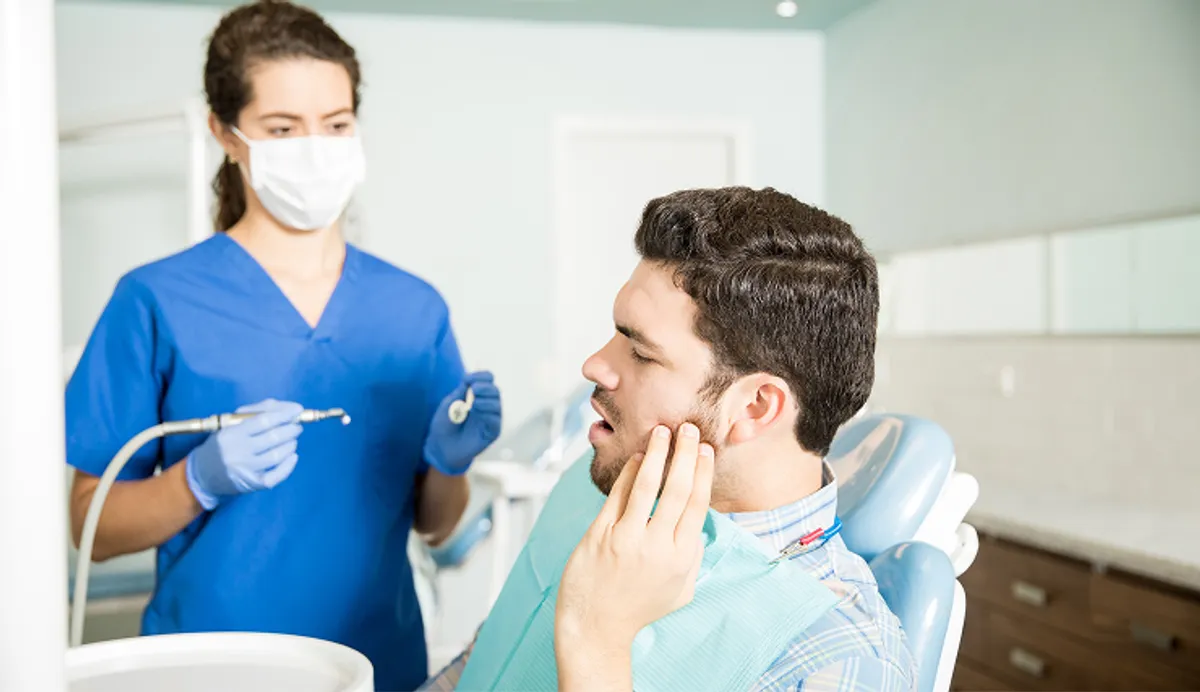
Dental problems don’t always happen at convenient times. A tooth can break during dinner. Severe pain can wake you in the middle of the night. A child can fall during a sports activity and knock out a permanent tooth. Swelling can suddenly appear around a tooth that seemed completely normal the day before. When something unexpected happens, one of the biggest questions is:
“Is this actually a dental emergency?”
Knowing the answer can help you get appropriate treatment quickly and potentially prevent a small problem from becoming a much more serious one. Some dental problems can safely wait for a scheduled appointment. Others require prompt professional attention because delaying treatment may result in infection, permanent tooth damage, or unnecessary tooth loss.
At Crown Dental Group in National City, California, emergency dental treatment is available for patients experiencing urgent oral health concerns. Understanding the warning signs can help you know when it’s time to seek immediate care.
What Makes a Dental Problem an Emergency?
A dental emergency generally involves a condition that requires prompt evaluation because it may cause significant pain, infection, bleeding, or permanent damage if treatment is delayed.
Emergency dental situations can involve:
- Teeth
- Gums
- Jaw
- Oral soft tissues
- Dental restorations
The severity of symptoms doesn’t always tell you how serious the underlying problem is.
For example, a dental infection may initially cause only mild discomfort but become significantly more serious if left untreated.
10 Dental Situations That May Require Immediate Attention
1. Severe or Persistent Tooth Pain
A sudden or severe toothache is one of the most common reasons patients seek emergency dental care.
Tooth pain can result from:
- Deep decay
- Infection
- Cracked teeth
- Damaged restorations
- Gum infections
- Trauma
Pain that is severe, persistent, or worsening should be evaluated.
Particularly concerning symptoms include pain that:
- Prevents sleep
- Makes eating difficult
- Radiates toward the jaw or ear
- Doesn’t respond adequately to usual pain relief
- Gets progressively worse
A severe toothache may indicate that the inner pulp of the tooth has become inflamed or infected. In some cases, root canal treatment may be necessary to preserve the tooth.
2. Facial or Oral Swelling
Swelling around the tooth, gums, jaw, or face can indicate an infection. Dental infections can develop when bacteria enter the inner structures of a tooth or surrounding tissues.
Symptoms may include:
- Gum swelling
- Facial swelling
- A swollen jaw
- Pus
- Bad taste
- Fever
- Difficulty opening the mouth
Facial swelling should never be ignored. If swelling affects your ability to breathe or swallow, seek emergency medical care immediately.
3. A Knocked-Out Permanent Tooth
A completely displaced permanent tooth is a time-sensitive dental emergency. The possibility of saving the tooth may depend partly on how quickly it receives professional attention.
If a permanent tooth is knocked out:
- Handle it carefully by the crown rather than the root.
- If dirty, gently rinse it without scrubbing.
- If possible, try to place it back into the socket.
- If that isn’t possible, keep it moist in an appropriate medium such as milk.
- Seek dental care immediately.
Do not allow the tooth to dry out. A knocked-out baby tooth should generally not be replanted, but it still requires professional evaluation.
4. A Broken or Cracked Tooth
Teeth can fracture from:
- Sports injuries
- Falls
- Car accidents
- Biting hard foods
- Teeth grinding
- Large existing fillings
A small chip may not always be an emergency, but a significant fracture should be evaluated promptly. A crack that extends into deeper portions of the tooth can allow bacteria to reach the pulp. Depending on the damage, treatment may involve a filling, crown, root canal, or extraction.
5. Uncontrolled Oral Bleeding
Some bleeding following dental procedures can be expected. However, bleeding that is heavy or does not stop with appropriate pressure requires prompt attention.
Bleeding may result from:
- Trauma
- Tooth extraction
- Gum injury
- Oral surgery
- Certain medical conditions
If significant bleeding continues, contact your dental provider. If bleeding is severe or accompanied by other concerning symptoms, emergency medical care may be appropriate.
6. A Loose Permanent Tooth
Adult teeth should not suddenly become noticeably loose. Tooth mobility can result from:
- Trauma
- Advanced gum disease
- Excessive grinding
- Infection
- Damage to supporting bone
If a permanent tooth becomes loose after an injury, avoid touching or repeatedly moving it. A dentist should evaluate the tooth as soon as possible. In some cases, timely treatment can improve the chances of stabilizing the tooth.
7. A Dental Crown or Filling Falls Out
Losing a filling or crown isn’t always a medical emergency, but it shouldn’t be ignored. The exposed tooth may become sensitive and vulnerable to additional damage. If a crown falls out, save it and contact your dental office. Avoid using household glue to put it back. Your dentist can determine whether the restoration can be repaired, re-cemented, or replaced.
8. Severe Tooth Sensitivity After Trauma
Sensitivity following an injury can indicate damage to the tooth’s internal structures. For example, a tooth may become sensitive to:
- Cold
- Heat
- Air
- Pressure
If sensitivity develops suddenly after trauma, a dental examination is recommended. The tooth may require monitoring or treatment depending on the extent of the injury.
9. A Dental Abscess
A dental abscess is a collection of pus caused by bacterial infection. It may develop around the root of a tooth or within the surrounding gum tissue.
Symptoms can include:
- Severe tooth pain
- Swelling
- Fever
- Bad taste
- Facial tenderness
- Sensitivity
- Pain when chewing
Dental abscesses require professional treatment. Depending on the cause, treatment may involve drainage, root canal therapy, periodontal treatment, or extraction. Antibiotics may sometimes be prescribed, but they don’t eliminate the source of the dental infection by themselves.
10. Jaw Injury
A significant blow to the face can damage teeth, jawbone, and surrounding tissues.
Possible signs of a serious jaw injury include:
- Difficulty opening or closing the mouth
- Severe swelling
- Changes in your bite
- Significant pain
- Facial deformity
- Numbness
- Difficulty speaking or chewing
A serious facial injury may require emergency medical evaluation in addition to dental care.
What Is Usually Not a Dental Emergency?
Not every dental concern requires immediate treatment. For example, a minor cosmetic chip with no pain may be able to wait for a scheduled appointment. Similarly, mild tooth sensitivity that has been present for months without worsening may not require emergency care, although it should still be evaluated.
Other concerns that can often be scheduled include:
- Routine cleanings
- Cosmetic consultations
- Mild discoloration
- Minor spacing concerns
- Routine dental examinations
If you’re uncertain, contacting your dental office is better than guessing.
What Should You Do While Waiting for Emergency Dental Care?
Your actions immediately after a dental injury can matter.
For a Knocked-Out Tooth
Handle the tooth by the crown and keep it moist. Seek professional care immediately.
For a Broken Tooth
Save any broken fragments if possible and bring them with you. Avoid chewing on the affected side.
For Swelling
A cold compress applied externally may help reduce swelling temporarily. Do not place aspirin directly against the gums or tooth.
For Tooth Pain
Avoid extremely hot or cold foods if they worsen symptoms. Over-the-counter pain medication may provide temporary relief when used according to the label and your healthcare provider’s guidance.
For a Lost Filling
Keep the area clean and avoid chewing directly on the affected tooth. Contact your dentist promptly.
What Not to Do During a Dental Emergency
Certain actions can make the situation worse.
Avoid:
- Applying household glue to dental restorations
- Placing aspirin directly on gums
- Ignoring severe swelling
- Delaying treatment for severe pain
- Pulling out a tooth yourself
- Using sharp objects to remove trapped material
- Smoking after oral trauma or procedures
When in doubt, seek professional advice.
When Should You Go to a Hospital Instead?
Some dental emergencies can become medical emergencies. Go to an emergency department or call emergency services if you experience:
- Difficulty breathing
- Difficulty swallowing
- Severe facial swelling affecting the airway
- Uncontrolled heavy bleeding
- Major facial trauma
- Loss of consciousness
These situations require immediate medical attention.
Why Fast Treatment Matters
The longer certain dental problems remain untreated, the greater the potential for complications. A small crack can spread. An infection can expand into surrounding tissues. A damaged tooth can become impossible to restore. Prompt treatment may allow your dentist to use more conservative treatment options. For example, an infected tooth may sometimes be preserved with root canal therapy. If treatment is delayed until the tooth becomes severely damaged, extraction may become the only predictable option.
How to Reduce Your Risk of Dental Emergencies
You can’t prevent every accident, but several habits can reduce your risk.
Wear a Sports Mouthguard
A properly fitted mouthguard helps protect teeth during contact sports.
Don’t Chew Ice
Hard objects can fracture teeth.
Don’t Use Teeth as Tools
Never use teeth to open packages or cut objects.
Treat Dental Problems Early
Addressing small cavities, cracks, and weakened teeth can prevent larger emergencies.
Attend Regular Dental Visits
Routine examinations help identify problems before they become urgent.
Frequently Asked Questions
Is a severe toothache considered a dental emergency?
It can be, particularly if the pain is severe, persistent, worsening, or accompanied by swelling or fever.
What should I do if my tooth gets knocked out?
Handle it by the crown, keep it moist, and seek immediate dental care.
Is facial swelling from a tooth dangerous?
It can indicate a dental infection. If swelling affects breathing or swallowing, seek emergency medical care immediately.
Can a cracked tooth wait?
It depends on the severity. A significant crack should be evaluated promptly because it can worsen and potentially expose the inner tooth.
What should I do if my crown falls out?
Save the crown, avoid chewing on the tooth, and contact your dentist. Never use household glue.
Can an abscess go away on its own?
A dental abscess requires professional evaluation and treatment. Even if symptoms temporarily improve, the infection may remain.
Is a loose adult tooth an emergency?
A suddenly loose permanent tooth especially after trauma should receive prompt dental evaluation.
When should I go to the emergency room for a dental problem?
Seek emergency medical care for difficulty breathing or swallowing, severe facial swelling affecting the airway, uncontrolled bleeding, or major facial trauma.
Don’t Guess When It Comes to a Dental Emergency
Dental emergencies can be stressful, but knowing what to look for can help you respond appropriately. Severe tooth pain, facial swelling, dental infections, knocked-out teeth, significant fractures, uncontrolled bleeding, and sudden tooth mobility all deserve prompt professional attention. Acting quickly may help reduce complications and, in some situations, preserve a natural tooth that might otherwise require extraction.
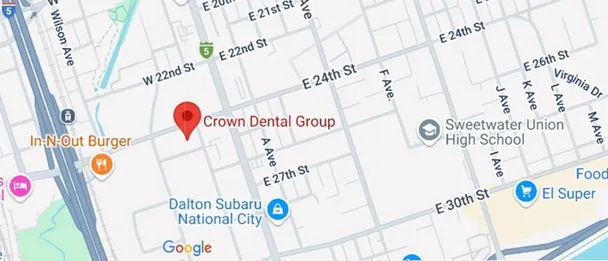
At Crown Dental Group, we provide emergency and general dental treatment for patients in National City and surrounding South Bay communities, including Chula Vista, Bonita, Imperial Beach, and nearby areas.
Our office at 2405 Transportation Ave, National City, CA 91950, is conveniently located near National City Mile of Cars and Westfield Plaza Bonita. If you’re experiencing a dental problem that can’t wait, contact Crown Dental Group at (619) 474-6200 or info@crowndentalnc.com for guidance and an evaluation.
When something feels seriously wrong with your teeth or mouth, don’t wait for the problem to become unbearable. Prompt dental care can protect your comfort, your oral health, and potentially your natural tooth.
Find us here