What Happens to Your Teeth While You Sleep? The Science Behind Overnight Oral Health
Discover what happens to your teeth while you sleep, why nighttime oral care is essential, and how to protect your smile from cavities, dry mouth, and teeth grinding.
Your Teeth Never Really Get a Break—Even While You Sleep
After a long day, your body begins to slow down. Your muscles relax, your heart rate decreases, and your brain enters different stages of sleep to recover and prepare for the next day.
While you sleep, however, your mouth continues to experience changes that can directly affect your oral health.
Many people assume that because they aren’t eating or drinking during the night, nothing is happening inside their mouths. In reality, nighttime is one of the most important periods for your teeth and gums.
During sleep, saliva production decreases, bacteria continue to grow, and some people unknowingly grind or clench their teeth for hours. These changes can increase the risk of cavities, gum disease, enamel wear, and jaw pain if proper oral hygiene isn’t maintained.
At Crown Dental Group, we often tell patients that the way you care for your teeth before going to bed may be even more important than your morning routine. Understanding what happens inside your mouth overnight can help you make small changes that have a lasting impact on your oral health.
Your Mouth Changes the Moment You Fall Asleep
Throughout the day, your mouth is constantly active.
You talk, eat, drink, chew, and swallow.
Saliva is continuously produced to help:
- Wash away food particles
- Neutralize harmful acids
- Control bacteria
- Protect tooth enamel
- Support digestion
Once you fall asleep, many of these natural protective processes begin to slow down.
This creates a very different environment inside your mouth.
Saliva Production Decreases at Night
One of the biggest changes that occurs during sleep is a significant reduction in saliva production.
Saliva is one of your body’s most effective natural defenses against tooth decay.
It helps:
- Remove food debris
- Neutralize acids produced by bacteria
- Deliver minerals that strengthen enamel
- Keep soft tissues moist
- Reduce bacterial growth
When saliva decreases, bacteria have a much easier time multiplying.
This is one of the reasons nighttime oral hygiene is so important.
Why Morning Breath Happens
Nearly everyone has experienced morning breath.
Although unpleasant, it’s actually a normal result of what happens while you sleep.
As saliva production slows, bacteria inside the mouth continue breaking down tiny food particles and proteins.
During this process, they release sulfur compounds.
These sulfur compounds create the odor commonly known as morning breath.
Brushing your teeth and tongue in the morning usually removes much of the bacteria responsible for the smell.
Bacteria Never Sleep
Even while you’re asleep, bacteria remain active.
Plaque—a sticky film made up of bacteria—continues developing on the surfaces of your teeth.
If plaque isn’t removed before bedtime, bacteria have several uninterrupted hours to:
- Consume sugars left behind from meals
- Produce acids
- Irritate the gums
- Attack tooth enamel
This is why brushing before bed is so important.
You’re removing the bacteria’s food supply before the longest period your mouth goes without cleaning.
Why Brushing Before Bed Matters More Than You Think
Many people skip brushing at night because they’re tired.
Some assume brushing in the morning is enough.
However, going to bed without brushing allows plaque, food particles, and bacteria to remain on the teeth all night long.
Imagine leaving dirty dishes in the sink overnight.
By morning, food residue has hardened and bacteria have multiplied.
A similar process occurs inside your mouth.
Brushing before bed removes much of the plaque and bacteria before they have hours to grow undisturbed.
The Importance of Flossing Before Sleep
Food particles often become trapped between teeth where toothbrush bristles cannot reach.
If these particles remain overnight, bacteria continue feeding on them for several hours.
Flossing before bed removes:
- Food debris
- Plaque
- Harmful bacteria
This significantly reduces the amount of bacterial activity occurring while you sleep.
Teeth Grinding During Sleep
Many people unknowingly grind or clench their teeth while sleeping.
This condition is called bruxism.
Because it usually occurs unconsciously, patients often don’t realize it’s happening until symptoms appear.
Signs of Nighttime Grinding
Common symptoms include:
- Morning headaches
- Jaw soreness
- Tooth sensitivity
- Worn teeth
- Cracked teeth
- Facial muscle fatigue
Some patients only discover they grind because a partner hears the noise during the night.
Why Do People Grind Their Teeth?
Several factors may contribute to nighttime grinding.
These include:
- Stress
- Anxiety
- Bite alignment issues
- Sleep disorders
- Certain medications
Grinding places tremendous pressure on the teeth.
Over time, it can wear down enamel and increase the risk of fractures.
Dry Mouth While Sleeping
Some people experience excessive dry mouth overnight.
This often occurs because they breathe through their mouths while sleeping.
Other causes include:
- Certain medications
- Sleep apnea
- Dehydration
- Medical conditions
Without adequate saliva, the mouth loses much of its natural protection against cavities.
Patients with chronic dry mouth often have a higher risk of tooth decay.
Snacking Before Bed
Late-night snacking can increase cavity risk.
Foods high in sugar or carbohydrates provide bacteria with fuel.
Because saliva production slows during sleep, these sugars remain on the teeth longer than they would during the day.
Common nighttime snacks include:
- Cookies
- Ice cream
- Chips
- Candy
- Sweetened beverages
If brushing doesn’t occur afterward, bacteria have hours to produce cavity-causing acids.
Falling Asleep Without Removing Sugar
Even a small amount of sugar left on the teeth overnight can contribute to plaque formation.
This is especially true for sticky foods such as:
- Caramel
- Gummies
- Dried fruit
These foods remain attached to tooth surfaces much longer than other foods.
The longer sugar remains in contact with teeth, the greater the opportunity for bacteria to produce harmful acids.
Acid Reflux During Sleep
Some individuals experience acid reflux while lying down.
Stomach acid reaching the mouth may gradually erode enamel.
Repeated acid exposure can lead to:
- Tooth sensitivity
- Enamel erosion
- Discoloration
- Increased cavity risk
Patients who frequently wake with a sour taste or experience nighttime heartburn should discuss symptoms with both their physician and dentist.
How Nighttime Oral Habits Affect Gum Health
Plaque doesn’t only contribute to cavities.
It also irritates the gums.
If bacteria remain along the gumline overnight, inflammation may develop.
Early signs include:
- Bleeding while brushing
- Swollen gums
- Bad breath
Over time, untreated inflammation may progress into periodontal disease.
Nighttime brushing helps reduce this bacterial accumulation.
Why Children Need Strong Nighttime Routines
Children are particularly vulnerable to cavities because:
- Their brushing technique is still developing.
- They often consume more sugary snacks.
- Newly erupted teeth may be more susceptible to decay.
Helping children establish a bedtime brushing routine creates healthy habits that often continue into adulthood.
Building the Ideal Nighttime Oral Care Routine
A few simple habits can significantly improve overnight oral health.
Brush for Two Minutes
Use fluoride toothpaste and clean all tooth surfaces.
Floss Every Night
Remove plaque between teeth before sleeping.
Drink Water Instead of Sugary Beverages
Water helps rinse away food particles before bed.
Avoid Late-Night Sugary Snacks
Reduce the bacteria’s food supply.
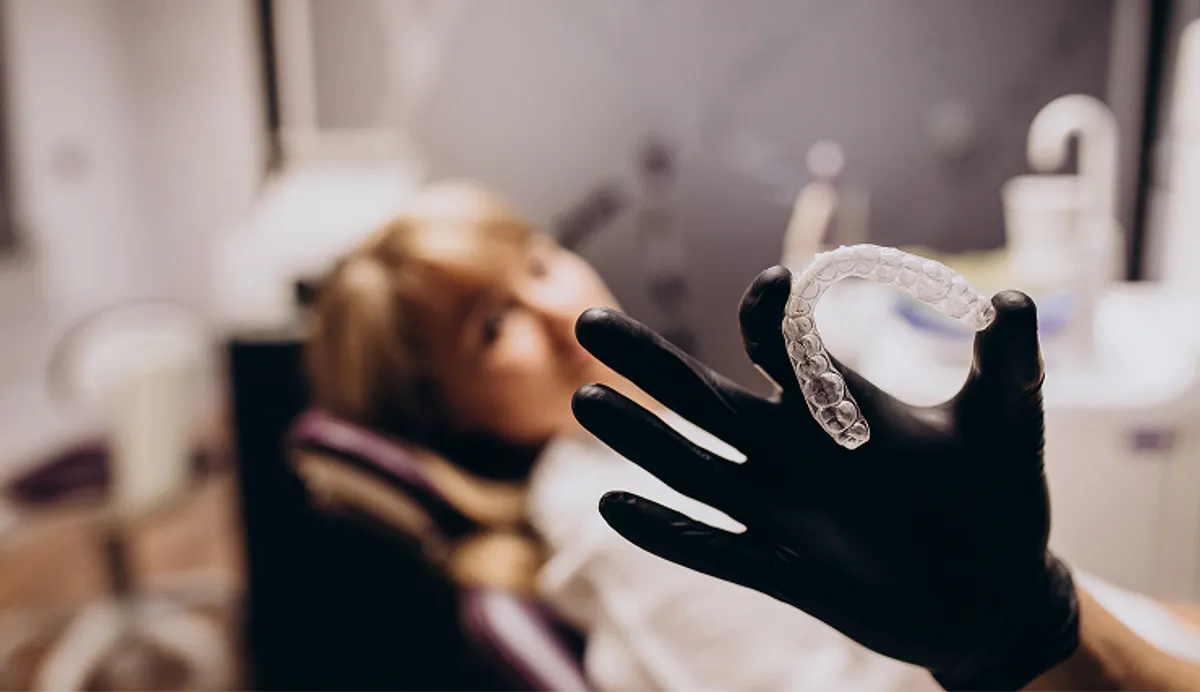
Wear a Night Guard if Recommended
Patients who grind their teeth may benefit from a custom night guard.
Stay Hydrated
Adequate hydration supports healthy saliva production.
Common Bedtime Mistakes
Many people unknowingly make choices that increase their risk of dental problems.
Examples include:
- Brushing immediately after drinking acidic beverages
- Falling asleep without brushing
- Drinking soda before bed
- Sleeping with dry mouth
- Ignoring grinding symptoms
Correcting these habits can significantly improve long-term oral health.
Frequently Asked Questions
Why is brushing before bed so important?
Because saliva production decreases overnight, bacteria remain active for several hours while you sleep.
Is morning breath normal?
Yes. Reduced saliva allows bacteria to produce odor-causing sulfur compounds overnight.
Does saliva really protect teeth?
Absolutely. Saliva neutralizes acids, washes away bacteria, and helps strengthen enamel.
Can I skip flossing if I brush well?
No. Toothbrushes cannot clean effectively between teeth where plaque often accumulates.
Why do my teeth hurt in the morning?
Morning discomfort may indicate nighttime grinding or clenching.
Is it bad to snack before bed?
Sugary snacks before bed increase cavity risk, especially if you don’t brush afterward.
Can dry mouth cause cavities?
Yes. Saliva is essential for protecting teeth from decay.
How do I know if I grind my teeth while sleeping?
Signs include jaw pain, worn teeth, headaches, cracked teeth, or reports from a sleeping partner.
Your Nighttime Routine Shapes Your Morning Smile
Although your body rests while you sleep, your mouth remains surprisingly active. Reduced saliva production, continued bacterial growth, nighttime grinding, and dry mouth can all affect the health of your teeth and gums while you’re asleep.
Fortunately, protecting your smile doesn’t require complicated routines. Brushing with fluoride toothpaste, flossing before bed, limiting sugary nighttime snacks, staying hydrated, and wearing a night guard if recommended can dramatically reduce your risk of cavities, gum disease, and tooth wear.
At Crown Dental Group, we believe great oral health is built on consistent daily habits—and your bedtime routine is one of the most important. By taking just a few minutes to care for your teeth before you go to sleep, you’re giving your smile the best possible protection throughout the night.
A healthier smile tomorrow begins with the choices you make before you turn out the lights tonight.
Find us here