What Does Saliva Actually Do for Your Teeth? Understanding Your Mouth's Natural Defense System
Discover how saliva protects your teeth, neutralizes acids, supports enamel remineralization, and helps maintain a healthy mouth.
Saliva is something most people rarely think about unless their mouth feels unusually dry. Yet this natural fluid plays an essential role in protecting your teeth and maintaining a healthy oral environment.
Every day, saliva helps wash away food particles, neutralize acids, control bacterial activity, and supply minerals that support tooth enamel. It also makes chewing, swallowing, and speaking easier.
Without adequate saliva, your teeth and gums lose an important layer of natural protection. Even with consistent brushing and flossing, changes in saliva production or composition can affect your risk of developing dental problems.
Understanding what saliva does can help explain why it matters so much to your oral health and why dentists consider it an important part of preventive care.
What Is Saliva?
Saliva is a clear fluid produced by several salivary glands located around your mouth and jaw.
There are three major pairs of salivary glands:
- Parotid glands: Located near the upper back portion of each cheek, close to the ears.
- Submandibular glands: Located beneath the lower jaw.
- Sublingual glands: Located underneath the tongue.
Smaller salivary glands are also distributed throughout the lips, cheeks, palate, and other areas of the mouth.
Saliva is made up primarily of water, but it also contains important substances such as electrolytes, proteins, enzymes, mucus, and antimicrobial components.
Its composition allows it to perform several functions simultaneously, from supporting digestion to protecting the surfaces of your teeth.
7 Important Ways Saliva Protects Your Teeth and Gums
Saliva does much more than keep your mouth moist. It actively supports several processes that help maintain oral health.
1. It Helps Neutralize Acids
One of saliva’s most important functions is regulating the acidity inside your mouth.
After eating or drinking, oral bacteria can break down fermentable carbohydrates and produce acids. These acids lower the pH of the mouth and can cause minerals to leave the enamel.
Saliva contains bicarbonate and other buffering substances that help neutralize these acids.
As the mouth’s pH returns toward a healthier range, the conditions become more favorable for enamel remineralization.
This protective function helps reduce the impact of repeated acid exposure throughout the day.
2. It Supplies Minerals That Support Tooth Enamel
Tooth enamel is primarily composed of mineral crystals containing calcium and phosphate.
Although enamel is extremely hard, it can lose small amounts of these minerals during acid exposure. This process is known as demineralization.
Saliva naturally contains calcium and phosphate ions that help replenish minerals in weakened enamel.
This process, called remineralization, can help strengthen early areas of mineral loss when the enamel surface remains intact.
Fluoride can further support this process by making enamel more resistant to acid attacks.
However, remineralization cannot rebuild enamel that has already been physically destroyed by a cavity or injury.
3. It Helps Wash Away Food Particles
Food particles can remain on and between teeth after meals.
Saliva helps loosen and clear some of this debris, reducing the amount of material available for oral bacteria to break down.
This cleansing effect is especially important because food debris and plaque can contribute to an environment that encourages tooth decay.
However, saliva cannot remove all plaque or replace mechanical cleaning.
Brushing twice daily and cleaning between your teeth remain essential for removing bacterial buildup.
4. It Helps Regulate Oral Bacteria
Your mouth naturally contains many types of microorganisms. Some are part of a healthy oral ecosystem, while others can contribute to tooth decay and gum disease when their activity becomes unbalanced.
Saliva contains antimicrobial proteins and enzymes that help regulate microbial activity.
For example, certain salivary proteins can interfere with bacterial growth, while other components help prevent microorganisms from attaching too easily to oral surfaces.
Saliva does not eliminate all bacteria, nor should it. Instead, it contributes to maintaining a balanced oral environment.
When saliva production or composition changes, this natural defense system may become less effective.
5. It Makes Chewing and Swallowing Easier
Saliva moistens food and combines with it during chewing to form a soft mass called a bolus.
This makes food easier to move through the mouth and swallow.
Without sufficient moisture, chewing can become uncomfortable, and certain foods may feel difficult to swallow.
Saliva also helps lubricate the tissues inside the mouth, reducing friction during everyday activities.
6. It Supports Your Sense of Taste
Taste depends partly on the ability of food molecules to dissolve and interact with taste receptors.
Saliva helps dissolve these substances so they can reach the taste buds on your tongue.
When the mouth does not produce enough saliva, food may taste different or seem less flavorful.
This is one reason changes in saliva production can affect more than just dental health.
7. It Helps Protect the Soft Tissues Inside Your Mouth
Your cheeks, tongue, gums, and other oral tissues are constantly exposed to friction from speaking, chewing, and swallowing.
Saliva helps keep these surfaces moist and lubricated.
It also contains proteins and other substances that contribute to the protection and maintenance of oral tissues.
This helps reduce irritation and supports the normal functioning of the mouth.
Why Does Saliva Production Increase When You Eat?
Have you noticed that your mouth produces more saliva when you smell food, see something appetizing, or begin chewing?
This is part of your body’s natural digestive response.
Saliva production is controlled by the autonomic nervous system, which regulates involuntary functions such as digestion and gland activity.
When you anticipate or begin eating, signals stimulate the salivary glands to release more fluid.
Different types of stimulation can affect saliva production:
- Food-related stimulation: Chewing and tasting food increase saliva flow.
- Taste stimulation: Sour foods can trigger a noticeable increase in saliva.
- Smell and anticipation: The sight or smell of food can stimulate saliva production before eating begins.
This increased flow helps prepare the mouth for digestion and provides additional cleansing and buffering activity during meals.
What Happens When Your Saliva Is Not Working Properly?
Saliva production and composition can change for several reasons.
When the mouth produces too little saliva or loses some of its normal protective functions, the risk of certain oral health problems may increase.
These can include:
Increased Risk of Tooth Decay
Saliva helps neutralize acids and supply minerals for enamel remineralization.
When these functions are reduced, teeth may become more vulnerable to acid-related mineral loss and cavities.
Greater Risk of Oral Irritation
Saliva lubricates the tissues inside the mouth.
Insufficient lubrication can contribute to discomfort, irritation, and difficulty wearing dental appliances such as dentures.
Changes in Taste
Saliva helps dissolve food substances so they can interact with taste receptors.
Changes in saliva production may affect how foods taste.
Difficulty Chewing and Swallowing
When there is not enough moisture in the mouth, food may become harder to chew and swallow comfortably.
These effects can influence eating habits and everyday comfort.
If you notice persistent changes in your saliva production, it is worth discussing them with a dentist or healthcare professional.
What Can Affect Saliva Production?
Several factors can influence how much saliva your body produces.
Medications
Some medications can reduce saliva production as a side effect.
These may include certain antihistamines, antidepressants, blood pressure medications, and other prescription or over-the-counter drugs.
If you suspect a medication is affecting your saliva, consult your prescribing healthcare professional before making any changes.
Dehydration
Your body needs adequate fluid intake to maintain normal functions, including saliva production.
When you become dehydrated, saliva flow may decrease.
Stress and Anxiety
Stress can influence the autonomic nervous system and may temporarily affect saliva production.
Some people notice that their mouth feels dry during stressful situations.
Medical Conditions
Certain medical conditions can affect salivary glands or the body’s ability to produce saliva.
Examples include Sjögren’s disease, diabetes, and conditions affecting the salivary glands.
Aging and Health-Related Changes
Saliva production does not necessarily decline simply because someone gets older. However, older adults may be more likely to experience medication-related dry mouth or health conditions that affect saliva flow.
The underlying cause is important when evaluating changes in saliva production.
How Can You Support Healthy Saliva Production?
Although saliva production is controlled by your body, several everyday habits can help maintain a healthy oral environment.
1. Stay hydrated.
Drink water regularly throughout the day. Adequate hydration supports normal body functions, including saliva production.
2. Chew sugar-free gum when appropriate.
Chewing stimulates saliva flow. Sugar-free gum, particularly products containing xylitol, may be useful for some people.
3. Avoid frequent sugary snacks and drinks.
Frequent sugar exposure gives oral bacteria repeated opportunities to produce acids. Reducing these exposures helps protect your enamel.
4. Limit excessive alcohol and tobacco use.
These substances can contribute to oral irritation and may affect saliva production.
5. Maintain consistent oral hygiene.
Brush twice daily with fluoride toothpaste and clean between your teeth every day. Saliva supports oral health, but it cannot replace proper plaque removal.
6. Review persistent dry mouth with a professional.
If your mouth frequently feels dry, discuss it with your dentist or healthcare provider. Identifying the underlying cause can help determine the appropriate management.
Is Saliva Enough to Keep Your Teeth Healthy?
No. Although saliva provides several important protective functions, it cannot prevent every dental problem.
Your oral health depends on multiple factors working together, including:
- Consistent brushing and interdental cleaning.
- A balanced diet with limited frequent sugar exposure.
- Adequate fluoride protection.
- Healthy saliva production.
- Regular dental examinations and professional preventive care.
Saliva is one part of your natural defense system, but it does not remove all plaque, repair established cavities, or reverse every form of tooth damage.
Professional dental care remains important for identifying problems that may not be visible or painful in their early stages.
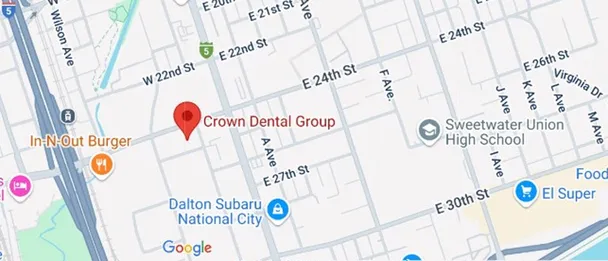
Protect Your Oral Health at Crown Dental Group in National City
Saliva plays an essential role in maintaining healthy teeth and gums. From neutralizing acids to supporting enamel remineralization, its protective functions happen continuously, even when you are not eating or brushing.
Changes in saliva production can affect your oral health, particularly when they increase the risk of tooth decay or make everyday activities uncomfortable.
At Crown Dental Group, patients can receive comprehensive dental examinations and preventive care to help monitor their oral health, identify potential concerns, and discuss appropriate treatment options.
If you have noticed persistent dry mouth, changes in your oral comfort, or concerns about your teeth and gums, consider scheduling a dental evaluation.
Crown Dental Group serves patients in National City and nearby communities, including Chula Vista, Bonita, and Imperial Beach.
Schedule your dental examination today.
- Crown Dental Group
- 2405 Transportation Ave
- National City, CA 91950
- Phone: (619) 474-6200
- Email: info@crowndentalnc.com
Frequently Asked Questions About Saliva and Oral Health
1. Why is saliva important for your teeth?
Saliva helps protect teeth by neutralizing acids, supplying minerals that support enamel remineralization, washing away food particles, and regulating oral bacteria. These functions help maintain a healthier environment inside the mouth.
2. Does saliva prevent cavities?
Saliva helps reduce the risk of cavities by neutralizing acids and supporting enamel remineralization. However, it cannot completely prevent tooth decay. Fluoride use, proper oral hygiene, dietary habits, and regular dental visits are also important.
3. Does saliva help repair tooth enamel?
Saliva contains calcium and phosphate that can help replenish minerals in early areas of enamel demineralization. This process is called remineralization. It cannot rebuild enamel that has already been physically lost.
4. Why do I produce more saliva when eating?
Chewing, tasting, and even anticipating food stimulate the salivary glands through the nervous system. The increased saliva helps moisten food, support swallowing, and prepare the mouth for digestion.
5. What is saliva made of?
Saliva consists mostly of water, along with electrolytes, proteins, enzymes, mucus, and antimicrobial substances. These components help with digestion, lubrication, acid neutralization, and oral protection.
6. Can dehydration affect saliva production?
Yes. Dehydration can reduce saliva flow, making the mouth feel dry. Drinking enough water supports normal hydration and helps maintain the body’s natural saliva production.
7. Does saliva kill bacteria in the mouth?
Saliva contains antimicrobial components that help regulate bacterial activity. However, it does not eliminate all oral bacteria. Maintaining good oral hygiene is necessary to control plaque and reduce the risk of dental problems.
8. When should I see a dentist about changes in saliva?
Consider seeing a dentist if you experience persistent dry mouth, difficulty chewing or swallowing, changes in taste, frequent cavities, or ongoing oral discomfort. These symptoms may indicate changes in saliva production or another underlying concern that needs evaluation.
Find us here