What Causes Tooth Sensitivity? Understanding Why Hot and Cold Foods Hurt
Learn what causes tooth sensitivity, why hot and cold foods can hurt, common warning signs, and how your dentist can diagnose and treat sensitivity.

Have you ever taken a sip of ice-cold water and felt a sudden sharp pain in one of your teeth? Or perhaps drinking a hot coffee causes a quick, uncomfortable sensation that makes you hesitate before taking another sip.
Tooth sensitivity is common, but that does not mean you should simply accept it as normal. Sensitivity can have several causes, ranging from exposed tooth roots and worn enamel to cavities, cracks, or gum problems. The appropriate treatment depends on identifying what is actually causing the discomfort.
Understanding why your teeth are sensitive can help you know when a change in your dental routine may be enough and when it is time to schedule an examination.
What Is Tooth Sensitivity?
Tooth sensitivity, clinically known as dentin hypersensitivity, occurs when a tooth responds painfully or unusually strongly to certain stimuli.
Common triggers include:
- Cold drinks or foods
- Hot beverages or meals
- Sweet foods
- Acidic foods and drinks
- Cold air
- Brushing or touching the tooth
The discomfort is often described as a brief, sharp sensation. It may affect a single tooth, several teeth, or different areas of the mouth.
The key issue is that sensitivity is a symptom rather than a diagnosis. Two people can experience similar sensitivity for completely different reasons.
Why Do Teeth Become Sensitive?
To understand sensitivity, it helps to look at the structure of a tooth.
The visible crown of a healthy tooth is protected by enamel, the hardest substance in the human body. Beneath the enamel is dentin, a porous layer containing microscopic tubules.
When dentin becomes exposed, external stimuli such as temperature changes can affect the fluid within these microscopic pathways. This can stimulate structures associated with the tooth’s nerve, producing the sudden sensation associated with sensitivity.
Dentin exposure can happen for several reasons.
1. Enamel Erosion
Enamel protects the underlying dentin. When enamel becomes thinner, dentin may become increasingly vulnerable to external stimuli.
One common contributor is frequent exposure to acids. Acidic foods and drinks can gradually soften and wear dental enamel.
Examples include:
- Soda
- Citrus fruits and juices
- Sports drinks
- Energy drinks
- Vinegar-based foods
- Other acidic beverages
The frequency and duration of acid exposure matter. Regularly sipping an acidic drink throughout the day can expose your teeth to repeated acid attacks.
Your dentist can evaluate whether enamel erosion may be contributing to your sensitivity.
2. Gum Recession
Your gums help protect the roots of your teeth.
When gums recede, part of the tooth root can become exposed. Unlike the crown, the root is not protected by a thick layer of enamel.
This can make exposed root surfaces particularly sensitive to cold, hot, sweet, or acidic substances.
Gum recession can be associated with periodontal disease, aggressive brushing, naturally thin gum tissue, tooth positioning, and other factors.
If sensitivity occurs close to the gumline, an evaluation can help determine whether recession is involved.
3. Cavities
A cavity can cause sensitivity, particularly when decay progresses into deeper layers of the tooth.
As tooth decay advances, the protective enamel is compromised and the underlying dentin can become exposed. If decay approaches the dental pulp, the inner portion containing nerves and blood vessels, pain may become more significant.
Sensitivity caused by a cavity will not generally resolve simply by changing toothpaste. The decay needs to be evaluated and treated.
4. Cracked or Damaged Teeth
A cracked tooth can produce unusual sensitivity, particularly when chewing or when the tooth is exposed to temperature changes.
Some cracks can be difficult to see without a professional examination.
If one particular tooth consistently hurts when you bite down or release your bite, or if it reacts strongly to hot and cold temperatures, tell your dentist.
Prompt evaluation can help determine whether a crack or structural problem is present.
5. Teeth Grinding and Clenching
Grinding or clenching places repeated pressure on your teeth.
Over time, these forces can contribute to tooth wear, small fractures, or damage to the enamel. This may increase sensitivity in some patients.
Grinding can occur while you are awake or asleep, and many people are unaware that they do it.
Signs that may suggest grinding include worn tooth surfaces, jaw discomfort, morning headaches, or recurring sensitivity.
Your dentist can assess your teeth for signs of excessive wear and determine whether a night guard or another treatment approach may be appropriate.
6. Teeth Whitening
Some people experience temporary sensitivity after professional or at-home teeth whitening.
Whitening products use peroxide-based ingredients to break down staining molecules within the tooth. During treatment, some patients may experience increased sensitivity.
The discomfort is often temporary, but sensitivity that is severe, persistent, or localized to one tooth should not automatically be attributed to whitening.
A dental examination can rule out other causes before or after cosmetic treatment.
7. Worn or Damaged Dental Restorations
Old or damaged fillings, crowns, or other restorations can sometimes contribute to sensitivity.
A restoration may become worn, develop a gap, or no longer adequately protect the underlying tooth structure.
If sensitivity develops around an existing filling or crown, your dentist can examine the restoration and determine whether it needs repair or replacement.
Is Tooth Sensitivity Always Normal?
Occasional mild sensitivity can occur, particularly after certain dental procedures or temporary exposure to a known trigger.
However, persistent or worsening sensitivity should not be ignored.
Pay particular attention if:
- The sensitivity is becoming more frequent.
- One tooth is consistently affected.
- The pain lasts after the hot or cold stimulus is removed.
- You experience spontaneous tooth pain.
- You have pain when biting.
- The tooth has visible damage.
- You notice swelling around the tooth.
- You have recently experienced dental trauma.
These symptoms can indicate an underlying dental condition that requires professional treatment.
How Does a Dentist Diagnose Tooth Sensitivity?
Your dentist will first discuss your symptoms, including when the pain occurs, what triggers it, and how long it lasts.
The examination may include:
- Checking the teeth for cavities or visible damage.
- Evaluating the gums for recession or inflammation.
- Looking for enamel wear or erosion.
- Examining existing fillings, crowns, or other restorations.
- Testing individual teeth for sensitivity.
- Checking your bite for signs of excessive pressure.
- Taking dental X-rays or other imaging when necessary.
This process helps distinguish ordinary dentin sensitivity from conditions such as tooth decay, cracks, infection, or periodontal problems.
How Is Tooth Sensitivity Treated?
Treatment depends entirely on the cause.
Desensitizing Toothpaste
For generalized sensitivity without another significant dental problem, your dentist may recommend toothpaste formulated for sensitive teeth.
These products can help reduce the transmission of sensations through exposed dentin over time.
Fluoride Treatment
Professional fluoride treatments can help strengthen tooth surfaces and may reduce sensitivity.
Your dentist can determine whether fluoride treatment is appropriate based on your oral health.
Treating Gum Problems
If gum recession or periodontal disease is contributing to sensitivity, addressing the underlying gum condition is important.
Treatment may range from improved home care and professional cleaning to more advanced periodontal treatment, depending on the severity.
Restorative Treatment
If sensitivity is caused by a cavity, damaged restoration, or tooth fracture, restorative treatment may be necessary.
Depending on the problem, this could involve a dental filling, crown, or another appropriate restoration.
Addressing Grinding
If excessive grinding or clenching is contributing to sensitivity or tooth wear, your dentist may recommend a custom night guard or other strategies to protect your teeth.
What Can You Do at Home to Reduce Sensitivity?
While professional evaluation is important when sensitivity persists, several habits can help protect your teeth.
Use a Soft-Bristled Toothbrush
A soft-bristled toothbrush can clean effectively without unnecessarily irritating the gums or wearing away tooth structure.
Avoid aggressive back-and-forth scrubbing.
Be Mindful of Acidic Foods and Drinks
Try to limit frequent exposure to acidic beverages and foods. When consuming acidic drinks, avoid slowly sipping them over extended periods.
Do Not Brush Immediately After Acid Exposure
Acid can temporarily soften the surface of enamel. Waiting before brushing can help reduce mechanical wear on softened enamel.
Use Fluoride Toothpaste
Fluoride helps strengthen enamel and can provide additional protection against tooth decay.
Do Not Ignore Persistent Symptoms
Home care can help manage mild sensitivity, but it cannot diagnose or repair cavities, cracks, or other structural problems.
If the discomfort persists, schedule an examination.
When Should You See a Dentist?
You should consider scheduling a dental appointment when sensitivity is persistent, worsening, severe, or concentrated in one particular tooth.
A sudden change in sensitivity can sometimes be the first indication of a dental problem.
Seeking care early may allow your dentist to address the cause before it progresses into a more complicated condition.
Tooth Sensitivity Treatment in National City, CA
If hot coffee, cold water, or your favorite foods are causing sharp tooth pain, Crown Dental Group can help identify the underlying cause of your sensitivity.
Our dental services include preventive, restorative, periodontal, and general dental care. With technologies such as digital radiography, CBCT imaging, and digital impressions, our team can use modern diagnostic and treatment tools when clinically appropriate.
Crown Dental Group serves patients in National City, Chula Vista, Bonita, Imperial Beach, and surrounding South Bay San Diego communities.
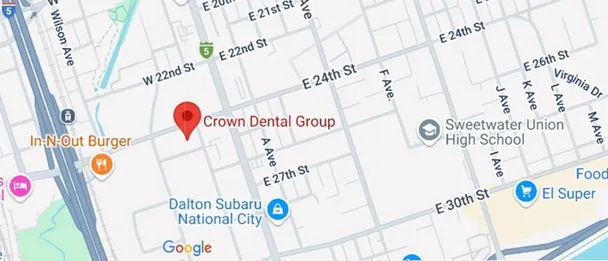
Located at 2405 Transportation Ave in National City, our office is conveniently accessible near the National City Mile of Cars and the surrounding South Bay area.
Do not assume that sensitive teeth are simply something you have to live with. A professional evaluation can determine whether the cause is enamel wear, gum recession, decay, a damaged tooth, or another dental condition and help identify an appropriate treatment.
- Crown Dental Group
- 2405 Transportation Ave
- National City, CA 91950
- Phone: (619) 474-6200
- Email: info@crowndentalnc.com
Frequently Asked Questions About Tooth Sensitivity
1. Why do my teeth hurt when I drink something cold?
Cold sensitivity can occur when dentin becomes exposed due to enamel wear, gum recession, cavities, or other dental conditions. A dentist can determine the specific cause.
2. Can sensitive teeth be fixed?
In many cases, sensitivity can be reduced or treated once the underlying cause is identified. Treatment may include desensitizing toothpaste, fluoride, periodontal care, fillings, crowns, or other appropriate procedures.
3. Can cavities cause sensitivity?
Yes. Tooth decay can expose deeper layers of the tooth and cause sensitivity to hot, cold, sweet, or acidic foods and drinks.
4. Can brushing too hard make teeth sensitive?
Yes. Aggressive brushing can contribute to gum recession and tooth surface wear, both of which may increase sensitivity.
5. How long does tooth sensitivity after whitening last?
Sensitivity after whitening is often temporary. However, severe, persistent, or localized sensitivity should be evaluated rather than automatically attributed to whitening.
6. Should I stop drinking cold or hot beverages if my teeth are sensitive?
You may temporarily avoid triggers that cause discomfort, but persistent sensitivity should be evaluated. Avoiding certain foods does not address an underlying cavity, crack, gum problem, or other dental condition.
7. Why is only one tooth sensitive?
Sensitivity limited to one tooth can have several causes, including decay, a crack, a damaged restoration, or localized gum recession. A dental examination is important for identifying the source.
8. When should I see a dentist about sensitive teeth?
Schedule an evaluation if sensitivity is persistent, worsening, severe, occurs in one particular tooth, lasts after the trigger is removed, or is accompanied by pain when biting, swelling, or other symptoms.
Find us here