What Are Partial Dentures? How They Replace Several Missing Teeth
Learn what partial dentures are, how they replace missing teeth, the different types available, and how to care for them to maintain your oral health.
Losing one or several teeth can affect more than the appearance of your smile. Missing teeth may make chewing certain foods difficult, affect speech, and change how your remaining teeth fit together. Fortunately, there are several ways to replace missing teeth, including partial dentures.
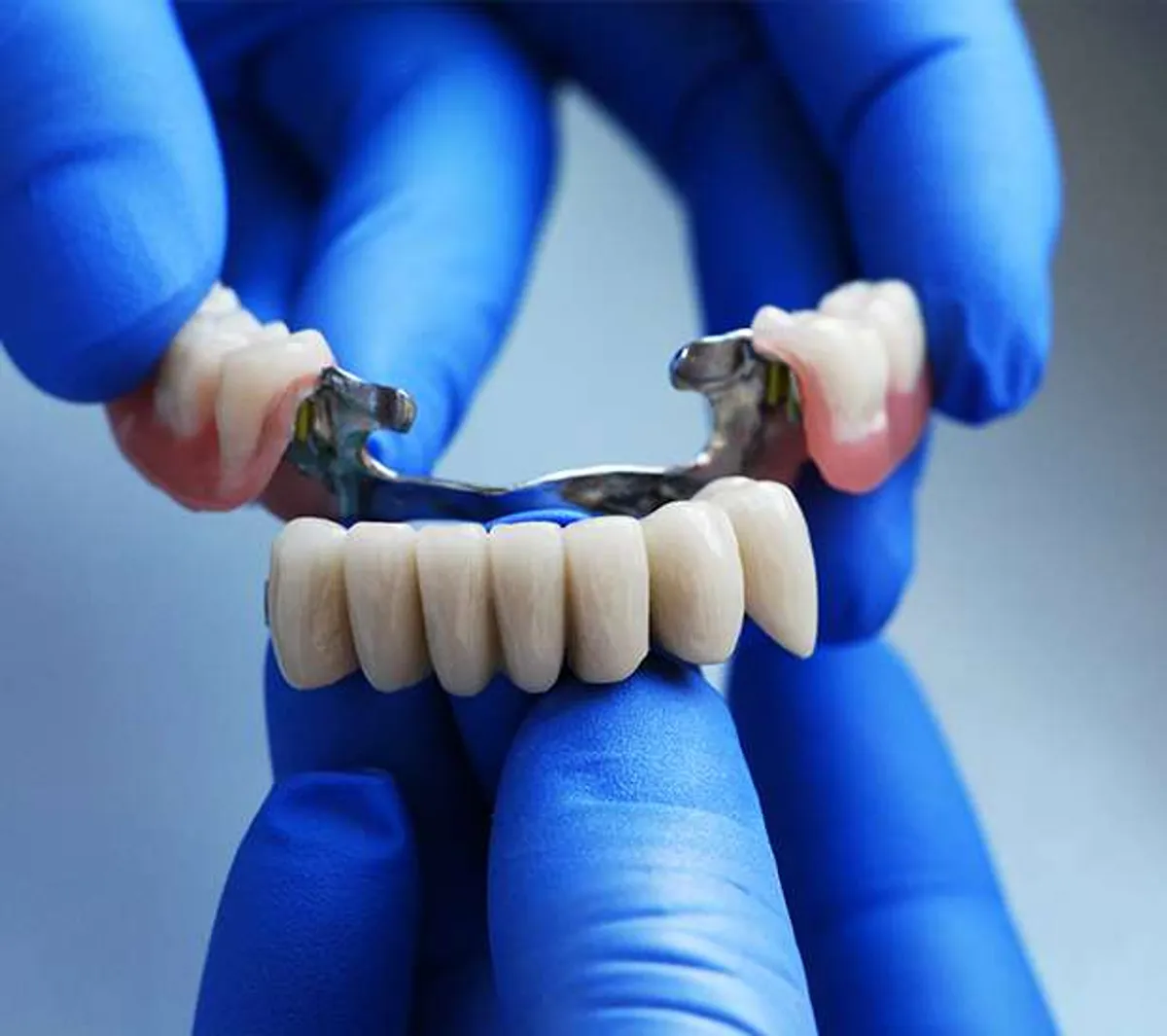
Partial dentures are removable dental appliances designed to replace multiple missing teeth while using your remaining natural teeth for support. They are custom-made to fit your mouth and help restore everyday functions such as eating and speaking.
If you are missing some teeth but still have healthy natural teeth remaining, partial dentures may be one option worth discussing with your dentist.
What Are Partial Dentures?
Partial dentures are removable appliances that replace one or more missing teeth in the upper or lower jaw. Unlike complete dentures, which replace an entire arch of teeth, partial dentures are designed for people who still have some natural teeth.
They typically consist of replacement teeth attached to a base that resembles the appearance of natural gum tissue. Depending on the design, the appliance may use clasps or other attachments to connect to existing teeth and help keep it in position.
Partial dentures are custom-made based on the patient’s dental structure, the number of missing teeth, and the location of the gaps.
Their main purpose is to restore some of the function and appearance lost when natural teeth are missing.
How Do Partial Dentures Work?
Partial dentures fill the spaces left by missing teeth. They are designed to sit comfortably alongside your remaining natural teeth and surrounding gum tissue.
Depending on the type of appliance, they may use small metal clasps, precision attachments, or other retention features to help hold them in place.
When properly designed and fitted, partial dentures can help patients:
- Replace visible gaps in their smile.
- Improve their ability to chew certain foods.
- Support clearer speech when missing teeth affect pronunciation.
- Restore the appearance of a more complete set of teeth.
- Reduce the risk of remaining teeth shifting into some empty spaces.
However, partial dentures do not function exactly like natural teeth. They may require an adjustment period, and certain foods may remain more difficult to chew.
What Are the Different Types of Partial Dentures?
Partial dentures are available in different designs and materials. The most appropriate option depends on the number and location of missing teeth, the condition of the remaining teeth, and the patient’s dental needs.
1. Acrylic Partial Dentures
Acrylic partial dentures are made using a plastic base that supports the replacement teeth. They may include metal clasps to help keep the appliance in position.
These dentures are sometimes used as temporary or transitional appliances while a patient waits for another dental treatment or healing process to be completed. In some cases, they may also be considered as a longer-term option.
Their suitability depends on the patient’s oral condition and the design of the appliance.
2. Cast Metal Partial Dentures
Cast metal partial dentures typically have a metal framework that provides structural support. The framework is designed to fit around the remaining natural teeth, with replacement teeth attached to the appliance.
Metal frameworks can be thinner and more rigid than some acrylic designs. Their fit and support depend on the patient’s remaining teeth and the overall construction of the denture.
3. Flexible Partial Dentures
Flexible partial dentures are made using flexible materials rather than a traditional rigid metal framework. They may be considered when a patient wants an appliance with a different feel or appearance.
The flexible design can provide an alternative to conventional materials, but it is not suitable for every case. Your dentist must evaluate whether this type of appliance can provide the necessary support and function.
Who May Need Partial Dentures?
Partial dentures may be an option for adults who have lost several teeth but still have healthy natural teeth remaining.
A dentist may discuss partial dentures if you:
- Have multiple missing teeth in one or both arches.
- Want to replace gaps without removing your remaining natural teeth.
- Need a removable tooth replacement option.
- Are not currently a candidate for certain fixed restorative treatments.
- Want to restore some chewing and speaking function.
- Need a replacement option while planning additional dental treatment.
Not everyone with missing teeth is automatically a candidate. The condition of the remaining teeth, gums, and jawbone must be assessed before treatment.
Your dentist will also consider whether other options, such as dental bridges or implants, may be more appropriate.
What Are the Benefits of Partial Dentures?
Partial dentures can offer several practical benefits for patients with multiple missing teeth.
Restores the Appearance of Your Smile
Missing teeth can create noticeable gaps, especially when they are located near the front of the mouth. Partial dentures replace these spaces with artificial teeth designed to complement your remaining natural teeth.
Supports Chewing Function
Missing teeth can make it harder to bite and chew certain foods. Partial dentures can help restore some chewing ability by filling gaps in the dental arch.
However, they may not provide the same biting strength or stability as natural teeth or certain fixed restorations.
Helps With Speech
Teeth play an important role in producing certain sounds. When several teeth are missing, some patients notice changes in their pronunciation.
Replacing missing teeth with partial dentures may help improve speech, although an adjustment period is common.
Removable for Cleaning
Unlike fixed dental restorations, removable partial dentures can be taken out for cleaning. This allows patients to clean the appliance separately and maintain access to the remaining natural teeth and gums.
May Be More Accessible Than Some Fixed Options
Depending on the design and individual treatment plan, partial dentures may offer an alternative to fixed tooth replacement options. Your dentist can explain the expected costs, maintenance requirements, and suitability of each treatment.
What Are the Limitations of Partial Dentures?
Although partial dentures can be useful, they also have limitations that patients should understand before choosing treatment.
They require an adjustment period. New dentures may initially feel unfamiliar. You may notice changes in speech, chewing, or how the appliance feels against your gums.
They may move during eating or speaking. The amount of movement depends on the design, fit, and condition of the supporting teeth and tissues.
They require daily cleaning. Food particles and plaque can accumulate on the appliance, so proper cleaning is essential.
They may need adjustments over time. Changes in the gums, jawbone, and remaining teeth can affect how the denture fits. Your dentist may recommend adjustments, relining, or replacement.
They do not prevent all changes in the jawbone. After tooth loss, the bone in the affected area may gradually change. Partial dentures replace missing teeth but do not provide the same stimulation to the jawbone as natural tooth roots or dental implants.
Understanding these limitations can help you decide whether partial dentures fit your needs and expectations.
What Is the Process of Getting Partial Dentures?
Getting partial dentures involves an examination, treatment planning, creating the appliance, and checking its fit.
Step 1: Dental Examination
Your dentist examines your remaining teeth, gums, and bite. Dental X-rays may also be recommended to evaluate the supporting structures and identify any issues that need attention before denture treatment.
If you have untreated cavities or gum disease, these conditions may need to be addressed first.
Step 2: Impressions or Digital Scanning
The dentist records the shape of your teeth and oral tissues using traditional impressions or digital scanning, depending on the available process.
These records help create an appliance that fits your mouth.
Step 3: Designing and Fabricating the Denture
The partial denture is designed based on the location of your missing teeth and the condition of your remaining teeth.
The material, framework, replacement teeth, and retention features are selected to suit your treatment plan.
Step 4: Fitting and Adjustments
Once the appliance is ready, your dentist checks how it fits and functions. Adjustments may be needed to improve comfort, stability, and how your bite comes together.
Follow-up visits are important, particularly during the initial adjustment period.
Step 5: Learning How to Wear and Care for It
Your dentist will explain how to insert, remove, and clean your partial denture. You will also receive guidance on wearing schedules and when to remove the appliance.
Following these instructions helps protect both the denture and your remaining natural teeth.
How Long Does It Take to Get Used to Partial Dentures?
Adjusting to partial dentures takes time, and the experience varies from person to person.
During the first few days or weeks, you may notice:
- Increased saliva production.
- A feeling of fullness in your mouth.
- Minor difficulty pronouncing certain words.
- Changes in how you chew food.
- Mild pressure or irritation in certain areas.
These experiences may improve as you become more familiar with the appliance. Your dentist can make adjustments if the denture causes persistent discomfort or rubbing.
Start with softer foods cut into smaller pieces. Chew slowly and try to distribute food evenly on both sides of your mouth when possible.
Do not attempt to reshape or adjust the denture yourself. If it feels painful, loose, or unstable, have it checked by your dental professional.
How Should You Clean and Maintain Partial Dentures?
Proper cleaning is essential because plaque and food debris can collect on both the appliance and your remaining natural teeth.
Follow these care practices:
- Remove and clean your dentures daily. Use a denture brush or a brush recommended by your dentist to remove food debris and buildup.
- Use an appropriate cleaning product. Follow the manufacturer’s instructions and your dentist’s advice. Avoid harsh household cleaners.
- Clean your natural teeth carefully. Brush and floss your remaining teeth to reduce the risk of decay and gum disease.
- Clean your gums and tongue. Gentle cleaning helps remove bacteria and maintain good oral hygiene.
- Store your dentures properly. Follow your dentist’s instructions regarding whether the appliance should be kept in water or a recommended soaking solution when not being worn.
- Attend regular dental appointments. Your dentist can check the fit of your appliance and monitor the condition of your remaining teeth and gums.
If your partial denture becomes cracked, loose, or uncomfortable, arrange a dental appointment rather than attempting a repair at home.
Can Partial Dentures Be Replaced With Dental Implants?
In some cases, patients who currently wear partial dentures may be candidates for dental implants. Implants are placed in the jawbone and can support individual replacement teeth, bridges, or other restorations.
However, switching from partial dentures to implants is not appropriate for everyone. Factors such as bone volume, gum health, medical history, and the condition of the remaining teeth must be evaluated.
Some patients may also benefit from a combination of restorative treatments. A dental examination can help determine which options are suitable for your situation.
Restore Your Smile at Crown Dental Group in National City
Missing several teeth can affect your comfort, confidence, and daily routine. Partial dentures may provide a practical way to replace missing teeth while preserving your remaining natural teeth.
At Crown Dental Group, patients can discuss restorative dental options based on their oral health, needs, and treatment goals. Whether you are exploring partial dentures or want to learn about other ways to replace missing teeth, a dental evaluation is a useful first step.
Crown Dental Group welcomes patients from National City and nearby communities, including Chula Vista, Bonita, and Imperial Beach.
Schedule a consultation to discuss your tooth replacement options.
- Crown Dental Group
- 2405 Transportation Ave
- National City, CA 91950
- Phone: (619) 474-6200
- Email: info@crowndentalnc.com
Frequently Asked Questions About Partial Dentures
1. What is the difference between partial and complete dentures?
Partial dentures replace some missing teeth when natural teeth remain in the upper or lower jaw. Complete dentures replace all the teeth in an entire upper or lower arch.
2. Can I eat normally with partial dentures?
Partial dentures can help restore chewing function, but they may not feel exactly like natural teeth. You may need time to adjust and should initially choose softer foods. Some hard, sticky, or particularly chewy foods may remain difficult to manage.
3. Do partial dentures look natural?
Modern partial dentures can be designed with replacement teeth that resemble natural teeth. Their appearance depends on the materials, design, and how closely the replacement teeth are matched to your existing smile.
4. Should I sleep with my partial dentures?
This depends on your dentist’s instructions and the type of appliance. Many removable dentures are taken out at night to allow the oral tissues to rest and to make cleaning easier. Follow the wearing schedule recommended for your specific denture.
5. How long do partial dentures last?
Their lifespan varies based on the materials, fit, oral hygiene, and changes in your mouth over time. They may require adjustments, repairs, relining, or replacement as your dental structure changes.
6. Can partial dentures damage my remaining natural teeth?
A poorly fitting or improperly maintained partial denture may contribute to irritation or plaque accumulation around supporting teeth. Regular cleaning, professional adjustments, and dental checkups help reduce these risks.
7. Can I get partial dentures if I have gum disease?
Gum disease may need to be treated and stabilized before partial dentures are made. Healthy supporting teeth and gum tissues are important for the fit and function of the appliance. Your dentist can assess your condition and recommend the appropriate next steps.
8. Are partial dentures better than dental implants?
Neither option is automatically better. Partial dentures are removable, while dental implants are fixed restorations placed in the jawbone. The appropriate choice depends on your oral health, bone structure, budget, treatment goals, and personal preferences. A dental examination can help determine which option is suitable.
Find us here