The Truth About Wisdom Teeth: Does Everyone Need Them Removed?
Learn the truth about wisdom teeth, when removal is necessary, common signs of problems, and how dentists determine the best treatment for your smile.
Not Every Wisdom Tooth Needs to Be Removed
Few dental topics create as much confusion as wisdom teeth.
Many people assume that everyone will eventually need their wisdom teeth removed. Others believe that if their wisdom teeth aren’t causing pain, they can simply ignore them forever.
The truth lies somewhere in between.
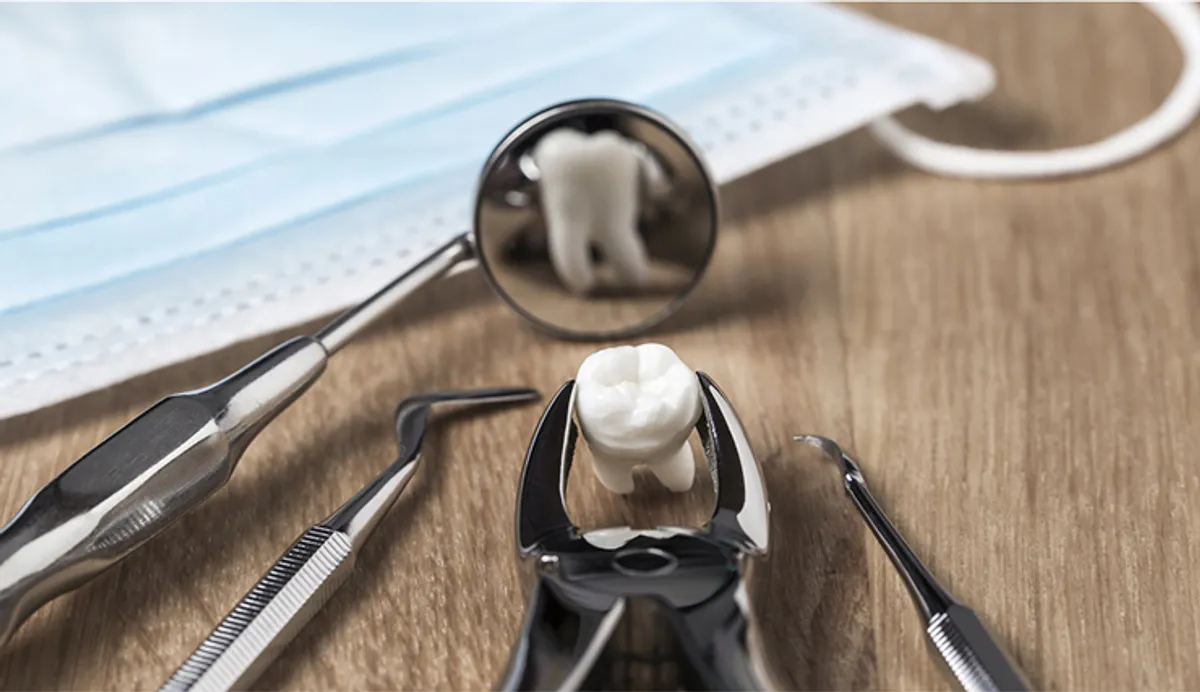
While wisdom teeth are one of the most commonly extracted teeth, not every wisdom tooth requires removal. Some erupt normally, function just like other molars, and never cause problems. Others become impacted, trapped beneath the gums, or grow at unusual angles that can affect neighboring teeth and oral health.
At Crown Dental Group, every patient receives an individualized evaluation. Rather than recommending removal simply because wisdom teeth are present, we carefully assess their position, health, function, and potential risks before determining the most appropriate treatment.
Understanding what wisdom teeth are—and why they sometimes become problematic—can help you make informed decisions about your oral health.
What Are Wisdom Teeth?
Wisdom teeth are the third and final set of molars.
Most adults have four wisdom teeth:
- One in the upper right
- One in the upper left
- One in the lower right
- One in the lower left
They are the last permanent teeth to develop.
Most wisdom teeth begin erupting between the ages of 17 and 25, although some appear earlier, later, or never erupt at all.
Why Are They Called “Wisdom Teeth”?
The name comes from the age at which they usually appear.
Since they erupt during the late teenage years or early adulthood, they were historically associated with greater maturity—or “wisdom.”
From a dental standpoint, however, they are simply the last molars to develop.
Why Do Wisdom Teeth Cause Problems?
Thousands of years ago, human jaws were generally larger.
Our ancestors consumed tougher foods that caused greater tooth wear over time.
Extra molars were often beneficial.
Today, modern diets and changes in human evolution have resulted in smaller jaws for many people.
As a result, there often isn’t enough room for wisdom teeth to erupt properly.
When space is limited, wisdom teeth may become:
- Impacted
- Partially erupted
- Crooked
- Trapped beneath the gums
These situations increase the likelihood of future dental problems.
What Does “Impacted” Mean?
An impacted wisdom tooth is one that cannot fully erupt into its normal position.
Instead of growing straight upward, it may become blocked by:
- Bone
- Gum tissue
- Adjacent teeth
Impacted teeth remain partially or completely trapped beneath the gums.
Not every impacted wisdom tooth causes symptoms immediately, but many require monitoring.
Different Types of Wisdom Tooth Impactions
Wisdom teeth can become impacted in several ways.
Vertical Impaction
The tooth is upright but lacks enough room to erupt completely.
Horizontal Impaction
The tooth grows sideways toward the neighboring molar.
This is one of the most common reasons extraction is recommended.
Mesial Impaction
The tooth tilts toward the front of the mouth.
Distal Impaction
The tooth angles toward the back of the mouth.
The position of the tooth helps determine the appropriate treatment approach.
Signs That Wisdom Teeth May Be Causing Problems
Not every wisdom tooth causes discomfort.
However, symptoms may include:
- Pain near the back of the mouth
- Swollen gums
- Difficulty opening the mouth
- Jaw discomfort
- Bad breath
- Food becoming trapped behind the last molar
- Tenderness while chewing
These symptoms should be evaluated promptly.
Why Pain Isn’t Always Present
One of the biggest misconceptions about wisdom teeth is that they only require attention if they hurt.
In reality, some wisdom teeth cause damage silently.
For example:
- Cavities may develop.
- Neighboring teeth may be damaged.
- Gum disease may begin.
- Cysts may form.
Regular dental examinations and digital X-rays help identify these issues before symptoms appear.
Wisdom Teeth and Crowding
Many patients believe wisdom teeth always cause front teeth to become crooked.
Current research suggests the relationship is more complicated.
While wisdom teeth can create pressure within the back of the mouth, crowding often results from multiple factors, including natural changes that occur with age.
Nevertheless, impacted wisdom teeth can still affect neighboring molars and should be evaluated individually.
Wisdom Teeth and Gum Disease
Partially erupted wisdom teeth often create areas that are difficult to clean.
Food particles and bacteria may become trapped beneath the gum tissue.
This increases the risk of:
- Gum inflammation
- Infection
- Periodontal disease
- Tooth decay
Because these areas are difficult to reach with a toothbrush or floss, maintaining good oral hygiene becomes more challenging.
Can Wisdom Teeth Get Cavities?
Absolutely.
Wisdom teeth are susceptible to cavities just like any other tooth.
In fact, because they are located so far back in the mouth, they can be more difficult to clean properly.
If a cavity develops in a wisdom tooth—or the neighboring molar because of it—treatment may become more complicated.
What Is Pericoronitis?
One of the most common wisdom tooth problems is a condition called pericoronitis.
This occurs when gum tissue surrounding a partially erupted wisdom tooth becomes inflamed.
Symptoms may include:
- Swelling
- Pain
- Difficulty chewing
- Bad taste
- Bad breath
In some cases, infection develops.
Professional evaluation is important if these symptoms occur.
How Dentists Evaluate Wisdom Teeth
A comprehensive evaluation typically includes:
- Visual examination
- Digital X-rays
- Bite assessment
- Gum evaluation
Digital imaging allows the dentist to determine:
- Tooth position
- Root development
- Available space
- Relationship to nearby teeth and nerves
This information guides treatment recommendations.
When Is Wisdom Tooth Removal Recommended?
Removal may be recommended if the wisdom tooth:
- Is impacted
- Causes repeated infections
- Damages neighboring teeth
- Has extensive decay
- Cannot be cleaned effectively
- Contributes to gum disease
- Causes pain or swelling
Every recommendation is based on the individual’s specific condition.
When Wisdom Teeth Can Be Left Alone
Not all wisdom teeth require extraction.
A wisdom tooth may remain if it:
- Has fully erupted
- Functions normally
- Is healthy
- Can be cleaned effectively
- Doesn’t affect neighboring teeth
Regular monitoring remains important to ensure no problems develop over time.
What Happens During Wisdom Tooth Removal?
The exact procedure depends on the position of the tooth.
Some wisdom teeth can be removed similarly to other teeth.
Others require a more involved surgical approach.
Before treatment, your dentist will explain:
- The procedure
- Recovery expectations
- Home care instructions
Every treatment plan is personalized.
Recovery After Extraction
Recovery varies depending on the complexity of the procedure.
Most patients benefit from:
- Rest
- Soft foods
- Gentle oral hygiene
- Following postoperative instructions carefully
Proper aftercare supports healing and reduces the risk of complications.
Can Adults Have Wisdom Teeth Removed Later in Life?
Yes.
Although many extractions occur during the late teens or twenties, wisdom teeth can be removed later if necessary.
The timing depends on:
- Tooth position
- Symptoms
- Overall oral health
- Individual treatment needs
Common Myths About Wisdom Teeth
Myth: Everyone Needs Their Wisdom Teeth Removed
False.
Many wisdom teeth remain healthy and functional for life.
Myth: If They Don’t Hurt, They’re Fine
Not necessarily.
Some wisdom teeth cause damage without producing noticeable symptoms.
Myth: Wisdom Teeth Always Cause Crowding
Crowding is influenced by multiple factors, not wisdom teeth alone.
Myth: Older Adults Can’t Have Wisdom Teeth Removed
Extractions can still be performed later in life when appropriate.
Frequently Asked Questions
Do all wisdom teeth need to be removed?
No. Many healthy wisdom teeth can remain if they are functioning properly.
What age do wisdom teeth usually appear?
Most erupt between the ages of 17 and 25.
How do I know if my wisdom teeth are impacted?
A dental examination and digital X-rays provide the most accurate evaluation.
Can wisdom teeth cause bad breath?
Yes. Food and bacteria trapped around partially erupted wisdom teeth may contribute to bad breath.
What happens if impacted wisdom teeth are ignored?
Potential complications include infection, cavities, gum disease, and damage to neighboring teeth.
Are wisdom tooth extractions painful?
Modern anesthesia and dental techniques help keep patients comfortable during the procedure.
Can wisdom teeth stay healthy forever?
Yes. Fully erupted, properly positioned wisdom teeth may function normally for many years.
How often should wisdom teeth be checked?
They should be evaluated during routine dental examinations and monitored with appropriate imaging when recommended.
Every Wisdom Tooth Deserves an Individual Evaluation
Wisdom teeth have a reputation for causing problems, but the reality is that every patient’s situation is different. While some wisdom teeth remain healthy and functional throughout life, others become impacted or create conditions that can affect neighboring teeth, gums, and overall oral health.
The key is early evaluation and regular monitoring. Modern digital imaging allows dentists to assess the position and health of wisdom teeth before they cause pain or permanent damage. If removal is recommended, it is because the long-term benefits outweigh the risks of leaving the tooth in place.
At Crown Dental Group, we take a personalized approach to wisdom tooth care. Whether your wisdom teeth need continued observation or extraction, our goal is to help you make informed decisions that support a healthy, comfortable smile for years to come.
When it comes to wisdom teeth, the best decision isn’t based on age or assumptions—it’s based on careful evaluation and what’s best for your individual oral health.
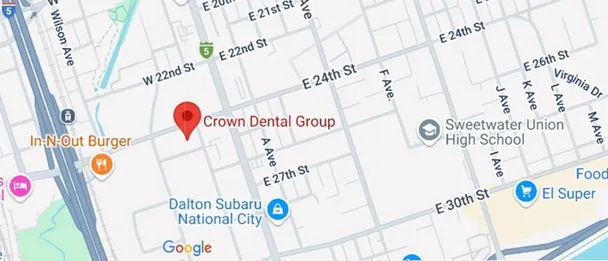
Find us here