The Science Behind Tooth Sensitivity: Why Hot and Cold Foods Hurt
Learn what causes tooth sensitivity, why hot and cold foods trigger pain, and how professional dental treatment can help protect your teeth and improve comfort.
Why Does Drinking Ice Water Sometimes Feel Like a Shock to Your Teeth?
Have you ever taken a sip of ice water and felt a sudden sharp pain shoot through one of your teeth?
Maybe you’ve experienced discomfort when eating ice cream, drinking hot coffee, or even breathing in cold air on a chilly morning.
If so, you’re not alone.
Tooth sensitivity is one of the most common dental concerns among adults. Millions of people experience some degree of sensitivity at some point in their lives. For some, it’s an occasional annoyance. For others, it becomes a daily source of discomfort that affects eating, drinking, and overall quality of life.
While tooth sensitivity may seem like a minor problem, it is often your body’s way of telling you that something is affecting the health of your teeth.
At Crown Dental Group, we help patients identify the causes of sensitivity and develop treatment plans that address the underlying problem—not just the symptoms.
Understanding the science behind tooth sensitivity can help you protect your smile and prevent more serious dental issues in the future.
What Is Tooth Sensitivity?
Tooth sensitivity, also known as dentin hypersensitivity, occurs when the inner portions of a tooth become exposed to external stimuli.
These stimuli may include:
- Cold beverages
- Hot foods
- Sweet foods
- Acidic foods
- Cold air
- Brushing or flossing
The resulting sensation is often described as:
- Sharp
- Sudden
- Temporary
- Intense
Although the discomfort may only last a few seconds, it can be surprisingly painful.
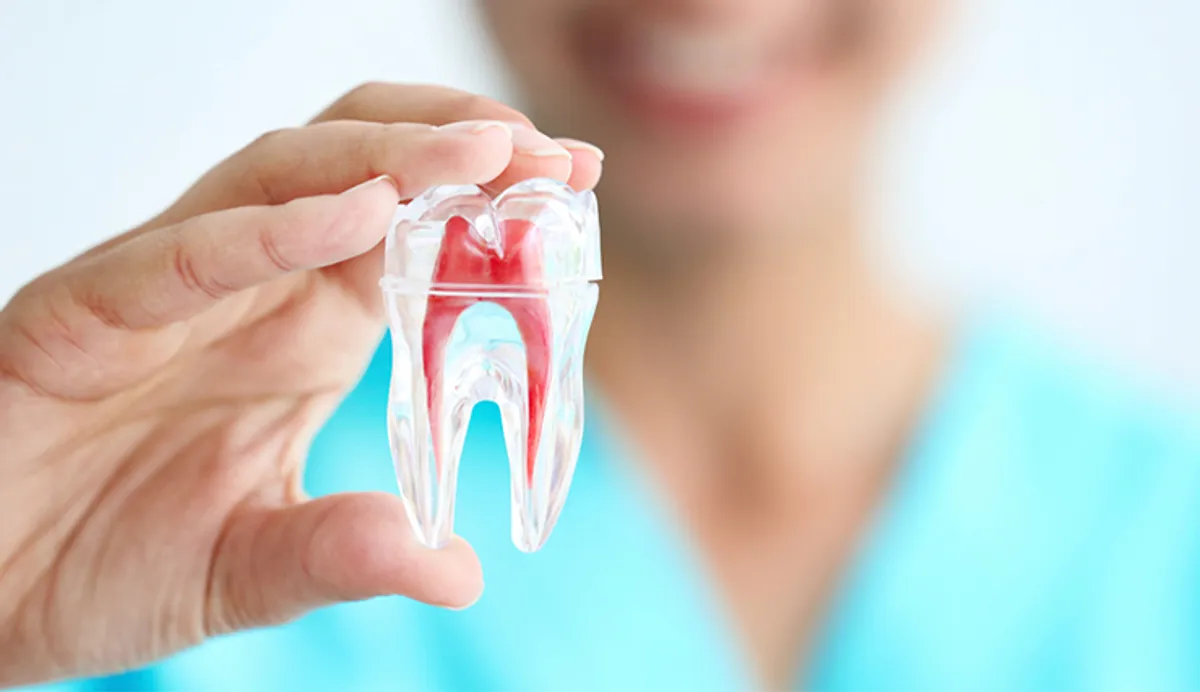
Understanding Tooth Anatomy
To understand why sensitivity occurs, it helps to understand how teeth are structured.
Each tooth contains several layers.
Enamel
The outermost layer is called enamel.
Enamel is extremely strong and serves as the primary protective barrier against physical, chemical, and bacterial damage.
When enamel remains intact, it shields the more sensitive structures beneath.
Dentin
Beneath the enamel lies dentin.
Dentin is softer than enamel and contains thousands of microscopic channels known as dentinal tubules.
These tiny tubules connect the outer portions of the tooth to the nerve tissue inside.
Pulp
At the center of the tooth is the pulp.
The pulp contains:
- Nerves
- Blood vessels
- Connective tissue
This area is responsible for sensing pain, pressure, and temperature changes.
Why Sensitivity Happens
When enamel becomes damaged or when gum tissue recedes, dentin may become exposed.
Once this occurs, external stimuli can travel through the dentinal tubules toward the nerve.
This process triggers the familiar sensation of tooth sensitivity.
Imagine the tubules as tiny pathways that allow temperature changes to communicate directly with the tooth’s nerve.
When cold water touches exposed dentin, the nerve receives that signal almost instantly.
The result is discomfort.
The Hydrodynamic Theory
The most widely accepted scientific explanation for tooth sensitivity is known as the hydrodynamic theory.
According to this theory, temperature changes cause fluid movement within the dentinal tubules.
For example:
- Cold temperatures cause fluid to contract.
- Heat causes fluid expansion.
This movement stimulates nerve endings inside the tooth.
The nerve then sends pain signals to the brain.
Although the process occurs on a microscopic level, the sensation can be surprisingly intense.
Common Causes of Tooth Sensitivity
Several different conditions can expose dentin and increase sensitivity.
Enamel Erosion
One of the most common causes is enamel erosion.
Over time, acids gradually wear away the tooth’s protective outer layer.
Common sources of acid include:
- Soda
- Sports drinks
- Energy drinks
- Citrus fruits
- Wine
- Acid reflux
As enamel becomes thinner, dentin becomes more vulnerable.
Gum Recession
Healthy gums protect tooth roots.
When gums recede, root surfaces become exposed.
Unlike enamel-covered portions of the tooth, roots have less protection.
This often leads to increased sensitivity.
Teeth Grinding
Many people grind or clench their teeth without realizing it.
This habit, known as bruxism, can gradually wear away enamel.
Over time, grinding may create:
- Flattened teeth
- Small fractures
- Increased sensitivity
Night guards are often recommended for patients who grind their teeth during sleep.
Aggressive Brushing
Brushing too hard can damage both enamel and gum tissue.
Many people assume vigorous brushing cleans teeth better.
In reality, excessive force may contribute to:
- Gum recession
- Enamel wear
- Tooth sensitivity
Using a soft-bristled toothbrush is generally recommended.
Cavities
Tooth decay creates pathways that allow external stimuli to reach sensitive portions of the tooth.
As cavities progress, sensitivity often becomes more noticeable.
Early treatment can prevent further damage.
Cracked Teeth
Small fractures may expose dentin and allow temperature changes to affect the nerve.
Patients with cracked teeth often experience:
- Sensitivity
- Pain while chewing
- Intermittent discomfort
Prompt evaluation is important because cracks can worsen over time.
Recent Dental Procedures
Temporary sensitivity sometimes occurs after:
- Fillings
- Crowns
- Teeth whitening
- Deep cleanings
In many cases, this sensitivity improves as the tooth adjusts.
Why Cold Usually Hurts More Than Heat
Many patients notice that cold temperatures trigger stronger reactions than heat.
There is a scientific reason for this.
Cold causes rapid fluid movement within the dentinal tubules.
This movement often stimulates nerve endings more aggressively than heat.
As a result, cold drinks and ice cream frequently produce stronger symptoms.
The Role of Gum Health
Gum health plays a major role in sensitivity.
Healthy gums act as a protective barrier around tooth roots.
When gum disease develops, tissue may begin pulling away from the teeth.
This process exposes root surfaces and increases sensitivity.
Early Signs of Gum Problems
Patients should watch for:
- Bleeding gums
- Swelling
- Gum recession
- Persistent bad breath
Addressing gum disease early can help prevent further tissue loss.
How Age Affects Sensitivity
Sensitivity can occur at any age, but certain age-related changes increase risk.
As people grow older:
- Enamel naturally wears down
- Gum recession becomes more common
- Existing dental work ages
- Tooth surfaces experience years of use
These factors may contribute to increased sensitivity over time.
Can Tooth Sensitivity Be a Sign of Something Serious?
Sometimes.
Occasional sensitivity may not indicate a major problem.
However, persistent or worsening sensitivity should never be ignored.
In some cases, it may signal:
- Tooth decay
- Gum disease
- Cracked teeth
- Infection
- Failing restorations
Professional evaluation helps determine the cause.
Treatment Options for Tooth Sensitivity
The best treatment depends on the underlying reason for the sensitivity.
Desensitizing Toothpaste
Certain toothpastes contain ingredients that help block pain signals.
With regular use, many patients experience noticeable improvement.
Fluoride Treatments
Professional fluoride applications help strengthen enamel and reduce sensitivity.
Dental Bonding
Bonding materials can cover exposed root surfaces and protect sensitive areas.
Night Guards
Patients who grind their teeth may benefit from custom night guards.
These appliances help reduce enamel wear and protect teeth from excessive forces.
Restorative Treatment
If sensitivity is caused by:
- Cavities
- Cracks
- Damaged fillings
restorative treatment may be necessary.
Addressing the source of the problem often eliminates symptoms.
Preventing Tooth Sensitivity
While not all causes can be prevented, several habits may reduce risk.
Use a Soft-Bristled Toothbrush
Gentle brushing helps protect enamel and gums.
Avoid Excessive Force
More pressure does not mean better cleaning.
Limit Acidic Foods and Beverages
Reducing acid exposure helps preserve enamel.
Wear a Night Guard if Needed
Protecting against grinding can reduce wear.
Maintain Regular Dental Visits
Routine examinations allow dentists to identify concerns early.
When Should You See a Dentist?
Schedule an evaluation if:
- Sensitivity persists
- Symptoms worsen
- Pain becomes severe
- Chewing becomes uncomfortable
- A tooth suddenly becomes sensitive
Early diagnosis often leads to simpler treatment options.
Frequently Asked Questions
Is tooth sensitivity normal?
It is common, but it often indicates an underlying issue that should be evaluated.
Why do cold drinks hurt my teeth?
Cold temperatures cause fluid movement within exposed dentinal tubules, stimulating nerves.
Can sensitivity go away on its own?
Sometimes temporary sensitivity improves, but persistent symptoms often require professional attention.
Is sensitivity a sign of a cavity?
It can be. Cavities are one possible cause of tooth sensitivity.
Can gum recession cause sensitivity?
Yes. Exposed root surfaces are highly susceptible to temperature changes.
Does teeth grinding contribute to sensitivity?
Absolutely. Grinding can wear down enamel and expose sensitive areas.
Are sensitive teeth more common with age?
Age-related enamel wear and gum recession can increase sensitivity risk.
What is the best treatment for sensitivity?
Treatment depends on the underlying cause and should be determined through a dental examination.
Sensitive Teeth Are Trying to Tell You Something
Tooth sensitivity may seem like a minor inconvenience, but it often serves as an important warning sign. Whether caused by enamel erosion, gum recession, cavities, grinding, or other factors, sensitivity indicates that the protective barriers of the tooth have been compromised.
The good news is that most cases of tooth sensitivity can be successfully managed once the cause is identified. Through preventive care, professional treatment, and healthy daily habits, patients can often reduce discomfort and protect their long-term oral health.
At Crown Dental Group, we believe every symptom has a story. If hot coffee, ice cream, or cold water are causing discomfort, your teeth may be asking for attention. Understanding the science behind sensitivity is the first step toward a healthier, more comfortable smile.
Find us here