The Complete Guide to Dental Fillings: When You Need Them and What to Expect
Learn everything you need to know about dental fillings, including when they are needed, treatment options, and how fillings help protect your teeth from further damage.
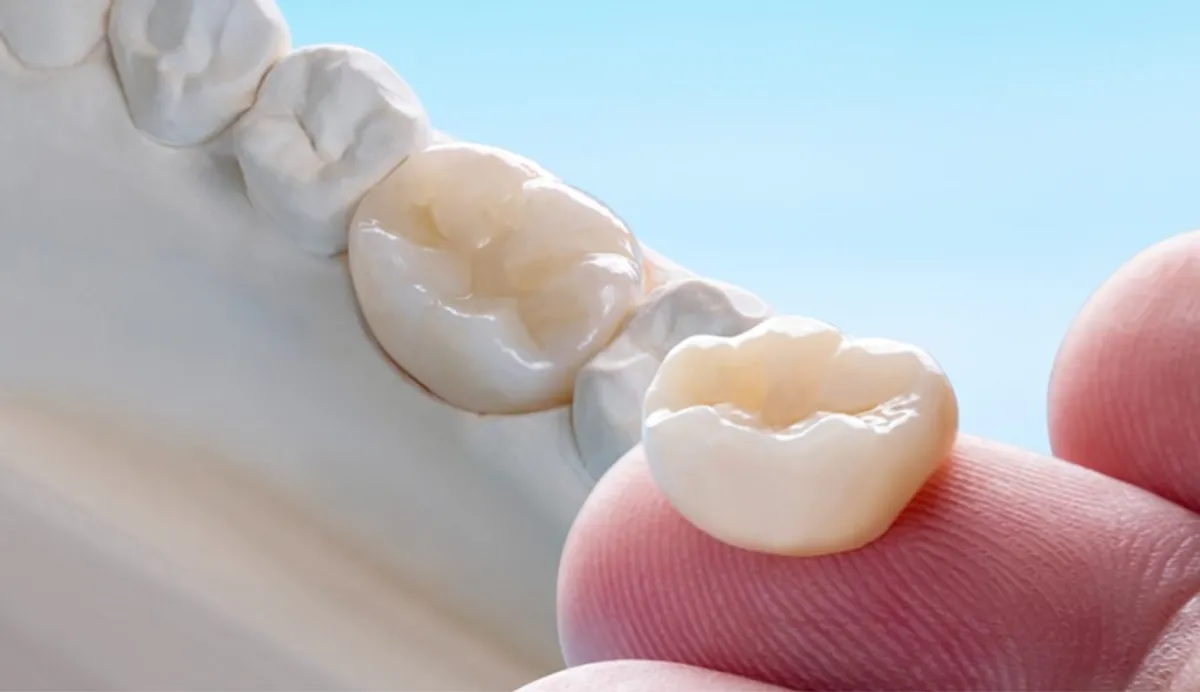
Dental Fillings Are One of the Most Common Procedures in Dentistry
If you’ve ever been told you need a filling, you’re certainly not alone.
Dental fillings are among the most frequently performed dental treatments in the world. Millions of people receive fillings every year to repair teeth affected by decay, minor fractures, and wear.
Despite how common they are, many patients don’t fully understand what fillings do, why they are necessary, or what happens if treatment is delayed.
Some people hear the word “cavity” and immediately become nervous. Others assume that because a cavity doesn’t hurt, treatment can wait.
The truth is that fillings play a critical role in preserving natural teeth and preventing more serious dental problems from developing.
At Crown Dental Group, we believe informed patients make better decisions about their oral health. Understanding how fillings work and why they matter can help you feel more confident about protecting your smile.
What Is a Dental Filling?
A dental filling is a restorative treatment used to repair a tooth that has been damaged by decay, minor fractures, or wear.
When a cavity forms, bacteria destroy a portion of the tooth structure. The damaged area must be removed to stop the decay process.
Once the unhealthy portion of the tooth is removed, the resulting space is filled with a durable dental material.
The filling restores:
- Strength
- Function
- Shape
- Appearance
Most importantly, it prevents bacteria from continuing to invade the tooth.
Without treatment, decay usually progresses deeper into the tooth over time.
Understanding How Cavities Form
To appreciate the importance of fillings, it helps to understand how cavities develop.
The mouth naturally contains bacteria.
When these bacteria consume sugars and carbohydrates from food and beverages, they produce acids.
These acids attack the enamel, which is the hard outer layer of the tooth.
Over time:
- Enamel weakens
- Mineral loss occurs
- Small defects develop
- Decay begins spreading
Eventually, a cavity forms.
Once an actual hole develops in the tooth, the damage generally cannot repair itself naturally.
Professional treatment becomes necessary.
Why Cavities Don’t Always Hurt
One of the most common misconceptions about dental decay is that cavities always cause pain.
In reality, many cavities produce no symptoms at all during their early stages.
This is because enamel contains no nerves.
A cavity can grow significantly before it reaches deeper portions of the tooth where nerves become involved.
Many patients are surprised when a dentist identifies a cavity during a routine examination because they never experienced discomfort.
This is one reason preventive dental visits are so important.
Signs You May Need a Filling
Although some cavities are symptom-free, others produce noticeable warning signs.
Common symptoms include:
Tooth Sensitivity
Pain or discomfort when consuming hot, cold, or sweet foods.
Visible Dark Spots
Discoloration may indicate decay.
Rough Areas on Teeth
Patients sometimes notice rough surfaces with their tongue.
Food Frequently Getting Stuck
Decay can create spaces that trap food particles.
Pain When Biting
Advanced cavities may affect chewing comfort.
However, it’s important to remember that many cavities are detected before symptoms appear.
What Happens If a Cavity Is Ignored?
A cavity does not stop growing on its own.
Without treatment, decay continues spreading through the tooth.
Stage One: Small Cavity
The decay remains confined to enamel.
Treatment often requires a simple filling.
Stage Two: Larger Cavity
The decay reaches dentin, the softer layer beneath enamel.
More tooth structure becomes damaged.
Stage Three: Deep Decay
The cavity approaches the nerve tissue.
Sensitivity and pain become more likely.
Stage Four: Infection
Bacteria reach the pulp, causing infection.
Treatment may require:
- Root canal therapy
- Crown placement
- Multiple appointments
Stage Five: Tooth Loss
In severe cases, extraction may become necessary.
A filling is often the simplest and most conservative solution when decay is identified early.
Why Fillings Are Important
Some patients view fillings as minor procedures.
In reality, they play a critical role in preserving natural teeth.
Fillings help:
- Stop decay progression
- Restore tooth strength
- Protect against fractures
- Improve chewing function
- Prevent infection
Early treatment allows dentists to preserve more natural tooth structure.
Modern Filling Materials
Dental materials have evolved significantly over the years.
Today’s fillings are more attractive, durable, and conservative than ever before.
Tooth-Colored Composite Fillings
Composite resin fillings are among the most popular options.
These materials are carefully matched to the natural color of surrounding teeth.
Benefits include:
- Natural appearance
- Strong bonding to tooth structure
- Conservative treatment approach
- Excellent aesthetics
Most patients appreciate that composite fillings blend seamlessly into their smiles.
The Filling Procedure: Step by Step
Many patients feel nervous about receiving a filling simply because they don’t know what to expect.
Fortunately, the procedure is typically straightforward and comfortable.
Step 1: Examination and Diagnosis
The dentist evaluates the tooth using:
- Visual examination
- Digital radiographs
- Diagnostic tools
This helps determine the extent of the decay.
Step 2: Local Anesthesia
If necessary, the area is numbed to ensure comfort.
Many patients report feeling little to no discomfort during treatment.
Step 3: Removing Decay
The damaged portion of the tooth is carefully removed.
Only unhealthy tooth structure is eliminated.
The goal is to preserve as much healthy tooth as possible.
Step 4: Cleaning the Area
The tooth is cleaned to eliminate bacteria and debris.
This helps ensure a secure bond between the tooth and filling material.
Step 5: Placing the Filling
The filling material is applied and shaped to restore the tooth’s natural form.
Step 6: Final Adjustments
The dentist checks the bite and makes any necessary adjustments.
The result is a tooth that feels comfortable and functions normally.
Are Fillings Painful?
One of the most common concerns patients have involves discomfort.
Fortunately, modern dentistry has made filling procedures far more comfortable than many people expect.
Local anesthesia effectively numbs the treatment area.
Most patients experience:
- Minimal discomfort
- Little pressure
- A relatively short appointment
In many cases, anxiety before treatment is greater than the procedure itself.
How Long Do Fillings Last?
The lifespan of a filling depends on several factors.
These include:
- Material type
- Oral hygiene habits
- Bite forces
- Diet
- Teeth grinding
With proper care, many fillings last for years.
Regular dental examinations allow dentists to monitor existing restorations and identify any signs of wear.
Can Fillings Prevent Future Cavities?
A filling repairs existing damage, but it does not make the tooth immune to future decay.
Patients must continue practicing good oral hygiene.
Healthy habits include:
- Brushing twice daily
- Flossing regularly
- Limiting sugary foods
- Attending routine dental visits
Preventive care remains essential.
What If a Filling Falls Out?
While uncommon, fillings can occasionally become loose or dislodge.
If this happens:
- Avoid chewing on the affected tooth
- Keep the area clean
- Schedule a dental appointment promptly
Prompt evaluation helps prevent additional damage.
Can Fillings Fix Cracked Teeth?
Small cracks and minor fractures may sometimes be repaired with fillings.
However, larger cracks may require more extensive treatment such as crowns.
The best treatment depends on the severity and location of the damage.
The Relationship Between Fillings and Preventive Dentistry
Fillings are restorative treatments, but they are closely connected to prevention.
A filling represents an opportunity to stop decay before it becomes more serious.
Early intervention helps patients avoid:
- Root canals
- Crowns
- Extractions
- Dental emergencies
This is why regular examinations remain so important.
Why Early Detection Matters
Many patients delay treatment because they are not experiencing pain.
Unfortunately, waiting often allows the problem to worsen.
Early cavity treatment typically means:
- Smaller fillings
- Less drilling
- Lower costs
- Better preservation of natural teeth
The sooner decay is addressed, the easier treatment tends to be.
Frequently Asked Questions
How do I know if I need a filling?
Only a dental examination can determine whether decay is present and requires treatment.
Can cavities heal without fillings?
Once a cavity forms a hole in the tooth, professional treatment is generally necessary.
Are tooth-colored fillings durable?
Yes. Modern composite fillings provide excellent strength and aesthetics.
How long does a filling appointment take?
Treatment time varies depending on the size and location of the cavity.
Will I feel pain during the procedure?
Modern anesthesia helps ensure patient comfort throughout treatment.
Can a filling fall out?
While uncommon, fillings can occasionally loosen or wear down over time.
Why do I need a filling if nothing hurts?
Many cavities develop without symptoms until they become more advanced.
How can I avoid needing fillings?
Good oral hygiene, healthy dietary habits, fluoride use, and routine dental visits help reduce cavity risk.
Small Fillings Can Prevent Big Problems
Dental fillings may seem like a simple procedure, but they play an essential role in preserving natural teeth and protecting long-term oral health.
By repairing decay early, fillings stop cavities from progressing into more serious problems that may require root canals, crowns, or extractions. Modern filling materials provide excellent durability, natural appearance, and reliable protection for damaged teeth.
At Crown Dental Group, we believe that prevention and early intervention are the keys to maintaining a healthy smile. If a cavity is identified, treating it promptly with a filling can save time, money, and discomfort in the future.
Sometimes the smallest treatment can make the biggest difference in protecting your smile for years to come.
Find us here