The Art and Science of Precision Smile Transformations: A Comprehensive Guide to Ceramic Crowns and Porcelain Veneers in National City, CA
Transform your smile with custom ceramic crowns and porcelain veneers at Crown Dental Group in National City, CA. Advanced cosmetic dentistry tailored for you.
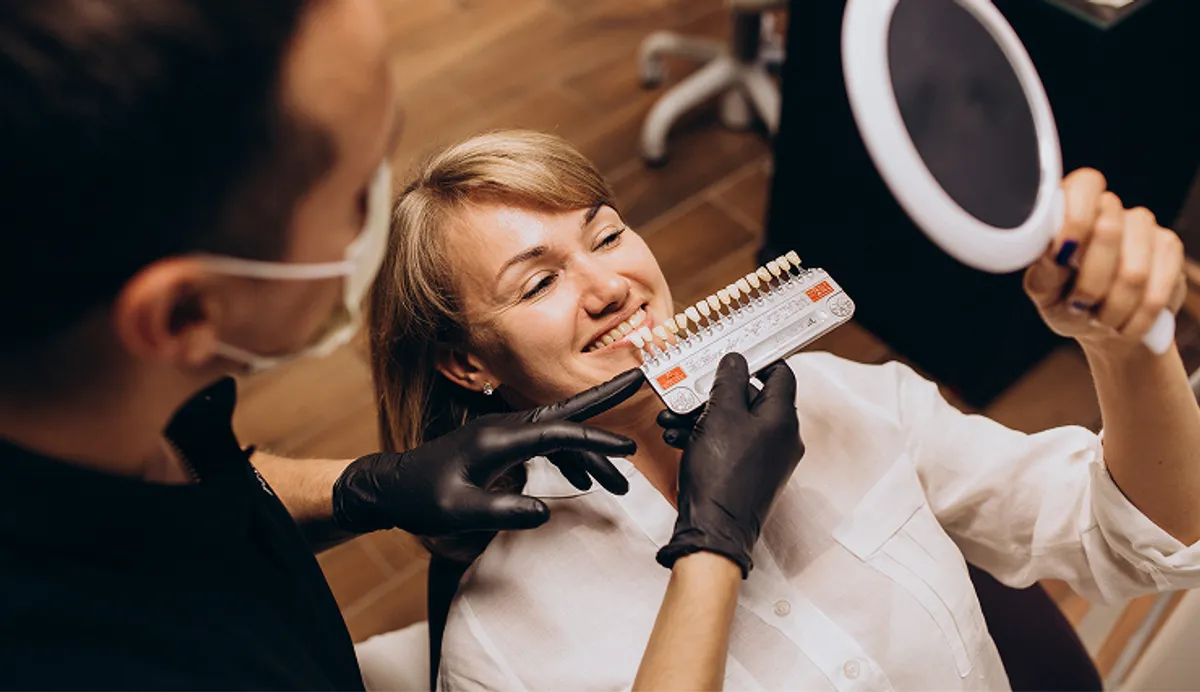
A smile is far more than a simple facial expression. It is a fundamental component of human communication, personal confidence, and social interaction. When individuals experience cosmetic dental imperfections—whether due to intrinsic staining, micro-fractures, congenital malformations, advanced enamel erosion, or structural decay—the psychological impact can be profound. Many people find themselves instinctively hiding their teeth behind closed lips, covering their mouths during laughter, or avoiding social and professional opportunities altogether.
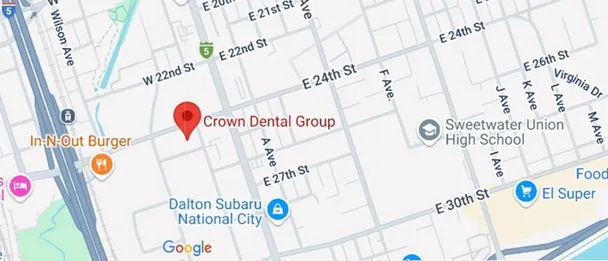
Fortunately, modern restorative and cosmetic dentistry has reached an unprecedented peak where art meets clinical science. At Crown Dental Group, located conveniently at 2405 Transportation Ave, National City, CA 91950, we combine advanced digital diagnostic technology with the principles of biomimetic material science to deliver natural, durable, and aesthetically stunning smile restorations.
Whether you are looking to correct a single discolored tooth with a high-translucency ceramic crown or undergo a full smile makeover using ultra-thin porcelain veneers, understanding the biological, optical, and mechanical foundation of these treatments empowers you to make informed decisions about your oral health.
The Clinical Science: Material Physics, Optical Dynamics, and Enamel Adhesion
Achieving an aesthetically flawless restoration that mimics the natural beauty of human teeth requires a deep understanding of dental anatomy, optical physics, and material chemistry. Synthetic restorations must not only look natural under varying lighting conditions but must also withstand the immense forces of mastication (chewing) within the oral cavity.
Optical Dynamics: Translucency, Opalescence, and Fluorescence
Natural human tooth enamel is a complex biological structure composed of approximately 96% inorganic hydroxyapatite crystals arranged in micro-prisms. This crystalline network gives enamel unique optical characteristics:
- Translucency and Light Refraction: Light does not simply bounce off the surface of a natural tooth. Instead, it penetrates through the transparent enamel layer, refracts within the crystalline hydroxyapatite matrix, and reflects back off the underlying, slightly warmer dentin layer.
- Opalescence: Natural enamel exhibits an opalescent quality, appearing subtly bluish under reflected light and reddish-orange under transmitted light. High-end cosmetic restorations must incorporate mineral oxides (such as titanium or cerium) within the glass matrix to replicate this multi-dimensional light scattering.
- Fluorescence: Under ultraviolet or bright white light, human dentin fluoresces, emitting a soft bluish-white glow. Advanced dental ceramics are engineered with trace fluorescent agents so that your restorations look completely natural in bright sunlight, dim candlelight, or under blacklight environments.
The Material Science: Lithium Disilicate vs. Zirconia vs. Feldspathic Porcelain
Selecting the appropriate material is a vital clinical decision dictated by the location of the tooth, your bite force (occlusal dynamics), and your aesthetic goals.
1. Feldspathic Porcelain
Feldspathic ceramic is created from naturally occurring minerals (feldspar, quartz, and kaolin). It offers the highest level of translucency and optical realism available in restorative dentistry. Because of its lower flexural strength (60–90 MPa), feldspathic porcelain is utilized predominantly for ultra-thin, highly conservative veneers bonded directly to intact enamel in low-stress anterior regions.
2. Lithium Disilicate (IPS e.max®)
Lithium disilicate is a glass-ceramic material reinforced with interlocking lithium disilicate crystals. This structural arrangement provides an impressive flexural strength of 360 to 500 MPa while maintaining superior optical translucency. It represents the gold standard for anterior crowns, high-aesthetic posterior crowns, and high-stress porcelain veneers.
3. Yttria-Stabilized Tetragonal Zirconia Polycrystal (Y-TZP)
Zirconia is a high-strength monolithic or layered polycrystalline ceramic completely devoid of a glass matrix. By stabilizing zirconium oxide with yttria, the material undergoes a phenomenon known as transformation toughening. When a micro-crack begins to form under mechanical pressure, the crystal structure shifts, stopping the crack in its tracks.
- 3Y-TZP (High Strength): Boasts flexural strengths exceeding 1,000–1,200 MPa, ideal for heavy bruxers (tooth grinders) or multi-unit posterior bridges.
- 5Y-PSZ (High Translucency): Blends a higher percentage of cubic phase zirconia to significantly improve light transmission, making it a powerful choice for aesthetic crowns that require extreme structural durability.
The Biomechanics of Micro-Mechanical and Chemical Bonding
A cosmetic restoration is only as good as its bond to the underlying natural tooth structure. Modern adhesive dentistry relies on creating a unified, monolithic complex through chemical and micro-mechanical adhesion:
- Etching the Tooth Structure: Enamel is treated with 37% phosphoric acid, which selectively dissolves hydroxyapatite crystals to create micro-porosities on the tooth surface.
- Etching the Ceramic Restorations: Glass-ceramics (like lithium disilicate) are etched internally with hydrofluoric acid (HF) to dissolve the glass matrix, exposing a micro-retentive topography.
- Chemical Coupling (Silanization): A synthetic silane coupling agent is applied to the etched ceramic. Silane molecules act as a bifunctional bridge, forming strong chemical covalent bonds with both the inorganic silica in the ceramic and the organic polymers in the resin cement.
- Resin Cement Curing: A dual-cure or light-cure composite resin cement fills the micro-porosities on both sides. Once light-polymerized, the ceramic and tooth structure achieve bond strengths ranging between 30 to 40 Megapascals (MPa)—effectively fusing the porcelain restoration directly to your natural tooth.
Ceramic Crowns vs. Porcelain Veneers: Understanding the Differences
Patients often ask whether they are candidates for ceramic crowns or porcelain veneers. While both treatments alter the appearance, shape, and shade of teeth, their structural requirements and clinical indications differ substantially.
Porcelain Veneers: The Minimal-Intervention Aesthetic Solution
Porcelain veneers are custom-engineered, ultra-thin shells of ceramic often no thicker than a contact lens (0.3mm to 0.7mm) designed to cover only the front (facial) and incisal (biting) edges of the teeth.
- Ideal Clinical Indications:
- Severe intrinsic discoloration resistant to professional chemical whitening (such as fluorosis or tetracycline staining).
- Minor dental crowding or spacing issues (diastemas) where the patient prefers to avoid prolonged orthodontic treatment.
- Chipped, worn, or unevenly shaped anterior teeth with intact underlying enamel structures.
- Clinical Advantage: Extreme preservation of sound biological tooth structure. Because the preparation stays almost exclusively within the enamel layer, veneers preserve maximum structural integrity and tooth vitality.
Ceramic Crowns: Comprehensive Structural Protection and Aesthetic Rejuvenation
A full ceramic crown is a 360-degree protective cap that encapsulates the entire visible portion of the tooth above the gumline.
- Ideal Clinical Indications:
- Teeth with extensive structural breakdown, large failing composite restorations, or deep dental caries.
- Teeth that have undergone root canal therapy, which removes internal vascularity and leaves the remaining tooth brittle and prone to catastrophic fracture.
- Severely malaligned or heavily worn teeth resulting from chronic nocturnal bruxism.
- Clinical Advantage: Outstanding structural reinforcement. A ceramic crown completely protects a compromised tooth from fracturing under heavy occlusal loads while restoring a natural shape, contour, and shade.
The Patient Journey at Crown Dental Group: From Consultation to Final Delivery
At Crown Dental Group, every patient undergoes a personalized, highly predictable treatment plan powered by state-of-the-art diagnostic technology.
Phase 1: Comprehensive Aesthetic Evaluation & Digital Diagnostics
Your journey begins at our modern facility in National City with a thorough clinical examination. We do not simply look at your teeth; we evaluate your facial symmetry, lip line dynamics, phonetics, and temporomandibular joint (TMJ) function.
- High-Resolution 3D CBCT Imaging: Our Cone Beam Computed Tomography provides 3D volumetric images of your facial bone structures, tooth roots, and nerve pathways, ensuring complete foundational health before beginning cosmetic work.
- Digital Intraoral Scanning: Say goodbye to uncomfortable, gooey impression trays. Using advanced digital impression technology, we capture millions of precise 3D data points of your dental arches within minutes.
Phase 2: Digital Smile Design (DSD) & Mock-Up Rehearsal
Before any enamel is touched, we utilize Digital Smile Design software to digitally model your proposed smile based on precise facial proportions.
Using this 3D blueprint, we fabricate a temporization matrix or diagnostic “mock-up.” We temporarily apply a biocompatible resin directly over your un-prepared teeth. This allows you to look in the mirror, evaluate your new smile, test your speech, and feel the proposed shape and length in real time before finalizing the master laboratory design.
Phase 3: Conservative Tooth Preparation and Intraoral Scanning
On the day of tooth preparation:
- Comfort Control: Local anesthesia is applied to ensure total comfort throughout the procedure.
- Biomimetic Tooth Reduction: Guided by depth-limiting diamonds and precision silicon keys, our clinicians remove only the minimum necessary tooth structure—preserving maximum healthy enamel.
- Digital Impressions: A high-precision digital scanner captures the prepped surfaces, margins, and opposing bite relationship.
- Custom Temporization: You will leave our office with beautifully crafted temporary veneers or crowns designed to protect your prepped teeth and maintain your refined aesthetics while your master restorations are being fabricated.
Phase 4: Precision Milling and Master Dental Artistry
Your digital 3D scans are transferred to our premier dental laboratory technicians. Utilizing computer-aided design and computer-aided manufacturing (CAD/CAM) precision milling equipment, your crowns or veneers are shaped from solid blocks of lithium disilicate or multi-layered translucent zirconia.
Master dental ceramists then meticulously hand-apply ceramic micro-stains, characterizations, and glazes to replicate natural developmental grooves, incisal halo effects, and subtle translucency patterns unique to your face.
Phase 5: Try-In, Adhesive Bonding, and Occlusal Calibration
At your final fit appointment, the temporary restorations are gently removed, and your prepped teeth are cleaned.
- Esthetic Try-In: We seat your permanent ceramic restorations using water-soluble try-in pastes to evaluate shade accuracy, margin fit, contact points, and overall facial harmony.
- Isolating the Clinical Field: Rubber dam isolation is utilized to prevent saliva or moisture contamination, which could compromise bond strength.
- Adhesive Cementation: Following precise etching and silanization steps, the restorations are seated with dual-cure adhesive resin cement and light-cured into place.
- Micro-Occlusal Adjustments: We verify your bite dynamics in centric relation and lateral excursion, polishing every margin to ensure long-term comfort and functional balance.
Comprehensive Frequently Asked Questions (FAQs)
Q1: Will getting ceramic crowns or porcelain veneers hurt?
Not at all. Patient comfort is our primary priority. During tooth preparation, we administer precise local anesthesia to completely numb the treatment area. After the procedure, you may experience mild tooth sensitivity or temporary tissue tenderness around the gumlines for a few days, which is easily managed with over-the-counter pain relievers like ibuprofen.
Q2: How long do ceramic crowns and porcelain veneers last?
With proper oral hygiene, routine dental checkups, and night guard protection if you grind your teeth, modern lithium disilicate crowns and porcelain veneers typically last 15 to 20+ years. The advanced resin bonds and durable ceramic materials resist staining, chipping, and wear under normal functional conditions.
Q3: How do I care for my new veneers or ceramic crowns?
Caring for your cosmetic restorations is virtually identical to caring for your natural teeth:
- Brush twice daily with a non-abrasive fluoride toothpaste.
- Floss daily around every restoration to protect the supporting gum tissues.
- Schedule regular professional dental cleanings and oral exams every six months at Crown Dental Group.
- Avoid using your teeth as tools to open packages or biting down on hard objects like ice or hard candies.
Q4: Can veneers or ceramic crowns stain like natural teeth?
No. Dental ceramics (such as lithium disilicate and high-translucency zirconia) are non-porous glass structures. Unlike natural tooth enamel, which possesses microscopic pores that absorb pigments from coffee, red wine, tea, and dark foods, porcelain restorations are highly stain-resistant and maintain their bright shade for years.
Q5: What is the main difference between composite veneers and porcelain veneers?
Composite veneers are sculpted directly onto the teeth using tooth-colored resin material in a single visit. While lower in initial cost, composite resin is porous, prone to staining, and has a lower flexural strength (requiring repair every 3 to 5 years). Porcelain veneers are custom-milled in a dental laboratory, offer far superior light transmission and aesthetic depth, and last 3 to 4 times longer than composite resin.
Q6: What if I clench or grind my teeth (bruxism) at night?
Bruxism does not automatically disqualify you from getting cosmetic veneers or crowns! However, heavy biting forces can increase the risk of ceramic chipping over time. At Crown Dental Group, we custom-fabricate a protective nocturnal Sports Mouthguard or Night Guard for our cosmetic patients to wear while sleeping, safeguarding your investment for the long term.
Q7: Will my natural tooth underneath a crown or veneer rot?
A crown or veneer protects the exterior of the natural tooth, but the tooth structure beneath remains living tissue. If you do not maintain proper oral hygiene along the gumline where the porcelain restoration meets the tooth (the margin), bacteria can accumulate and cause decay. Flossing daily and maintaining regular dental cleanings completely prevents margin decay.
Q8: How many veneers or crowns do I need for a complete smile makeover?
The number of restorations required depends entirely on your personal smile goals, facial geometry, and how many teeth show when you smile broadly (your “smile zone”). Most patients opt for 6, 8, or 10 upper anterior veneers to create a balanced, symmetrical, and completely transformed aesthetic across their entire visible arch.
Transform Your Smile at Crown Dental Group Today
You do not have to live with chipped, discolored, worn, or misaligned teeth any longer. With modern ceramic crowns and custom porcelain veneers, achieving the radiant, confident smile you have always dreamed of is closer than you think.
At Crown Dental Group, our experienced clinical team blends artistic precision, advanced digital technology, and a compassionate patient-centered approach to deliver life-changing cosmetic transformations tailored to your unique facial features.
Ready to Begin Your Smile Transformation?
Contact our friendly team today to schedule your comprehensive cosmetic consultation!
- Practice Name: Crown Dental Group
- Address: 2405 Transportation Ave, National City, CA 91950
- Phone Number: (619) 474-6200
- Email: info@crowndentalnc.com
- Location Highlights: Serving National City, Chula Vista, Bonita, San Ysidro, Imperial Beach, and the surrounding South Bay San Diego region.
Call us today at (619) 474-6200 or send an email to info@crowndentalnc.com to reserve your appointment!
Find us here