How Your Bite Affects Your Overall Oral Health
Learn how your bite affects your teeth, jaw, gums, and overall oral health, and discover why proper bite alignment is essential for a healthy smile.
Your Teeth Are Designed to Work Together
When you think about oral health, you probably focus on brushing, flossing, or preventing cavities. While those are all important, there’s another factor that plays a major role in the health of your smile: your bite.
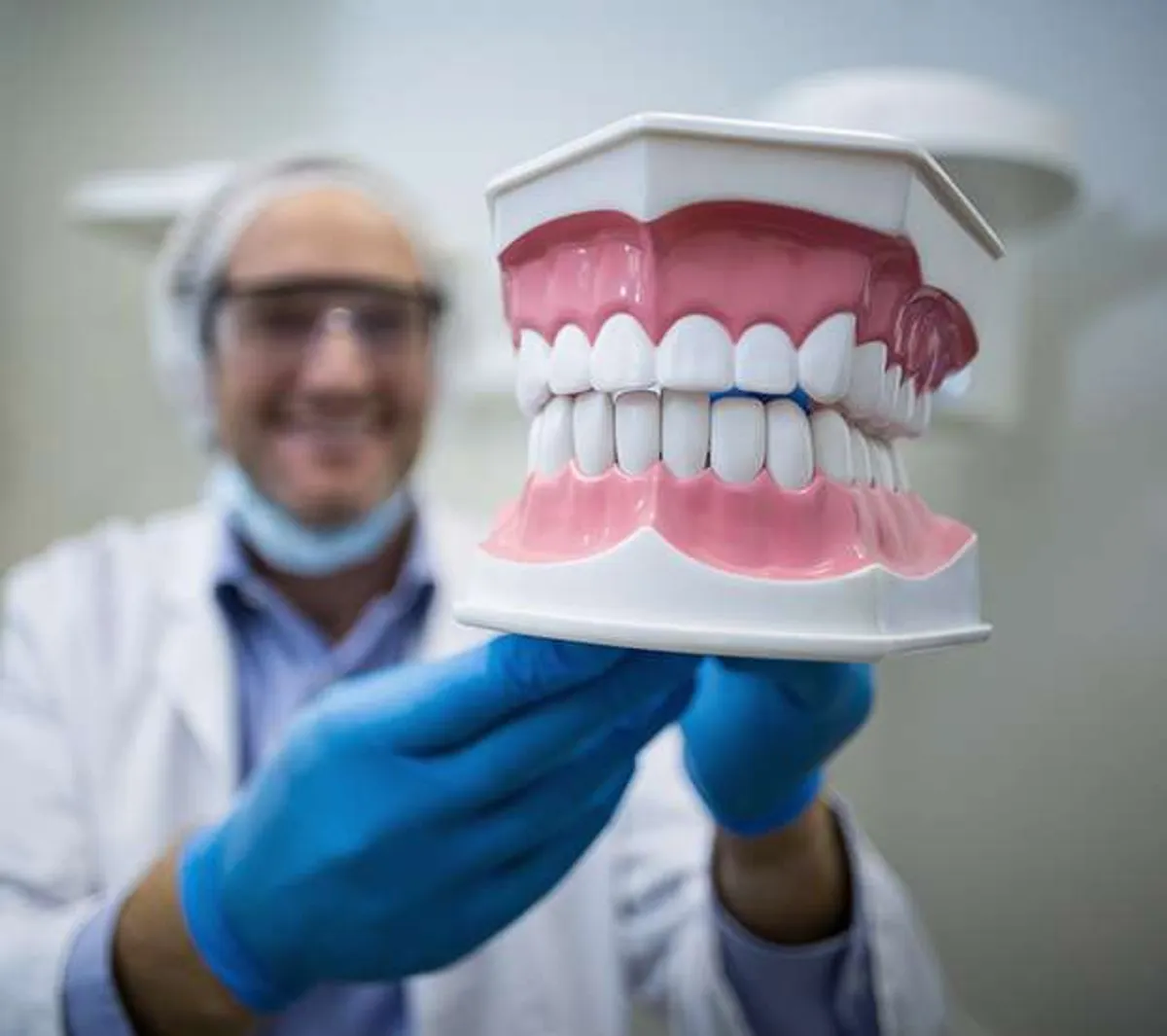
Your bite refers to how your upper and lower teeth come together when you close your mouth. When your bite is properly aligned, the forces created during chewing are distributed evenly across your teeth. But when your bite is uneven, those forces become concentrated on certain teeth and jaw muscles, which can lead to a variety of dental problems over time.
Many patients live with bite problems for years without realizing it. They may experience headaches, jaw pain, cracked teeth, worn enamel, or recurring dental work without understanding that their bite is the underlying cause.
At Crown Dental Group, evaluating your bite is an important part of every comprehensive dental examination. A healthy bite doesn’t just make chewing easier—it helps protect your teeth, gums, jaw joints, and long-term oral health.
What Is Your Bite?
Your bite, also called occlusion, describes how your upper and lower teeth fit together when your mouth closes.
Ideally, every tooth supports the others.
When you bite down, chewing forces should be evenly distributed across your mouth rather than concentrated in just a few areas.
A properly balanced bite allows your teeth, muscles, and jaw joints to work together efficiently.
Why Bite Alignment Matters
Every time you chew, your teeth absorb pressure.
The average person chews hundreds of times every day.
Over the course of a lifetime, that’s millions of chewing movements.
When the bite is balanced, these forces are shared among all the teeth.
When the bite is uneven, certain teeth receive much more pressure than they were designed to handle.
Over time, excessive pressure can lead to:
- Tooth wear
- Cracks
- Loose fillings
- Jaw pain
- Gum problems
- Muscle fatigue
How an Uneven Bite Develops
Bite problems can occur for many different reasons.
Sometimes they develop naturally.
Other times they result from changes that occur over many years.
Common causes include:
Genetics
Some people naturally develop bite irregularities as their permanent teeth erupt.
Missing Teeth
When a tooth is lost and not replaced, neighboring teeth begin shifting into the empty space.
This changes the way the teeth come together.
Teeth Grinding
Chronic grinding gradually wears down the chewing surfaces of the teeth.
As enamel is lost, the bite may slowly change.
Dental Trauma
Injuries can alter the position of one or more teeth.
Existing Dental Work
Fillings, crowns, and bridges must fit precisely.
Even slight differences in height can affect the bite.
Signs Your Bite May Be Off
Many people don’t realize they have bite problems because symptoms often develop gradually.
Common signs include:
- Frequent headaches
- Jaw soreness
- Clicking or popping when opening the mouth
- Tooth sensitivity
- Chipped teeth
- Cracked teeth
- Worn enamel
- Neck tension
- Ear discomfort
- Difficulty chewing
Patients sometimes assume these problems are unrelated, when in reality they may all stem from the same source.
Tooth Wear: A Common Result of Bite Problems
One of the earliest signs of an uneven bite is excessive tooth wear.
Instead of contacting evenly, certain teeth repeatedly absorb more pressure.
This can gradually flatten the chewing surfaces.
Over time, worn teeth may become:
- Shorter
- More sensitive
- More prone to cracking
Because tooth wear develops slowly, many patients don’t notice the changes until significant damage has already occurred.
Why Bite Problems Can Lead to Cracked Teeth
Healthy teeth are remarkably strong.
However, they are designed to withstand normal chewing forces—not excessive pressure concentrated in one area.
When certain teeth repeatedly absorb heavy forces, tiny fractures can begin to develop.
These small cracks may eventually become:
- Larger fractures
- Broken cusps
- Split teeth
Early diagnosis of bite issues can help reduce the risk of future fractures.
Jaw Joints and Your Bite
The temporomandibular joints (TMJs) connect your lower jaw to your skull.
These joints are responsible for:
- Chewing
- Speaking
- Swallowing
- Yawning
When your bite is uneven, the TMJs may be forced to compensate.
This additional stress can contribute to jaw discomfort and muscle fatigue.
Symptoms of TMJ Disorders
Patients with bite-related TMJ problems may experience:
- Jaw pain
- Clicking sounds
- Limited jaw movement
- Facial soreness
- Ear pain
- Headaches
Not every TMJ disorder is caused by bite problems, but bite alignment is an important factor that dentists evaluate.
The Relationship Between Bite Problems and Headaches
Many patients are surprised to learn that frequent headaches may originate in the mouth.
When chewing muscles remain tense because of an uneven bite or teeth grinding, they can create pain that radiates into the temples, forehead, and neck.
These headaches are often mistaken for:
- Sinus headaches
- Tension headaches
- Migraines
A comprehensive dental evaluation may help identify whether bite problems are contributing.
Gum Health Can Also Be Affected
Excessive biting forces don’t only affect teeth.
They may also affect the surrounding gum tissue and supporting bone.
Overloaded teeth sometimes experience:
- Gum recession
- Increased mobility
- Bone loss
- Localized inflammation
Protecting the bite helps protect the entire support system of the teeth.
Bite Problems and Teeth Grinding
Teeth grinding and bite issues often occur together.
In some cases, grinding contributes to bite changes.
In others, an uneven bite encourages clenching or grinding.
This cycle can gradually worsen over time.
Signs of grinding include:
- Flattened teeth
- Chipped enamel
- Morning headaches
- Jaw soreness
Custom night guards are often recommended to protect the teeth from excessive forces.
How Missing Teeth Affect Your Bite
Every tooth has an important role.
When one tooth is lost, neighboring teeth begin shifting.
Opposing teeth may also move into the empty space.
These changes gradually alter the bite.
This can lead to:
- Uneven chewing
- Increased wear
- Difficulty cleaning
- Additional tooth movement
Replacing missing teeth helps maintain bite stability.
How Dentists Evaluate Your Bite
During a comprehensive examination, your dentist evaluates how your teeth come together.
This may include checking:
- Tooth contacts
- Wear patterns
- Jaw movement
- Muscle tenderness
- Existing restorations
- Tooth alignment
Sometimes small adjustments can significantly improve comfort and function.
Treatment Options for Bite Problems
Treatment depends on the underlying cause.
Possible options include:
Night Guards
Custom night guards protect teeth from grinding and reduce excessive biting forces during sleep.
Dental Crowns
Crowns may restore damaged teeth and help rebuild proper chewing surfaces.
Orthodontic Treatment
In some cases, orthodontics may improve bite alignment by repositioning teeth.
Replacing Missing Teeth
Dental implants, bridges, or dentures help restore bite balance.
Bite Adjustments
Minor reshaping of certain tooth surfaces may improve how the teeth come together.
Your dentist will recommend treatment based on your individual needs.
Preventing Bite-Related Problems
Although not every bite issue can be prevented, healthy habits help reduce risk.
Attend Routine Dental Visits
Regular examinations allow dentists to identify bite changes early.
Wear a Mouthguard for Sports
Protect teeth from trauma during athletic activities.
Use a Night Guard if Recommended
Night guards reduce grinding-related damage.
Replace Missing Teeth Promptly
Early replacement helps prevent shifting and bite changes.
Avoid Chewing Hard Objects
Ice, pens, and hard candy increase fracture risk.
Frequently Asked Questions
What is a bite problem?
A bite problem occurs when the upper and lower teeth do not come together properly.
Can my bite cause headaches?
Yes. Uneven biting forces may contribute to muscle tension and headaches.
Why are my teeth wearing down?
Grinding, clenching, and bite imbalances are common causes of excessive tooth wear.
Can a bad bite crack my teeth?
Yes. Concentrated pressure on certain teeth increases the risk of fractures.
How do dentists check my bite?
Dentists evaluate tooth contacts, jaw movement, wear patterns, and chewing function during an examination.
Will a night guard fix my bite?
A night guard protects teeth from grinding but does not permanently change bite alignment.
Can missing teeth affect my bite?
Absolutely. Missing teeth often cause neighboring teeth to shift, changing the way your bite functions.
When should I see a dentist about bite problems?
If you experience jaw pain, headaches, tooth wear, cracked teeth, or difficulty chewing, a professional evaluation is recommended.
A Healthy Bite Helps Protect Your Entire Smile
Your bite is much more than the way your teeth come together—it plays a vital role in the health of your teeth, gums, jaw joints, and surrounding muscles. Even small bite imbalances can place excessive stress on certain teeth, leading to wear, fractures, sensitivity, headaches, and jaw discomfort over time.
The good news is that many bite-related problems can be identified early during routine dental examinations. Through careful evaluation and personalized treatment, dentists can help restore balance, improve comfort, and protect your natural teeth from unnecessary damage.
At Crown Dental Group, we believe comprehensive dental care means looking beyond cavities alone. By evaluating your bite as part of every complete oral health assessment, we help patients maintain healthier, stronger smiles that function comfortably for years to come.
A healthy smile isn’t just about straight teeth—it’s about making sure every tooth works together the way nature intended.
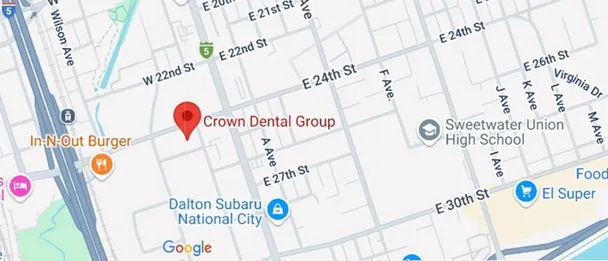
Find us here