How Stress Affects Your Oral Health: The Hidden Impact on Your Teeth and Gums
Discover how stress can affect your teeth and gums, from teeth grinding and jaw pain to gum disease and dry mouth, and learn how to protect your oral health.
Stress Doesn’t Just Affect Your Mind—It Can Affect Your Smile Too
Stress has become a part of modern life. Whether it’s caused by work, family responsibilities, finances, school, or unexpected life events, nearly everyone experiences periods of increased stress.
Most people recognize the effects stress can have on their mood, sleep, and overall health. It can contribute to headaches, fatigue, muscle tension, digestive problems, and high blood pressure.
What many people don’t realize is that stress can also have a significant impact on oral health.
Dentists often see the effects of stress long before patients recognize the connection themselves. Teeth grinding, jaw pain, cracked teeth, gum disease, mouth sores, and even persistent bad breath can all be influenced by chronic stress.
At Crown Dental Group, we believe understanding this connection helps patients take a more complete approach to protecting their smiles. Oral health isn’t just about brushing and flossing—it’s also influenced by your overall physical and emotional well-being.
The Connection Between Stress and Oral Health
Stress affects the body in many ways.
When you experience stress, your body releases hormones such as cortisol and adrenaline.
These hormones prepare your body for a “fight or flight” response.
While this response is helpful in short-term emergencies, long-term stress can affect multiple body systems, including the mouth.
Stress may influence:
- Muscle tension
- Immune function
- Saliva production
- Sleep quality
- Daily habits
- Inflammation
Each of these changes can contribute to oral health problems.
Teeth Grinding: One of the Most Common Effects of Stress
One of the clearest ways stress affects oral health is through teeth grinding, also known as bruxism.
Many people grind or clench their teeth without realizing it.
This often occurs during sleep, making it difficult to recognize until symptoms develop.
Why Does Stress Cause Grinding?
During stressful periods, muscles throughout the body naturally become more tense.
The muscles responsible for chewing are no exception.
As these muscles tighten, patients may unconsciously clench or grind their teeth.
Some people also clench their teeth while:
- Working
- Driving
- Exercising
- Concentrating
The habit often develops without any awareness.
Signs You May Be Grinding Your Teeth
Common symptoms include:
- Morning jaw soreness
- Frequent headaches
- Worn or flattened teeth
- Tooth sensitivity
- Clicking jaw
- Facial muscle fatigue
- Cracked teeth
Many patients are surprised when their dentist identifies signs of grinding during a routine examination.
How Grinding Damages Teeth
Teeth are designed for chewing food—not for rubbing against each other continuously.
Grinding places enormous pressure on tooth surfaces.
Over time, this may lead to:
- Enamel wear
- Chipped teeth
- Cracked teeth
- Loose dental fillings
- Broken crowns
- Tooth fractures
Without treatment, long-term grinding can cause significant damage.
Jaw Pain and TMJ Disorders
The temporomandibular joints (TMJs) connect your lower jaw to your skull.
These joints allow you to:
- Speak
- Chew
- Yawn
- Swallow
Stress-related clenching can overwork these joints and the surrounding muscles.
Symptoms of TMJ Problems
Patients may experience:
- Jaw pain
- Clicking or popping
- Difficulty opening the mouth
- Ear pain
- Facial soreness
- Neck discomfort
Although TMJ disorders have multiple causes, stress frequently contributes to muscle tension around the jaw.
Stress and Gum Disease
Stress doesn’t directly cause gum disease, but it can increase your risk.
One reason is that chronic stress affects immune function.
When the immune system is under strain, the body may become less effective at controlling inflammation and fighting bacterial infections.
This makes it easier for gum disease to develop or worsen.
Signs of Gum Disease
Early symptoms include:
- Bleeding gums
- Swelling
- Redness
- Persistent bad breath
Without treatment, gum disease may progress to:
- Gum recession
- Bone loss
- Loose teeth
- Tooth loss
Routine dental care becomes even more important during stressful periods.
Dry Mouth and Stress
Some individuals notice their mouth feels unusually dry during periods of stress or anxiety.
Stress may contribute to reduced saliva production.
Additionally, medications commonly prescribed for anxiety or depression may also cause dry mouth as a side effect.
Why Saliva Matters
Saliva plays several important roles.
It helps:
- Wash away food particles
- Neutralize acids
- Control bacteria
- Protect enamel
When saliva decreases, cavity risk often increases.
Canker Sores and Emotional Stress
Many patients report developing mouth ulcers during particularly stressful periods.
Although the exact cause of canker sores remains unclear, emotional stress is considered one possible trigger.
These sores may cause discomfort while:
- Eating
- Drinking
- Speaking
Fortunately, most canker sores heal on their own within one to two weeks.
Stress Can Affect Daily Habits
Another way stress impacts oral health is by influencing behavior.
During stressful times, people often:
- Skip brushing before bed
- Forget to floss
- Eat more sugary snacks
- Drink more coffee
- Consume more sugary beverages
- Smoke more frequently
These habits can increase the risk of cavities and gum disease.
The effects of stress are often both biological and behavioral.
Emotional Eating and Oral Health
Many people cope with stress by reaching for comfort foods.
Unfortunately, many comfort foods are high in:
- Sugar
- Refined carbohydrates
- Sticky ingredients
Frequent consumption of these foods provides bacteria with more fuel for acid production.
This increases the likelihood of:
- Cavities
- Plaque buildup
- Gum inflammation
Choosing healthier snacks whenever possible benefits both general and oral health.
Acid Reflux and Stress
Stress may also contribute to acid reflux in some individuals.
When stomach acid repeatedly reaches the mouth, it can erode enamel.
Enamel erosion may lead to:
- Tooth sensitivity
- Discoloration
- Increased cavity risk
- Weakened teeth
Patients experiencing frequent reflux should discuss symptoms with both their physician and dentist.
Why Stress Can Delay Healing
The body’s healing processes may become less efficient during periods of chronic stress.
This may affect recovery following:
- Tooth extractions
- Periodontal treatment
- Dental implants
- Oral surgery
Managing stress supports both overall health and healing after dental procedures.
How Dentists Recognize Stress-Related Damage
During routine examinations, dentists often identify signs that suggest stress may be affecting oral health.
These include:
- Flattened chewing surfaces
- Small fractures
- Worn enamel
- Gum inflammation
- Muscle tenderness
- Jaw discomfort
Recognizing these signs early allows preventive measures to be introduced before significant damage develops.
Protecting Your Smile During Stressful Times
While stress cannot always be eliminated, several habits help reduce its impact on oral health.
Maintain Your Oral Hygiene Routine
Continue brushing twice daily and flossing every day.
Consistency matters, especially during busy or stressful periods.
Stay Hydrated
Drinking water supports healthy saliva production.
Eat a Balanced Diet
Limiting sugary foods reduces cavity risk.
Get Enough Sleep
Quality sleep benefits both overall health and oral health.
Wear a Night Guard
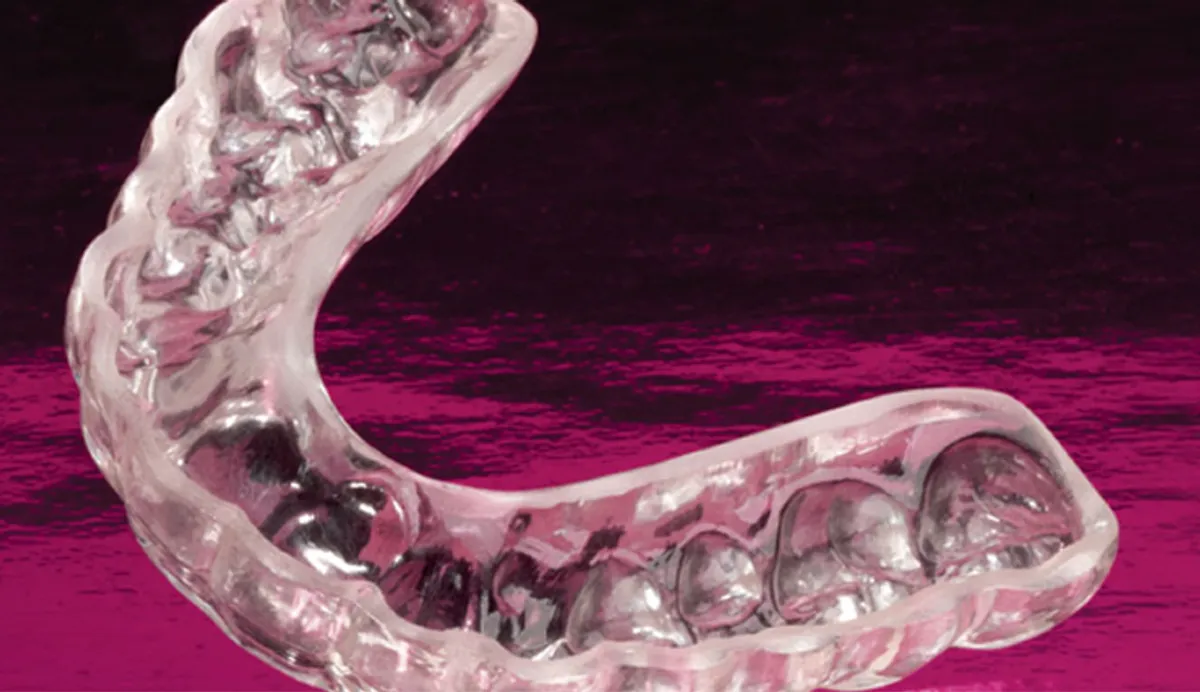
If you grind your teeth while sleeping, a custom night guard may help protect them from excessive forces.
Attend Regular Dental Visits
Routine examinations allow dentists to identify stress-related damage before major problems develop.
The Importance of Managing Stress
Managing stress benefits every part of the body—including your mouth.
Helpful stress-management strategies may include:
- Regular exercise
- Meditation
- Deep breathing
- Yoga
- Hobbies
- Spending time outdoors
- Talking with supportive friends or family
While these activities cannot eliminate every source of stress, they may reduce its physical effects.
Frequently Asked Questions
Can stress really damage my teeth?
Yes. Chronic stress may contribute to grinding, clenching, cracked teeth, and jaw pain.
Why do I wake up with jaw soreness?
Morning jaw discomfort is often associated with nighttime teeth grinding.
Can stress cause gum disease?
Stress may weaken immune function and increase inflammation, making gum disease more likely.
Does anxiety cause dry mouth?
Yes. Anxiety and certain medications may reduce saliva production.
Can stress make my teeth more sensitive?
Grinding, enamel wear, and gum recession related to stress may increase sensitivity.
Will a night guard stop grinding?
A night guard helps protect teeth from grinding forces, although it does not eliminate the habit itself.
Can stress cause mouth sores?
Emotional stress is believed to be one possible trigger for canker sores.
How can my dentist tell if I’m grinding my teeth?
Dentists often recognize wear patterns, fractures, muscle tenderness, and other clinical signs during examinations.
Your Smile Reflects More Than Just Your Oral Hygiene
Brushing, flossing, and regular dental visits remain essential for maintaining healthy teeth and gums—but they are only part of the picture. Your emotional well-being can also have a profound impact on your oral health.
Stress may contribute to teeth grinding, jaw pain, gum disease, dry mouth, enamel wear, and other conditions that often develop gradually over time. The good news is that recognizing these connections allows you to take steps to protect both your overall health and your smile.
At Crown Dental Group, we understand that every patient is unique. By combining preventive dental care with personalized recommendations, we help patients identify stress-related oral health concerns before they become more serious.
Your mouth is often one of the first places where stress leaves its mark. Taking care of your overall well-being is one of the best ways to take care of your smile.
Find us here