How Professional Teeth Cleaning Is Different From Brushing at Home
Learn how professional teeth cleaning differs from brushing at home, what dental cleanings remove, and why regular cleanings protect teeth and gums.
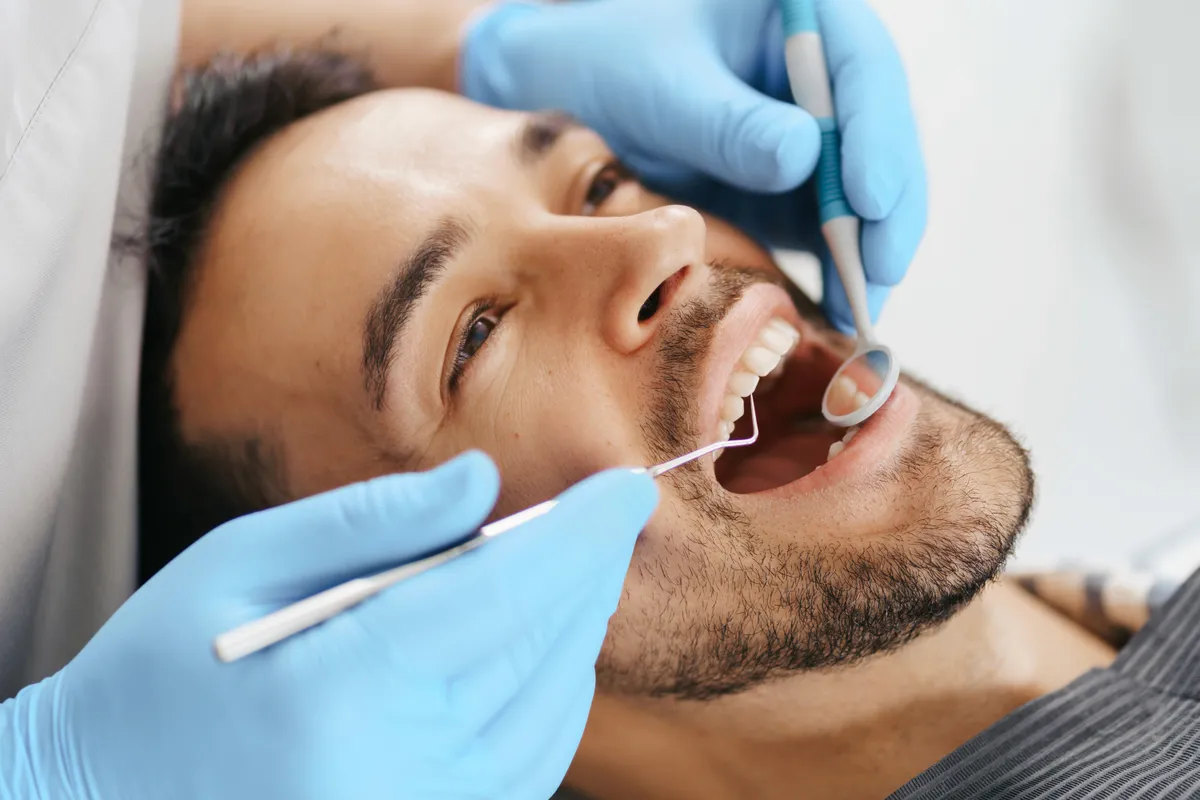
Brushing Every Day Is Essential but It Isn’t the Whole Story
If you brush your teeth twice a day and floss regularly, you are already doing something important for your oral health. But even an excellent home-care routine cannot remove everything that builds up on your teeth.
Over time, plaque can harden into tartar, also called dental calculus. Once tartar forms, a regular toothbrush cannot safely remove it. It can accumulate around the gumline, between teeth, and in other areas that are difficult to reach at home. This is where professional dental cleanings come in. A professional cleaning isn’t simply a more thorough version of brushing your teeth. Dental hygienists and dental professionals use specialized instruments and techniques to remove deposits that ordinary toothbrushes and floss cannot eliminate.
At Crown Dental Group in National City, California, professional cleanings are an important part of preventive dental care. Regular cleanings help control plaque and tartar, support healthier gums, and allow your dental team to identify potential problems before they become more complicated.
What Happens When You Don’t Remove Plaque?
Plaque begins forming on your teeth throughout the day. It is a sticky biofilm containing bacteria, food particles, and components of saliva. When you eat, bacteria within plaque can use sugars and carbohydrates to produce acids.
These acids can contribute to:
- Enamel demineralization
- Cavities
- Gum inflammation
Brushing and flossing remove much of this plaque. However, if plaque remains on the teeth for long enough, it can harden.
Plaque vs. Tartar: What’s the Difference?
These terms are often used interchangeably, but they’re not the same.
Plaque
The plaque is soft and sticky. It can usually be removed with effective brushing and flossing.
Tartar
Tartar is a hardened plaque. Once plaque mineralizes, it becomes firmly attached to the tooth. A toothbrush cannot effectively remove it. Professional dental instruments are required. This is one of the biggest reasons routine dental cleanings remain important even for people with excellent oral hygiene.
Why Tartar Is a Problem
Tartar creates a rough surface where additional plaque can accumulate.
It commonly forms:
- Along the gumline
- Between teeth
- Behind the lower front teeth
- Around existing dental work
As bacteria accumulate around tartar, the gums may become inflamed.
This can lead to gingivitis.
Signs of Gingivitis
Early gum inflammation may cause:
- Red gums
- Swollen gums
- Bleeding during brushing
- Tenderness
- Persistent bad breath
At this stage, professional cleaning and improved home care can often help restore healthier gums. If inflammation is ignored, however, gum disease may progress.
What Is Professional Teeth Cleaning?
A professional dental cleaning is a preventive procedure designed to remove plaque, tartar, and certain surface stains from the teeth.
Depending on your oral health, the appointment may include:
- Examination
- Scaling
- Polishing
- Flossing
- Oral hygiene recommendations
The exact procedure depends on your individual needs.
What Is Scaling?
Scaling is the process of removing plaque and hardened tartar from the teeth. Dental professionals use specialized instruments to carefully remove deposits from tooth surfaces and around the gumline. Scaling is important because tartar cannot simply be brushed away at home.
What About Below the Gumline?
In patients with gum disease, bacteria and tartar can accumulate below the gumline. These areas can be difficult to clean without professional equipment. Depending on the severity of periodontal disease, a patient may require a deeper cleaning procedure designed to remove deposits from beneath the gums. Your dentist or dental hygienist will determine which type of cleaning is appropriate.
What Is Polishing?
After scaling, the teeth may be polished. Polishing helps remove certain surface stains and leaves the tooth surfaces feeling smoother.
Common surface stains may come from:
- Coffee
- Tea
- Tobacco
- Certain foods
Polishing is primarily a cleaning procedure, not a substitute for professional teeth whitening.
Why Do My Teeth Feel So Smooth After a Cleaning?
That smooth feeling is one of the most noticeable effects of professional cleaning. When tartar and plaque are removed, the natural tooth surface becomes easier to feel with your tongue. Smoother tooth surfaces also make it more difficult for new plaque to accumulate as quickly. This is one reason professional cleanings can make maintaining your oral hygiene at home easier.
Can Brushing Remove Tartar?
No. Brushing can remove plaque before it hardens, but once tartar forms, professional instruments are required. Trying to scrape tartar off yourself with sharp objects is not recommended.
DIY scraping can:
- Damage enamel
- Injure gums
- Cause bleeding
- Introduce bacteria
Professional dental cleaning is safer and more precise.
Professional Cleaning and Gum Health
One of the biggest benefits of professional cleaning is maintaining healthy gums. Healthy gums form a protective barrier around the teeth. When plaque and tartar accumulate, bacteria can irritate this tissue. If gum inflammation becomes chronic, the tissues supporting the teeth can eventually become damaged.
Advanced periodontal disease may result in:
- Gum recession
- Bone loss
- Tooth mobility
- Tooth loss
Regular cleanings are one component of preventing this progression.
Why Some Patients Need More Frequent Cleanings
Not everyone needs dental cleanings on exactly the same schedule. Some patients may have a higher risk of gum disease or tooth decay because of:
- Previous periodontal disease
- Frequent plaque buildup
- Smoking
- Diabetes
- Certain medications
- Dry mouth
- Orthodontic appliances
- Difficulty maintaining oral hygiene
Your dentist may recommend more frequent visits based on your individual risk factors.
Is Professional Cleaning Painful?
Most routine cleanings are comfortable. You may experience mild sensitivity if you have:
- Sensitive teeth
- Inflamed gums
- Significant tartar buildup
- Gum recession
Patients with substantial periodontal disease may experience more sensitivity during deeper cleaning procedures. Your dental team can discuss comfort options and adapt treatment to your needs.
Why Teeth May Bleed During a Cleaning
Some patients become concerned when their gums bleed during a dental cleaning. Bleeding is often a sign of gum inflammation. It does not necessarily mean the cleaning is damaging your gums. In fact, removing the bacteria and tartar causing the inflammation is part of improving gum health. With consistent home care and professional treatment, bleeding should generally decrease as the gums become healthier.
Professional Cleanings Help Find Problems Early
A dental cleaning appointment isn’t only about removing tartar. It also gives your dental team an opportunity to observe changes in your mouth.
During routine visits, your dental team may identify:
- Early cavities
- Gum inflammation
- Worn fillings
- Cracked teeth
- Oral abnormalities
- Changes in existing restorations
Early detection can make treatment simpler.
Why Prevention Is Better Than Repair
Preventive dentistry focuses on stopping problems before they become serious. For example, controlling plaque and tartar can help reduce the risk of gum disease. Detecting a small cavity early may allow it to be treated with a filling rather than requiring more extensive restorative treatment. Monitoring existing dental work can also identify problems before a restoration fails.
The objective is not simply to clean your teeth, it is to maintain your oral health over time.
How to Make Your Professional Cleaning Last Longer
Your habits between dental appointments matter.
Brush Twice Daily
Use a soft-bristled toothbrush and fluoride toothpaste. Spend approximately two minutes brushing.
Floss Every Day
Flossing removes plaque between teeth where toothbrushes cannot reach effectively.
Drink More Water
Water helps wash away food particles and supports saliva production.
Limit Sugary Foods and Drinks
Frequent sugar exposure increases the risk of tooth decay.
Avoid Tobacco
Smoking increases the risk of gum disease and can interfere with healing.
Don’t Skip Dental Visits
Even excellent home care cannot remove hardened tartar.
Professional Cleaning vs. Teeth Whitening
These treatments are often confused. A professional cleaning removes plaque, tartar, and surface stains. Teeth whitening uses specific bleaching agents to lighten the color of natural tooth structure. A cleaning can make your smile look brighter by removing external stains, but it does not produce the same effect as cosmetic whitening. Your dentist can explain which option is appropriate for your goals.
Professional Cleaning vs. Deep Cleaning
Routine cleaning and periodontal deep cleaning are not the same procedure.
Routine Cleaning
Generally focuses on removing plaque and tartar from accessible tooth surfaces.
Periodontal Deep Cleaning
May be recommended when gum disease has created deeper spaces around the teeth. It involves cleaning below the gumline to remove bacterial deposits. Your dentist determines which approach is appropriate after evaluating your periodontal health.
Frequently Asked Questions
If I brush twice a day, do I still need professional cleanings?
Yes. Brushing and flossing remove plaque, but they cannot remove hardened tartar.
How often should I get my teeth professionally cleaned?
The appropriate schedule depends on your oral health and risk factors. Many patients benefit from routine cleanings, while those with periodontal concerns may need more frequent care.
Can dental cleaning remove cavities?
No. A cleaning removes plaque and tartar but does not repair tooth decay. Cavities require restorative treatment.
Why do my gums bleed during cleaning?
Bleeding commonly occurs when gums are inflamed. Your dental team can determine the cause and recommend appropriate treatment.
Can professional cleaning whiten my teeth?
Cleaning can remove surface stains, which may make teeth appear brighter. Professional whitening is a separate cosmetic treatment.
Does tartar come back after a cleaning?
Yes. Plaque constantly forms in the mouth, and tartar can develop again if plaque isn’t removed regularly.
Can I remove tartar at home?
You can prevent plaque buildup with brushing and flossing, but hardened tartar should be removed professionally.
What happens if I don’t get professional cleanings?
Tartar and plaque can accumulate, increasing the risk of cavities, gum inflammation, periodontal disease, and other oral health problems.
Professional Cleaning and Home Care Work Together
Professional dental cleanings are not a replacement for brushing and flossing. They’re designed to complement your daily routine.
Your toothbrush and floss help control plaque every day. Professional cleaning removes hardened tartar and deposits that cannot be eliminated through normal home care. Together, these two approaches provide a stronger defense against cavities and gum disease.
At Crown Dental Group, we provide preventive dental care for patients in National City, Chula Vista, Bonita, Imperial Beach, and surrounding South Bay communities. Our office at 2405 Transportation Ave, National City, CA 91950, is conveniently located near National City Mile of Cars and Westfield Plaza Bonita.
If it has been a while since your last professional cleaning or you’re noticing bleeding gums, persistent bad breath, or visible tartar. Schedule an appointment with Crown Dental Group.
Call (619) 474-6200 or email info@crowndentalnc.com to book your visit.
A toothbrush can help keep your teeth clean every day. Professional dental care helps make sure the buildup you can’t remove doesn’t compromise your smile.
Find us here