How Often Should You Really Replace Your Toothbrush? The Surprising Truth
Learn how often you should replace your toothbrush, why it matters, and how using an old toothbrush can affect your oral health.
Your Toothbrush Works Hard Every Single Day
Brushing your teeth is one of the most important habits for maintaining good oral health. Most people know they should brush twice a day, floss daily, and visit the dentist regularly. But there’s one part of oral hygiene that’s often overlooked:
When was the last time you replaced your toothbrush?
If you can’t remember, you’re not alone.
Many people continue using the same toothbrush for months longer than they should. Others only replace it when the bristles are completely flattened or falling out. While this may seem harmless, an old toothbrush can become less effective at cleaning your teeth and gums, making it easier for plaque and bacteria to accumulate.
At Crown Dental Group, we often remind patients that even the best brushing technique can’t compensate for a toothbrush that has reached the end of its lifespan. Replacing your toothbrush regularly is a simple step that can make a significant difference in your oral health.
Why Your Toothbrush Matters
Your toothbrush is your first line of defense against plaque.
Every time you brush, your toothbrush works to remove:
- Food particles
- Plaque
- Harmful bacteria
- Surface stains
It also helps stimulate healthy gums and distribute fluoride toothpaste across the surfaces of your teeth.
A toothbrush that is in good condition can clean effectively and gently.
One that is worn out simply cannot perform the same job.
The Official Recommendation
Most dental professionals recommend replacing your toothbrush every three to four months.
If you use an electric toothbrush, the same recommendation generally applies to the brush head.
Although three to four months is the general guideline, some toothbrushes need replacing sooner depending on how they’re used.
How Toothbrush Bristles Wear Out
At first glance, your toothbrush may still look usable.
However, the changes often happen gradually.
Each brushing session bends and flexes the bristles.
Over time, they begin to:
- Fray
- Curl
- Flatten
- Lose stiffness
Once this happens, the bristles can no longer clean the teeth and gumline as effectively.
Imagine trying to sweep your floor with a broom that has bent, worn-out bristles.
The broom still works—but not nearly as well.
The same principle applies to your toothbrush.
Why Worn Bristles Don’t Clean Properly
Healthy toothbrush bristles are designed to reach into small spaces around your teeth and along the gumline.
As they wear down, they lose their ability to:
- Remove plaque efficiently
- Clean between teeth
- Reach difficult areas
- Massage the gums properly
Plaque that remains behind can eventually harden into tartar, which cannot be removed by brushing alone.
Professional dental cleanings become necessary to remove tartar buildup.
Signs It’s Time for a New Toothbrush
Even if three months haven’t passed, certain signs indicate it’s time for a replacement.
Look for:
Frayed Bristles
Bent or spread-out bristles are one of the clearest signs of wear.
Flattened Brush Head
If the bristles no longer stand upright, cleaning efficiency decreases.
Discoloration
Some toothbrushes include colored indicator bristles that fade over time.
Loose Bristles
If bristles begin falling out, the toothbrush should be replaced immediately.
Persistent Odor
A toothbrush should never develop an unpleasant smell.
This may indicate bacterial buildup or improper storage.
Does Brushing Hard Wear Out a Toothbrush Faster?
Yes.
People who brush aggressively often wear out toothbrushes much more quickly.
Excessive pressure causes the bristles to spread apart long before the recommended replacement time.
Ironically, brushing harder doesn’t clean your teeth better.
Instead, it may contribute to:
- Gum recession
- Enamel wear
- Tooth sensitivity
Using gentle pressure with a soft-bristled toothbrush is usually the most effective approach.
What Happens If You Keep Using an Old Toothbrush?
Using an old toothbrush doesn’t necessarily mean your teeth will immediately develop cavities.
However, the effectiveness of your daily oral hygiene gradually decreases.
Over time, this may contribute to:
- Increased plaque buildup
- Greater cavity risk
- Gum inflammation
- Bad breath
- Reduced cleaning around the gumline
Replacing your toothbrush regularly helps maintain consistent cleaning performance.
Do Toothbrushes Collect Bacteria?
Many patients wonder whether toothbrushes become contaminated with bacteria.
The answer is yes—but this is generally expected.
After brushing, bacteria naturally remain on the toothbrush.
Fortunately, allowing the toothbrush to air dry between uses significantly reduces bacterial survival.
Most bacteria are removed during rinsing and drying.
Proper storage is more important than attempting to sterilize the toothbrush.
How to Store Your Toothbrush Properly
Proper storage helps keep your toothbrush clean and effective.
Rinse Thoroughly
After brushing, rinse away toothpaste and debris under running water.
Store Upright
Keep the toothbrush standing upright whenever possible.
Allow It to Air Dry
Avoid storing toothbrushes in sealed containers for long periods.
Moist environments encourage bacterial growth.
Avoid Contact With Other Toothbrushes
If multiple toothbrushes are stored together, prevent the brush heads from touching.
Should You Cover Your Toothbrush?
Many people use toothbrush covers while traveling.
This is perfectly appropriate for short periods.
However, at home, keeping a toothbrush constantly covered may trap moisture.
Moisture allows bacteria to survive longer.
Open-air storage is generally preferred.
When Should You Replace Your Toothbrush Sooner?
Sometimes replacing your toothbrush before three months is recommended.
After Being Sick
Following illnesses such as:
- Cold
- Flu
- Strep throat
many dentists recommend replacing your toothbrush.
Although reinfection from your toothbrush is considered unlikely, replacing it provides peace of mind and ensures a fresh start.
After Damage
If the toothbrush becomes damaged or contaminated, replace it immediately.
After Dental Procedures
In some situations, your dentist may recommend replacing your toothbrush after certain treatments.
Electric Toothbrushes: Do They Last Longer?
Electric toothbrush handles are designed for long-term use.
However, the brush heads wear similarly to manual toothbrushes.
Most manufacturers recommend replacing brush heads every three months or sooner if the bristles become worn.
Many electric brush heads include indicator bristles that fade as replacement time approaches.
Does an Expensive Toothbrush Work Better?
Price alone doesn’t determine effectiveness.
A good toothbrush should have:
- Soft bristles
- Comfortable grip
- Appropriate head size
- High-quality construction
Proper brushing technique is often more important than the cost of the toothbrush.
Manual vs. Electric Toothbrushes
Both manual and electric toothbrushes can effectively clean teeth when used correctly.
Electric toothbrushes may offer certain advantages for some patients.
Benefits may include:
- Consistent brushing motion
- Built-in timers
- Easier use for individuals with limited hand mobility
- Pressure sensors on some models
Your dentist can recommend the option that best fits your individual needs.
Tips to Make Your Toothbrush Last
Although replacement is necessary, proper care helps maintain performance.
Don’t Press Too Hard
Gentle pressure preserves both the toothbrush and your teeth.
Rinse Thoroughly
Remove toothpaste and debris after each use.
Keep It Dry
Allow the brush to dry naturally.
Replace Regularly
Don’t wait until the toothbrush is falling apart.
Why Replacing Your Toothbrush Supports Preventive Dentistry
Preventive dentistry focuses on stopping problems before they begin.
A simple habit like replacing your toothbrush on time helps reduce plaque accumulation and supports healthier gums.
Combined with:
- Daily flossing
- Healthy nutrition
- Routine dental visits
this small habit contributes to long-term oral health.
Sometimes the simplest habits have the greatest impact.
Frequently Asked Questions
How often should I replace my toothbrush?
Most toothbrushes should be replaced every three to four months.
Can I use my toothbrush longer if it still looks okay?
Even if the brush appears normal, the bristles may have lost their effectiveness over time.
Should I replace my toothbrush after being sick?
Many dentists recommend replacing it after recovering from illnesses such as the flu or strep throat.
Does a worn toothbrush cause cavities?
A worn toothbrush doesn’t directly cause cavities, but it removes plaque less effectively, increasing cavity risk.
Are electric toothbrushes better?
Both manual and electric toothbrushes are effective when used correctly.
What type of toothbrush is best?
A soft-bristled toothbrush is generally recommended because it cleans effectively while protecting enamel and gums.
Is it okay to share toothbrushes?
No. Toothbrushes should never be shared because bacteria and viruses can be transferred.
Can brushing too hard damage my toothbrush?
Yes. Aggressive brushing causes the bristles to wear out much faster.
A Fresh Toothbrush Is a Simple Investment in a Healthier Smile
Replacing your toothbrush may seem like a small detail, but it plays an important role in maintaining excellent oral hygiene. Worn bristles simply cannot clean as effectively, allowing plaque and bacteria to remain on your teeth and gums.
By replacing your toothbrush every three to four months—or sooner if it becomes worn—you help ensure that your daily brushing routine continues to protect your smile as intended.
At Crown Dental Group, we believe that great oral health is built on consistent habits. Along with brushing twice a day, flossing daily, and attending regular dental checkups, replacing your toothbrush on time is one of the easiest and most effective ways to keep your teeth and gums healthy for years to come.
Sometimes, protecting your smile starts with something as simple as a new toothbrush.
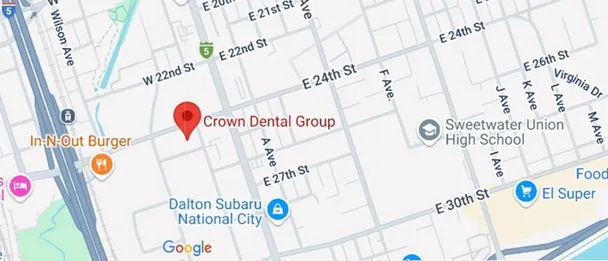
Find us here