How Missing Teeth Affect More Than Just Your Smile
Learn how missing teeth can impact your oral health, jawbone, speech, confidence, and overall well-being, and discover treatment options available to restore your smile.
A Missing Tooth Is More Than a Cosmetic Problem
When people lose a tooth, their first concern is often appearance.
Will people notice when I smile?
Will it affect my confidence?
Should I replace it if it’s not visible?
While the cosmetic effects of tooth loss are certainly important, many patients are surprised to learn that missing teeth can affect far more than their smile.
A single missing tooth can influence how you chew, speak, maintain oral hygiene, and even how your facial structure changes over time. Left untreated, tooth loss can trigger a chain reaction that affects surrounding teeth, the jawbone, and overall oral health.
At Crown Dental Group, we believe patient education is an important part of preventive care. Understanding what happens after tooth loss can help patients make informed decisions about protecting their long-term oral health.
The truth is that missing teeth affect much more than appearance—and the sooner they are addressed, the better the outcome often is.
Why Teeth Matter Beyond Appearance
Every tooth in your mouth has a specific purpose.
Your teeth work together as a system.
Each tooth helps support:
- Chewing efficiency
- Bite balance
- Speech
- Facial structure
- Jawbone health
When a tooth is lost, the entire system must adapt.
Although the body does an impressive job of compensating, those adaptations are not always beneficial.
Over time, the consequences of tooth loss often become more noticeable.
What Happens Immediately After Tooth Loss?
Whether a tooth is lost due to:
- Decay
- Gum disease
- Trauma
- Extraction
the body begins responding almost immediately.
The most significant changes occur beneath the surface.
Patients may not notice these changes right away, but they can have lasting effects.
The Connection Between Teeth and Jawbone Health
One of the most important functions of natural teeth occurs below the gumline.
Each tooth root extends into the jawbone.
When you chew, pressure travels through the tooth root and stimulates the surrounding bone.
This stimulation sends a signal to the body that the bone is needed and should be maintained.
When a tooth is lost, that stimulation disappears.
As a result, the body begins breaking down the bone in that area.
This process is called bone resorption.
Understanding Bone Resorption
Bone is living tissue.
Like muscles, bone requires stimulation to remain strong.
Without stimulation, the body gradually removes bone that it no longer considers necessary.
After tooth loss:
- Bone volume decreases
- Bone density declines
- The jaw begins shrinking
This process may start within the first year after a tooth is lost.
Over time, the effects become more pronounced.
Why Bone Loss Matters
Many patients are unaware that bone loss is occurring because it happens gradually.
However, bone loss can create several complications.
These may include:
- Changes in facial appearance
- Difficulty placing dental implants later
- Reduced support for surrounding teeth
- Denture fit problems
Preserving bone is one of the primary reasons dentists often recommend replacing missing teeth.
Neighboring Teeth Begin to Shift
Teeth are naturally designed to support one another.
When a tooth is removed, the neighboring teeth lose that support.
Over time, they may begin moving into the empty space.
This process is known as tooth drifting.
Problems Caused by Tooth Movement
Shifting teeth can lead to:
- Bite misalignment
- Crowding
- Food trapping
- Increased cavity risk
- Difficulty cleaning
What begins as one missing tooth can eventually affect multiple teeth.
Opposing Teeth Can Over-Erupt
Another common consequence of tooth loss occurs with the tooth directly opposite the gap.
For example:
If a lower tooth is lost, the upper tooth no longer has an opposing surface to bite against.
As a result, the opposing tooth may begin moving out of position.
This process is called over-eruption.
Over-erupted teeth can create:
- Bite problems
- Increased wear
- Gum issues
- Future restorative challenges
Chewing Becomes Less Efficient
Every tooth contributes to chewing function.
When teeth are missing, the workload is redistributed to the remaining teeth.
Patients often compensate by chewing on one side of the mouth.
While this adaptation may seem harmless, it can create uneven forces throughout the oral system.
Potential Consequences
These include:
- Increased wear on remaining teeth
- Muscle strain
- Bite imbalances
- Reduced chewing efficiency
Some patients also begin avoiding certain foods altogether.
Nutrition Can Be Affected
Difficulty chewing can influence dietary choices.
Patients missing teeth may avoid foods such as:
- Fresh vegetables
- Nuts
- Fruits
- Lean meats
Instead, they may rely more heavily on softer processed foods.
Over time, these dietary changes can affect overall nutrition and health.
The ability to chew comfortably plays an important role in maintaining a balanced diet.
Speech Changes After Tooth Loss
Teeth help guide airflow during speech.
Certain sounds rely on specific tooth positions for proper pronunciation.
Missing teeth may affect sounds such as:
- S
- F
- V
- TH
The extent of speech changes depends on:
- Which tooth is missing
- How many teeth are missing
- Individual adaptation
While many patients adjust over time, some continue experiencing speech difficulties.
The Emotional Impact of Tooth Loss
The effects of missing teeth are not limited to physical health.
Tooth loss can also affect emotional well-being.
Many patients report:
- Reduced confidence
- Self-consciousness
- Embarrassment when smiling
- Reluctance to speak in public
- Social anxiety
Smiles play an important role in communication and self-expression.
Feeling uncomfortable about your smile can influence personal and professional interactions.
Facial Appearance Changes Over Time
The jawbone helps support the shape of the face.
As bone loss progresses, facial structures may gradually change.
Common effects include:
- Sunken cheeks
- Wrinkling around the mouth
- Reduced facial support
- An aged appearance
Many people assume these changes are simply part of aging.
In reality, missing teeth and bone loss often contribute significantly.
Missing Teeth and Gum Health
Tooth loss can create areas that are more difficult to clean.
Food particles may become trapped more easily.
Changes in tooth position can also increase plaque accumulation.
This may raise the risk of:
- Gum disease
- Inflammation
- Additional tooth loss
Protecting the remaining teeth becomes especially important after tooth loss.
Why Replacing Missing Teeth Matters
Replacing missing teeth is not only about appearance.
It also helps:
- Preserve bone
- Maintain bite alignment
- Support chewing function
- Improve speech
- Protect surrounding teeth
The sooner replacement occurs, the more effectively many of these issues can be addressed.
Treatment Options for Missing Teeth
Modern dentistry offers several solutions.
The best option depends on individual needs, oral health, and treatment goals.
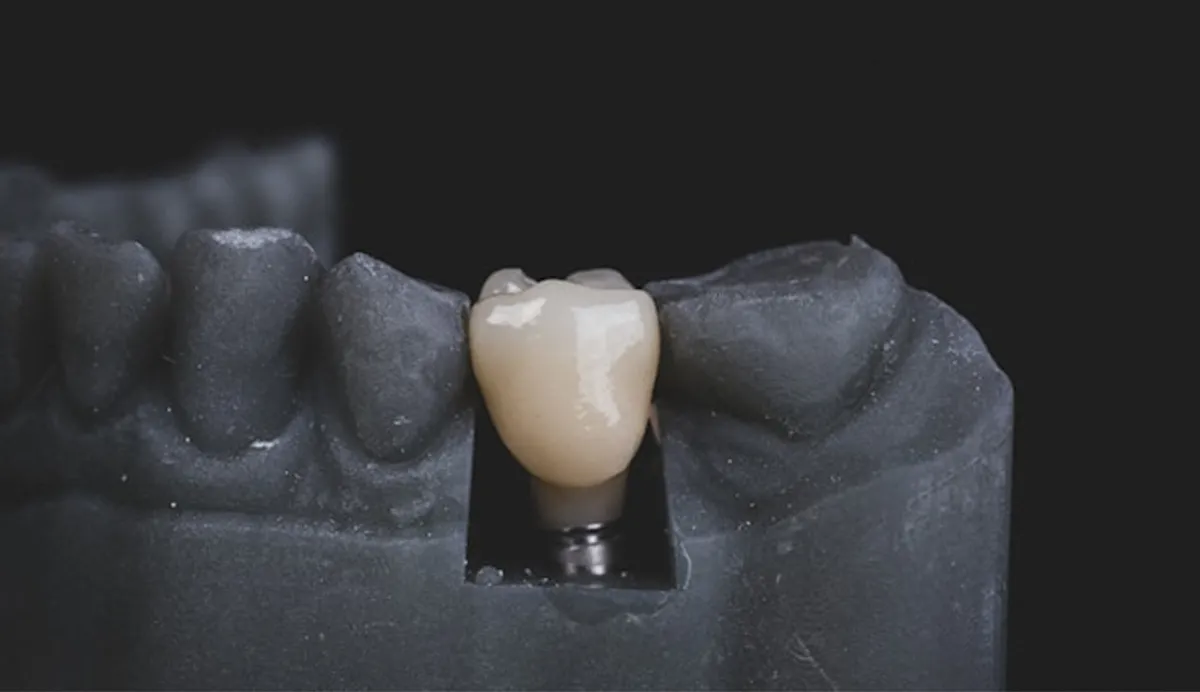
Dental Implants
Dental implants are widely considered one of the most effective tooth replacement options.
Unlike other solutions, implants replace both:
- The visible crown
- The root structure
Because implants stimulate the jawbone, they help reduce bone loss.
Dental Bridges
A bridge fills the space created by a missing tooth by connecting to neighboring teeth.
Bridges restore function and appearance while helping prevent shifting.
Dentures
Dentures replace multiple missing teeth.
They may be used when extensive tooth loss has occurred.
Modern dentures provide improved comfort and function compared to earlier generations.
Why Timing Matters
Some patients assume they can wait indefinitely before replacing a missing tooth.
While replacement remains possible in many cases, delays can create additional challenges.
Over time:
- Bone loss progresses
- Teeth shift
- Bite changes develop
These factors may complicate future treatment.
Addressing tooth loss early often provides more options and more predictable outcomes.
Preventing Tooth Loss
The best way to manage missing teeth is to prevent tooth loss whenever possible.
Key preventive strategies include:
Routine Dental Visits
Regular examinations help identify problems before they become severe.
Good Oral Hygiene
Brushing and flossing reduce the risk of decay and gum disease.
Managing Gum Disease
Periodontal disease is one of the leading causes of tooth loss.
Early treatment is critical.
Wearing Protective Appliances
Night guards and sports mouthguards help reduce injury risks.
Prompt Treatment
Addressing cavities, cracks, and infections early helps preserve natural teeth.
Frequently Asked Questions
Is replacing a missing tooth really necessary?
In most cases, replacing missing teeth helps protect oral health and function.
What happens if I don’t replace a missing tooth?
Bone loss, tooth shifting, bite changes, and other complications may occur.
How quickly does bone loss begin?
Bone changes often begin within the first year after tooth loss.
Can missing teeth affect my appearance?
Yes. Bone loss and changes in facial support can influence facial appearance.
Will a missing tooth affect my speech?
Depending on the location, speech changes may occur.
Are dental implants worth considering?
Many patients choose implants because they closely mimic natural teeth and help preserve bone.
Can I wait several years before replacing a tooth?
While treatment may still be possible, delays often increase complexity.
Is tooth loss a normal part of aging?
No. With proper care, many people maintain their natural teeth throughout life.
Missing Teeth Affect More Than You Might Think
A missing tooth may seem like a small issue at first, especially if it is not visible when you smile. However, tooth loss can have far-reaching effects on oral health, jawbone preservation, chewing ability, speech, confidence, and facial appearance.
The good news is that modern dentistry offers effective solutions for replacing missing teeth and restoring both function and aesthetics. Early treatment often helps preserve bone, protect surrounding teeth, and maintain long-term oral health.
At Crown Dental Group, we are committed to helping patients understand their options and make informed decisions about their smiles. Whether you are missing one tooth or several, addressing tooth loss sooner rather than later can help protect your oral health for years to come.
Your smile is a system—and every tooth plays an important role.
Find us here