How Long Do Dental Implants Last? Factors That Affect Their Lifespan
Discover how long dental implants last, what affects their lifespan, and how proper care protects your smile. Learn more at Crown Dental Group in National City, CA.
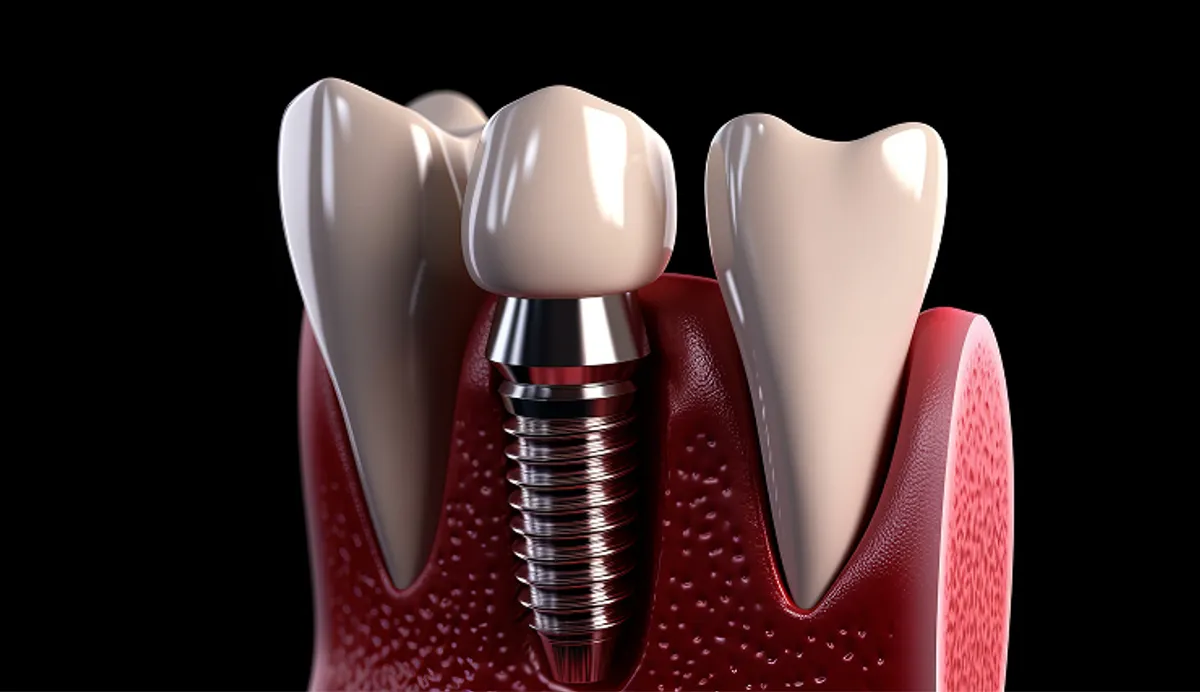
Dental implants are a popular option for replacing missing teeth because they are designed to provide stable support for replacement teeth. Unlike removable dentures, implants are placed in the jawbone and can support a crown, bridge, or denture.
However, one of the most common questions patients ask before choosing this treatment is: How long do dental implants actually last?
The answer depends on several factors, including the condition of your gums, your overall health, your oral hygiene habits, and the type of restoration attached to the implant. The implant itself and the visible replacement tooth also have different maintenance needs and expected lifespans.
Understanding these differences can help you make an informed decision about tooth replacement and learn how to protect your investment over time.
At Crown Dental Group in National City, California, patients can discuss dental implant options, maintenance requirements, and the factors that influence long-term outcomes.
How Long Do Dental Implants Last?
Dental implants are designed to be a long-term tooth replacement solution. With appropriate placement, healing, and maintenance, the implant fixture may remain functional for many years and can potentially last for decades.
However, there is no guaranteed lifespan for every implant. Some implants develop complications or fail earlier, while others remain stable for a long time.
It is also important to distinguish between the implant fixture and the restoration it supports.
A dental implant typically consists of a fixture placed in the jawbone, an abutment that connects the fixture to the restoration, and a replacement tooth such as a crown. In other treatment designs, implants may support bridges or dentures.
The implant fixture may last longer than the crown or other restoration attached to it. Restorations experience chewing forces and may eventually require repair, adjustment, or replacement.
For this reason, long-term implant care involves monitoring both the implant and the visible replacement teeth.
What Is the Difference Between a Dental Implant and an Implant Crown?
Understanding the parts of a dental implant helps explain why different components may need attention at different times.
The Implant Fixture
The implant fixture is a small post, commonly made from titanium or another suitable biocompatible material, that is placed in the jawbone. It serves as an artificial tooth root.
During healing, the bone can integrate with the implant surface through a process known as osseointegration. Successful integration helps provide the stability needed to support a replacement tooth.
The implant fixture is not usually visible once treatment is complete.
The Abutment
The abutment connects the implant fixture to the replacement tooth. Depending on the design, it may be a separate component or part of a particular restoration system.
The abutment and its connection need to remain stable. If a component becomes loose or damaged, the dentist must assess the cause and determine the appropriate repair.
The Implant Crown
The implant crown is the visible tooth-shaped restoration attached to the implant. It is designed to restore appearance and chewing function.
Although implant crowns are made from durable dental materials, they can experience wear, chipping, or damage over time. Their longevity depends on factors such as material selection, bite forces, oral hygiene, and maintenance.
A crown that needs replacement does not necessarily mean the underlying implant has failed. The dentist must examine the implant, abutment, and crown separately to determine what treatment is needed.
7 Factors That Affect How Long Dental Implants Last
1. Oral Hygiene and Daily Cleaning
Good oral hygiene is one of the most important parts of maintaining dental implants.
Although implants cannot develop tooth decay in the same way as natural teeth, the surrounding gum tissue and supporting bone can still become inflamed or damaged. Plaque accumulation around an implant can contribute to peri-implant mucositis, an inflammatory condition affecting the soft tissue around the implant.
If inflammation progresses and affects the supporting bone, the condition is known as peri-implantitis. This can threaten implant stability if it is not appropriately managed.
To help maintain implant health:
- Brush twice daily using a soft-bristled toothbrush.
- Clean around the implant crown and gumline carefully.
- Use dental floss or an interdental cleaner recommended by your dentist.
- Follow any additional cleaning instructions provided for implant-supported bridges or dentures.
- Attend professional examinations and cleanings at the recommended intervals.
Implant restorations can have different shapes and access points, so your dentist or hygienist can show you how to clean around your specific restoration.
2. Gum Health and Supporting Bone
The long-term stability of a dental implant depends partly on the health of the tissues surrounding it.
Healthy gum tissue and supporting bone help maintain the implant in position. However, inflammation and bone loss can develop around an implant, sometimes without severe pain in the early stages.
A history of periodontal disease is an important consideration when planning implant treatment. Patients with previous gum disease may need careful assessment and ongoing maintenance to reduce the risk of complications.
Signs that warrant evaluation include persistent bleeding around an implant, swelling, tenderness, pus, gum recession, or a change in how the implant-supported tooth feels.
If an implant or its restoration feels loose, arrange a dental examination. Do not attempt to tighten or adjust the components yourself.
3. Smoking and Tobacco Use
Smoking can affect oral health and may interfere with healing after implant placement. Tobacco use is associated with an increased risk of implant complications and can contribute to periodontal problems around both natural teeth and implants.
The level of risk varies according to individual circumstances, including the amount of tobacco exposure, overall health, and oral hygiene.
If you smoke or use other tobacco products, tell your dentist before beginning implant treatment. Your dental team can explain how tobacco may affect healing and discuss strategies to reduce risk.
Avoiding tobacco supports gum health and overall health, although it cannot guarantee that implant complications will never occur.
4. General Health and Medical Conditions
Certain medical conditions may influence healing and the health of the tissues around an implant. Diabetes, for example, may affect healing and increase the risk of complications when blood glucose is poorly controlled.
Other factors, including immune-related conditions, some medications, and previous treatment affecting the jaw, may also need consideration.
Having a medical condition does not automatically mean you cannot receive dental implants. Suitability depends on your individual health status, the stability of the condition, the treatment plan, and other clinical factors.
Before implant placement, provide your dentist with an accurate medical history and an up-to-date list of medications. Do not stop or change prescribed medication without advice from the clinician responsible for your care.
5. Teeth Grinding and Clenching
Bruxism, or repetitive teeth grinding and clenching, can place additional forces on dental restorations.
Implants do not have the same periodontal ligament as natural teeth, so the way they respond to chewing forces differs from that of natural teeth. Excessive forces may contribute to complications involving the crown, abutment, screws, or supporting structures.
Patients who grind their teeth may experience more wear or damage to their restorations.
If you have a history of bruxism, inform your dentist before implant treatment. Depending on your needs, your dentist may recommend monitoring, bite adjustments where appropriate, or a protective night guard.
A night guard may help protect restorations from some grinding forces, but it does not eliminate every risk or address all causes of bruxism.
6. Implant Placement and Treatment Planning
The success of implant treatment depends on appropriate planning and execution.
Before recommending an implant, the dentist assesses factors such as the amount and quality of available bone, the condition of the gums, the position of neighboring teeth, and the location of relevant anatomical structures.
Imaging may be used when needed to evaluate the jaw and plan implant placement. In selected cases, additional procedures such as bone grafting may be recommended if there is insufficient bone to support the intended treatment.
The implant’s position, the restoration design, and the way the teeth meet during biting all influence how forces are distributed.
A careful treatment plan helps address these factors, although no procedure can guarantee a particular outcome.
7. Routine Dental Follow-Up
Dental implants require ongoing monitoring even when they feel comfortable and appear normal.
During follow-up visits, your dentist may examine the surrounding gums, check the stability of the restoration, assess your bite, and look for signs of inflammation or other complications.
Professional cleaning helps remove plaque and deposits that may be difficult to eliminate at home. The tools and techniques used may vary depending on the implant and restoration materials.
The frequency of follow-up visits depends on your oral health, medical history, implant type, and risk factors. Patients with a history of periodontal disease or previous implant complications may need more frequent monitoring.
Regular visits can help identify concerns before they become more difficult to manage.
Can a Dental Implant Fail After Several Years?
Yes. An implant can develop complications months or years after the original treatment, even if it initially healed well.
Implant problems are generally discussed in terms of early and late complications. Early problems may occur during healing if the implant does not integrate successfully with the bone. Later complications may involve inflammation, bone loss, mechanical damage, or changes in the surrounding tissues.
Possible warning signs include:
- Persistent bleeding or swelling around the implant.
- Pain or tenderness that does not resolve.
- Pus or an unusual discharge around the implant.
- Gum recession or changes in the appearance of the surrounding tissue.
- A loose crown, bridge, or other implant-supported restoration.
- A change in the way your teeth meet when you bite.
Not every loose or damaged restoration means the implant fixture itself has failed. A loose crown or abutment may be a repairable mechanical problem.
However, the cause needs to be identified by a dentist. Seek evaluation promptly if you notice any of these symptoms, especially if the implant itself seems to move.
How Do You Know When an Implant Crown Needs Replacement?
An implant crown may need repair or replacement if it becomes chipped, cracked, worn, loose, or difficult to clean effectively.
Changes in the gumline or bite can also affect how the restoration functions. In some cases, the crown may need adjustment rather than complete replacement.
Your dentist will examine the restoration and assess the implant connection and surrounding tissues before recommending treatment.
The material used for the crown, the amount of chewing force it experiences, and the presence of grinding can all affect its condition. There is no single replacement timeline that applies to every implant crown.
Routine examinations help identify wear or damage and determine whether the restoration remains suitable.
Are Dental Implants Worth the Long-Term Investment?
Dental implants can offer several advantages for people who are missing teeth. They can provide fixed support for replacement teeth, restore chewing function, and help reduce the need to rely on a removable appliance for certain types of tooth replacement.
Implants may also help preserve the jawbone in the area of a missing tooth by transmitting functional forces to the surrounding bone. However, the amount of bone preservation varies, and implants do not eliminate all changes that can occur after tooth loss.
The treatment also has limitations. Implant placement requires a surgical procedure, healing time, and ongoing maintenance. Some patients need additional procedures before placement, and complications can occur.
The total cost depends on factors such as the number of implants, the type of restoration, the need for additional procedures, and the complexity of treatment.
Whether implants are a good investment depends on your oral health, expectations, budget, and preferences. A dentist can explain the potential benefits, limitations, alternatives, and maintenance requirements based on your individual situation.
How to Help Your Dental Implants Last Longer
Although no maintenance routine can guarantee lifelong implants, consistent care can help reduce the risk of preventable complications.
Maintain daily oral hygiene. Brush carefully around implant restorations and clean between the teeth every day.
Keep your follow-up appointments. Professional monitoring helps your dentist assess the gums, supporting bone when indicated, and restoration stability.
Address grinding or clenching. If you grind your teeth, discuss whether a night guard or other management approach is appropriate.
Avoid tobacco. Tobacco use can increase the risk of oral health problems and implant complications.
Manage relevant medical conditions. Follow your healthcare provider’s recommendations for conditions that may affect healing and oral health.
Report changes promptly. Do not ignore bleeding, swelling, pain, discharge, or looseness around an implant.
These steps help support implant maintenance and protect the surrounding tissues over time.
Learn More About Dental Implants at Crown Dental Group
Dental implants can provide long-term support for replacement teeth, but their longevity depends on more than the implant material alone. Oral hygiene, gum health, medical history, bite forces, treatment planning, and routine follow-up all contribute to the long-term condition of the implant and its restoration.
At Crown Dental Group, patients can discuss tooth replacement options and learn about the care required to maintain dental implants. A dental evaluation can help determine whether implants may be appropriate and what factors should be considered before treatment.
If you are in National City, Chula Vista, Bonita, Imperial Beach, or the surrounding South Bay San Diego communities, contact the office to arrange a consultation.
- Crown Dental Group
- 2405 Transportation Ave
- National City, CA 91950
- Phone: (619) 474-6200
- Email: info@crowndentalnc.com
Frequently Asked Questions
1. Can dental implants last a lifetime?
Dental implants are designed as a long-term tooth replacement option, and some implant fixtures remain functional for decades. However, lifelong success cannot be guaranteed. Implant health depends on factors such as oral hygiene, gum health, medical conditions, tobacco use, and ongoing dental care.
2. Does the implant crown last as long as the implant?
Not necessarily. The implant fixture may remain stable while the crown experiences wear, chipping, or damage. An implant crown may eventually need repair or replacement without requiring the entire implant to be removed.
3. Can dental implants get cavities?
The implant fixture itself cannot develop tooth decay because it is not made of natural tooth structure. However, plaque can accumulate around the implant, causing inflammation of the surrounding tissues. Natural teeth next to an implant can still develop cavities.
4. Does smoking affect how long dental implants last?
Smoking is associated with a higher risk of implant complications and problems affecting the supporting tissues. Your dentist can explain the risks and discuss steps to support healing and long-term oral health.
5. How often should dental implants be checked?
The recommended schedule depends on your oral health, medical history, implant restoration, and risk factors. Your dentist will determine how often you need examinations and professional maintenance.
6. What should I do if my dental implant feels loose?
Contact your dentist promptly. The crown, abutment, or implant fixture may be involved, and each requires a different assessment. Avoid trying to tighten or adjust the restoration yourself.
7. Can people with diabetes get dental implants?
Many people with diabetes may be candidates for dental implants. However, diabetes management and other individual health factors can affect healing and complication risk. Your dentist will consider your medical history and coordinate with your healthcare provider when appropriate.
8. Are dental implants difficult to clean?
Implants require consistent cleaning, but the process can be manageable with the right tools and instructions. Brush twice daily, clean between the teeth, and follow your dentist’s recommendations for the specific implant crown, bridge, or denture you have.
Find us here