How Do Dentists Know If a Tooth Is Still Alive? Understanding Dental Pulp Vitality Tests
Learn how dentists determine if a tooth is still alive, what dental pulp vitality tests involve, and why testing helps guide the right treatment.
A tooth can look perfectly normal on the outside while experiencing problems deep inside. In some cases, the tooth may even remain painless despite damage to the tissue responsible for keeping it healthy.
This is why dentists sometimes perform dental pulp vitality tests. These diagnostic procedures help evaluate how the living tissue inside a tooth responds to specific stimuli, providing information that cannot always be obtained through a visual examination alone.
Understanding dental pulp vitality testing can help explain why your dentist may perform additional tests before recommending treatment, particularly when a tooth has experienced trauma, deep decay, or unexplained changes.
What Is Dental Pulp?
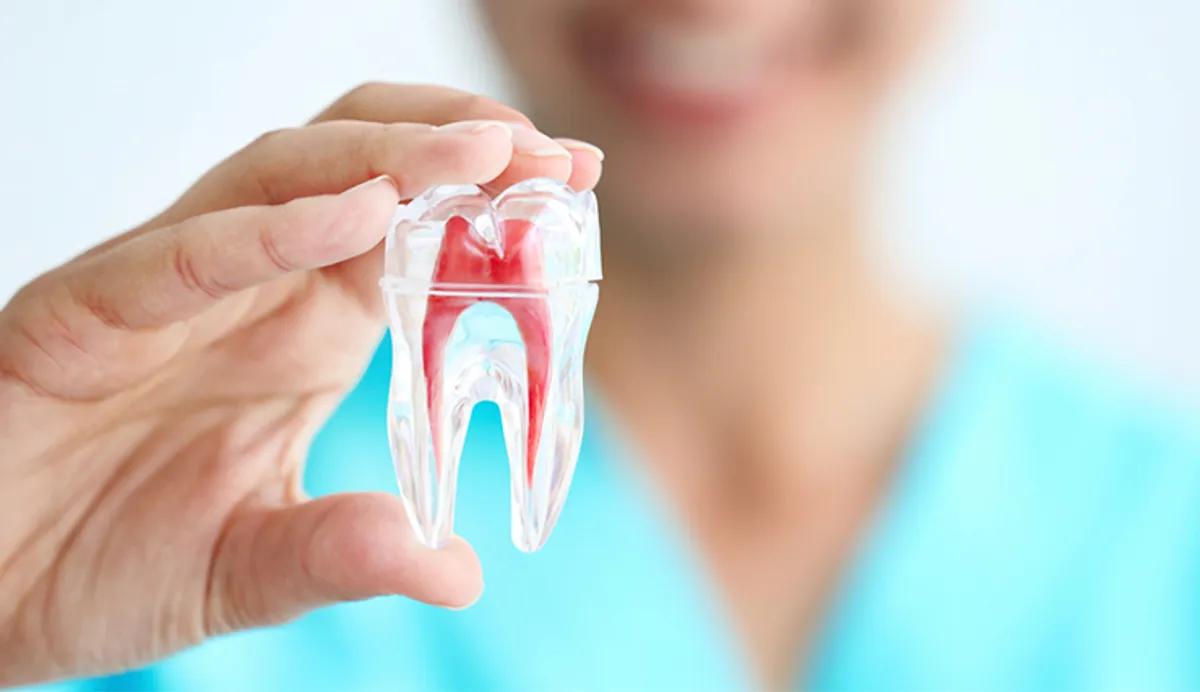
Dental pulp is the soft tissue located inside the center of a tooth. It contains nerves, blood vessels, connective tissue, and specialized cells that support tooth development and contribute to the tooth’s sensory response.
The pulp extends from the crown of the tooth into the roots through narrow spaces called root canals.
Its main functions include:
- Providing nutrients to the developing tooth.
- Supporting dentin formation.
- Contributing to the tooth’s sensory response.
- Participating in the tooth’s defense and repair processes.
Once a tooth has fully developed, it can continue functioning even if its pulp becomes non-vital, provided the remaining tooth structure and surrounding tissues are adequately managed.
However, damage or infection involving the pulp may require dental treatment to prevent further complications.
What Does It Mean When a Tooth Is Alive or Non-Vital?
When dentists describe a tooth as alive, they are generally referring to the condition of its pulp tissue.
A tooth with healthy, living pulp has tissue that maintains its biological functions. It may respond to temperature changes and other stimuli because of the nerves inside it.
A non-vital tooth, on the other hand, has pulp tissue that is no longer functioning or has undergone necrosis, meaning the tissue has died.
This distinction matters because the condition of the pulp influences which treatment may be appropriate.
For example, a tooth with healthy pulp may only need restorative treatment for a cavity. A tooth with irreversible pulp inflammation or pulp necrosis may require root canal treatment or, in some cases, extraction.
Importantly, a tooth that does not respond to one test is not automatically considered non-vital. Dentists must interpret the findings alongside other clinical information.
What Is a Dental Pulp Vitality Test?
A dental pulp vitality test is an examination used to assess the condition of the pulp inside a tooth.
In everyday dental practice, the term is often used to describe tests that measure the tooth’s sensory response. These are more precisely called pulp sensibility tests because they assess how the nerves respond to stimulation rather than directly measuring blood flow.
Dentists use these tests as part of a broader diagnostic process to investigate possible pulp inflammation, damage, or necrosis.
The results help determine whether the tooth may be healthy, inflamed, or non-vital. However, no single test can establish a diagnosis in every situation.
What Are the Different Types of Dental Pulp Tests?
Dentists may use different testing methods depending on the patient’s symptoms, dental history, and the condition of the affected tooth.
1. Cold Test
A cold test evaluates how the tooth responds to a controlled cold stimulus.
The dentist applies a cold testing material to the tooth and observes whether the patient feels a sensation.
A healthy pulp typically produces a brief response that stops shortly after the stimulus is removed.
However, an exaggerated response that lingers may suggest inflammation within the pulp. No response may raise suspicion of pulp necrosis, although additional testing is necessary before reaching a conclusion.
The dentist usually compares the affected tooth with nearby teeth to establish a reference for normal responses.
2. Electric Pulp Test
An electric pulp test uses a small dental device to deliver a controlled electrical stimulus to the tooth.
The device is placed against the tooth surface, and the patient indicates when a sensation is felt.
The test helps determine whether the sensory nerves inside the pulp respond to stimulation.
However, it does not directly measure the blood supply or establish whether the pulp is completely healthy. A tooth may respond to an electric pulp test even when inflammation or other damage is present.
3. Heat Test
A heat test may be used when a patient reports discomfort associated with hot foods or beverages.
The dentist applies a controlled heat stimulus to the tooth and observes the response.
This test is not necessary in every case, but it may provide additional information when evaluating certain types of dental pain.
4. Direct Assessment of Pulp Blood Flow
Some specialized diagnostic methods aim to evaluate blood circulation within the pulp rather than relying only on nerve response.
Examples include laser Doppler flowmetry and pulse oximetry adapted for dental use.
These methods are more specialized and are not routinely available in every dental clinic. They may be considered in selected cases, particularly when conventional sensibility tests produce uncertain results.
Why Would a Dentist Test Whether a Tooth Is Still Alive?
Pulp testing is useful when the condition of the inner tooth cannot be determined through symptoms or visual examination alone.
A dentist may recommend testing in several situations.
After Dental Trauma
A tooth that experiences an impact during sports, an accident, or a fall may sustain damage to its internal tissues.
Even when the tooth remains in its original position and appears intact, the pulp may have been affected.
Testing helps the dentist evaluate the tooth and establish a baseline for future monitoring.
It is important to note that a tooth may temporarily fail to respond after trauma even when the pulp has not permanently lost its vitality. Repeat examinations may therefore be necessary.
When Deep Tooth Decay Is Present
Deep cavities can approach or involve the pulp.
A dentist may perform pulp testing to help determine whether the internal tissue is still healthy or whether inflammation has developed.
This information helps guide the decision between a filling, another pulp-preserving treatment, root canal treatment, or a different procedure.
Before Certain Restorative Treatments
When a tooth requires extensive restorative work, the dentist may evaluate the pulp before proceeding.
This is particularly relevant when the tooth has a history of deep decay, previous trauma, or symptoms that suggest possible internal damage.
Understanding the pulp condition helps reduce uncertainty when planning treatment.
When Symptoms Are Unclear
Not all dental problems produce obvious symptoms.
Some patients may experience occasional discomfort, while others may have no noticeable pain despite changes inside the tooth.
Pulp testing provides additional diagnostic information that can help explain what is happening.
Can a Tooth Be Dead Without Causing Pain?
Yes. A non-vital tooth does not always cause pain.
When the pulp tissue dies, the nerves inside the tooth may no longer respond to stimulation. As a result, the patient may not experience the same sensations that would normally occur with a healthy or inflamed pulp.
However, the surrounding tissues can still become inflamed or infected.
In some cases, a non-vital tooth may eventually develop symptoms such as:
- Pain when biting or chewing.
- Swelling around the affected tooth.
- Tenderness in the surrounding gum tissue.
- A small pimple-like bump on the gums.
- Changes in tooth color.
- Discomfort that develops intermittently.
These signs are not exclusive to pulp necrosis, but they warrant professional evaluation.
A lack of pain should not be used as the only indicator of a healthy tooth.
Does a Tooth Always Turn Dark When the Pulp Dies?
No. Tooth discoloration can occur when the pulp becomes non-vital, but it does not happen in every case.
A tooth may become gray, brown, or darker than its neighboring teeth after trauma or internal tissue changes.
This discoloration can result from changes within the tooth, including the breakdown of blood components following an injury.
However, tooth discoloration can also have other causes, such as staining, previous dental treatment, or changes in the tooth structure.
If one tooth begins to look noticeably different from the others, a dentist can evaluate the cause and determine whether pulp testing or additional diagnostic procedures are needed.
How Do Dentists Interpret Pulp Test Results?
Pulp test results are not interpreted in isolation. Dentists combine the patient’s reported sensations with other examination findings to develop a more accurate diagnosis.
The assessment may include:
Comparison with neighboring teeth: Testing nearby healthy teeth provides a reference for how the patient normally responds to stimulation.
Patient symptoms: The dentist considers whether discomfort is brief, lingering, spontaneous, or associated with biting.
Dental history: Previous trauma, large restorations, deep cavities, and earlier dental procedures may influence the interpretation.
Clinical examination: The dentist checks for visible decay, cracks, discoloration, swelling, and other abnormalities.
Dental imaging: X-rays may help identify changes around the root, deep decay, or other structural concerns. However, imaging alone cannot confirm whether the pulp is alive.
Combining these findings helps the dentist distinguish between a healthy pulp, reversible inflammation, irreversible pulpitis, and pulp necrosis.
What Happens If a Tooth Is Found to Be Non-Vital?
A non-vital tooth does not automatically need to be removed.
The appropriate treatment depends on the condition of the tooth, the surrounding tissues, and whether the remaining structure can be restored.
Root Canal Treatment
Root canal treatment may be recommended when the pulp is irreversibly inflamed or has become necrotic and the tooth can still be preserved.
During the procedure, the dentist removes the affected pulp tissue, cleans and shapes the root canal system, and seals the space.
A restoration may then be placed to protect the remaining tooth structure.
Tooth Extraction
If the tooth is too damaged to be predictably restored, extraction may be recommended.
After removal, the dentist can discuss suitable replacement options, such as a dental bridge, denture, or dental implant, depending on the patient’s needs.
Monitoring and Follow-Up
Some teeth, particularly those that have recently experienced trauma, may require repeat testing before a definitive diagnosis can be made.
Monitoring allows the dentist to observe changes over time and determine whether further treatment becomes necessary.
Why Early Dental Evaluation Matters
The pulp is located deep inside the tooth, so problems affecting it are not always visible during an ordinary visual examination.
A tooth may appear normal while experiencing internal changes, and symptoms alone may not provide enough information to determine its condition.
Dental pulp testing gives dentists another way to investigate these concerns and make more informed treatment recommendations.
If you have experienced dental trauma, have deep decay, or notice unexplained changes in a tooth, an examination can help determine whether additional diagnostic testing is appropriate.
Schedule a Dental Examination at Crown Dental Group in National City
Understanding the condition of a tooth is an important step before deciding how to treat it. Whether you are experiencing unexplained dental discomfort, have a history of tooth trauma, or need an evaluation before restorative treatment, professional assessment can help identify the next steps.
At Crown Dental Group, patients can receive dental examinations and discuss treatment options for concerns involving damaged teeth, dental decay, and other oral health conditions.
If you are concerned about the health of a particular tooth, schedule an appointment for an evaluation.
Crown Dental Group serves patients in National City and surrounding communities, including Chula Vista, Bonita, and Imperial Beach.
Schedule your dental examination today.
- Crown Dental Group
- 2405 Transportation Ave
- National City, CA 91950
- Phone: (619) 474-6200
- Email: info@crowndentalnc.com
Frequently Asked Questions About Dental Pulp Vitality Tests
1. Is a dental pulp vitality test painful?
Most pulp sensibility tests are quick and generally well tolerated. You may feel a brief cold sensation or tingling during testing. The dentist will explain the process and monitor your response.
2. How long does a pulp vitality test take?
The testing itself usually takes only a few minutes per tooth. Additional time may be needed for a complete examination, comparison with neighboring teeth, or dental imaging.
3. Can a tooth be alive even if it does not respond to a cold test?
Yes. A tooth may produce a false-negative response because of factors such as recent trauma, calcification, or other changes affecting nerve response. Dentists may use additional tests or repeat the examination before making a diagnosis.
4. Can a dead tooth still be saved?
In many cases, yes. A non-vital tooth may be preserved through root canal treatment if enough healthy tooth structure remains and the surrounding conditions are suitable. Extraction may be necessary if the tooth cannot be predictably restored.
5. Does a positive pulp test mean my tooth is healthy?
Not necessarily. A response indicates that sensory nerves are reacting to stimulation, but it does not guarantee that the pulp is completely healthy. The dentist must also consider the intensity and duration of the response, symptoms, and other examination findings.
6. Can dental X-rays show whether a tooth is alive?
Dental X-rays cannot directly determine pulp vitality. They can, however, reveal structural changes, deep decay, and certain signs of inflammation or infection around the root. Pulp testing and clinical examination provide additional information.
7. Why does my dentist test the teeth next to the affected tooth?
Neighboring teeth provide a reference for comparison. This helps the dentist understand how you normally respond to the testing stimulus and identify differences in the affected tooth’s response.
8. Should I have a tooth tested even if it does not hurt?
If a tooth has experienced trauma, has deep decay, changes color, or presents another concerning sign, a dental evaluation may be appropriate even without pain. Some pulp conditions do not produce noticeable symptoms in their early stages.
Find us here