How Aging Affects Your Teeth and Gums (And What You Can Do About It)
Learn how aging affects your teeth and gums, common oral health concerns in adults, and practical steps to maintain a healthy smile throughout life.

Aging Is Natural—Losing Your Smile Doesn’t Have to Be
As we age, our bodies go through many changes. Hair may turn gray, skin may lose elasticity, and joints may become less flexible. While most people expect these changes, many are surprised to learn that the mouth changes with age as well.
Your teeth and gums experience decades of use. Every meal, every bite, every sip of coffee, and every year of daily wear leaves its mark. However, aging itself does not automatically mean losing teeth, developing severe dental problems, or living with discomfort.
In fact, many adults today are keeping their natural teeth longer than ever before.
The key is understanding how aging affects oral health and taking proactive steps to protect your smile.
At Crown Dental Group, we help patients of all ages maintain healthy teeth and gums through preventive care, education, and personalized treatment plans. Knowing what to expect as you age can help you make informed decisions that support lifelong oral health.
Your Mouth Changes Throughout Your Lifetime
Just as every other part of the body evolves over time, the mouth experiences gradual changes as well.
These changes may affect:
- Teeth
- Gums
- Jawbone
- Saliva production
- Bite alignment
- Oral tissues
Some changes are natural, while others are influenced by lifestyle habits, medical conditions, and previous dental care.
Understanding the difference helps patients focus on what they can control.
Teeth Experience Decades of Wear
Think about how much work your teeth perform throughout your life.
The average person chews thousands of times each day.
Over decades, that amounts to millions of chewing cycles.
Even though enamel is the hardest substance in the human body, years of use can gradually wear it down.
Signs of Tooth Wear
As enamel becomes thinner, patients may notice:
- Shorter teeth
- Flattened biting surfaces
- Increased sensitivity
- Small chips along the edges
- Changes in tooth shape
Wear often occurs so gradually that patients don’t notice until significant changes have developed.
Why Teeth Often Become Darker With Age
Many adults become concerned when their teeth appear less bright than they did in their younger years.
This change is common and often has multiple causes.
Enamel Thinning
As enamel wears over time, the darker dentin layer beneath becomes more visible.
Dentin naturally has a more yellow appearance than enamel.
Staining
Years of exposure to:
- Coffee
- Tea
- Red wine
- Tobacco
- Dark-colored foods
can contribute to discoloration.
Natural Aging
Even with excellent oral hygiene, teeth often become slightly darker as part of the aging process.
Fortunately, cosmetic and restorative treatments may help improve appearance when desired.
Gum Recession Becomes More Common
One of the most noticeable changes associated with aging is gum recession.
Gum recession occurs when gum tissue gradually pulls away from the teeth.
As this happens:
- More tooth structure becomes exposed
- Roots may become visible
- Sensitivity can increase
- Teeth may appear longer
What Causes Gum Recession?
Several factors contribute to recession.
These include:
- Gum disease
- Aggressive brushing
- Teeth grinding
- Genetics
- Long-term wear
While recession is common, it is not something that should be ignored.
Early intervention can help slow progression and protect oral health.
Increased Tooth Sensitivity
Many adults notice that their teeth become more sensitive over time.
Sensitivity often develops because:
- Enamel becomes thinner
- Gum recession exposes roots
- Small cracks form
- Existing dental work ages
Patients may experience discomfort when consuming:
- Cold beverages
- Hot foods
- Sweet foods
- Acidic drinks
Although sensitivity is common, it should always be evaluated to rule out underlying problems.
Dry Mouth and Aging
Saliva plays a critical role in protecting oral health.
It helps:
- Wash away bacteria
- Neutralize acids
- Protect enamel
- Support digestion
Many older adults experience reduced saliva production.
Why Does Dry Mouth Occur?
Dry mouth is often related to:
- Prescription medications
- Medical conditions
- Certain treatments
- Natural age-related changes
Because saliva helps prevent decay, chronic dry mouth can increase cavity risk significantly.
The Relationship Between Aging and Cavities
Many people assume cavities are primarily a childhood problem.
In reality, adults remain susceptible to decay throughout life.
In some cases, cavity risk may actually increase with age.
Root Cavities
As gums recede, tooth roots become exposed.
Unlike enamel-covered surfaces, roots are more vulnerable to decay.
Root cavities can develop quickly if preventive measures are not maintained.
Existing Dental Work
Older fillings, crowns, and restorations may eventually wear down.
Bacteria can sometimes enter around aging restorations and cause new decay.
Regular dental examinations help identify these issues early.
How Bone Changes Affect Oral Health
The jawbone provides support for teeth.
Like other bones in the body, it can change over time.
Bone loss may occur due to:
- Missing teeth
- Periodontal disease
- Osteoporosis
- Natural aging processes
When bone support decreases, teeth may become less stable.
This highlights the importance of preserving both teeth and gum health.
Why Gum Disease Becomes More Concerning With Age
Periodontal disease can affect adults of any age, but its consequences often become more significant later in life.
Untreated gum disease may lead to:
- Bone loss
- Tooth mobility
- Tooth loss
- Chronic inflammation
Because gum disease often progresses without pain, routine evaluations remain essential.
Many patients are unaware they have periodontal disease until noticeable damage has already occurred.
The Impact of Medical Conditions
As people age, they are more likely to develop chronic health conditions.
These conditions may influence oral health.
Common examples include:
Diabetes
Diabetes can increase susceptibility to gum disease and affect healing.
Heart Disease
Research suggests important connections between oral health and cardiovascular health.
Arthritis
Arthritis may make brushing and flossing more challenging.
Osteoporosis
Changes in bone density may affect oral structures.
Managing overall health often contributes to better oral health outcomes.
Medications and Oral Health
Many medications have oral side effects.
Common effects include:
- Dry mouth
- Altered taste
- Gum enlargement
- Increased cavity risk
Patients should always inform their dentist about medications they are taking.
This information helps guide treatment recommendations.
Why Tooth Loss Is Not a Normal Part of Aging
One of the most persistent myths in dentistry is that losing teeth is simply part of getting older.
This is not true.
While oral health challenges may increase with age, tooth loss is usually the result of:
- Gum disease
- Decay
- Trauma
- Neglected oral health conditions
With proper care, many people maintain healthy natural teeth throughout their lives.
The Importance of Replacing Missing Teeth
If tooth loss does occur, replacement is often important.
Missing teeth may contribute to:
- Bone loss
- Shifting teeth
- Bite problems
- Difficulty chewing
Treatment options may include:
- Dental implants
- Bridges
- Dentures
Replacing missing teeth helps preserve oral function and quality of life.
Cosmetic Concerns and Aging Smiles
Many adults seek cosmetic improvements as they age.
Common concerns include:
- Discoloration
- Worn teeth
- Chips
- Uneven smiles
Modern cosmetic dentistry offers various solutions that can enhance appearance while preserving function.
These may include:
- Teeth whitening
- Veneers
- Crowns
- Invisalign treatment
A healthier-looking smile often contributes to increased confidence.
Maintaining Oral Health at Every Age
The good news is that many age-related dental concerns can be managed or prevented.
Brush Twice Daily
Consistent brushing remains essential.
Floss Every Day
Flossing helps protect both teeth and gums.
Stay Hydrated
Adequate hydration supports saliva production.
Eat a Balanced Diet
Nutrition contributes to healthy teeth and soft tissues.
Avoid Tobacco Products
Smoking significantly increases the risk of oral health problems.
Schedule Regular Dental Visits
Routine care allows problems to be detected early.
These habits support oral health throughout life.
The Emotional Benefits of a Healthy Smile
Oral health affects more than physical comfort.
A healthy smile contributes to:
- Confidence
- Social interactions
- Professional opportunities
- Overall quality of life
Many patients find that maintaining their oral health helps them feel younger, healthier, and more self-assured.
Frequently Asked Questions
Is tooth loss a normal part of aging?
No. While dental challenges may increase with age, healthy teeth can often be maintained for life.
Why are my teeth becoming more sensitive?
Sensitivity may result from enamel wear, gum recession, or other age-related changes.
Can older adults still get cavities?
Yes. Adults remain susceptible to decay throughout life.
Why do my teeth look darker than they used to?
Enamel thinning, staining, and natural aging often contribute to discoloration.
Is dry mouth common as we age?
Yes. Many older adults experience dry mouth, particularly when taking certain medications.
Can gum recession be treated?
Treatment depends on the cause and severity of the recession.
How often should older adults visit the dentist?
Regular examinations and cleanings remain important at every stage of life.
Can cosmetic dentistry help aging smiles?
Yes. Modern treatments can improve appearance while supporting oral function.
Healthy Smiles Can Last a Lifetime
Aging affects every part of the body, including the teeth and gums. Changes such as enamel wear, gum recession, dry mouth, and increased sensitivity are common, but they do not have to lead to serious dental problems.
With proper care, preventive dentistry, and regular professional evaluations, many adults maintain strong, healthy smiles well into their later years.
At Crown Dental Group, we believe that oral health is a lifelong journey. By understanding how aging affects the mouth and taking proactive steps to protect your smile, you can continue enjoying confidence, comfort, and excellent oral health for years to come.
Getting older is inevitable. Losing your smile doesn’t have to be.
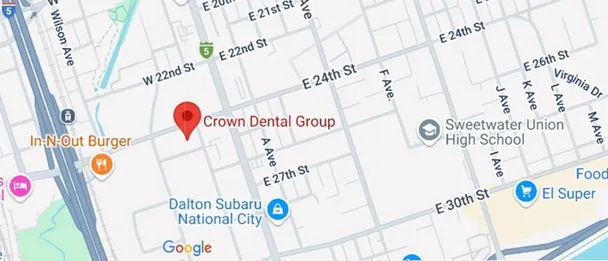
Find us here