Everything You Need to Know About Dental Crowns: More Than Just Fixing Broken Teeth
Learn what dental crowns are, when they're needed, how they protect damaged teeth, and what to expect during the crown procedure.
Dental Crowns Do Much More Than Repair Broken Teeth
When most people hear the words dental crown, they picture a treatment used only for badly broken teeth. While crowns are excellent for restoring fractured teeth, they actually serve many different purposes in modern dentistry.
Dental crowns are one of the most versatile and reliable restorative treatments available today. They can strengthen weakened teeth, restore damaged teeth after root canal therapy, improve the appearance of discolored or misshapen teeth, and even replace missing teeth when combined with dental implants.
The goal of a crown is not simply to repair damage—it is to preserve your natural tooth whenever possible.
At Crown Dental Group, dental crowns are carefully designed to restore both function and aesthetics while protecting your long-term oral health. Understanding when a crown is recommended and how it works can help you make informed decisions about your dental care.
What Is a Dental Crown?
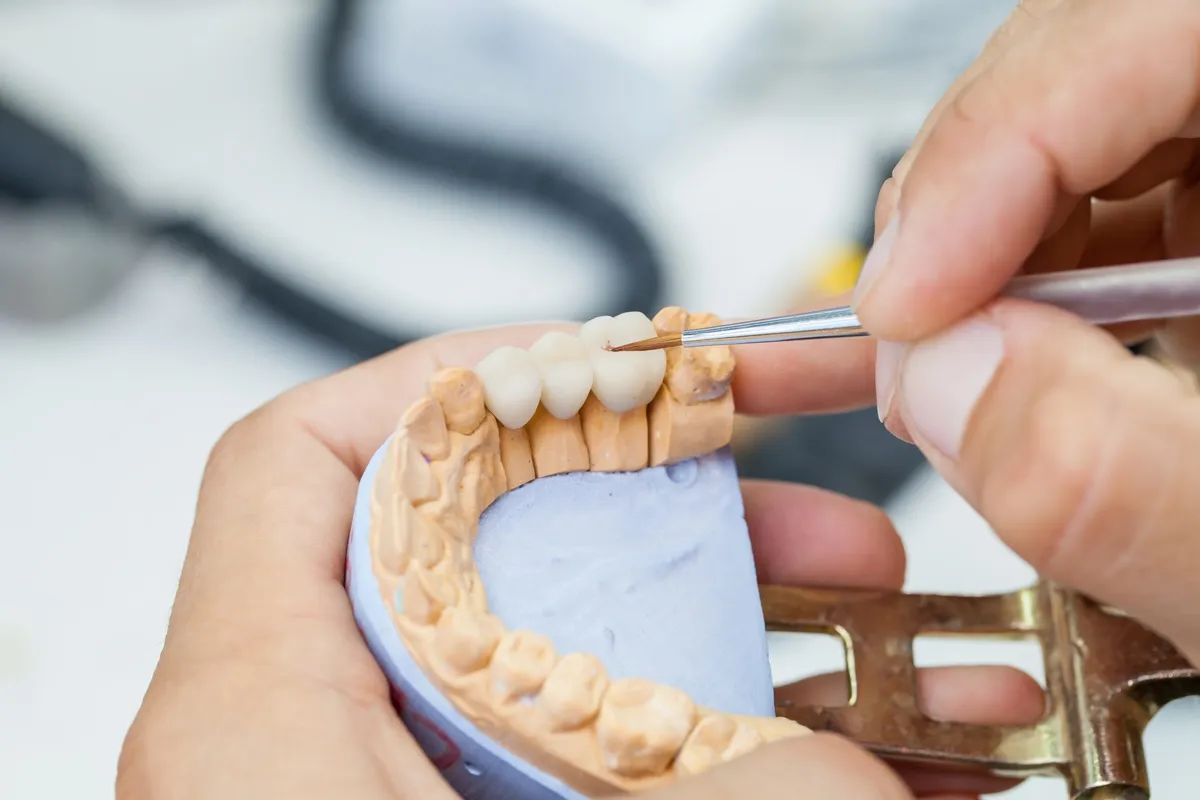
A dental crown is a custom-made restoration that completely covers the visible portion of a tooth above the gumline.
Unlike a filling, which repairs only a small section of a tooth, a crown surrounds the entire tooth like a protective cap.
Once bonded into place, a crown restores the tooth’s:
- Shape
- Size
- Strength
- Function
- Appearance
The crown becomes the new outer surface of the tooth, allowing you to chew comfortably while protecting the remaining natural tooth underneath.
Why Would Someone Need a Dental Crown?
There are many reasons a dentist may recommend placing a crown.
Each situation is unique, but the overall goal remains the same: preserve the tooth and prevent further damage.
Large Cavities
Small cavities are typically repaired with fillings.
However, when decay becomes extensive, there may not be enough healthy tooth structure remaining to support another filling.
A crown provides full coverage and helps reinforce the weakened tooth.
Rather than simply filling a large space, the crown protects the entire tooth from future fracture.
Cracked Teeth
Cracked teeth are common among adults.
They may result from:
- Teeth grinding
- Biting hard foods
- Sports injuries
- Natural wear over time
Even small cracks can spread with every bite.
A crown acts like a protective shell, helping hold the tooth together while reducing the risk of the crack becoming larger.
Early treatment often allows the natural tooth to be preserved.
After Root Canal Treatment
One of the most common reasons for a dental crown is root canal therapy.
A root canal removes infected or damaged tissue from inside the tooth.
Although this eliminates infection, the tooth often becomes more brittle afterward.
Without additional protection, the tooth has a higher chance of fracturing.
A crown restores strength and allows the tooth to function normally again.
Broken or Worn Teeth
Years of chewing, grinding, and normal use gradually affect teeth.
Some patients develop:
- Chipped teeth
- Worn chewing surfaces
- Flattened teeth
- Small fractures
Crowns restore the original shape and improve chewing efficiency while protecting against additional wear.
Cosmetic Improvements
Crowns are sometimes used to improve a tooth’s appearance.
They may be recommended for teeth that are:
- Severely discolored
- Misshapen
- Poorly restored
- Structurally compromised
Modern crowns are carefully designed to blend naturally with surrounding teeth.
The result is both functional and aesthetically pleasing.
Supporting Dental Bridges
Crowns also play an important role in replacing missing teeth.
A traditional dental bridge uses crowns placed on neighboring teeth to support an artificial replacement tooth between them.
The crowns provide stability while restoring chewing ability and appearance.
Restoring Dental Implants
Dental implants replace missing tooth roots.
However, the implant itself remains beneath the gumline.
The visible portion of the replacement tooth is actually a custom-made crown attached to the implant.
Together, the implant and crown function similarly to a natural tooth.
What Are Dental Crowns Made Of?
Modern dentistry offers several materials for crowns.
The most appropriate choice depends on:
- Tooth location
- Bite forces
- Cosmetic goals
- Individual needs
Ceramic Crowns
Ceramic crowns are highly popular because they closely resemble natural teeth.
Benefits include:
- Excellent aesthetics
- Natural translucency
- Metal-free construction
- Color matching
They are often used for front teeth where appearance is especially important.
Porcelain Crowns
Porcelain provides beautiful cosmetic results while maintaining strength.
These restorations blend well with surrounding natural teeth.
Zirconia Crowns
Zirconia is known for exceptional durability.
It combines strength with attractive appearance, making it suitable for many areas of the mouth.
Your dentist will recommend the material best suited to your situation.
The Dental Crown Process
Many patients feel anxious simply because they don’t know what to expect.
Fortunately, receiving a crown is a straightforward process.
Step One: Examination
The dentist first evaluates the tooth.
This may include:
- Clinical examination
- Digital radiographs
- Bite assessment
The goal is to determine whether the tooth can be successfully restored with a crown.
Step Two: Preparing the Tooth
A small amount of the tooth’s outer surface is carefully reshaped.
This creates space for the crown to fit comfortably while maintaining a natural appearance.
Only the amount necessary is removed.
The goal is always to preserve as much healthy tooth structure as possible.
Step Three: Digital Impressions
Modern dentistry often uses digital impressions instead of traditional molds.
Digital scanners create highly accurate three-dimensional images of the prepared tooth.
Benefits include:
- Improved comfort
- Greater precision
- Better-fitting restorations
Many patients find digital scanning much more comfortable than traditional impression materials.
Step Four: Temporary Crown
While the permanent crown is being fabricated, a temporary crown protects the prepared tooth.
This allows patients to continue normal daily activities.
Step Five: Final Placement
Once the permanent crown is ready, the dentist carefully evaluates:
- Fit
- Shape
- Bite
- Appearance
- Comfort
After necessary adjustments, the crown is securely bonded into place.
The tooth is once again protected and fully functional.
Will Getting a Crown Hurt?
One of the most common concerns patients have is discomfort.
Modern dentistry has made crown procedures much more comfortable than many people expect.
Local anesthesia keeps the treatment area numb during preparation.
Most patients experience little more than pressure.
Some mild sensitivity afterward is normal and usually temporary.
How Long Do Dental Crowns Last?
Crowns are designed to provide long-term durability.
Their lifespan depends on several factors.
These include:
- Oral hygiene
- Bite forces
- Teeth grinding
- Diet
- Regular dental care
With proper maintenance, many crowns continue functioning successfully for many years.
Routine examinations allow dentists to monitor crowns and ensure they remain healthy.
Can Crowns Get Cavities?
The crown itself cannot develop a cavity.
However, the natural tooth beneath the crown still requires protection.
Decay can develop along the margin where the crown meets the tooth if oral hygiene is neglected.
Brushing and flossing remain essential.
Caring for a Dental Crown
Maintaining a crown is similar to caring for a natural tooth.
Daily habits include:
Brush Twice Daily
Remove plaque from around the crown.
Floss Every Day
Clean beneath and around the restoration.
Avoid Using Teeth as Tools
Opening packages or biting hard objects can damage both natural teeth and crowns.
Attend Routine Dental Visits
Professional examinations help identify small issues before they become serious.
Common Myths About Dental Crowns
Myth: Crowns Are Only for Older Adults
Patients of all ages may benefit from crowns depending on their dental needs.
Myth: A Crown Means the Tooth Is Dead
Many crowned teeth remain completely healthy and alive.
Only teeth requiring root canal therapy have the nerve removed.
Myth: Crowns Look Fake
Modern ceramic and porcelain crowns are carefully customized to match neighboring teeth.
Most people cannot distinguish them from natural teeth.
Myth: Once a Crown Is Placed, No Further Care Is Needed
Crowns still require regular brushing, flossing, and professional evaluations.
When Should You Contact Your Dentist?
Schedule an appointment if you notice:
- A loose crown
- Pain while chewing
- Increased sensitivity
- Damage to the crown
- Swelling around the tooth
Prompt evaluation helps prevent additional complications.
Frequently Asked Questions
How do I know if I need a crown?
Your dentist will evaluate the amount of remaining tooth structure and recommend the most appropriate restoration.
Is getting a crown painful?
Most patients experience minimal discomfort thanks to modern anesthesia and techniques.
How long does the procedure take?
Treatment generally involves two appointments unless same-day crown technology is available.
Can I eat normally with a crown?
Yes. Once permanently placed, crowns are designed to restore normal chewing function.
Will my crown look like a natural tooth?
Modern crowns are customized to match the size, shape, and color of surrounding teeth.
Can a crown fall off?
Although uncommon, crowns can loosen over time and should be evaluated if this occurs.
Do crowns require special care?
No special care is needed beyond good oral hygiene and regular dental visits.
How long can a dental crown last?
With proper care, many crowns provide reliable function for many years.
Dental Crowns Protect More Than Just Teeth
A dental crown is much more than a cosmetic restoration. It is a protective solution designed to strengthen weakened teeth, restore damaged structures, improve function, and preserve your natural smile whenever possible.
Whether recommended after a root canal, for a cracked tooth, or to restore extensive decay, a crown helps protect your investment in your oral health while allowing you to chew, speak, and smile with confidence.
At Crown Dental Group, every crown is carefully planned to provide long-lasting strength, comfort, and natural aesthetics. If your dentist recommends a crown, it’s because preserving your natural tooth today can help prevent more extensive treatment tomorrow.
Protecting a damaged tooth now is often the best way to keep your smile healthy for years to come.
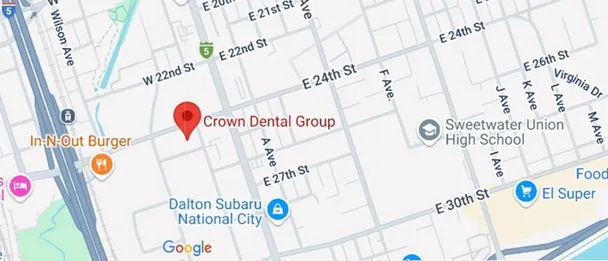
Find us here