Dry Mouth and Your Teeth: Why Low Saliva Can Increase Your Risk of Dental Problems
Learn how dry mouth affects your teeth and gums, common causes of low saliva, warning signs, and ways to protect your oral health from damage.

Most people do not think much about saliva until there is not enough of it. A dry mouth can seem like a minor inconvenience, especially if it happens occasionally. But when your mouth consistently feels dry, sticky, or uncomfortable, it can affect much more than your comfort. Saliva plays an important role in protecting your teeth and maintaining a healthy oral environment.
When saliva production decreases, your mouth can become more vulnerable to tooth decay, gum problems, bad breath, mouth irritation, and difficulty eating or speaking.
Understanding the connection between dry mouth and oral health can help you recognize the problem early and take steps to protect your teeth.
What Is Dry Mouth?
Dry mouth, medically known as xerostomia, occurs when there is insufficient saliva in the mouth or when a person experiences the sensation of having a dry mouth. Saliva is continuously produced by several glands throughout the mouth. Although you may not notice it under normal circumstances, it performs several important functions.
Saliva helps:
- Keep the mouth moist
- Lubricate food during chewing and swallowing
- Wash away food particles
- Neutralize acids produced by oral bacteria
- Support the natural remineralization of tooth enamel
- Help control certain microorganisms in the mouth
- Make speaking and swallowing more comfortable
When saliva levels are consistently low, some of these protective functions become less effective.
Why Is Saliva Important for Your Teeth?
Your mouth is constantly exposed to bacteria and acids. Every time you eat carbohydrates or sugars, oral bacteria can metabolize them and produce acids. These acids can contribute to mineral loss from tooth enamel. Saliva helps counter this environment by diluting and clearing substances from the mouth and helping neutralize acids. It also contains minerals that contribute to the natural repair and remineralization of tooth surfaces. When saliva production is reduced, teeth may receive less of this natural protection. This is one reason chronic dry mouth can increase the risk of dental problems.
What Causes Dry Mouth?
Dry mouth can have many possible causes. Identifying the cause is important because treatment may depend on what is reducing saliva production.
1. Medications
A wide range of medications can contribute to dry mouth as a side effect.
These may include certain medications used for:
- Allergies
- Blood pressure
- Depression and anxiety
- Pain
- Respiratory conditions
- Other medical conditions
If you believe a medication is causing dry mouth, do not stop taking it without speaking with the prescribing healthcare professional. They can determine whether an alternative or adjustment is appropriate.
2. Dehydration
Not drinking enough fluids can temporarily contribute to a dry mouth. Dehydration may occur after exercise, illness, excessive sweating, or simply failing to drink enough water throughout the day. Drinking water regularly can help maintain adequate hydration, although persistent dry mouth may have another underlying cause.
3. Mouth Breathing
Breathing primarily through your mouth can contribute to dryness, particularly during sleep. Nasal congestion, allergies, certain anatomical factors, or habits can cause some people to sleep with their mouth open. You may notice that your mouth feels particularly dry when you wake up in the morning.
4. Tobacco and Alcohol
Tobacco use can contribute to oral dryness and is associated with several oral health risks. Alcohol can also contribute to dehydration and dryness. Reducing exposure to these substances can benefit both your oral and general health.
5. Certain Health Conditions
Some medical conditions can affect saliva production or contribute to persistent dry mouth. If you experience chronic dryness without an obvious explanation, discussing it with your healthcare provider can help identify potential causes.
What Does Dry Mouth Feel Like?
Dry mouth is more than simply feeling thirsty.
Common symptoms include:
- A sticky or dry sensation in the mouth
- Thick or stringy saliva
- Frequent thirst
- Difficulty swallowing dry foods
- Difficulty speaking for long periods
- Dry or cracked lips
- A dry or irritated throat
- Changes in taste
- Bad breath
- Increased tooth sensitivity
- More frequent cavities
Some people also develop sores or irritation inside the mouth because saliva normally helps lubricate and protect oral tissues.
How Can Dry Mouth Affect Your Teeth?
Chronic dry mouth can increase the risk of several dental problems.
Increased Risk of Cavities
When there is less saliva available to neutralize acids and wash away food particles, the environment may become more favorable for tooth decay. Cavities may develop more frequently, particularly around the gumline or in areas that are already difficult to clean.
Gum Problems
Plaque accumulation can contribute to inflammation of the gums. If dry mouth makes oral hygiene more difficult or contributes to increased plaque retention, maintaining healthy gums may become more challenging.
Enamel Vulnerability
Reduced saliva means less natural buffering and fewer opportunities for remineralization. Combined with frequent acid exposure, this can contribute to enamel demineralization.
Bad Breath
Saliva helps clear food particles and microorganisms from the mouth. Reduced saliva flow can contribute to an unpleasant odor. Persistent bad breath can have many causes, so it should not automatically be attributed to dry mouth.
Difficulty Eating and Speaking
Saliva helps lubricate food and oral tissues. When the mouth is dry, chewing and swallowing can become uncomfortable, particularly when eating dry foods such as crackers, bread, or meat. Speaking for extended periods may also become more difficult.
Does Dry Mouth Cause Cavities?
Dry mouth does not directly create cavities by itself. However, reduced saliva removes some of the mouth’s natural protective mechanisms, which can increase susceptibility to tooth decay. Cavity development involves multiple factors, including oral bacteria, dietary habits, tooth structure, oral hygiene, fluoride exposure, and saliva. If you have persistent dry mouth and are developing cavities more frequently than before, tell your dentist.
How Is Dry Mouth Diagnosed?
Your dentist will typically begin by asking about your symptoms and medical and dental history.
They may ask:
- How long have you experienced dryness?
- Is it worse at certain times of day?
- Are you taking medications that may cause dry mouth?
- How much water do you typically drink?
- Do you breathe through your mouth while sleeping?
- Have you noticed increased cavities or mouth irritation?
- Have there been recent changes in your health or medications?
Your dentist will also examine your teeth, gums, tongue, and oral tissues for signs associated with reduced saliva. If necessary, they may recommend that you discuss persistent symptoms with your healthcare provider.
How Can You Manage Dry Mouth?
Treatment depends on the underlying cause, but several strategies can help protect your mouth.
Drink Water Regularly
Keep water available throughout the day and take regular sips. Water can help relieve the sensation of dryness and support normal hydration.
Chew Sugar-Free Gum
Chewing sugar-free gum can stimulate saliva production in some people. Products containing xylitol may also be useful as part of a cavity-prevention routine, although they do not replace brushing and professional dental care.
Avoid Excessive Sugary Drinks
Sugary beverages can increase the amount of fermentable carbohydrate available to oral bacteria.
If your mouth is already producing less saliva, frequent exposure to sugary drinks may further increase your risk of decay.
Limit Alcohol and Tobacco
Both can contribute to oral dryness and other oral health concerns. Reducing or avoiding them can help protect your mouth.
Use Fluoride Toothpaste
Fluoride helps strengthen enamel and is an important part of cavity prevention, especially for individuals who may have an elevated risk of tooth decay.
Consider a Dry-Mouth Product
Your dentist may recommend an oral moisturizer, saliva substitute, or other product specifically designed to relieve dry-mouth symptoms. Not every product is appropriate for every patient, so ask your dental professional for guidance.
When Should You See a Dentist About Dry Mouth?
Occasional dryness may not be concerning, particularly after exercise or temporary dehydration. However, persistent dry mouth should be evaluated.
Schedule a dental appointment if you experience ongoing dryness along with:
- Frequent cavities
- Persistent bad breath
- Difficulty swallowing
- Mouth sores
- Burning or irritation
- Changes in taste
- Increasing tooth sensitivity
- Difficulty eating or speaking comfortably
Your dentist can look for oral complications and help determine whether additional evaluation is necessary.
Protecting Your Teeth When You Have Dry Mouth
If you regularly experience dry mouth, preventive dental care becomes particularly important. Regular examinations allow your dentist to monitor for early signs of tooth decay, enamel damage, gum inflammation, and other complications.
Your dentist may also recommend a more personalized preventive plan based on your cavity risk and saliva-related symptoms. The goal is to identify potential problems early rather than waiting until a tooth becomes painful.
Dry Mouth and Preventive Dentistry in National City, CA
If you are experiencing persistent dry mouth or are concerned about an increase in cavities, Crown Dental Group provides comprehensive preventive and general dental care in National City. Our team can evaluate your teeth and gums, identify signs of decay or other oral health problems, and help develop a preventive care plan based on your individual needs.
Crown Dental Group uses modern dental technology, including digital radiography, digital impressions, and CBCT imaging when clinically appropriate, to support diagnosis and treatment planning. Our practice serves patients throughout National City, Chula Vista, Bonita, Imperial Beach, and surrounding South Bay San Diego communities.
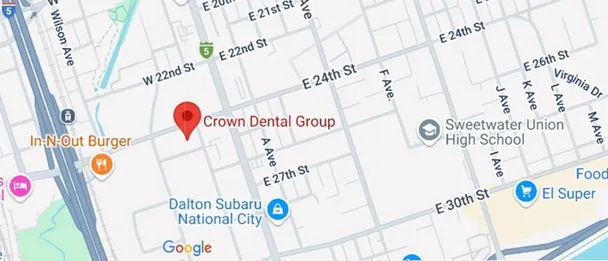
Located at 2405 Transportation Ave, National City, CA 91950, our office provides convenient access to comprehensive dental care in the South Bay.
If your mouth constantly feels dry, do not ignore it. Addressing dry mouth early can help protect your teeth and gums from preventable complications.
- Crown Dental Group
- 2405 Transportation Ave
- National City, CA 91950
- Phone: (619) 474-6200
- Email: info@crowndentalnc.com
Frequently Asked Questions About Dry Mouth
1. Why is my mouth always dry?
Persistent dry mouth can have several causes, including medications, dehydration, mouth breathing, tobacco or alcohol use, and certain health conditions. A dental or medical evaluation can help identify the likely cause.
2. Can dry mouth cause cavities?
Reduced saliva can increase susceptibility to tooth decay because saliva helps neutralize acids, clear food particles, and support enamel remineralization.
3. How can I increase saliva naturally?
Drinking water regularly and chewing sugar-free gum can help relieve dryness and stimulate saliva flow in some people. Your dentist can recommend additional strategies based on the cause of your symptoms.
4. Is dry mouth a sign of dehydration?
It can be. Dehydration may cause temporary dry mouth, but persistent dryness can have other causes and should be evaluated if it continues.
5. Can medications cause dry mouth?
Yes. Many medications can have dry mouth as a side effect. If you suspect your medication is responsible, speak with your healthcare provider before making any changes.
6. Can dry mouth cause bad breath?
It can contribute to bad breath because reduced saliva means less natural cleansing of the mouth. However, persistent bad breath can have many other causes and should be evaluated if it does not resolve.
7. Should I use special toothpaste if I have dry mouth?
Fluoride toothpaste is generally important for cavity prevention. Depending on your individual needs, your dentist may recommend additional products designed for dry-mouth management.
8. When should I see a dentist for dry mouth?
See a dentist if dry mouth persists, especially if you are experiencing frequent cavities, mouth irritation, bad breath, sensitivity, or difficulty eating and speaking. Early evaluation can help protect your oral health.
Find us here