Do Adults Need Fluoride Treatments? Benefits, Risks, and Who May Need Them
Learn how fluoride treatments help protect adult teeth, who may benefit most, and what to expect during treatment at Crown Dental Group in National City, CA.

Fluoride is widely recognized for its role in preventing tooth decay, but many people associate fluoride treatments primarily with children’s dental care. In reality, adults can also benefit from professional fluoride treatments, particularly if they have an increased risk of cavities, dry mouth, exposed tooth roots, or a history of recurring decay.
Even with consistent brushing and flossing, certain factors can make teeth more vulnerable to damage from acids produced by bacteria in dental plaque. Fluoride helps strengthen tooth enamel and supports the process of repairing early mineral loss before a cavity develops.
However, professional fluoride treatment is not necessary for every adult. Whether you need it depends on your oral health, dental history, and individual risk factors.
At Crown Dental Group in National City, California, a dental examination can help determine whether additional fluoride protection may be appropriate for your needs.
What Is Fluoride, and Why Do Adults Need It?
Fluoride is a naturally occurring mineral found in varying amounts in water, soil, and certain foods. It is also used in many dental products because of its ability to help prevent tooth decay.
Your teeth are covered by enamel, a hard outer layer made primarily of minerals. Although enamel is strong, it is constantly exposed to acids produced when oral bacteria break down sugars and other fermentable carbohydrates.
This acid exposure can cause minerals to leave the enamel, a process known as demineralization. Saliva and fluoride help support remineralization, which restores minerals to areas of early damage.
When mineral loss continues without adequate repair, the enamel can weaken and a cavity may eventually form.
Fluoride helps protect teeth by making the enamel more resistant to acid attacks and supporting remineralization. It can also interfere with the activity of bacteria involved in tooth decay.
Adults continue to face cavity risks throughout life. Previous dental work, gum recession, dry mouth, medications, dietary habits, and changes in oral hygiene can all influence whether additional fluoride protection is useful.
What Is a Professional Fluoride Treatment?
A professional fluoride treatment is a preventive dental procedure in which a concentrated fluoride product is applied to the teeth.
Depending on the product and the patient’s needs, the treatment may use fluoride varnish, gel, or foam. Fluoride varnish is commonly used in dental offices because it can be applied directly to the tooth surfaces.
Professional products contain higher fluoride concentrations than ordinary over-the-counter toothpaste. They are used according to specific instructions to support cavity prevention in patients who may benefit from additional protection.
The purpose is preventive. Fluoride treatment can help manage early mineral loss, but it cannot rebuild a tooth that has developed a cavity requiring restorative treatment.
Your dentist will determine whether fluoride is appropriate based on your current oral health and the risk of developing future decay.
6 Reasons Adults May Benefit From Fluoride Treatments
1. A History of Frequent Cavities
If you have developed several cavities over the years, you may be at increased risk of future tooth decay.
A history of cavities can reflect several contributing factors, including frequent sugar exposure, inadequate plaque removal, reduced saliva, or individual differences in susceptibility to decay.
Professional fluoride treatments may help strengthen enamel and reduce the likelihood of new cavities in adults who are at elevated risk.
However, fluoride is only one part of cavity prevention. Your dentist may also recommend changes to brushing and flossing habits, dietary adjustments, prescription-strength fluoride toothpaste, or other preventive measures depending on your circumstances.
2. Dry Mouth or Reduced Saliva
Saliva helps protect your teeth by washing away food particles, neutralizing acids, and supplying minerals that support enamel repair.
When saliva production decreases, the mouth loses some of these protective functions. This can increase the risk of tooth decay, particularly around the gumline and between the teeth.
Dry mouth, also called xerostomia, may be associated with certain medications, medical conditions, dehydration, or treatments that affect the salivary glands.
Adults with persistent dry mouth may benefit from additional preventive care, including professional fluoride treatments.
If you frequently wake up with a dry mouth, have difficulty swallowing dry foods, or need water to speak comfortably, discuss these symptoms with your dentist or healthcare provider. Addressing the underlying cause of dry mouth is also important.
3. Gum Recession and Exposed Tooth Roots
Gum recession occurs when gum tissue moves away from its usual position and exposes part of the tooth root.
Unlike the crown of a tooth, which is covered by enamel, the root surface is covered by cementum and underlying dentin. These tissues are more vulnerable to decay when exposed to the oral environment.
As a result, adults with gum recession may be at increased risk of root caries, especially when other risk factors are present.
Professional fluoride treatments may help protect exposed root surfaces and reduce the risk of decay.
Your dentist may also recommend gentle brushing techniques, appropriate cleaning tools, and treatment for any underlying gum disease. Fluoride does not reverse gum recession, but it may form part of a preventive plan to protect exposed tooth surfaces.
4. Dental Work That Requires Extra Protection
Adults with fillings, crowns, bridges, or other dental restorations may have areas where plaque can accumulate around the edges of the restoration.
The restorative material itself does not develop decay in the same way as natural tooth structure. However, the natural tooth surrounding a filling or crown can still develop cavities.
Patients with a history of recurrent decay around restorations may benefit from a more intensive preventive approach.
Fluoride treatment may be one option, depending on the condition of the teeth and the patient’s overall cavity risk.
Good home care and regular examinations remain important because fluoride cannot repair a damaged restoration or eliminate decay that requires treatment.
5. Orthodontic Treatment
Adults who wear braces may have more difficulty removing plaque around brackets and wires. If plaque remains on the teeth, acids can damage the enamel and lead to white spot lesions or cavities.
Clear aligners can also require careful cleaning habits, particularly if the teeth and aligners are not cleaned appropriately or if sugary drinks are consumed while wearing them.
For adults undergoing orthodontic treatment, fluoride may be recommended when cavity risk is elevated.
Your dentist or orthodontist can advise whether professional fluoride treatment, prescription fluoride products, or additional preventive measures are appropriate.
6. Certain Medical Conditions or Medications
Some medical conditions and medications can increase the risk of tooth decay by reducing saliva production or affecting the ability to maintain oral hygiene.
For example, certain medications used to treat allergies, depression, high blood pressure, and other conditions may contribute to dry mouth. The effects vary by medication and individual.
Adults receiving treatments that affect the salivary glands may also require additional preventive care.
If your medical history or medication use increases your cavity risk, your dentist may recommend fluoride treatment as part of a broader oral health plan.
Do not stop taking prescribed medication because of dry mouth or dental concerns. Discuss the symptoms with your healthcare provider, who can determine whether adjustments or alternative treatments are appropriate.
What Happens During a Professional Fluoride Treatment?
Professional fluoride treatment is generally quick and straightforward. The exact procedure depends on the product used and the patient’s needs.
Step 1: Dental Examination
Your dentist first evaluates your teeth, gums, and cavity risk. They may review your history of decay, existing restorations, dry mouth symptoms, gum recession, and current oral hygiene practices.
This assessment helps determine whether professional fluoride treatment is appropriate.
Step 2: Preparing the Teeth
Depending on the product and clinical protocol, the dental team may clean and dry the teeth or prepare the surfaces in another way specified by the manufacturer.
The goal is to apply the fluoride product effectively to the intended areas.
Step 3: Applying Fluoride
The dentist or dental professional applies the fluoride product to the teeth. Fluoride varnish is brushed onto the tooth surfaces, while gels and foams may be applied using trays when appropriate.
The application itself is usually brief. Most patients do not experience significant discomfort.
Step 4: Following Aftercare Instructions
Your dental team will provide instructions specific to the product used. These may include guidance on when to eat, drink, brush, or floss after treatment.
Follow the instructions carefully because recommendations can vary depending on the formulation.
If you have questions about sensitivity, swallowing precautions, or aftercare, ask the dental team before leaving the office.
Is Fluoride Treatment Safe for Adults?
When used appropriately according to professional guidelines, fluoride treatments are considered safe for adults.
As with any dental product, the concentration, amount applied, and method of use matter. Professional treatments are selected and applied according to the patient’s needs, with precautions taken to minimize unnecessary swallowing.
Temporary changes in the feel of the teeth or a coating sensation may occur after some fluoride varnishes. These effects depend on the product used.
Allergic reactions are uncommon, but tell your dentist about known allergies and sensitivities before treatment.
If you have concerns about fluoride exposure, discuss them with your dentist. They can explain the benefits, limitations, and precautions relevant to your oral health.
It is also important to use fluoride toothpaste as directed. Prescription-strength products should only be used according to your dental professional’s instructions.
How Often Do Adults Need Fluoride Treatments?
There is no single schedule that applies to every adult. The frequency depends on your cavity risk, dental history, and the type of fluoride product used.
Some adults at higher risk of decay may benefit from professional fluoride applications every three to six months. Others may need treatment less frequently or may not need professional applications if their risk is low and their home care is effective.
Your dentist may consider factors such as:
- How recently you have developed cavities.
- Whether you have exposed tooth roots.
- Whether you experience persistent dry mouth.
- Your history of dental restorations and recurrent decay.
- Your use of fluoride toothpaste or prescription fluoride products.
- Your dietary habits and ability to clean your teeth effectively.
The goal is to provide enough preventive protection for your individual circumstances without recommending unnecessary treatment.
Professional Fluoride Treatment vs. Fluoride Toothpaste
Both professional fluoride treatments and fluoride toothpaste help protect teeth, but they serve somewhat different purposes.
| Feature | Fluoride toothpaste | Professional fluoride treatment |
|---|---|---|
| Main purpose | Daily cavity prevention | Additional protection for patients who may need it |
| Frequency | Usually twice daily | Based on individual risk and clinical recommendations |
| Fluoride concentration | Commonly around 1,000 to 1,500 ppm in standard adult toothpaste, depending on the product | Varies by product and formulation |
| Application | Used at home | Applied by a dental professional |
| Best use | Routine oral hygiene for most adults | Additional preventive care when indicated |
Professional treatment does not replace daily brushing with fluoride toothpaste. Most adults should continue brushing twice daily and cleaning between their teeth regardless of whether they receive in-office fluoride.
Your dentist can help determine whether additional products, such as prescription-strength fluoride toothpaste, are appropriate for your needs.
Can Fluoride Reverse an Existing Cavity?
Fluoride can help remineralize early areas of enamel damage before a cavity has formed. These early lesions may appear as white spots and can sometimes be managed without drilling, depending on their activity, location, and severity.
However, once tooth decay has progressed far enough to create a structural cavity, fluoride alone generally cannot restore the missing tooth structure.
A dentist will assess the lesion and determine whether monitoring, preventive treatment, or a restoration such as a filling is appropriate.
If you have tooth pain, sensitivity, or visible damage, do not rely on fluoride treatment alone. Arrange an examination so the cause can be identified and treated appropriately.
Other Ways to Reduce Your Risk of Tooth Decay
Fluoride treatments work best as part of a broader preventive approach.
Brush twice daily. Use fluoride toothpaste and a soft-bristled toothbrush. Pay attention to the gumline and areas around dental restorations.
Clean between your teeth. Floss or use an appropriate interdental cleaner daily to remove plaque from areas a toothbrush may not reach.
Limit frequent sugar exposure. Repeated consumption of sugary foods and drinks gives oral bacteria more opportunities to produce acids that weaken enamel.
Drink water regularly. Water helps maintain normal oral function. Fluoridated tap water can also contribute to cavity prevention where available.
Address dry mouth. If you experience persistent dryness, discuss possible causes and management options with your dentist or healthcare provider.
Attend regular dental examinations. Professional visits help identify early decay and determine whether additional preventive measures are needed.
These habits can help reduce cavity risk and support long-term oral health.
Do You Need Fluoride Treatment? Ask Crown Dental Group
Fluoride treatments can be beneficial for adults who have frequent cavities, exposed tooth roots, dry mouth, or other factors that increase the likelihood of tooth decay. However, the need for treatment depends on your individual oral health rather than your age alone.
At Crown Dental Group, patients can receive an assessment of their teeth and gums and discuss preventive options suited to their needs. Your dentist can help determine whether professional fluoride treatment, changes to your home care routine, or another preventive approach is appropriate.
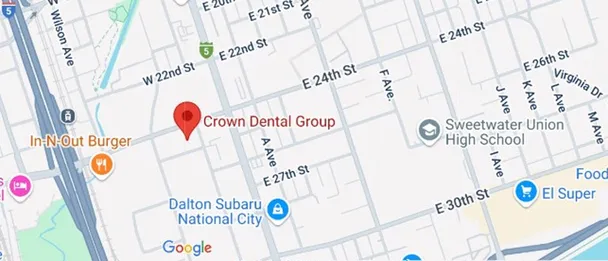
If you live in National City, Chula Vista, Bonita, Imperial Beach, or the surrounding South Bay San Diego communities, contact Crown Dental Group to schedule a dental examination.
- Crown Dental Group
- 2405 Transportation Ave
- National City, CA 91950
- Phone: (619) 474-6200
- Email: info@crowndentalnc.com
Frequently Asked Questions
1. Do adults really need fluoride treatments?
Not every adult needs professional fluoride treatment. It may be beneficial for people with frequent cavities, dry mouth, exposed tooth roots, or other factors that increase the risk of decay. Your dentist can assess your risk and recommend an appropriate preventive plan.
2. How long does a professional fluoride treatment take?
The application itself is usually brief and can often be completed in a few minutes. The total appointment time depends on whether you are also receiving an examination, cleaning, or other dental care.
3. How often should adults get fluoride treatments?
The schedule depends on individual cavity risk and the product used. Some higher-risk patients may benefit from applications every three to six months, while others may need them less frequently. Your dentist can recommend a suitable interval.
4. Is fluoride treatment safe if I already use fluoride toothpaste?
For most adults, professional fluoride treatment can be used alongside routine fluoride toothpaste when clinically indicated. Your dentist will consider your existing fluoride use and individual needs before recommending additional treatment.
5. Can fluoride treatment help with sensitive teeth?
Fluoride may help reduce certain types of sensitivity by supporting enamel and helping protect exposed tooth surfaces. However, sensitivity can have several causes, including gum recession, cracks, and cavities. Persistent sensitivity should be evaluated rather than treated with fluoride alone.
6. Can fluoride treatments repair cavities?
Fluoride can help remineralize early enamel lesions before a cavity forms. It generally cannot replace tooth structure once a cavity has developed. Your dentist will determine whether preventive care, monitoring, or a filling is needed.
7. Are there side effects from professional fluoride treatments?
Professional fluoride treatments are generally well tolerated when used appropriately. Some products may leave a temporary coating or unusual sensation on the teeth. Tell your dentist about allergies or sensitivities before treatment and follow all aftercare instructions.
8. Is professional fluoride treatment necessary if I have healthy teeth?
If you have a low risk of decay and maintain effective oral hygiene, additional professional fluoride treatment may not be necessary. Your dentist can review your history and current oral health to determine whether the potential benefits justify treatment.
Find us here