Dental Sealants: How a Simple Preventive Treatment Helps Protect Your Teeth From Cavities
Learn how dental sealants protect teeth from cavities, who can benefit from them, how the treatment works, and why they are part of preventive dental care.
Cavities are among the most common dental problems, but many can be prevented with consistent oral hygiene and professional preventive care. Brushing and flossing remove much of the plaque that contributes to tooth decay, but some areas of the mouth can be difficult to clean thoroughly. The grooves and pits on the chewing surfaces of your back teeth are a good example. Food particles and bacteria can collect in these narrow areas, making them more susceptible to cavities.
Dental sealants provide an additional layer of protection by covering these vulnerable grooves with a thin protective material. The procedure is quick, minimally invasive, and can be an effective part of a comprehensive preventive dental plan.
What Are Dental Sealants?
A dental sealant is a thin protective coating applied to the chewing surface of a tooth.
Most commonly, sealants are placed on molars and premolars, which have pits and grooves that can be difficult to clean with a toothbrush. The sealant flows into these areas and creates a smoother surface that is easier to keep clean.
Sealants do not replace brushing, flossing, fluoride, or regular dental visits. Instead, they work alongside these habits to provide additional protection in areas that may be particularly vulnerable to plaque accumulation.
Why Are Back Teeth More Vulnerable to Cavities?
Your molars and premolars play an important role in breaking down food. Their chewing surfaces are not completely flat. Instead, they contain natural grooves, pits, and fissures.
These anatomical features can create small areas where:
- Food particles become trapped
- Plaque accumulates
- Bacteria remain undisturbed
- Toothbrush bristles have difficulty reaching the deepest areas
When oral bacteria metabolize carbohydrates from food and drinks, they produce acids. Repeated acid exposure can remove minerals from the tooth structure, beginning the process of tooth decay.
Dental sealants can help reduce the opportunity for bacteria and food particles to remain lodged in these vulnerable grooves.
How Do Dental Sealants Prevent Cavities?
The basic concept is straightforward.
A dentist places the sealant over the susceptible grooves of the tooth, creating a physical barrier between the tooth surface and the oral environment. The sealant fills and covers the pits and fissures where plaque can accumulate. By creating this barrier, the material helps make the chewing surface easier to clean and less vulnerable to plaque retention.
However, sealants are not a substitute for oral hygiene. Bacteria can still accumulate on other parts of the tooth, around the gumline, and between teeth. Think of a sealant as one additional layer of preventive protection, rather than a replacement for daily dental care.
Who Can Benefit From Dental Sealants?
Dental sealants are commonly associated with children and teenagers because permanent molars are particularly vulnerable to decay soon after they erupt. However, sealants are not exclusively for children. Adults may also benefit when they have deep grooves or fissures that make certain teeth difficult to clean effectively.
Your dentist may consider factors such as:
- The depth and shape of your tooth grooves
- Your history of cavities
- Your oral hygiene
- Your risk of developing tooth decay
- The condition of the tooth
- Whether the tooth is fully erupted and suitable for sealing
A dental examination can determine whether sealants are appropriate for a particular tooth.
Are Dental Sealants Only for Children?
No. Children and teenagers are often strong candidates because newly erupted permanent molars can have deep grooves that are susceptible to decay. Applying sealants early can provide protection during an important period of oral development. Adults with susceptible tooth anatomy or a history of cavities may also benefit. Preventive dentistry should be individualized. Rather than applying sealants automatically to every tooth, your dentist can assess which teeth may benefit from the additional protection.
What Happens During a Dental Sealant Procedure?
One of the advantages of sealants is that the procedure is relatively simple.
Step 1: Examination
Your dentist examines the tooth to determine whether it is suitable for sealing. If the tooth already has significant decay, a sealant may not be the appropriate treatment. Existing dental disease may need to be addressed first.
Step 2: Cleaning
The tooth surface is thoroughly cleaned to remove plaque, food particles, and debris. The surface must be clean before the sealant is applied.
Step 3: Preparing the Tooth
The chewing surface is prepared so that the sealant can properly bond to the enamel. Keeping the tooth dry during this process is also important.
Step 4: Applying the Sealant
The dental sealant material is carefully placed into the grooves and pits of the tooth. Because the material is designed to flow into these narrow spaces, it can cover areas that are difficult to reach with ordinary brushing.
Step 5: Hardening the Material
A curing light is used to harden the sealant when required by the material being used. Once hardened, the sealant forms a protective coating over the treated surface.
Step 6: Checking the Bite
Your dentist checks how your upper and lower teeth come together. If necessary, the sealant can be adjusted so that it does not interfere with your normal bite.
Do Dental Sealants Hurt?
Dental sealant placement is generally a non-invasive procedure and does not typically require drilling or injections when the tooth is healthy and suitable for sealing.
The tooth is cleaned and prepared before the material is applied. Patients may notice the texture of the sealed tooth initially, but most adapt quickly. If you experience discomfort after treatment, particularly persistent pain, tell your dentist so the tooth can be evaluated.
How Long Do Dental Sealants Last?
Dental sealants are designed to provide long-term protection, but they can wear down over time. Chewing forces, diet, oral habits, and other factors can affect how long a sealant remains intact. This is why your dentist should check your sealants during routine examinations. If a sealant becomes chipped or partially worn away, your dentist can determine whether it needs repair or replacement.
Do Sealants Mean I Cannot Get Cavities?
No. Dental sealants primarily protect the surfaces where they are applied. They do not protect every surface of the tooth.
Cavities can still develop:
- Between teeth
- Along the gumline
- On exposed root surfaces
- Around existing restorations
- On areas not covered by the sealant
For this reason, you should continue brushing twice a day with fluoride toothpaste, cleaning between your teeth, maintaining a balanced diet, and visiting your dentist regularly.
Dental Sealants and Fluoride: What Is the Difference?
Sealants and fluoride serve different preventive purposes. Fluoride helps strengthen tooth enamel and supports the natural remineralization process that can counter early mineral loss. Dental sealants, on the other hand, provide a physical barrier over susceptible grooves and pits. These approaches can work together. Your dentist may recommend fluoride exposure and sealants as part of a broader cavity-prevention strategy based on your individual risk factors.
Are Dental Sealants Safe?
Dental sealants have been used in preventive dentistry for many years. As with any dental material, your dentist considers the specific patient’s needs and the condition of the tooth before recommending treatment. During an examination, your dental professional can discuss the material being used, why the sealant is recommended, and whether it is appropriate for your particular situation.
How Can You Protect Your Teeth Alongside Sealants?
Even with sealants, daily habits remain essential.
Brush Twice a Day
Use fluoride toothpaste and brush all tooth surfaces carefully. Pay particular attention to the gumline and areas around your back teeth.
Clean Between Your Teeth
Sealants cannot protect the spaces between teeth. Daily flossing or another appropriate interdental cleaning method remains important.
Limit Frequent Sugary Snacks and Drinks
The frequency of sugar exposure can influence cavity risk. Reducing repeated snacking and sipping sugary beverages throughout the day can help protect your teeth.
Drink Water
Water can help rinse the mouth and support saliva’s natural protective functions.
Maintain Regular Dental Visits
Routine examinations allow your dentist to identify early signs of tooth decay and check the condition of existing sealants.
Are Dental Sealants Worth Considering?
For patients with cavity-prone molars or deep tooth grooves, dental sealants can be a useful preventive treatment. They are particularly valuable when combined with strong daily oral hygiene and professional dental care. The important question is not whether everyone needs sealants, but whether your specific teeth and cavity risk make them beneficial. A dental professional can examine your teeth and determine whether sealing certain surfaces could provide meaningful protection.
Dental Sealants in National City, CA
If you are looking for preventive dental care in National City, CA, Crown Dental Group provides comprehensive services designed to help patients protect their teeth and maintain long-term oral health. Preventive care can include professional examinations, cleanings, oral health education, fluoride-based preventive strategies, and other treatments based on individual needs.
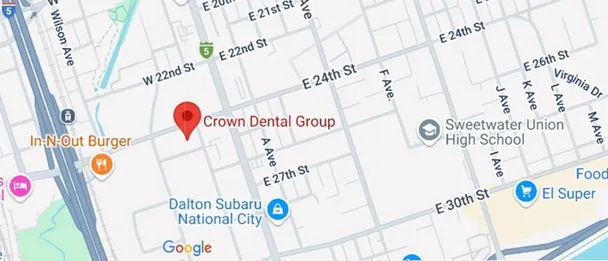
Our practice uses modern dental technology, including digital radiography, digital impressions, and CBCT imaging when clinically appropriate, to support diagnosis and treatment planning. Crown Dental Group serves patients from National City, Chula Vista, Bonita, Imperial Beach, and surrounding South Bay San Diego communities. Our office is located at 2405 Transportation Ave, National City, CA 91950, conveniently serving patients in the surrounding area.
If you or your child has deep grooves in the back teeth or a history of cavities, ask your dentist whether dental sealants could be appropriate. Preventive treatment today may help reduce the risk of future dental problems.
- Crown Dental Group
- 2405 Transportation Ave
- National City, CA 91950
- Phone: (619) 474-6200
- Email: info@crowndentalnc.com
Frequently Asked Questions About Dental Sealants
1. What exactly is a dental sealant?
A dental sealant is a thin protective coating applied primarily to the grooves and pits on the chewing surfaces of molars and premolars. It helps create a smoother surface that is less likely to trap plaque and food particles.
2. Are dental sealants only for children?
No. While sealants are commonly recommended for children and teenagers, adults with deep grooves, susceptible teeth, or elevated cavity risk may also benefit.
3. Do dental sealants hurt?
Sealant placement on a healthy tooth is generally non-invasive and does not typically require drilling or injections. The tooth is cleaned, prepared, coated, and the material is hardened.
4. How long do dental sealants last?
Sealants can provide protection for years, but they can wear or become damaged over time. Your dentist should check them during routine examinations.
5. Can I still get cavities after getting sealants?
Yes. Sealants protect only the surfaces where they are placed. You still need to brush, clean between your teeth, limit frequent sugar exposure, and attend regular dental appointments.
6. Can adults get dental sealants?
Yes. Adults may benefit from sealants when certain teeth have deep grooves or other characteristics that increase their susceptibility to plaque accumulation and decay.
7. Are dental sealants a replacement for fluoride?
No. Sealants and fluoride provide different forms of protection. Sealants physically cover susceptible grooves, while fluoride helps strengthen enamel and support remineralization.
8. How do I know if I need dental sealants?
Your dentist can examine your teeth and assess factors such as tooth anatomy, cavity history, oral hygiene, and decay risk. Based on that evaluation, they can determine whether sealants are appropriate.
Find us here