Dental Bonding Explained: How Dentists Repair Chips, Gaps, and Minor Tooth Imperfections
Learn how dental bonding repairs chipped, cracked, discolored, or uneven teeth, what the procedure involves, its benefits, limitations, and care.

Not every smile concern requires extensive dental treatment. A small chip, minor gap, uneven tooth edge, or slight discoloration can sometimes be addressed with a relatively conservative cosmetic procedure known as dental bonding.
Dental bonding uses a tooth-colored composite resin that is carefully shaped and hardened directly on the tooth. Because the material can be matched to the surrounding teeth and sculpted to improve the tooth’s appearance, bonding can provide a natural-looking result while preserving much of the existing tooth structure.
But is dental bonding right for everyone? Understanding how the procedure works, what it can correct, and its limitations can help you determine whether it may be an appropriate option for your smile.
What Is Dental Bonding?
Dental bonding is a restorative and cosmetic dental procedure that uses composite resin to repair or improve the appearance of a tooth. The resin is applied directly to the tooth and shaped by the dentist. A specialized curing light is then used to harden the material. Once hardened, the bonded material can be further shaped and polished to create a result that blends with the surrounding teeth. Depending on the situation, dental bonding may be used to address both functional and cosmetic concerns.
What Can Dental Bonding Fix?
Dental bonding can be useful for several relatively minor dental imperfections.
Chipped Teeth
A small chip can change the shape of a tooth and make the edge appear uneven. Bonding can replace the missing portion of the tooth-colored structure and restore a more natural contour.
Small Gaps Between Teeth
In selected cases, composite resin can be used to close or reduce small spaces between teeth. The dentist carefully adds material to the sides of the teeth to create a more continuous appearance. However, bonding is not necessarily the appropriate solution for every type of spacing. Larger gaps or spaces caused by underlying bite or tooth-position issues may require orthodontic treatment.
Minor Tooth Shape Irregularities
Some teeth may be naturally shorter, narrower, or slightly uneven compared with neighboring teeth. Bonding can sometimes be used to modify the shape and proportions of these teeth.
Discoloration
Dental bonding may help improve the appearance of certain localized discolorations. However, bonding is not a universal solution for every type of tooth discoloration. The cause and severity of the discoloration need to be evaluated before choosing a cosmetic treatment.
Worn Tooth Edges
Minor wear can sometimes affect the appearance of the front teeth. Depending on the amount and cause of wear, composite bonding may be considered to restore tooth contours. If significant tooth wear is caused by grinding or another underlying condition, that issue should also be addressed.
How Does Dental Bonding Work?
Dental bonding is typically performed directly in the dental office. The procedure generally involves several steps.
Step 1: Dental Examination
Your dentist first examines the tooth and surrounding structures. This is important because what appears to be a cosmetic problem may sometimes indicate a deeper dental issue. For example, a damaged tooth may have decay or a crack that needs to be addressed before cosmetic bonding is considered.
Step 2: Selecting the Resin Shade
If tooth-colored bonding is appropriate, your dentist selects a composite resin shade that coordinates with your natural tooth color. Matching the shade carefully is important for creating a natural-looking result.
Step 3: Preparing the Tooth
The tooth surface is cleaned and prepared so the bonding material can adhere properly. A conditioning material may be applied to create an appropriate surface for adhesion.
Step 4: Applying the Composite Resin
The composite resin is placed directly onto the tooth. Your dentist carefully shapes the material to restore the desired contour, size, or appearance. This stage requires both technical precision and attention to aesthetics.
Step 5: Hardening the Material
A curing light is used to harden the composite resin. The dentist may build and cure the material in layers to achieve the appropriate shape and strength.
Step 6: Shaping and Polishing
After the material has hardened, the dentist makes final adjustments. The bonded tooth is shaped and polished so it fits naturally with the surrounding teeth and does not interfere with your bite.
Does Dental Bonding Hurt?
Dental bonding is generally considered a minimally invasive procedure. Because little or no natural tooth structure may need to be removed for many bonding procedures, anesthesia is often not necessary unless bonding is being performed as part of treatment for another dental condition. Your dentist will determine whether anesthesia is appropriate for your specific procedure. Afterward, some patients may experience temporary sensitivity, particularly if the tooth has required additional treatment.
How Long Does Dental Bonding Take?
One of the practical advantages of dental bonding is that treatment can often be completed relatively quickly.
The exact appointment length depends on:
- The number of teeth being treated
- The size of the repair
- The location of the tooth
- The complexity of the reshaping
- Whether additional dental treatment is required
A small repair may be completed during a single appointment. Your dentist can provide a more specific timeline after examining your teeth.
Is Dental Bonding Permanent?
Dental bonding can provide long-lasting results, but it is not considered a permanent restoration. Composite resin can eventually become worn, stained, chipped, or damaged, particularly when exposed to strong biting forces.
How long bonding lasts depends on factors such as:
- The location of the restoration
- Your bite
- Oral hygiene
- Diet
- Teeth grinding or clenching
- Habits such as biting pens or fingernails
- The amount of bonding material used
Regular dental examinations allow your dentist to monitor the condition of bonded teeth.
How Do You Take Care of Bonded Teeth?
Taking care of bonded teeth is similar to maintaining your natural teeth.
Brush Twice Daily
Use fluoride toothpaste and brush thoroughly but gently.
Clean Between Your Teeth
Floss or use another appropriate interdental cleaning method every day.
Avoid Biting Hard Objects
Do not use bonded teeth to bite fingernails, pens, packaging, ice, or other hard objects.
These habits can damage both natural teeth and composite restorations.
Be Careful With Staining Foods and Drinks
Composite resin can be susceptible to staining over time.
Coffee, tea, red wine, tobacco, and strongly pigmented foods may contribute to discoloration. Maintaining good oral hygiene and following your dentist’s recommendations can help preserve the appearance of the restoration.
Address Teeth Grinding
If you grind or clench your teeth, discuss it with your dentist. Excessive forces can increase the risk of chipping or damaging dental bonding. A custom night guard may be recommended in appropriate cases.
Dental Bonding vs. Veneers
Dental bonding and veneers can both improve the appearance of teeth, but they are different treatments.
Dental bonding uses composite resin applied directly to the tooth. It is often a more conservative option because it may require little or no removal of healthy tooth structure.
Veneers are thin custom-made restorations placed over the front surface of a tooth. Depending on the type of veneer and treatment plan, some tooth preparation may be necessary.
Bonding can be useful for relatively minor imperfections, while veneers may be considered when a patient wants broader or more comprehensive changes to tooth shape, color, or appearance. Your dentist can explain which option is appropriate based on your goals and the condition of your teeth.
Dental Bonding vs. Crowns
A crown covers a much larger portion of a tooth and is generally used when significant structural restoration is required. Bonding is typically more conservative and may be appropriate for smaller cosmetic or structural imperfections. If a tooth has extensive decay, a large fracture, significant structural weakness, or another serious problem, bonding may not provide sufficient protection. The correct restoration depends on how much healthy tooth structure remains and what the tooth needs to function properly.
Who Is a Good Candidate for Dental Bonding?
You may be a candidate for dental bonding if you have relatively minor cosmetic or structural imperfections and sufficient healthy tooth structure.
However, your dentist will consider several factors before recommending treatment.
These may include:
- The condition of the tooth
- The size and location of the defect
- Your bite
- The presence of tooth decay
- Gum health
- Tooth grinding or clenching
- Your cosmetic goals
- Your expectations regarding maintenance
A dental examination is necessary before deciding whether bonding is appropriate.
What Are the Limitations of Dental Bonding?
Dental bonding is versatile, but it is not suitable for every situation. Composite resin is not as resistant to certain forces as some other restorative materials. Bonding may therefore be less appropriate for large restorations or teeth exposed to substantial chewing forces. It can also become stained or chipped over time. Patients should have realistic expectations and understand that bonding may require maintenance or replacement in the future.
Can Dental Bonding Improve Your Smile?
For the right patient, even a relatively small change can make a noticeable difference.
A chipped front tooth, uneven edge, or small gap can affect how a person feels about their smile. Because composite resin can be carefully shaped and color-matched, bonding can provide a conservative way to improve selected imperfections.
The objective should be more than simply making a tooth look different. Your dentist must also ensure that the restoration functions properly with your bite and surrounding teeth.
Dental Bonding in National City, CA
If you are considering dental bonding to improve a chipped, uneven, discolored, or slightly irregular tooth, Crown Dental Group provides cosmetic and restorative dental services for patients in National City and surrounding South Bay communities.
Our cosmetic dentistry services include ceramic crowns, veneers, and other treatments designed to improve the appearance and function of your teeth. During an examination, our dental team can assess your specific concern and discuss whether bonding or another treatment is appropriate.
Crown Dental Group also uses modern dental technology, including digital impressions, digital radiography, and CBCT imaging when clinically appropriate, to support diagnosis and treatment planning.
We serve patients from National City, Chula Vista, Bonita, Imperial Beach, and nearby South Bay San Diego communities.
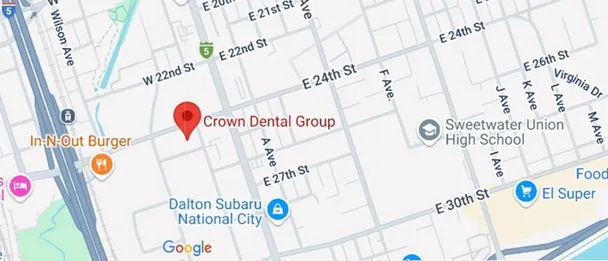
Our office is located at 2405 Transportation Ave, National City, CA 91950, providing convenient access to comprehensive cosmetic, restorative, and general dental care.
If you have a chipped tooth, small gap, or minor cosmetic imperfection that you would like to address, schedule a dental evaluation to discuss your options.
- Crown Dental Group
- 2405 Transportation Ave
- National City, CA 91950
- Phone: (619) 474-6200
- Email: info@crowndentalnc.com
Frequently Asked Questions About Dental Bonding
1. What is dental bonding?
Dental bonding is a procedure that uses tooth-colored composite resin to repair or improve the appearance of teeth. The material is applied directly to the tooth, shaped, hardened, and polished.
2. Can dental bonding fix a chipped tooth?
Yes. Bonding can often repair minor chips and restore the shape of a tooth. Larger fractures or structurally compromised teeth may require a different type of restoration.
3. Can bonding close gaps between teeth?
Dental bonding can close or reduce certain small gaps. However, larger spaces or gaps related to tooth positioning or bite problems may be better addressed with orthodontic treatment.
4. Does dental bonding damage your natural teeth?
Bonding is generally considered a conservative treatment because little or no healthy tooth structure may need to be removed in many cases. Your dentist will determine the appropriate preparation based on the tooth and treatment.
5. How long does dental bonding last?
The lifespan varies depending on the tooth, bite, oral habits, hygiene, and other factors. Bonding can eventually wear, stain, or chip and may require maintenance or replacement.
6. Can dental bonding become stained?
Yes. Composite resin can become stained over time, particularly with frequent exposure to strongly pigmented foods, beverages, and tobacco.
7. Is dental bonding better than veneers?
Neither is universally better. Bonding is often more conservative and can be suitable for minor imperfections, while veneers may be appropriate for broader cosmetic changes. Your dentist can help determine which option fits your goals.
8. How do I know if dental bonding is right for me?
A dental examination is necessary to determine whether bonding is appropriate. Your dentist will evaluate the tooth’s health, structural condition, bite, and your cosmetic goals before recommending treatment.
Find us here